
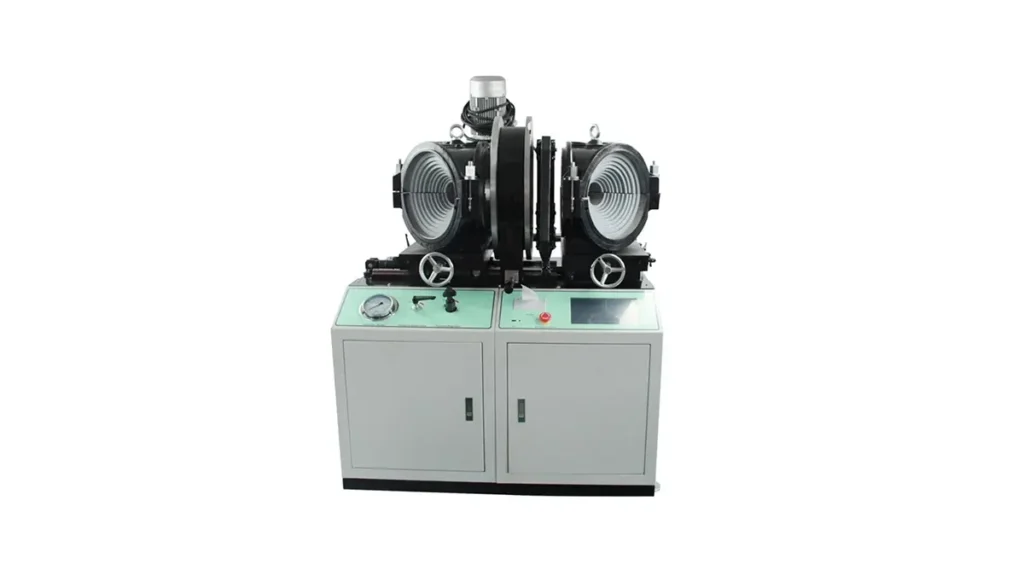
Choosing the best butt fusion welder company in the global market comes down to reliable weld quality, consistent after-sales support, and equipment that matches project scale — from municipal water networks to large industrial pipelines. Below are practical criteria, a buying guide, and performance metrics to help procurement teams, engineers, and contractors select the right supplier and machine for their needs.
How to Define “Best” for Butt Fusion Welders
Best is not always the most expensive brand — it is the company that consistently delivers certified welding integrity, responsive service, clear documentation, and machines suited to local conditions. Evaluate suppliers by four pillars: product range, welding performance, quality control, and global support network.
Key Technical Criteria
Assess machines across these technical factors: heating platen uniformity, clamp stability, axial alignment accuracy, cycle automation level (manual → hydraulic → CNC automatic), and supported pipe diameter range. For pipeline contractors prioritizing speed and repeatability, automatic systems and CNC controls reduce human error and improve throughput.
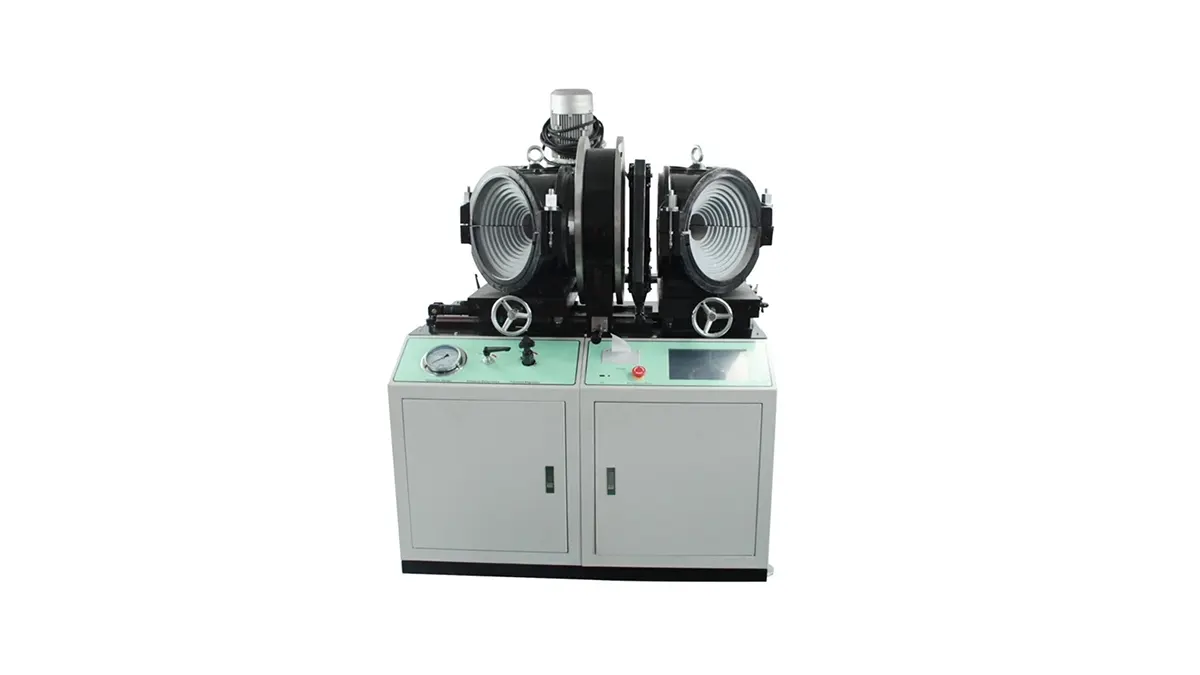
Operational & Service Criteria
Long-term value depends on spare-part availability, training programs, in-country technical service, and clear maintenance schedules. A top supplier provides easy-to-follow welding procedures, calibration records, and remote diagnostic options to minimize downtime.
Buying Guide by Application
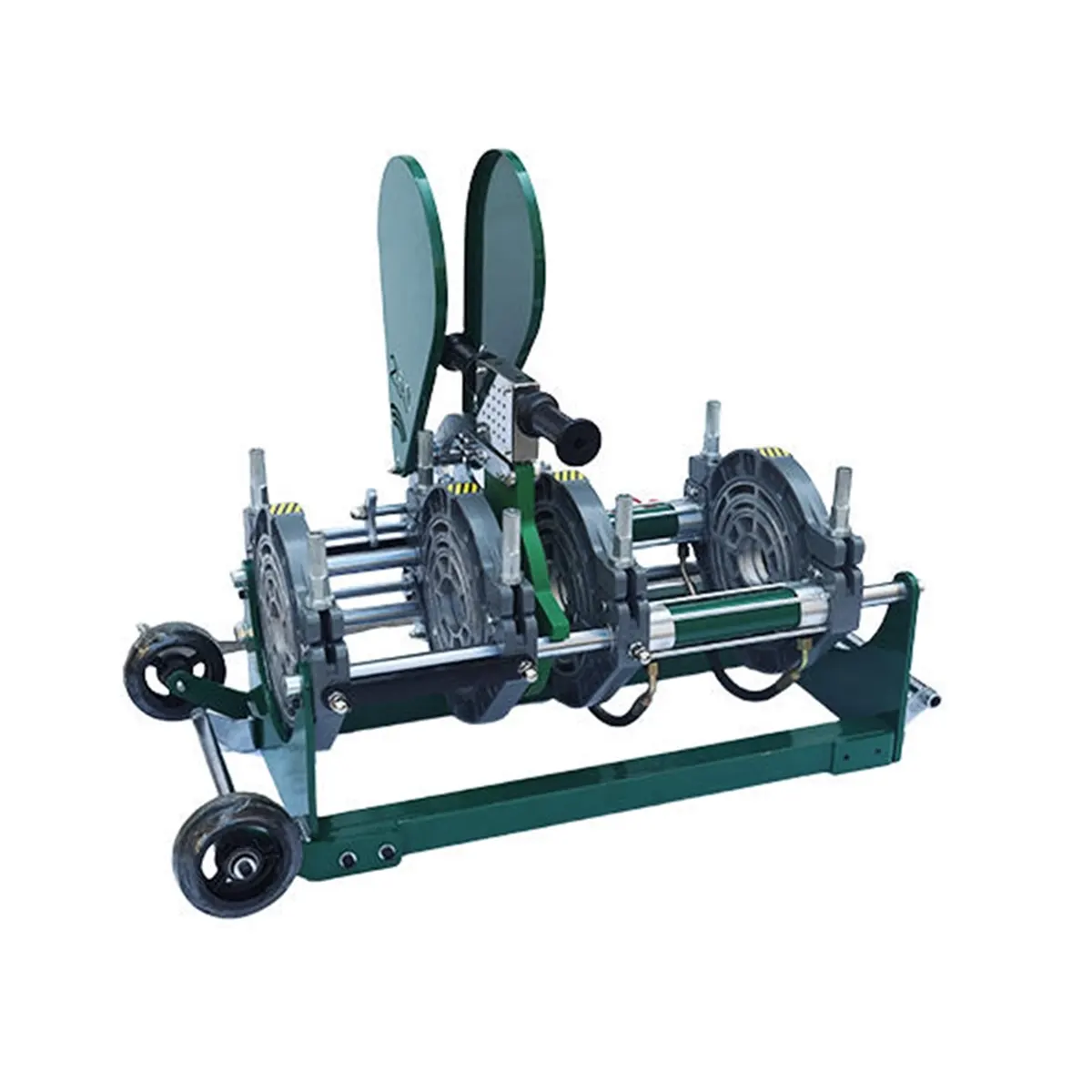
Water supply and sewage: prioritize corrosion-resistant frames and precision alignment. Gas distribution: emphasize traceable weld records and certified fittings. Mining and industrial: require rugged, portable units with simple servicing in remote sites.
Quick Comparison Matrix
| Feature | Why It Matters | Benchmark / Metric |
|---|---|---|
| Heating platen uniformity | Ensures even melt and consistent fusion | ±2°C across platen |
| Axial alignment accuracy | Prevents weak joints and leak paths | ≤0.5° misalignment |
| Automation level | Affects cycle time and repeatability | Manual / Hydraulic / Automatic (CNC) |
| Spare part lead time | Minimizes project delays | Local stock or 1–2 week delivery |
Certifications, Standards & Traceability
Prefer companies and machines that meet international standards (e.g., ISO, ASTM, EN) and offer weld traceability systems (printed/electronic weld reports). For regulated sectors like gas or potable water, documented process control and third-party inspection support are critical.
Maintenance, Training & Warranty
Top suppliers include comprehensive operator training, clear maintenance intervals, and warranty terms that cover critical components. A solid global presence or authorized partners in major regions ensures faster servicing for long-term projects.
Regional Considerations for Global Buyers
Select equipment based on field conditions: in hot/dusty environments choose sealed controls and robust cooling; in cold climates verify heaters and batteries are rated for low temperatures. Consider local labor skill levels — automatic systems reduce reliance on highly specialized operators, while manual units might be preferred where budget and simplicity are paramount.
Practical Checklist Before Purchase
Confirm supported pipe material and SDR ranges, request sample weld data, verify spare parts list and local distributor contacts, and ask for a demonstration or trial to validate cycle times and ease of use on your pipe sizes.
A Trusted Manufacturer Example
JQ-Fusion is a professional manufacturer specializing in HDPE pipe welding machines, offering manual, hydraulic, and CNC automatic butt fusion solutions for a wide range of pipe diameters and infrastructure applications worldwide.
Final tip: prioritize weld integrity and after-sales support over initial price — the lowest lifetime cost comes from machines that deliver consistent, verifiable joints and fast service response.



