
Green manufacturing is no longer a niche idea in the welding industry. It has become a practical direction for companies that want to reduce waste, improve efficiency, and stay competitive in a market that is increasingly focused on sustainability. In welding equipment, green manufacturing means designing and producing machines in ways that use fewer resources, create less pollution, extend product life, and support safer operation across the entire supply chain.
For pipe welding projects, especially in water supply, gas distribution, mining, and industrial infrastructure, sustainability is not only about protecting the environment. It is also about lowering operating costs, reducing downtime, improving energy use, and delivering reliable performance over many years. That is why manufacturers and contractors are paying more attention to how welding machines are made, tested, shipped, and maintained.
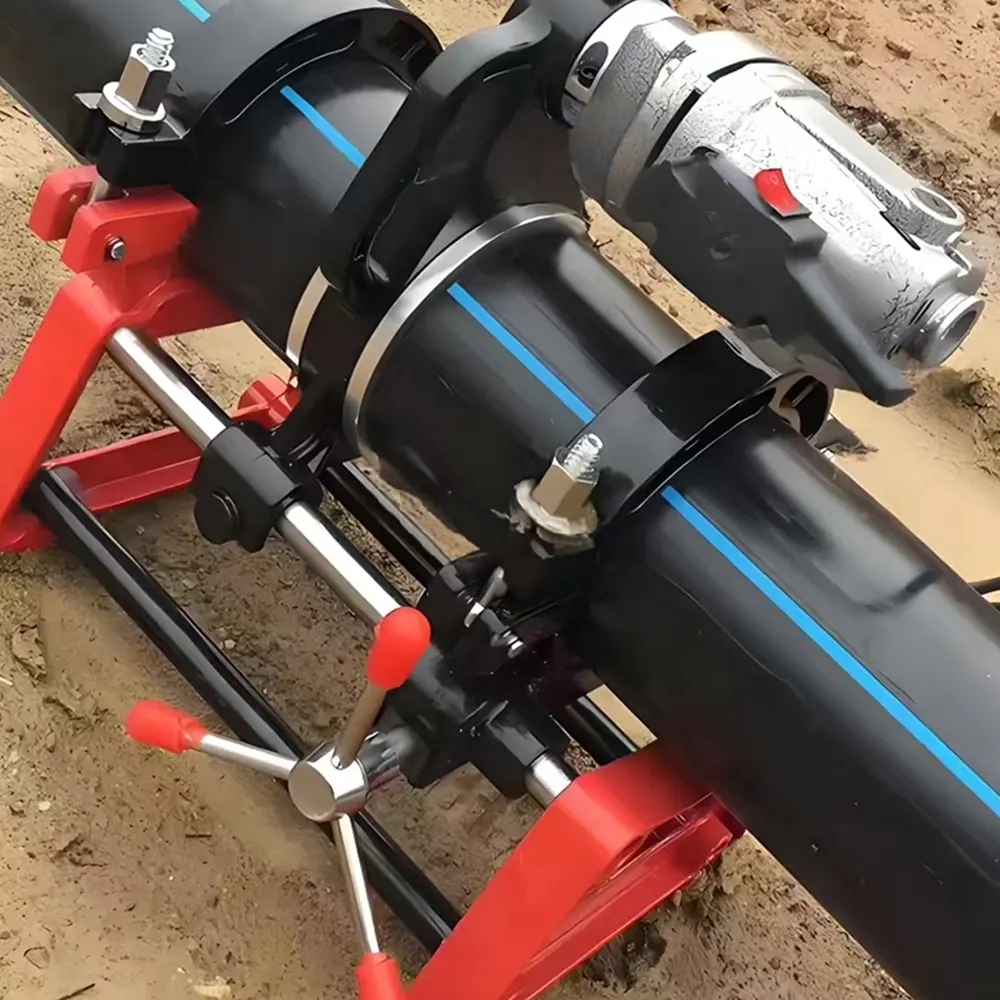
A modern butt fusion machine is a good example of how industrial equipment can move toward greener production and operation. When the machine is engineered for precision, durability, and lower energy waste, it helps project teams complete high-quality welds while using fewer consumables and less rework.
What Green Manufacturing Means in Welding Equipment
Green manufacturing refers to production methods that aim to reduce environmental impact throughout the full life cycle of a product. For welding equipment, this includes material selection, part processing, assembly, testing, packaging, logistics, use, and end-of-life recycling. The goal is not only to build machines that work well, but to build them responsibly.
Key idea: green manufacturing is about doing more with less — less energy, less waste, less material loss, and less environmental damage, while still delivering reliable industrial performance.
In welding equipment manufacturing, this can mean using precision machining to reduce scrap, selecting durable components to extend machine service life, and optimizing assembly workflows to avoid unnecessary energy consumption. It also means improving quality control so defective units do not reach the market and create avoidable waste later.
Why Green Manufacturing Matters for the Welding Industry
The welding industry supports critical infrastructure, so any improvement in efficiency and sustainability has a wide impact. When equipment manufacturers reduce resource consumption during production, they help lower the overall carbon footprint of pipeline construction and maintenance. This matters to contractors, distributors, and end users who now face stronger expectations for environmental responsibility.
It also matters financially. Green manufacturing often leads to better process control, fewer defects, and lower operating costs. These advantages can be passed on through longer-lasting products, easier maintenance, and better project reliability. In many cases, sustainability and productivity move in the same direction.
Important: a greener manufacturing process does not mean sacrificing performance. In fact, stable production systems, accurate machining, and strict testing usually improve both sustainability and welding quality.
How JQ-Fusion Reflects Green Manufacturing Principles
JQ-Fusion is a professional manufacturer specializing in HDPE pipe welding machines and butt fusion solutions for global pipeline projects. With over 20 years of industry experience, the company focuses on manual, hydraulic, and CNC automatic butt fusion welding machines for pipe diameters ranging from small to large sizes. This kind of product range supports efficient project planning and reduces the need for multiple incompatible equipment types.
The company’s manufacturing capability is built around advanced production lines and precision machining equipment. This is important for green manufacturing because accurate processing reduces material waste and improves machine consistency. A stable machine is more efficient in the field, and a more efficient machine means fewer failures, fewer repairs, and less environmental burden over time.
Eco-efficiency benefit: when a machine is manufactured with precise alignment, stable pressure control, and accurate temperature management, it uses resources more effectively both in production and in real welding jobs.
Advanced Manufacturing Technology
Modern production lines help reduce manual errors and material loss. In welding equipment manufacturing, that means tighter tolerances, cleaner component fitting, and fewer rejected parts. Precision technology also supports consistency across large production volumes, which is essential for serving global markets without wasting energy or resources.
Strict Quality Control
Each machine undergoing temperature accuracy checks, hydraulic pressure stability testing, and clamp alignment inspection helps ensure the final product performs correctly the first time. This reduces the need for rework and warranty-related waste. It also prevents low-quality equipment from entering long pipeline projects where repair costs can become very high.
Flexible OEM & ODM Customization
Customization is also part of sustainability. When clients can choose machine size, voltage, color, branding, and project-specific configurations, they receive equipment that matches their real needs instead of oversized or mismatched models. Better fit means less energy waste, better transport efficiency, and more practical long-term use.
The Role of Durability in Green Manufacturing
One of the most sustainable things a manufacturer can do is build equipment that lasts. Durable welding machines reduce replacement frequency and lower the total amount of material that must be produced, shipped, and disposed of over time. In heavy-duty pipeline environments, durability is not a luxury; it is a major sustainability factor.
JQ-Fusion emphasizes stable welding performance, customized solutions, strict quality assurance, fast delivery, and professional technical support. These service elements matter because a machine that is supported properly stays useful longer. When operators can access guidance, spare parts, and installation help, they are less likely to discard equipment prematurely.
In practice: durability reduces replacement cycles, and longer replacement cycles reduce manufacturing demand, packaging waste, transport emissions, and disposal pressure.
Energy Efficiency in Butt Fusion Welding
Energy efficiency is a central topic in green manufacturing because welding equipment often operates in demanding conditions for long periods. A well-designed butt fusion machine should heat accurately, maintain steady pressure, and complete joints efficiently without excessive power loss. Good control systems help prevent overheating, unnecessary idling, and wasted energy during each cycle.
In the field, efficient welding reduces the number of failed joints and repair operations. That means less repeat work, fewer pipe material losses, and lower fuel or electricity use at the project site. For large infrastructure projects, even small efficiency gains can create meaningful environmental and economic benefits.
- Stable temperature control helps avoid overheating and energy waste.
- Accurate hydraulic pressure improves joint quality and reduces rework.
- Optimized machine design supports efficient power usage during operation.
Sustainable Supply Chains and Faster Delivery
Green manufacturing is not limited to what happens inside the factory. Supply chain management also plays a large role. JQ-Fusion maintains a large and well-organized inventory of key models to support fast delivery for both small and bulk orders. This reduces project delays and can help minimize unnecessary shipping cycles caused by poor planning or repeated ordering.
For global contractors, faster delivery means better scheduling and less idle time on site. In practical terms, that can reduce machine transport frequency, lower storage pressure, and help projects use labor and equipment more efficiently. Sustainability often improves when supply systems are organized, transparent, and predictable.
Business value: a streamlined supply chain is not only greener, it also increases reliability for contractors working under tight project deadlines.
Certifications, Compliance, and Global Trust
Green manufacturing also depends on trust. Products manufactured in compliance with international standards and certified by organizations such as SGS give customers confidence in safety and reliability. When equipment meets recognized standards, users are less likely to experience failures that lead to waste, replacement, or unsafe operations.
For pipeline projects, certification helps ensure that welding equipment can support consistent performance in demanding environments. It also signals that the manufacturer is serious about process control, quality assurance, and responsible production practices.
What Contractors and Distributors Should Look For
When selecting welding equipment, buyers should think beyond the initial purchase price. Green manufacturing features often show up in long-term benefits such as lower energy use, fewer repairs, longer machine life, and better project efficiency. Distributors should also consider how a manufacturer handles customization, technical support, and inventory management.
A strong supplier should be able to provide stable welding performance, tailored product configurations, professional training, and reliable after-sales service. These factors make a major difference in how sustainably the equipment performs across its life cycle.
Buyer checklist: durability, precision, energy efficiency, certification, support, and customization all contribute to greener welding operations.
The Future of Green Manufacturing in Welding Equipment
The future of welding equipment manufacturing will likely focus on smarter design, lower energy consumption, and better use of recyclable materials. Digital control systems, improved machining accuracy, and more efficient logistics will continue to reduce the environmental footprint of industrial equipment. At the same time, customers will keep demanding machines that are easier to operate, easier to maintain, and more reliable in the field.
Manufacturers that invest in green processes today will be better prepared for tomorrow’s standards. They will also be more attractive to contractors who want dependable equipment from suppliers that understand both performance and responsibility. In this sense, green manufacturing is not just a trend. It is a long-term competitive advantage.
Bottom line: green manufacturing in welding equipment matters because it connects sustainability with real industrial value — better products, lower waste, stronger supply chains, and more efficient pipeline construction.
Frequently Asked Questions
1. What is green manufacturing in welding equipment?
It is the practice of designing and producing welding machines in ways that reduce waste, save energy, improve durability, and lower environmental impact across the product life cycle.
2. Does green manufacturing affect welding quality?
Yes. Better process control, precision machining, and strict testing often improve welding stability, consistency, and final joint quality.
3. Why is durability important for sustainability?
Durable machines last longer, need fewer replacements, and reduce the amount of material and energy required over time.
4. How can buyers identify a greener welding machine?
Look for efficient power use, accurate control systems, strong quality assurance, certification, customization options, and reliable after-sales support.
5. Why does green manufacturing matter for pipeline projects?
It helps reduce rework, improve equipment reliability, lower operating costs, and support more sustainable infrastructure development.



