
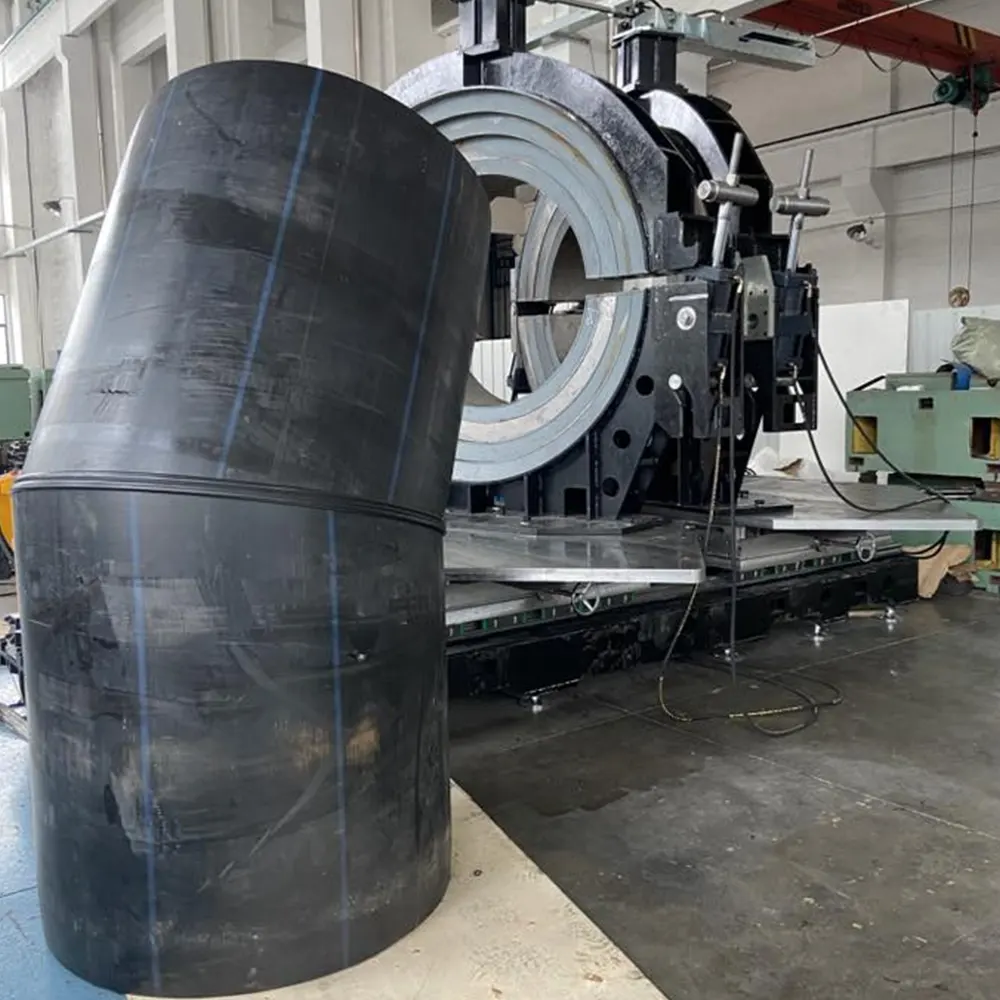
Butt fusion welding is one of the most trusted methods for joining thermoplastic pipes, especially HDPE pipelines used in water supply, gas distribution, mining, and industrial systems. When done correctly, it creates a permanent, leak-free, and highly durable joint that performs almost like the original pipe itself.
For contractors, distributors, and project engineers, understanding what butt fusion welding is and how it works can help improve installation quality, reduce maintenance risks, and choose the right butt fusion machine for the job. If you want to explore professional equipment options, you can visit JQ-Fusion for more details.
⚠ Key idea: butt fusion welding does not rely on glue, threads, or mechanical fittings. Instead, it uses heat and pressure to fuse two pipe ends into one continuous structure.
What Is Butt Fusion Welding?
Butt fusion welding is a thermal joining process used mainly for polyethylene pipes and fittings. The pipe ends are first aligned, then heated with a special plate until they become soft. After that, the heating plate is removed, and the two molten ends are pressed together under controlled pressure. Once cooled, the result is a single, strong joint.
This method is widely used because it delivers excellent sealing performance and long-term reliability. In many pipeline projects, a properly made butt fusion joint can match the strength and chemical resistance of the pipe material itself.
Why it matters: a good fusion joint reduces leakage risk, minimizes pressure loss, and supports long service life in demanding environments.
How Does Butt Fusion Welding Work?
The process is simple in theory, but it requires precision in practice. Each stage must be carefully controlled to ensure the pipe ends melt evenly and fuse properly.
1. Clamping and Alignment
The two pipe sections are placed in the machine and clamped securely. Accurate alignment is essential because even a small offset can weaken the final joint. Most modern machines use rigid frames and precise clamps to keep the pipe ends centered.
2. Facing the Pipe Ends
A facing tool trims the pipe ends so they are flat, smooth, and perfectly square. This step removes oxidation, dirt, and surface irregularities, helping the molten material fuse evenly.
3. Heating
The heating plate is inserted between the pipe ends. Both surfaces are pressed against the hot plate for a set time until they reach the correct melting condition. Temperature control is critical here. If the temperature is too low, fusion will be weak; if it is too high, the material may degrade.
4. Changeover
After heating, the plate is removed quickly, and the pipe ends are brought together. This step must be fast and controlled to avoid heat loss and contamination.
5. Fusion and Cooling
The pipe ends are pressed together under the recommended fusion pressure. A bead forms at the joint, showing that material has flowed correctly. The joint is then held in place while it cools and solidifies. Cooling time is just as important as heating time because premature movement can damage the weld.
Important: pressure, temperature, and timing must work together. If one factor is wrong, the weld quality may be compromised.
Main Components of a Butt Fusion Machine
A professional butt fusion machine is designed to control the entire welding process accurately. Although configurations vary, most machines include the following core parts:
• Frame and clamps: hold pipes firmly and ensure alignment
• Facing tool: trims pipe ends for a clean mating surface
• Heating plate: provides controlled heat for melting the pipe ends
• Hydraulic unit: supplies stable pressure during fusion
• Control system: helps monitor temperature, pressure, and timing
At JQ-Fusion, machines are produced with modern manufacturing equipment and strict quality control to support stable performance in real-world pipeline applications. You can learn more through the official website.
Where Butt Fusion Welding Is Used
Butt fusion welding is common in many industries because thermoplastic pipelines must remain secure under pressure and environmental stress. Typical application areas include:
Typical project sectors: water supply systems, gas distribution networks, mining pipelines, irrigation projects, industrial fluid transport, and municipal infrastructure.
In these environments, reliability is essential. A weak connection can lead to leaks, service interruptions, or expensive repairs. That is why many project teams prefer fusion-welded joints over mechanical alternatives.
Advantages of Butt Fusion Welding
Butt fusion welding offers several major benefits that explain its global popularity.
1. High joint strength: the welded area becomes a continuous part of the pipe structure.
2. Leak-free performance: there are no seals or threads that can loosen over time.
3. Corrosion resistance: HDPE and similar thermoplastics perform well in aggressive environments.
4. Low maintenance: once installed correctly, the joint requires minimal attention.
5. Long service life: properly fused pipes can support years of reliable operation.
For large infrastructure projects, these benefits can translate into lower total lifecycle cost and fewer shutdowns.
Different Types of Butt Fusion Welding Machines
The best machine depends on pipe size, project scale, and automation needs. Common categories include:
Manual butt fusion machines are suitable for smaller jobs and simpler site conditions. Hydraulic butt fusion machines offer better pressure control and are ideal for medium to large pipe diameters. CNC automatic butt fusion machines provide highly accurate control, repeatability, and better efficiency for demanding professional projects.
JQ-Fusion supplies manual, hydraulic, and CNC automatic models to cover a wide range of pipe diameters and job requirements. This flexibility helps contractors choose equipment that matches their operating budget and technical standards.
Quality Control and Welding Reliability
Even the best welding method can fail if the machine is not accurate. That is why quality control is so important in butt fusion equipment manufacturing. Reliable machines should deliver stable temperature, consistent hydraulic pressure, and precise clamp alignment.
At JQ-Fusion, every machine undergoes comprehensive inspection before delivery. This includes testing for temperature accuracy, pressure stability, and clamping precision. Such attention to detail helps ensure stable welding performance on site.
Pro tip: always verify machine calibration before starting a project, especially when working on critical pipeline systems.
OEM, ODM, and Project Customization
Many buyers need more than standard equipment. They may require custom voltage, branding, colors, machine dimensions, or specialized configurations for unique project requirements. That is where OEM and ODM services become valuable.
With flexible customization, manufacturers can help distributors build a stronger market identity and help contractors get equipment that fits their exact operational needs. JQ-Fusion provides customized solutions for different pipeline scenarios, including design optimization and functional upgrades.
To see how customization can support your business, you can check JQ-Fusion’s product solutions.
How to Choose the Right Butt Fusion Machine
Selecting the right machine depends on practical project needs rather than price alone. Consider the following points:
• Pipe diameter range: make sure the machine supports your current and future job sizes.
• Power requirements: confirm voltage compatibility for site conditions.
• Control precision: choose manual, hydraulic, or CNC based on your accuracy needs.
• After-sales support: technical guidance and spare parts matter for long-term use.
• Delivery speed: reliable inventory and shipping can keep projects on schedule.
For many buyers, the ideal choice is a machine that balances welding quality, operating efficiency, and service support.
Why JQ-Fusion Is a Strong Choice
JQ-Fusion focuses on HDPE pipe welding machines and supports global pipeline projects with reliable equipment and technical services. With more than 20 years of industry experience, the company has built a solid reputation for manufacturing durable and customizable welding solutions.
Its advantages include advanced manufacturing technology, strict quality checks, OEM and ODM flexibility, fast delivery, and professional support. The product range includes hydraulic butt fusion welding machines, automatic butt fusion welding machines, electrofusion welding machines, and multi-angle pipe fitting welding machines.
Best for: contractors, distributors, and engineering teams looking for stable performance and dependable international supply.
Conclusion
Butt fusion welding remains one of the most effective ways to join thermoplastic pipes in modern infrastructure. It combines heat, pressure, and precision to create strong, long-lasting joints that can handle demanding service conditions.
When the process is supported by a high-quality butt fusion machine, proper operator training, and strict process control, the result is a reliable pipeline system with excellent sealing performance and low maintenance needs. For companies seeking professional equipment and global support, JQ-Fusion offers a practical and experienced solution.
FAQ
Q1: What materials are commonly joined by butt fusion welding?
It is mainly used for HDPE and other thermoplastic pipes and fittings.
Q2: Is butt fusion welding stronger than mechanical joining?
In many cases, yes. A properly fused joint can be extremely strong and leak-resistant.
Q3: What is the most important factor in butt fusion welding?
Temperature, pressure, and timing must all be controlled accurately.
Q4: Can butt fusion machines be customized?
Yes. Many manufacturers offer OEM and ODM customization for size, voltage, design, and branding.
Q5: Where can I learn more about professional butt fusion machines?
You can visit JQ-Fusion to explore product details and support options.



