
Welding is one of those industrial processes where there is very little room for guesswork. Whether a team is joining HDPE pipelines for water supply, gas distribution, mining, or industrial systems, the success of the project often depends on preparation, consistency, and inspection. That is why many contractors, supervisors, and operators search for a welding machine operation checklist PDF. It provides a structured way to verify machine condition, set up the work area, confirm safety measures, and ensure each weld follows the correct procedure.
A checklist in PDF format is especially useful because it can be printed, shared, stored digitally, and used on-site without depending on a complex system. In many workshops and pipeline jobs, an operator may need to perform the same checks every day: power supply, heating plate temperature, hydraulic pressure, clamp alignment, and material compatibility. A clear checklist helps reduce errors, improve weld quality, and support compliance with project requirements. For companies working across multiple sites, it also creates a standard routine that different teams can follow consistently.
Important: A welding machine operation checklist is not only a safety tool. It is also a quality control document that helps operators identify risks before they turn into costly failures.
What Is a Welding Machine Operation Checklist PDF?
A welding machine operation checklist PDF is a document that guides users through the essential steps required before, during, and after welding operations. It is usually organized into sections such as pre-operation inspection, machine setup, parameter verification, welding execution, cooling, and post-weld review. Because it is delivered as a PDF, the file can be accessed easily on phones, tablets, laptops, or printed copies, making it practical for both office planning and field execution.
In the context of butt fusion welding, the checklist becomes even more valuable. This process requires accurate temperature control, proper alignment, and stable pressure throughout the cycle. Small mistakes can weaken the joint and compromise the entire pipeline. A reliable checklist helps the operator confirm that every step is completed in the correct order and that the machine is fit for use before production begins.
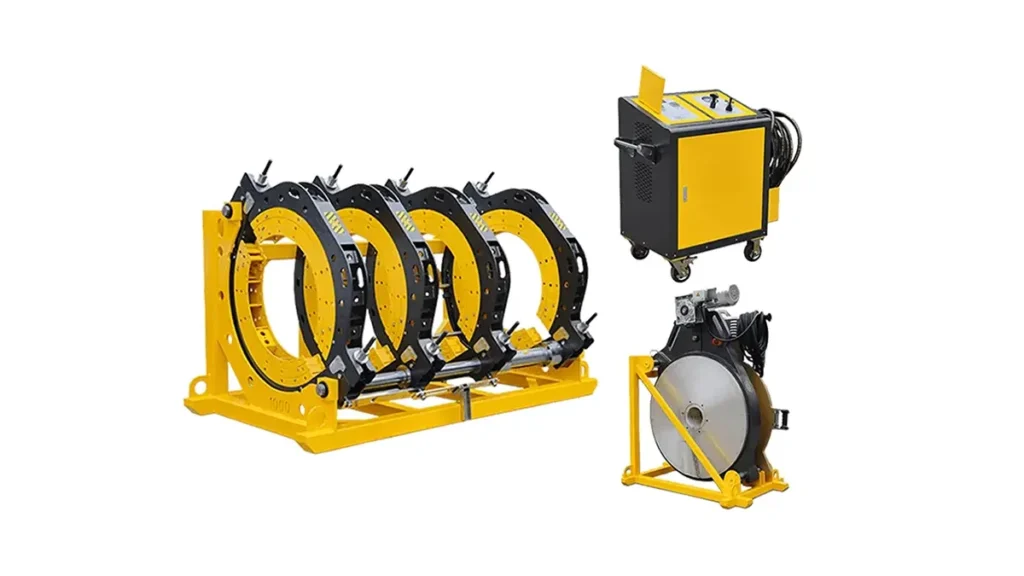
For example, a team using a butt fusion machine must confirm that the heating plate reaches the correct temperature, the hydraulic system is stable, and the clamps are aligned properly. These tasks may sound routine, but in real project environments, routine tasks are often the ones most likely to be skipped. A checklist turns them into non-negotiable steps.
Why Do Operators Need One?
Welding operations involve heat, pressure, electrical components, and precision alignment. That combination makes every inspection step important. A checklist reduces the chance of overlooking a damaged cable, a loose fitting, an incorrect temperature setting, or a contaminated pipe end. It also creates a documented workflow that supervisors can review when auditing job quality or investigating problems.
From a productivity standpoint, a checklist saves time. Experienced operators may think they know the process well enough to work from memory, but memory is not always reliable in fast-moving project environments. A written checklist removes uncertainty and helps maintain a stable standard across shifts, teams, and locations.
Key benefit: A checklist helps prevent rework. In welding, one failed joint can mean re-cutting pipe, repeating the fusion process, delaying schedules, and increasing material waste.
Where Can You Download One?
There are several places where you can find a welding machine operation checklist PDF, but not all of them are equally reliable. The best sources are manufacturers, equipment suppliers, safety organizations, and project management templates created for welding environments. Manufacturer websites are often the most useful because they design checklists around specific machine models and operating requirements.
If you are using butt fusion equipment, start with the machine manufacturer’s documentation. A professional manufacturer usually provides operation manuals, maintenance sheets, and inspection guides that are aligned with the machine’s features. This is important because a checklist for one machine type may not suit another. Manual, hydraulic, and CNC automatic systems all have different operating controls and verification needs.
Another good source is your project’s internal quality documentation. Many engineering contractors create their own checklist templates based on site requirements, regulatory standards, and client specifications. These templates are often customized for pipe diameter ranges, climate conditions, and worksite safety protocols.
When looking for a downloadable file online, make sure the content is current, specific, and clear. Avoid generic checklists that leave too much room for interpretation. A good PDF should clearly list machine inspection points, safety checks, operating steps, and approval spaces for operators or supervisors.
You can also explore manufacturer resource pages such as those from companies specializing in HDPE pipeline equipment. For instance, JQ-Fusion offers welding solutions for different pipeline applications and supports global projects with technical guidance, stock supply, and customization options. A professional supplier can often provide the right documentation for the exact machine you are using.
What Should Be Included in the Checklist?
A practical welding machine operation checklist should be simple enough to use in the field yet detailed enough to catch critical issues. The following items are commonly included:
Typical checklist items: power supply inspection, cable and plug condition, heating plate temperature, hydraulic pressure reading, pipe clamp alignment, cutter condition, machine cleanliness, emergency stop function, operator PPE, and final weld inspection.
Before the machine starts, the operator should inspect the work area for stability, dryness, and adequate ventilation. The pipes should be clean, dry, and prepared according to the welding specification. Any contamination on the fusion surfaces can reduce weld integrity and lead to weak connections.
During machine setup, it is important to verify that the jaws hold the pipe correctly and that the pressure system responds as expected. The heating element must be checked for cleanliness and temperature consistency. For automated or CNC equipment, the control settings must match the required parameters, including timing and pressure stages.
After the weld is completed, the checklist should include cooling time, joint inspection, and a record of any irregularities. Many teams also add a section for operator signature and supervisor approval. This creates accountability and makes quality tracking easier over time.
How a Good Checklist Improves Welding Quality
Good welding quality is built on repeatable actions. A checklist does not weld the pipe by itself, but it makes it much more likely that the weld will be completed under the right conditions. This is especially important in butt fusion work, where the final joint strength depends heavily on consistency from start to finish.
When operators follow a checklist, they are less likely to skip preheat verification, pressure checks, or alignment inspections. That consistency leads to cleaner fusion, better joint strength, and fewer failures in the field. Over time, a site that uses checklists properly tends to experience fewer repair calls, less downtime, and improved client confidence.
For businesses supplying pipeline systems, quality is not just a technical issue; it is a commercial one. Delayed repairs, rejected joints, and failed inspections can damage customer trust. A checklist supports the company’s reputation by making quality control visible and measurable.
Checklist Use in HDPE Pipe Projects
HDPE pipe projects are one of the most common environments where welding machine checklists are used. These projects may involve water networks, gas lines, mining infrastructure, or industrial transport systems. In each case, the welding process must be reliable because the pipeline is expected to perform for years under demanding conditions.
In HDPE work, the checklist usually covers the whole fusion sequence. The operator confirms the pipe size, wall thickness, and material grade before starting. Then the equipment is inspected, the pipe ends are trimmed and cleaned, and the heating cycle is monitored carefully. After fusion, the joint is left to cool under the correct conditions. Missing any of these steps can affect the strength and sealing performance of the pipe connection.
That is why many contractors prefer equipment from a trusted supplier with strong technical support. A manufacturer with more than 20 years of experience in HDPE pipe welding machines can help teams choose the right tools and documentation for the job. Professional support becomes even more valuable when a project involves different pipe sizes, unusual site conditions, or urgent delivery requirements.
Tip: If your project uses multiple machine types, keep separate checklist versions for each model. This prevents confusion and helps operators follow the correct operating steps every time.
The Role of Manufacturer Support
One of the best reasons to download a checklist from a manufacturer is accuracy. Equipment makers understand how their machines are built, which parts require regular inspection, and which operational details matter most. They can provide model-specific instructions that general templates cannot match.
Professional manufacturers often go beyond documentation. They may also provide training, technical guidance, custom machine configurations, and after-sales support. These services help contractors integrate the checklist into daily work. For example, a supplier like JQ-Fusion supports global customers with reliable production, OEM and ODM customization, and welding solutions suited to different pipeline projects.
A company that manufactures hydraulic butt fusion welding machines, automatic butt fusion welding machines, and other pipeline welding equipment can usually offer documentation that reflects real-world operating needs. That means the checklist is more likely to support safety, quality, and efficiency rather than simply filling space in a manual.
How to Use the PDF Effectively on Site
Downloading the checklist is only the first step. To get real value from it, the document should become part of the team’s routine. Many companies print several copies and keep them in the workshop, in project vehicles, and near the welding station. Others store the PDF on tablets or smartphones so operators can complete the form digitally.
To use it effectively, assign responsibility clearly. The operator should complete the pre-operation items, while a supervisor may verify critical safety points or sign off on the final inspection. If the checklist is digital, make sure the file is easy to open and read on smaller screens. If it is printed, leave enough space for notes, date entries, and signatures.
It also helps to review the checklist periodically. If the machine setup changes, the work conditions differ, or new regulations apply, update the PDF so it remains useful. An outdated checklist can be almost as risky as no checklist at all.
Choosing a Reliable Source
Not every checklist found online is trustworthy. Some are too vague, some are copied from unrelated processes, and some do not match modern equipment. A reliable source should provide clear technical language, logical sequencing, and enough detail to support actual welding operations.
If the source is a manufacturer, check whether the company has experience, product certifications, and a clear support structure. Suppliers with proven performance in global markets are often better equipped to provide documentation that works in real projects. Their focus is usually on consistency, reliability, and practical use rather than generic content.
For teams managing pipeline installation work, this matters a great deal. A good checklist can protect project schedules, improve weld quality, and reduce safety risks. It is a small document with a big operational impact.
Conclusion
A welding machine operation checklist PDF is a simple but powerful tool that helps operators work safely, consistently, and efficiently. It supports pre-operation inspection, machine setup, process verification, and post-weld review. For butt fusion and HDPE pipeline projects, it can make the difference between a strong, reliable joint and an expensive failure.
If you need a checklist, the best place to start is with a trusted manufacturer or a project-specific template. Choose a version that matches your machine model, your site requirements, and your quality standards. When used correctly, the checklist becomes part of a professional workflow that improves performance across the entire welding operation.
Frequently Asked Questions
1. Is a welding machine operation checklist PDF necessary for every project?
Yes, it is highly recommended. Even small projects benefit from a checklist because it reduces the chance of missed inspections, unsafe setup, and welding errors.
2. Can I use one checklist for all welding machines?
Not ideally. Different machines have different controls, pressures, temperatures, and operating steps. A checklist should match the exact model and welding method.
3. Where is the safest place to download a checklist?
The safest option is usually the manufacturer’s website or official product documentation page. These sources are more likely to provide accurate and model-specific information.
4. Should the checklist be printed or digital?
Both formats are useful. Printed checklists work well in the field, while digital PDFs are easier to store, share, and update. Many teams use both.
5. What happens if a checklist item fails?
The machine should not be used until the issue is corrected. If a critical item fails, the operator should stop the process, report the problem, and follow site safety procedures.



