
Temperature control is one of the most critical factors in welding quality. Whether you are working with plastic pipe systems, industrial fabrication, or pipeline installation, unstable heat can quickly lead to weak joints, poor fusion, distortion, or complete weld failure. Understanding how to fix temperature control issues in welding is not only a matter of improving productivity, but also a key step toward ensuring safety, consistency, and long-term performance.
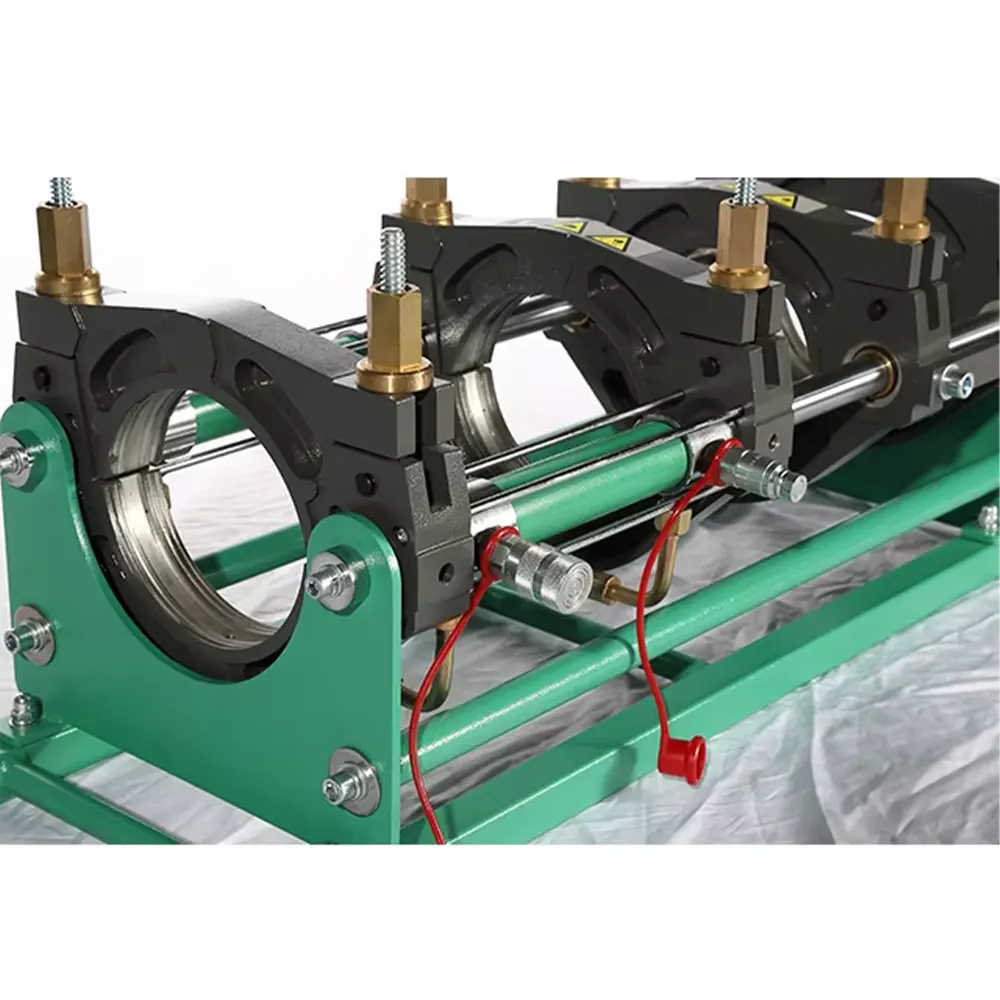
In real-world welding operations, temperature problems usually do not come from one single cause. They are often the result of machine calibration errors, worn heating elements, inconsistent power supply, poor operator technique, or environmental changes. For fusion welding projects, especially in water supply, gas distribution, and mining pipelines, the heating process must be stable and accurate. That is why many professional contractors choose reliable equipment such as a butt fusion machine to maintain repeatable results across different job sites.
When the temperature is too low, materials may not melt properly and the fusion layer will remain weak. When the temperature is too high, the weld can become brittle, over-softened, or deformed. In both cases, the joint loses strength. The best way to solve these issues is to identify the cause step by step, inspect the welding setup carefully, and apply corrective actions before continuing production.
Why Temperature Control Matters in Welding
Every welding method depends on heat in a different way, but the basic principle is the same: the material must reach the correct temperature window and stay there long enough for proper bonding. In butt fusion welding, this is especially important because the pipe ends must be heated evenly before being pressed together. If the temperature is unstable, the final seam may look acceptable on the surface while hiding internal weakness.
Good temperature control improves:
🔥 Joint strength by ensuring proper molecular fusion
🔥 Weld consistency across multiple pipes and operators
🔥 Production efficiency by reducing rework and scrap
🔥 Project safety by lowering the risk of leaks and failures
Common Signs of Temperature Control Problems
Before fixing a welding issue, you need to recognize the warning signs. Temperature-related defects often appear in several ways. You may notice uneven bead formation, excessive smoke, discoloration, poor material flow, or a joint that separates under stress. In pipe fusion work, the finished bead may appear too thin, too thick, or uneven on one side.
Other common signs include:
✔ Inconsistent heating across the weld surface
✔ Material sticking to the heater plate
✔ Heating plate showing unusual hot spots
✔ Temperature display fluctuating frequently
✔ Welds passing visual checks but failing pressure tests
If these symptoms appear repeatedly, the cause may be deeper than a simple setting error. The machine, the environment, and the process itself all need to be examined.
Step 1: Check the Temperature Setting First
The first and simplest step is to verify whether the machine is set to the correct temperature. Many welding machines allow the operator to enter a specific target value, but the displayed number is not always the same as the actual heater temperature. If the setting is too low or too high, the weld will be affected immediately.
For thermoplastic pipe fusion, the heating plate must be within the recommended operating range specified by the manufacturer. Always compare the machine setting with the material requirements. Different pipe sizes, wall thicknesses, and material grades may require slightly different heat cycles. Never rely on habit alone, because even small deviations can change the final result.
Important: Do not assume that a machine reading is accurate just because it appears stable. Always confirm the actual surface temperature using a calibrated measuring device when precision matters.
Step 2: Inspect the Heating Element and Plate Surface
A damaged or contaminated heating element is a very common cause of temperature inconsistency. Over time, residues, oxidation, scratches, or uneven wear can create hot and cold zones across the plate. When this happens, one section of the pipe heats faster than another, resulting in an uneven weld.
Inspect the plate surface for visible defects. Clean it carefully according to the equipment guidelines. If the coating is worn out or the surface is no longer flat, the heating plate may need to be repaired or replaced. A reliable machine should deliver even heat distribution from edge to edge.
In professional production environments, this inspection should be part of routine maintenance. A stable heating plate helps ensure that every operation starts from a known condition instead of a guessed one.
Step 3: Verify Calibration and Sensor Accuracy
Temperature sensors can drift over time, especially in machines used frequently on demanding job sites. If the controller shows 200°C but the actual plate surface is 185°C, weld quality will suffer even though the display seems normal. This is why calibration is essential.
Use a trusted reference thermometer or contact probe to compare actual readings with the machine’s display. If the difference is too large, recalibrate the system according to the manufacturer’s instructions. In some cases, the controller, sensor, or wiring may need replacement.
For operators managing multiple project locations, periodic calibration should never be skipped. Stable temperature depends on more than just setting a number; it depends on whether the machine can truly deliver that number consistently.
Step 4: Review Power Supply Stability
Unstable electricity can create major temperature fluctuations. Voltage drops, weak connections, overloaded circuits, and damaged cables may cause the heater to underperform. On remote sites, this problem is even more common because the power source may not be designed for continuous industrial use.
Check the input power carefully. Make sure the machine is connected to a suitable supply and that extension cables are properly rated. Loose plugs or corroded terminals can also reduce power transfer and cause heat loss. If temperature rises slowly or drops unexpectedly during operation, the power system should be one of the first things inspected.
For large projects, using equipment with stable control systems can make a significant difference. This is one reason contractors often look for dependable solutions from manufacturers with strong production and testing processes, such as JQ-Fusion, which supports HDPE welding equipment for global pipeline applications.
Step 5: Control the Welding Environment
Environmental conditions can influence welding temperature more than many people realize. Wind, rain, low ambient temperature, dust, and humidity can all affect heat transfer. In cold weather, the pipe and heater may lose heat too quickly. In hot weather, overheating can happen faster than expected.
To reduce these risks, create a controlled working area whenever possible. Shield the welding zone from wind, keep surfaces clean and dry, and allow materials to acclimate before welding. If the site is exposed, consider using protective barriers or temporary enclosures to improve consistency.
Environment-related problems are especially important in outdoor pipeline work. A machine may be perfectly calibrated, but poor working conditions can still produce unstable results if the heat cannot be maintained.
Step 6: Standardize Operator Technique
Even the best machine cannot compensate for poor technique. Inconsistent operator timing, irregular pressure application, or delayed transfer from heating to joining can all change the final temperature effect on the material. When welders work differently from one shift to another, the results often become unpredictable.
Training is one of the most effective ways to fix these issues. Operators should understand heating time, removal time, joining speed, and cooling time. They should also follow the same procedure every time, especially when working with identical pipe sizes. A standardized method reduces human error and makes troubleshooting much easier.
💡 Best practice: Record the temperature, heating duration, ambient conditions, and operator name for each weld. This makes recurring problems easier to trace.
Step 7: Examine Pressure and Clamp Alignment
Temperature control problems are sometimes linked to pressure-related issues. If the clamps are misaligned or the pipe ends are not held correctly, the heating surface contact may be uneven. This can make one side of the material heat faster than the other side.
Check whether the pipe is properly aligned before heating begins. Verify that the clamps hold the material securely without distortion. In butt fusion welding, accurate alignment is essential because the heater plate must touch both pipe ends evenly. If alignment is poor, the weld face will not form correctly even when the temperature reading is correct.
Well-designed machines from manufacturers like JQ-Fusion are often tested for clamp alignment, hydraulic pressure stability, and temperature accuracy so that these variables stay within a reliable working range.
Step 8: Maintain the Machine Regularly
Preventive maintenance is the most reliable way to avoid temperature control failures. Regular cleaning, inspection, and replacement of worn parts help keep the machine stable over time. Heating units, sensors, cables, connectors, and control modules should all be checked according to the service schedule.
A well-maintained welding machine is easier to trust in the field. It starts faster, heats more evenly, and provides better repeatability. For companies handling high-volume projects, maintenance should be treated as part of production planning rather than as an afterthought.
JQ-Fusion’s product development and quality control approach reflects this principle by focusing on durability, stable performance, and long service life for different pipe welding applications.
How to Prevent Temperature Issues Before They Start
The best repairs are the ones you never need. Preventing temperature problems begins with choosing the right machine, training operators properly, and setting up a disciplined inspection process. If your welding tasks are frequent and project standards are strict, equipment quality matters just as much as operating skill.
A practical prevention plan should include:
★ Routine calibration checks
★ Cleaning after each shift
★ Operator training and refreshers
★ Power supply inspection before work begins
★ Replacement of worn heating components
★ Proper storage in dry, protected areas
When these habits become part of daily work, temperature control becomes much more reliable, and the entire welding process becomes easier to manage.
Why Equipment Quality Makes a Difference
Some temperature problems are caused by poor-quality equipment that cannot hold a stable reading or distribute heat evenly. In professional pipeline projects, the machine must perform repeatedly under pressure, often in difficult environments. A low-cost system may work for a short period, but if it cannot maintain accuracy, the long-term cost becomes much higher.
That is why buyers often look for manufacturers with proven experience, strict testing, and customizable solutions. JQ-Fusion, for example, provides butt fusion welding machines for various pipeline needs, including manual, hydraulic, and CNC automatic models. Its focus on temperature accuracy, hydraulic stability, and clamp inspection supports better welding reliability in real projects.
Conclusion
Fixing temperature control issues in welding requires a systematic approach. Start with the temperature setting, then inspect the heating element, verify calibration, review power supply stability, and control the working environment. At the same time, improve operator consistency and machine maintenance so that problems do not return.
When all these elements work together, weld quality becomes more predictable, defects decrease, and project reliability improves. For pipeline applications that depend on strong and consistent fusion results, temperature control is not a small detail. It is the foundation of a successful weld.
Frequently Asked Questions
Q1: Why does my welding machine show the correct temperature but still produce poor welds?
A: The display may be accurate while the actual surface temperature is not. Sensor drift, hot spots, poor calibration, or dirty heating plates can cause this mismatch.
Q2: How often should I calibrate temperature on a welding machine?
A: It depends on usage frequency and project requirements, but regular calibration should be part of routine maintenance, especially for industrial and pipeline work.
Q3: Can cold weather affect welding temperature control?
A: Yes. Cold conditions can reduce heat retention and make the material cool too quickly, which affects fusion quality and weld consistency.
Q4: What is the most common cause of unstable welding temperature?
A: Common causes include faulty sensors, worn heating elements, unstable power supply, and poor machine maintenance.
Q5: How can I improve temperature consistency on site?
A: Use properly calibrated equipment, protect the work area from wind and moisture, train operators consistently, and inspect the machine before every shift.



