
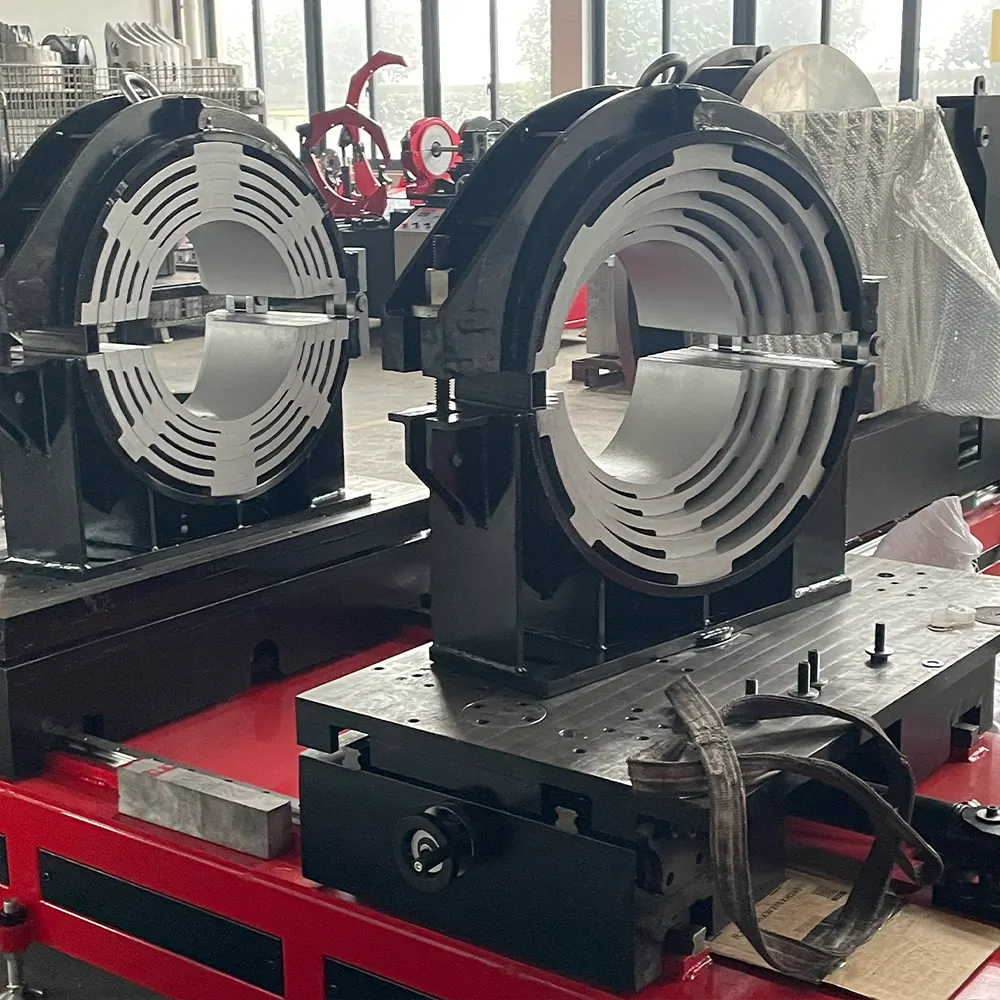
In modern pipeline construction, the demand for dependable joining technology has never been higher. Whether a project involves municipal water supply, gas distribution, mining, or industrial fluid transport, the quality of each joint directly affects the safety, durability, and long-term performance of the entire pipeline system. This is where the butt fusion machine becomes essential. Among the most widely used models, the hydraulic butt fusion welding machine stands out for its ability to create strong, uniform, and leak-free joints with excellent repeatability.
For contractors, distributors, and project engineers, understanding what a hydraulic butt fusion welding machine is and how it works is more than technical knowledge—it is a practical requirement for selecting the right equipment and ensuring successful installation results. This article explains the machine’s structure, working principle, key advantages, applications, and buying considerations in a clear and practical way.
What Is a Hydraulic Butt Fusion Welding Machine?
A hydraulic butt fusion welding machine is a specialized piece of equipment used to join thermoplastic pipes, most commonly HDPE, by heating the pipe ends and pressing them together under controlled pressure. The term “hydraulic” refers to the machine’s pressure system, which uses hydraulic force to clamp, align, and fuse the pipe ends accurately.
This equipment is widely used in pipeline systems where joint strength and sealing performance are critical. Compared with manual machines, hydraulic models provide better pressure control, higher efficiency, and a more stable welding process. They are especially suitable for medium and large pipe diameters, where precision and consistency are essential.
Key idea: A hydraulic butt fusion welding machine uses heat and hydraulic pressure to weld plastic pipes into a single continuous pipeline, creating a joint that can match the pipe body in strength when operated correctly.
Why Hydraulic Pressure Matters
The hydraulic system is the heart of the machine. In butt fusion welding, the pipe ends must be held perfectly aligned while pressure is applied at the correct stage of the process. Too little pressure may result in a weak joint, while too much pressure can cause excessive material squeeze-out or poor fusion quality. Hydraulic control solves this problem by allowing the operator to apply stable, adjustable, and repeatable force.
Because of this precision, hydraulic butt fusion welding machines are favored in demanding projects where reliability cannot be compromised. They are often chosen by contractors working on large-scale infrastructure and by companies looking for consistent output across multiple welds.
Main Components of the Machine
A hydraulic butt fusion welding machine is made up of several essential parts that work together during the welding cycle. Understanding these components helps users operate the machine more effectively and troubleshoot issues more efficiently.
1. Frame and clamps: These hold the pipes securely in position and ensure alignment.
2. Hydraulic unit: This provides the pressure required for clamping, facing, and fusion.
3. Heating plate: The plate heats the pipe ends to the correct fusion temperature.
4. Trimmer/facer: This tool trims the pipe ends so they are flat, smooth, and ready for welding.
5. Control system: It helps monitor temperature, hydraulic pressure, and timing.
In advanced models, additional accessories such as reducers, inserts, and digital control units may be included to support different pipe sizes and improve operator convenience.
How Does It Work?
The welding process is based on the principle of heat fusion. Two matching pipe ends are heated until they reach a softened state, then pressed together under controlled hydraulic pressure. Once cooled, the fused section becomes a permanent joint.
Although the process may look simple, each step must be performed accurately to produce a reliable result. The complete cycle usually includes the following stages:
1. Pipe Preparation
The operator places both pipe ends into the clamps and secures them firmly. Proper alignment is crucial because even a small offset can affect the strength of the joint. The ends must also be clean and free from dust, moisture, oil, or any contamination.
2. Facing the Pipe Ends
A trimmer or facer is used to cut the pipe ends until they are flat and parallel. This creates perfect contact surfaces and removes any irregularities caused by cutting or handling. The facing step is one of the most important parts of the process because it directly influences weld quality.
3. Heating
The heating plate is inserted between the pipe ends. The pipe ends are pressed lightly against the heated surface until the material softens and forms a small, uniform bead. Temperature control is critical here, as overheating or underheating can reduce joint quality.
Important: The heating plate must reach the correct temperature before fusion begins. Stable temperature control helps ensure consistent weld quality across the entire project.
4. Transfer and Fusion
After heating, the pipe ends are quickly separated from the plate and brought together. Hydraulic pressure is then applied to fuse the softened surfaces. This step must be done promptly, because the material begins cooling as soon as it leaves the heating surface.
5. Cooling
The fused joint is held in place until it cools and hardens. During this period, the hydraulic pressure is maintained to preserve alignment and prevent distortion. Once cooling is complete, the joint is ready for inspection and use.
Why It Is Preferred in Professional Pipeline Projects
Hydraulic butt fusion welding machines are trusted by professionals because they combine precision, efficiency, and strong welding performance. In large-scale infrastructure, a welding method must not only create a solid connection but also support fast installation and dependable long-term service.
One major advantage is the ability to produce joints that are highly resistant to leakage and mechanical stress. Another advantage is the machine’s adaptability to different pipe sizes, which makes it suitable for diverse project requirements. For companies managing multiple installations, the repeatability of hydraulic control is a major benefit.
JQ-Fusion, a professional manufacturer with over 20 years of industry experience, develops hydraulic, manual, and CNC automatic butt fusion welding machines for global pipeline applications. Their solutions are used in water supply systems, gas distribution networks, mining projects, and industrial pipeline installations worldwide. You can learn more through JQ-Fusion’s official website.
Key Advantages of Hydraulic Butt Fusion Welding Machines
There are several reasons why these machines remain a popular choice across the industry:
Stable welding performance: Hydraulic pressure helps maintain consistency from one weld to the next.
High efficiency: The machine reduces operator effort and speeds up the welding process.
Strong joint integrity: Proper fusion creates a durable connection suitable for demanding pipeline conditions.
Wide application range: It can be used in water, gas, mining, and industrial projects.
Better alignment control: Hydraulic clamping ensures the pipe ends stay accurately positioned.
Long service life: Well-built machines with quality components are designed for repeated use in harsh environments.
Where It Is Used
Hydraulic butt fusion welding machines play a major role in many industries. In municipal water systems, they help create leak-resistant pipelines that can operate reliably over many years. In gas distribution, the quality of each weld is even more critical, as the system must maintain strict sealing performance and safety standards.
In mining operations, pipelines often face vibration, pressure fluctuations, and difficult terrain. A strong fused joint reduces maintenance risk and improves operational security. Industrial plants also depend on these machines for transporting chemicals, process water, and other fluids where joint quality cannot be compromised.
For contractors handling project-specific requirements, a customizable machine can make a major difference. Many manufacturers provide OEM & ODM services, allowing adjustments in size, voltage, color, branding, and configuration to support different market needs.
How to Choose the Right Machine
Selecting the right hydraulic butt fusion welding machine depends on the project’s pipe diameter, material type, working environment, and production expectations. Before purchasing, buyers should consider several factors carefully.
Pipe Size Range
Choose a machine that supports the full range of pipe diameters used in your projects. If your work involves both smaller and larger pipes, a flexible machine model will improve efficiency and reduce the need for multiple units.
Pressure Stability
Hydraulic pressure should remain stable throughout the welding cycle. A reliable hydraulic system ensures that the clamps hold the pipe ends firmly and that the fusion pressure remains accurate during joining.
Heating Plate Quality
The heating plate must distribute temperature evenly and respond quickly. Uneven heating can result in poor fusion, so this part should be carefully inspected before purchase.
Quality Control and Certification
Professional manufacturers test each machine for temperature accuracy, hydraulic pressure stability, and clamp alignment. Certifications such as SGS can offer additional confidence in product reliability. JQ-Fusion states that its products are manufactured in compliance with international standards and certified for global pipeline applications.
The Role of Manufacturing Quality
Even the best welding method can fail if the machine is poorly built. That is why manufacturing capability matters so much. Advanced production lines, precision machining equipment, and experienced technicians all contribute to consistent machine performance.
Reliable suppliers also provide technical support, fast logistics, and inventory availability. These service factors are especially important for international customers, where project schedules may be tight and replacement needs may arise unexpectedly. For example, a supplier with ready stock and efficient shipping can help reduce downtime and keep construction on schedule.
To explore a broader product portfolio, you may also review hydraulic butt fusion welding machine solutions, automatic butt fusion welding machine options, and electrofusion welding machine products from the same manufacturer.
Why JQ-Fusion Is a Strong Choice
JQ-Fusion positions itself as a professional butt fusion welding machine manufacturer with more than two decades of experience. Its strengths include advanced manufacturing technology, strict quality control, flexible customization, and global support. These advantages are valuable for distributors seeking reliable supply and for contractors needing durable equipment for demanding projects.
The company emphasizes stable welding performance, customized solutions, fast delivery, and professional technical support. It also maintains a large inventory of key models to support both small and bulk orders. For customers operating in competitive markets, these capabilities can translate into better project execution and stronger business growth.
Practical takeaway: If you need a machine that combines consistent performance, customization options, and global support, a reputable manufacturer with proven pipeline experience can reduce risk and improve long-term value.
Final Thoughts
A hydraulic butt fusion welding machine is more than just a tool—it is a critical part of modern pipeline construction. By combining heat, pressure, and accurate alignment, it creates strong and durable joints that support safe and efficient infrastructure. For HDPE pipelines and similar applications, this equipment offers the consistency and reliability needed in professional projects.
Understanding how the machine works, what components it includes, and how to select the right model can help buyers make smarter decisions and improve project outcomes. With experienced manufacturers like JQ-Fusion offering a wide range of solutions, global buyers have access to equipment designed for real-world performance and long-term value.
Frequently Asked Questions
What pipes can a hydraulic butt fusion welding machine weld?
It is mainly used for thermoplastic pipes such as HDPE, and in many cases other compatible plastic pipeline materials depending on the machine specification and project requirements.
Is hydraulic butt fusion better than manual welding?
For medium and large pipe sizes, hydraulic models are usually better because they provide more stable pressure, better alignment, and more consistent weld quality than manual machines.
How important is temperature control in butt fusion welding?
Temperature control is extremely important. If the heating plate is too hot or too cold, the pipe ends may not fuse properly, which can weaken the final joint.
Can the machine be customized for different markets?
Yes. Many manufacturers provide OEM and ODM customization, including voltage, machine size, color, branding, and functional configuration to meet different project or market needs.
How do I know if a supplier is reliable?
Look for experience, quality testing procedures, certifications, technical support, inventory capability, and international project references. A professional manufacturer should be able to provide all of these clearly.



