
In modern pipeline construction, welding quality is not something to “check later.” It is built into every stage of the job, from equipment setup to final inspection. For HDPE and other thermoplastic piping systems, a fusion welding quality control checklist helps teams reduce defects, improve consistency, and protect long-term system performance. It also creates a clear record of what was done, who did it, and whether each step met the required standard.
Whether you are working on water supply networks, gas distribution lines, mining pipelines, or industrial installations, the same principle applies: if the fusion weld is wrong, the system becomes vulnerable. A well-structured checklist makes the process repeatable, traceable, and easier to audit. It is especially valuable for contractors, supervisors, inspectors, and operators who need dependable results on every project.
At its core, a fusion welding quality control checklist is a practical document that guides the welding team through the correct sequence of actions and verification points. It confirms that the pipe material is suitable, the welding machine is calibrated, the environmental conditions are acceptable, and the completed joint meets acceptance criteria. In other words, it turns welding quality from a vague expectation into a measurable process.
What a Fusion Welding Quality Control Checklist Includes
A good checklist is not just a list of boxes to tick. It is a quality framework that covers the full welding workflow. The exact items may vary depending on the pipe material, project specifications, and local standards, but most checklists include the following sections:
Key point: The checklist should cover material verification, machine readiness, operator competence, environmental conditions, joint preparation, welding parameters, cooling time, and final inspection.
1. Material verification. Before welding begins, the pipe and fitting materials must be checked for the correct diameter, SDR, grade, and manufacturer compatibility. Mixing incompatible materials can lead to weak or failed joints.
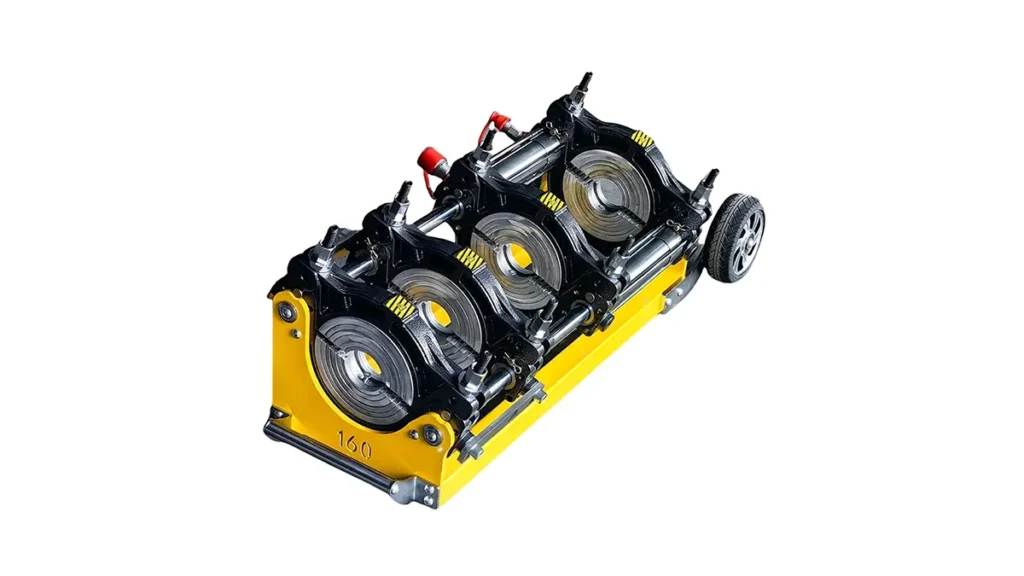
2. Equipment inspection. The fusion welding machine should be examined for cleanliness, alignment, hydraulic condition, electrical safety, heater plate performance, and temperature accuracy. A dependable butt fusion machine is essential for stable results.
3. Operator qualification. The person performing the weld must understand the procedure, know the machine controls, and follow the approved parameters. Training and experience matter because even excellent equipment cannot compensate for poor technique.
4. Site conditions. Temperature, wind, dust, rain, and humidity can all affect fusion quality. The checklist should confirm that the environment is within the approved range or that protective measures are in place.
5. Joint preparation. The pipe ends must be clean, square, and properly clamped. Surface contamination, ovality, or poor alignment can damage weld integrity and should be corrected before heating begins.
6. Welding parameters. Pressure, temperature, heating time, changeover time, and cooling time must match the approved procedure. These values should be recorded during every weld so that later inspection can confirm compliance.
7. Final inspection. After cooling, the joint should be checked for bead formation, symmetry, alignment, and any visible defects. If the project requires it, non-destructive or destructive testing may also be performed.
Why Quality Control Matters in Fusion Welding
Fusion welding is often used in critical infrastructure, where joint failure can cause leaks, downtime, environmental damage, or safety risks. A single defective weld can affect an entire pipeline section. That is why quality control is not optional; it is part of risk management.
For project owners, quality control helps reduce warranty issues and future repair costs. For contractors, it improves reputation and lowers the chance of rework. For operators, it supports safer, longer-lasting systems. And for inspectors, it creates documentation that proves the work was completed according to procedure.
When a welding checklist is used consistently, teams can identify problems early, before they become expensive failures in the field.
Quality control also helps standardize work across multiple crews and project locations. This is especially important for companies handling large pipeline programs or supplying equipment internationally. A structured checklist keeps everyone aligned with the same expectations, even when different operators are involved.
How to Use a Fusion Welding Quality Control Checklist
Using the checklist effectively is just as important as creating it. The document should be integrated into the daily workflow, not stored away as a formality. Below is a practical approach to using it before, during, and after welding.
Before Welding
Start by reviewing the job specification and welding procedure. Confirm the pipe sizes, material type, pressure class, and acceptance requirements. Then inspect the machine and tools. The heater plate should reach the correct temperature, the clamps must hold the pipe firmly, and all surfaces should be free of contamination.
At this stage, the operator should also verify that the checklist form is ready and that each required entry field is available. If your team uses digital records, the same checks can be completed on a tablet or mobile device. The important thing is that the process is documented in real time.
During Welding
As the weld progresses, record the actual values used for heating, changeover, fusion pressure, and cooling. Do not rely on memory. Small deviations can matter, especially on larger diameter pipe systems or in projects with strict compliance requirements.
A visual check should also happen during the process. Look for even melt formation, proper bead appearance, and consistent clamping behavior. If anything appears abnormal, stop the process and investigate rather than forcing the weld to continue.
Practical tip: Never skip the changeover timing check. Many weld defects start with delayed movement between heating and fusion steps.
After Welding
Once the joint has cooled sufficiently, perform a thorough inspection. Check the external bead for symmetry and uniformity, verify alignment, and confirm there is no visible overheating, contamination, or surface damage. If the job requires it, complete the inspection report and attach photos or test results.
The final step is sign-off. A supervisor, quality inspector, or authorized engineer should review the completed checklist and confirm acceptance or note corrective actions. This closing step gives the document real value because it shows that the check was not only performed, but also reviewed.
Common Mistakes the Checklist Helps Prevent
Even experienced teams can make mistakes when work is rushed or conditions are difficult. A quality control checklist helps prevent many common problems, including:
Typical errors: using the wrong pipe grade, welding with poor alignment, skipping machine calibration, recording incorrect temperatures, ignoring contamination, and shortening cooling time.
Another common issue is inconsistent documentation. If one crew records details carefully while another writes almost nothing, quality tracking becomes unreliable. A standardized checklist solves this by creating the same reporting structure for every weld, every shift, and every location.
The checklist is also useful when project conditions change. For example, a cold morning may require extra attention to heating stability, while a windy outdoor site may need protective shielding. By reviewing the same core items each time, the team can adapt without losing control of quality.
Choosing Equipment That Supports Better Quality Control
A checklist works best when paired with reliable equipment. Stable temperature control, accurate hydraulic pressure, and proper clamp alignment all affect weld consistency. This is why many contractors prefer machines designed for repeatable performance and straightforward inspection.
Manufacturers with strong quality systems often test key functions before shipping, which helps reduce issues on site. For example, machine calibration, hydraulic stability, and alignment accuracy are all essential for dependable fusion results. A well-built machine does not replace the checklist; it makes the checklist more effective.
If you are selecting equipment for a new project or expanding your fleet, look for suppliers that offer technical support, customization, and documentation. That combination makes it easier to train teams and maintain consistent standards across different projects and regions.
Best Practices for a Strong Checklist System
To get the most value from a fusion welding quality control checklist, keep it simple, practical, and specific. The language should be easy to understand, the sequence should match the actual welding process, and the form should allow clear yes/no checks plus spaces for measured values.
It is also wise to review and update the checklist regularly. As machines improve, standards change, and project requirements evolve, your quality control documents should evolve as well. A checklist that reflects current best practice is far more useful than an outdated form copied from an old job.
Training is another essential part of success. Workers should not only know how to fill in the checklist, but also understand why each item matters. When operators understand the reason behind each step, they are more likely to follow it carefully.
Best practice: Use the checklist as a live control tool, not as a paperwork exercise completed after the weld is finished.
Frequently Asked Questions
What is the main purpose of a fusion welding quality control checklist?
Its main purpose is to ensure every weld follows the correct procedure and meets required quality standards. It helps teams verify materials, equipment, process settings, and final results.
Who should use the checklist?
Welders, supervisors, quality inspectors, and project managers can all use it. Anyone responsible for welding quality or compliance should be involved.
Can the checklist be used for different pipe sizes and projects?
Yes. The core structure stays the same, but it should be adjusted to fit the pipe material, diameter, standards, and site conditions of each project.
Is a checklist enough to guarantee perfect welds?
No single document can guarantee perfection, but a well-used checklist greatly reduces the risk of error and improves consistency. It works best together with training, good equipment, and proper supervision.
Why is documentation important in fusion welding?
Documentation creates traceability. If a problem appears later, the team can review what happened during welding and identify where the process may have gone wrong.
In the end, a fusion welding quality control checklist is one of the simplest and most effective tools for improving weld reliability. It supports better workmanship, safer pipelines, and more predictable project outcomes. When used properly, it becomes part of the culture of quality, not just a form to fill out.



