
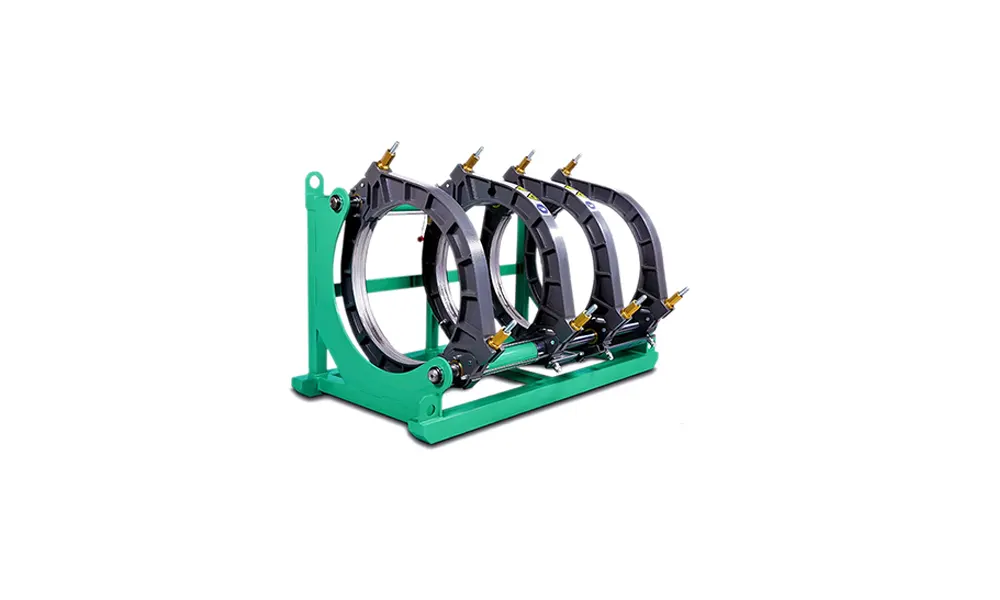
In modern pipeline construction, one of the most important joining technologies is the butt fusion machine. It is used to create strong, leak-proof joints in plastic pipes, especially HDPE pipelines that carry water, gas, mining slurry, and industrial fluids. For engineers, contractors, and distributors, understanding how this equipment works is essential because the quality of the fusion joint can directly affect the safety, durability, and service life of the entire pipeline system.
A butt fusion machine is designed to heat two pipe ends, press them together under controlled force, and form a single continuous joint after cooling. Unlike mechanical fittings or adhesives, the process creates a molecular bond between the pipe materials. This is why butt fusion is widely trusted in large-scale infrastructure projects where long-term reliability matters. It is a practical solution for projects that need stable performance in demanding environments, and it is one of the reasons HDPE piping systems have become so popular worldwide.
Key idea: Butt fusion is not just “welding plastic” in a simple sense. It is a controlled thermal process that turns two pipe ends into one seamless connection, provided the machine, operator, and procedure are all correct.
What Is a Butt Fusion Machine?
A butt fusion machine is specialized equipment used to join thermoplastic pipes and fittings of the same material and diameter. It is commonly used with HDPE pipes, although other thermoplastics can also be fused depending on the application. The machine typically includes a frame, clamps, a hydraulic or manual drive system, a heating plate, and a facing tool. These components work together to align the pipes, trim the ends, heat them to fusion temperature, and join them under pressure.
In simple terms, the machine helps operators perform the fusion process accurately and repeatably. This is important because even a small misalignment or incorrect heating time can weaken the joint. For projects such as municipal water lines, gas networks, and industrial pipeline installations, consistent welding quality is critical.
Why it matters: A properly fused joint can perform like the pipe itself, helping reduce leakage, maintenance costs, and failure risks over time.
How Does a Butt Fusion Machine Work?
The working process of a butt fusion machine follows a series of controlled steps. First, the pipe ends are secured in the clamps so they remain aligned. Then a facing tool trims the ends to make them flat, clean, and parallel. After that, the heating plate is inserted between the two pipe ends and heated to the correct fusion temperature. Once the material softens properly, the heating plate is removed and the softened pipe ends are pressed together with a controlled force. After cooling, the result is a strong fused joint.
This process may sound simple, but precision is everything. Temperature, pressure, alignment, and heating time all need to be carefully controlled. If the heat is too low, the material will not fuse correctly. If it is too high, the pipe can degrade. If the pressure is too weak or too strong, the bead shape and bond strength may be affected. This is why reliable equipment and well-trained operators are both important.
Process summary: clamp, face, heat, fuse, cool. These five steps form the core of every butt fusion operation.
Main Components of a Butt Fusion Machine
A butt fusion machine usually includes several key parts that determine its performance and ease of operation. The frame provides structural support and keeps the pipe sections steady during welding. Clamps hold the pipes in position and help maintain accurate alignment. The hydraulic system or manual drive generates the pressure needed for fusing. The heating plate provides stable thermal energy, while the facer trims the pipe ends before heating.
In advanced models, operators may also find digital control systems, temperature sensors, and automated pressure regulation. These features are especially useful for large diameter pipes and projects that require higher consistency. JQ-Fusion, for example, offers manual, hydraulic, and CNC automatic butt fusion welding machines for different project needs and operational preferences. Learn more at jq-fusionwelding.com.
Important components to check: clamps, heating plate, facer, hydraulic unit, alignment system, and temperature control.
Types of Butt Fusion Machines
There are several types of butt fusion machines, each designed for different levels of automation and project scale. Manual machines are suitable for smaller jobs and simple site conditions. They are often more affordable and easier to transport. Hydraulic machines are widely used in professional pipeline construction because they offer better pressure control and improved welding consistency. CNC automatic machines provide the highest level of precision and are ideal for large projects that require repeatable results and detailed process control.
Choosing the right type depends on pipe size, installation environment, available labor, and required output quality. For example, a contractor working on a small water supply repair may choose a compact manual unit, while a large gas distribution project may require a hydraulic or automatic machine for improved efficiency and traceability.
Selection tip: The larger the project and the stricter the quality requirements, the more valuable automation and pressure stability become.
Where Butt Fusion Machines Are Used
Butt fusion machines are used in many industries because HDPE piping is lightweight, corrosion-resistant, and highly durable. In water supply systems, fused joints help prevent leakage and maintain clean flow. In gas distribution networks, joint reliability is essential for safety. In mining projects, the pipes must often resist abrasion and harsh operating conditions. In industrial pipeline installations, the fused connections support efficient transport of liquids and chemicals.
The versatility of this technology has made it a standard choice for global infrastructure development. It is especially valuable in projects where buried pipelines or long-distance lines must perform reliably for many years without frequent maintenance.
Common applications: water supply, gas distribution, mining, drainage, industrial fluid transport, and municipal infrastructure.
Why Quality Control Is So Important
Even the best machine cannot guarantee strong joints without proper quality control. Reliable manufacturers test their equipment before delivery to ensure temperature accuracy, hydraulic pressure stability, and clamp alignment. These factors have a direct influence on welding performance. If any part of the machine is inconsistent, the final joint may not meet project requirements.
JQ-Fusion emphasizes strict quality control throughout production. With advanced machining equipment and comprehensive testing procedures, the company works to ensure that each machine delivers stable and durable performance in real projects. This is one reason many buyers prefer suppliers that can offer both technical capability and consistent product quality.
Quality control focus: temperature accuracy, pressure stability, alignment precision, and final machine testing before shipment.
What Makes a Good Butt Fusion Machine Manufacturer?
A good manufacturer does more than simply assemble equipment. It should provide engineering support, customization options, reliable inventory, and after-sales service. For global contractors and distributors, these services can make a big difference in project success. JQ-Fusion, a professional HDPE pipe welding machine manufacturer, has more than 20 years of industry experience and serves customers worldwide with butt fusion solutions for different pipe diameters and project types.
Strong OEM and ODM capability is another major advantage. Many clients need customized voltage, color, branding, design, or configuration. A manufacturer that can support these requirements helps buyers build a stronger market position and better match local project standards. Fast delivery and global shipping support are also essential for minimizing downtime and meeting urgent deadlines.
What to look for in a supplier: experience, testing standards, customization, technical support, inventory, and shipping reliability.
Advantages of Using Butt Fusion Technology
Butt fusion offers several important advantages. First, it creates strong, durable joints that are suitable for long-term use. Second, it helps eliminate leak paths that can occur with mechanical connections. Third, it is highly effective for large-diameter pipe systems. Fourth, it reduces the need for additional connectors or adhesives, which can simplify installation.
Another benefit is that the fused pipe joint maintains excellent flow characteristics because the inner surface remains smooth. This is especially useful in systems where flow efficiency matters. In addition, because HDPE pipes are corrosion resistant, butt fusion supports low-maintenance pipeline operation over many years.
Big advantage: Butt fusion creates a permanent connection that is often as strong and reliable as the pipe itself when performed correctly.
How to Improve Welding Results
To achieve better fusion results, operators should always prepare the pipes carefully, verify machine settings, and follow the correct welding procedure. Cleaning the pipe ends, ensuring proper clamping, and checking the heating plate temperature are basic but important steps. Operators should also allow sufficient cooling time before removing the fused section from the machine.
Training matters as much as the machine itself. Even an advanced automatic model requires correct setup and monitoring. For this reason, full technical support and training from the manufacturer can help users reduce errors and improve productivity. This is particularly important for contractors handling different pipe sizes and site conditions.
Best practice: use clean pipe ends, correct alignment, accurate temperature control, and proper cooling before handling the joint.
The Role of JQ-Fusion in the Global Market
As a professional butt fusion machine manufacturer, JQ-Fusion focuses on providing reliable equipment for global pipeline projects. Its product range includes hydraulic butt fusion welding machines, automatic butt fusion welding machines, electrofusion welding machines, and multi-angle pipe fitting welding machines. These products are designed to support a wide range of field applications and project requirements.
With SGS-certified products and a commitment to international standards, JQ-Fusion supports customers who need dependable equipment for demanding environments. The company’s emphasis on factory capability, customization, stock availability, and technical service makes it a practical partner for contractors, distributors, and engineering teams looking for long-term cooperation.
Business value: A trusted manufacturer helps reduce project risk by providing stable machines, responsive service, and tailored solutions.
Conclusion
The butt fusion machine is a key piece of equipment in modern HDPE pipeline construction. By heating, aligning, and pressing pipe ends together under controlled conditions, it creates a strong and lasting joint that supports water, gas, mining, and industrial applications. Its value lies not only in the technology itself but also in the quality of the machine, the skill of the operator, and the reliability of the manufacturer.
For businesses seeking dependable solutions, choosing a manufacturer with experience, customization ability, strict testing, and global support is essential. JQ-Fusion offers these advantages while serving customers across different industries and regions. If your project requires stable welding performance and durable pipeline connections, understanding how a butt fusion machine works is the first step toward making the right equipment choice.
Frequently Asked Questions
Q1: What materials can a butt fusion machine join?
It is mainly used for thermoplastic pipes such as HDPE. The pipe material must be compatible and of the same type for proper fusion.
Q2: Is butt fusion stronger than mechanical joining?
In many applications, yes. When performed correctly, butt fusion creates a continuous bond that can be extremely durable and leak-resistant.
Q3: What is the most important factor in butt fusion welding?
Temperature, pressure, alignment, and operator skill are all important, but precise control of the full process is the key to consistent results.
Q4: Which industries commonly use butt fusion machines?
Water supply, gas distribution, mining, municipal infrastructure, and industrial pipeline projects all commonly use butt fusion technology.
Q5: Why choose JQ-Fusion?
Because it provides experienced manufacturing, OEM and ODM customization, strict quality testing, fast shipping, and technical support for global customers.



