
Electrofusion welding is one of the most trusted joining methods for polyethylene pipelines because it delivers strong, leak-resistant, and long-lasting joints. It is widely used in water supply, gas distribution, industrial piping, and mining projects where reliability is critical. Yet even though the process is highly effective, failures still happen in the field. In many cases, the problem is not the technology itself but the preparation, environment, operator skill, or equipment condition. Understanding the most common reasons for electrofusion welding failure is essential for anyone responsible for pipeline quality, safety, and long-term performance.
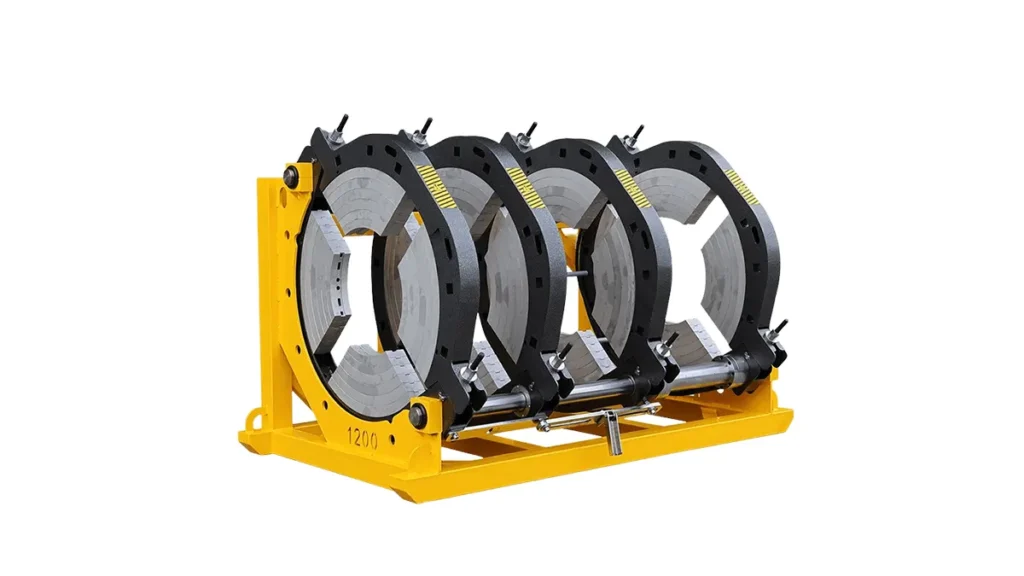
At the core of a successful electrofusion joint is controlled heat, clean pipe surfaces, correct alignment, and strict adherence to welding parameters. If any one of these elements is compromised, the fusion zone may weaken, leading to poor bonding, leakage, deformation, or even complete joint failure. That is why contractors, installers, and project managers should not treat electrofusion as a simple plug-and-play process. Like other pipeline joining methods such as butt fusion machine solutions, electrofusion requires discipline, accuracy, and the right equipment to achieve consistent results.
This article explains the most common electrofusion welding failure reasons, how they occur, and what can be done to prevent them. Whether you are managing a small site installation or a large utility project, these insights can help reduce rework, improve joint reliability, and extend pipeline service life.
1. Poor Surface Preparation
Surface preparation is one of the most important stages in electrofusion welding. The pipe surface must be cleaned, scraped, and free from oxidation before the fitting is installed. If the outer layer of the pipe is not properly removed, the heating element inside the fitting cannot create a secure molecular bond with the pipe wall. Instead of fusing with fresh polymer, the joint bonds to a contaminated or oxidized layer, which significantly weakens the connection.
⚠️ Common mistake: installers often scrape too little, scrape unevenly, or touch the prepared surface with dirty gloves. Even minor contamination such as dust, moisture, grease, or fingerprints can reduce joint quality.
Proper surface preparation should include clean tools, uniform scraping depth, and immediate welding after preparation. The longer the exposed surface waits before fusion, the greater the chance that contamination will return.
2. Contamination by Moisture, Dirt, or Grease
Electrofusion joints are highly sensitive to contamination. Water droplets, condensation, mud, oil, and even fine dust can prevent proper heating and bonding. This is especially common in outdoor projects where weather conditions change quickly or where pipe storage areas are not well controlled. If moisture enters the fusion zone, it can vaporize during welding and create voids or weak points inside the joint.
Grease and oils are equally dangerous because they form a barrier between the pipe surface and the fitting. The result may not be immediately visible, but the bond is often compromised from the start. In gas and water applications, such hidden defects can later develop into serious leaks or failures under pressure.
✅ Best practice: keep all materials dry, store fittings in sealed packaging until use, and clean the work area before beginning installation. In wet environments, use dry cloths, protective covers, and appropriate waiting time before welding.
3. Incorrect Alignment or Clamping Issues
A successful electrofusion weld depends on stable alignment between the pipe and fitting. If the joint is not properly aligned, the heating pattern becomes uneven, and stress is concentrated in certain areas. Misalignment can also create gaps that reduce contact pressure between the pipe and fitting, preventing full fusion across the entire interface.
Clamping issues are another frequent source of failure. If the pipe moves during welding, the joint may cool unevenly or form internal stress that later leads to cracking. In many cases, inadequate clamping is caused by using the wrong clamp size, worn fixtures, or rushing installation without checking stability.
To avoid these problems, installers should verify alignment before starting the weld and ensure the pipe remains fully fixed throughout the heating and cooling cycle. A stable setup is not optional; it is a basic requirement for reliable fusion.
4. Wrong Fusion Parameters
Electrofusion fittings are designed to operate within specific voltage, time, and cooling parameters. If these values are not followed correctly, the weld may be underheated or overheated. Underheating produces a weak bond with insufficient melt depth, while overheating can damage the pipe or fitting and deform the joint structure.
Parameter errors often happen when operators enter incorrect data, use the wrong fitting settings, or rely on memory instead of reading the manufacturer’s instructions. Since different fittings and pipe sizes require different energy inputs, even a small mistake can affect weld integrity.
📌 Important: always confirm the fitting barcode or technical label, check the welding machine output, and make sure the timer settings match the product specification. Never assume one setting works for all joints.
5. Using Damaged or Low-Quality Fittings
The quality of the electrofusion fitting itself plays a major role in joint performance. If the fitting is damaged, stored improperly, or manufactured with poor consistency, the welding outcome may be unreliable even if the installer follows all steps correctly. Cracks, deformed terminals, weak heating coils, and material defects can all lead to premature failure.
Low-quality fittings may also produce uneven heat distribution, resulting in partial fusion and unpredictable performance under pressure. In critical infrastructure projects, this is a serious risk because the failure may appear long after commissioning, when repair is more difficult and expensive.
For this reason, project teams should source fittings from reliable suppliers, inspect packaging before use, and reject any item with visible damage or questionable traceability. Quality control starts before welding begins.
6. Operator Inexperience or Poor Training
Electrofusion welding may look simple, but it requires trained execution. Operators who do not understand pipe preparation, fitting installation, machine settings, or cooling times often make mistakes that lead to joint failure. Inexperienced workers may also skip inspection steps or misunderstand the importance of cleanliness and alignment.
Training is especially important on large job sites where many joints are completed under time pressure. Without proper instruction, workers may try to speed up the process and compromise quality. A few shortcuts can cause serious long-term problems, including leaks, repair costs, and project delays.
👷 Key point: a skilled operator is just as important as a good welding machine. Consistent training, certification, and supervision are essential for dependable results.
7. Inadequate Cooling Time
After the fusion cycle is complete, the joint must remain undisturbed during cooling. If the pipe is moved, pressurized too early, or handled before the material has fully solidified, internal stress can develop and weaken the bond. This is one of the easiest mistakes to avoid, yet it still happens frequently on busy job sites.
Cooling time should never be shortened to save time. The outer appearance of the joint may look complete while the internal structure is still vulnerable. Premature loading can cause hidden defects that are only discovered later during pressure testing or in service.
The safest approach is to follow the fitting manufacturer’s recommended cooling duration exactly and avoid any movement until the joint is fully stabilized.
8. Faulty Welding Equipment or Power Supply Problems
Even with perfect preparation and trained operators, equipment problems can still cause welding failure. A faulty electrofusion machine, unstable power supply, damaged cables, or poor electrical connections can disrupt the heating cycle and prevent correct fusion. If voltage output fluctuates, the fitting may not receive the precise energy required for a strong joint.
Regular machine inspection is therefore essential. Temperature accuracy, output stability, connector condition, and cable integrity should all be checked before use. In professional pipeline projects, equipment reliability is not just a convenience; it is a quality assurance requirement.
This is one reason why many contractors prefer experienced manufacturers that provide dependable machinery, strong technical support, and stable performance across different project conditions.
9. Failure to Respect Environmental Conditions
Temperature, wind, dust, rain, and site cleanliness all affect electrofusion welding. Extremely cold weather can slow fusion behavior, while excessive heat may alter material response. Strong wind can carry dust onto prepared surfaces, and rain or condensation can introduce moisture into the weld zone.
In outdoor installations, teams should use shelters, tents, or temporary protective measures when necessary. The goal is to create stable welding conditions that reduce the influence of external factors. Neglecting environmental control often leads to inconsistent results, even when all technical steps are correct.
Good field discipline means treating the environment as part of the welding system, not as an afterthought.
How to Reduce Electrofusion Welding Failures
Preventing failure is always easier than repairing it. A reliable electrofusion process depends on a combination of clean preparation, correct equipment, trained operators, and strict process control. Contractors should develop a checklist that covers pipe inspection, fitting condition, surface scraping, alignment, welding data verification, cooling time, and final quality checks.
It also helps to standardize procedures across the job site. When every installer follows the same sequence, the risk of inconsistency drops significantly. Quality control should be ongoing, not only after the weld is complete. Routine supervision, record keeping, and machine maintenance are all part of a strong prevention strategy.
🔍 Practical checklist: clean pipe, scrape properly, verify fit, confirm settings, maintain clamp stability, protect from weather, and respect cooling time. These simple steps eliminate many of the most common failure causes.
Why Equipment Quality and Supplier Support Matter
Pipeline projects depend on more than just installation skill. The quality of welding equipment, technical support, and supply reliability can directly affect project success. Manufacturers with strong engineering capability, strict testing standards, and customizable solutions help contractors maintain stable performance in real-world conditions.
For companies involved in pipe joining projects, working with a trusted supplier can reduce downtime and improve consistency. JQ-Fusion, for example, focuses on pipeline welding equipment for global applications and supports different project needs with professional manufacturing, quality control, and technical assistance. Reliable tools and responsive service make it easier to avoid avoidable failures.
When the equipment is dependable and the process is controlled, the probability of failure drops dramatically. This is true for electrofusion as well as for other joining technologies used in modern pipeline systems.
Conclusion
The most common electrofusion welding failure reasons are usually preventable. Poor surface preparation, contamination, misalignment, wrong fusion parameters, damaged fittings, inexperienced operators, insufficient cooling, equipment issues, and harsh environmental conditions all contribute to weak joints. By controlling these factors carefully, contractors can achieve stronger, safer, and more durable pipeline connections.
In modern pipeline construction, reliability depends on attention to detail. A well-executed electrofusion weld is not the result of luck; it is the result of preparation, discipline, and quality tools. When teams understand the risks and apply the correct methods, they can significantly reduce failures and improve long-term performance.
Frequently Asked Questions
Q1: What is the biggest cause of electrofusion welding failure?
One of the biggest causes is poor surface preparation, especially incomplete scraping or contamination on the pipe surface.
Q2: Can moisture really damage an electrofusion weld?
Yes. Moisture can create voids, weaken the bond, and lead to long-term leakage or joint failure.
Q3: Why must cooling time be respected?
Because the joint needs enough time to solidify. Moving or loading it too early can create hidden stress and weaken the weld.
Q4: How can operators reduce welding mistakes?
By following the fitting instructions carefully, keeping surfaces clean, checking alignment, and using properly maintained equipment.
Q5: Is equipment quality important for electrofusion?
Absolutely. Stable output, accurate control, and reliable accessories are essential for producing consistent and safe joints.



