
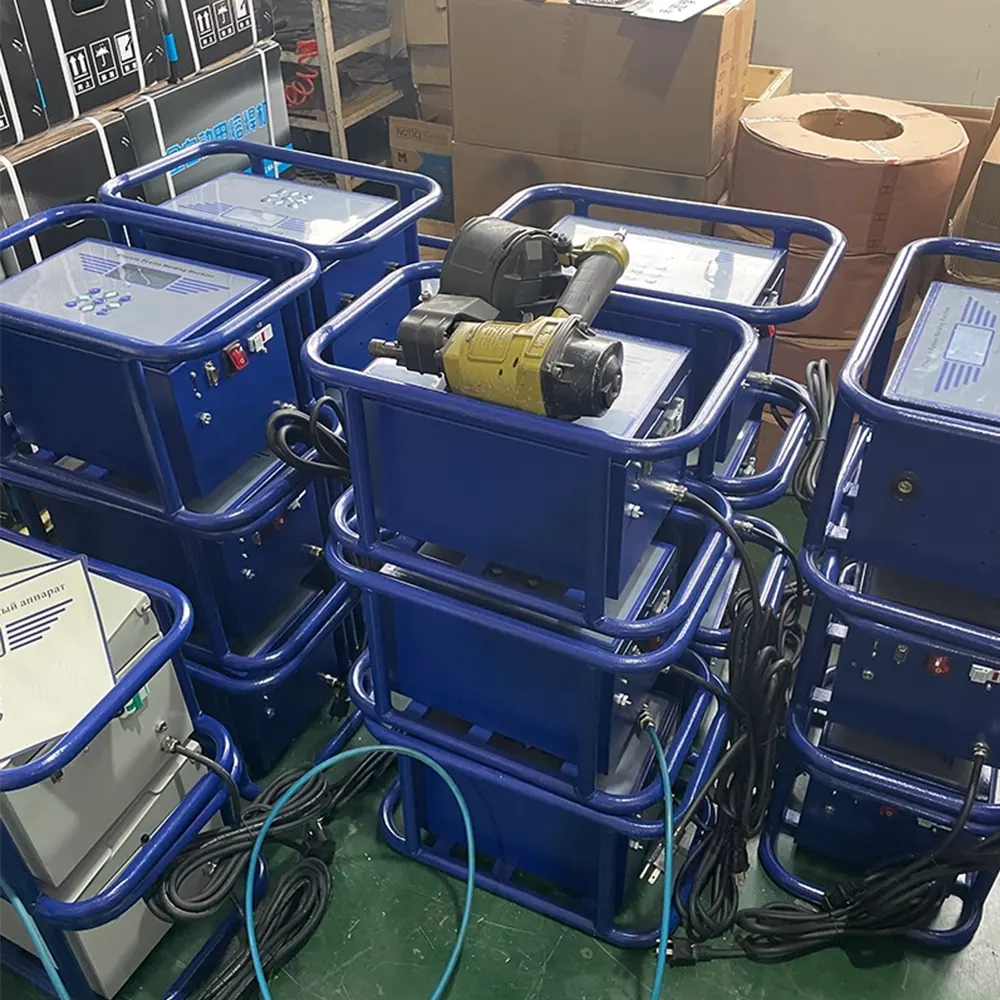
When HDPE pipelines are built for water supply, gas distribution, mining, or industrial transport, the weld is the most critical part of the entire system. A pipe can look perfect from the outside, but if the fusion joint is weak, misaligned, overheated, or contaminated, the whole line can fail under pressure. That is why understanding HDPE welding quality standards is not just a technical requirement; it is a practical way to protect safety, durability, and project value.
In butt fusion welding, the objective is simple: create a single, continuous pipe structure with a joint as strong as the pipe itself. Achieving that result consistently depends on procedure, machine performance, operator skill, and inspection discipline. For contractors and pipeline owners, the challenge is not only how to weld, but how to ensure every weld meets the required standard from the first joint to the last.
Quality standards for HDPE welding are designed to make that consistency possible. They define the conditions for temperature, alignment, pressure, heating time, cooling time, and visual acceptance. They also help teams avoid common defects such as cold welds, over-heated beads, excessive burrs, contamination, and ovality issues. In practice, a reliable weld is the result of controlled equipment, trained operators, and a repeatable process.
What HDPE Welding Quality Standards Mean in Real Projects
HDPE welding standards are the rules that guide how pipes should be prepared, fused, and inspected. In many projects, these rules are based on recognized international or regional requirements, along with the client’s own specifications. The standards usually cover the preparation of pipe ends, machine calibration, heating plate temperature, fusion pressure, bead formation, and cooling under pressure.
For example, a proper butt fusion joint should show a uniform double bead, clean symmetry, and no visible contamination. The pipe ends should be square, aligned correctly, and free from grease, dust, moisture, or damage. The fusion equipment must maintain accurate temperature and stable hydraulic pressure throughout the cycle. If any of these elements is inconsistent, the weld quality becomes uncertain.
In this context, quality is not only about appearance. A joint may look acceptable but still contain internal weakness if the process was not controlled properly. That is why welding standards rely on both visual checks and process verification.
Key idea: A strong HDPE weld is the result of controlled heat, correct pressure, proper alignment, and clean pipe preparation. One weak step can affect the entire joint.
Main Factors That Influence Butt Fusion Quality
Several factors determine whether a weld meets the required standard. One of the most important is pipe preparation. The pipe ends must be cut square and faced evenly so that the fusion surfaces match. If the pipe is not aligned correctly, the joint can develop stress concentration, especially under long-term load or internal pressure.
Another important factor is temperature control. The heating plate must reach and maintain the correct temperature before the fusion cycle begins. If the plate is too cold, the material will not melt enough to bond properly. If it is too hot, the molten surface may degrade, leading to weak crystallization and poor joint performance.
Pressure control is also essential. During heating, fusion, and cooling, the machine must apply the correct force to form a uniform bead and maintain contact between the pipe ends. Excessive pressure can squeeze out too much molten material, while insufficient pressure can leave gaps and incomplete fusion.
Cooling time is often underestimated. Even if the joint looks finished, it must remain under pressure until the material has regained sufficient strength. Removing the clamp too early can damage the internal structure of the weld and cause hidden defects.
Operator skill matters as much as machine performance. A trained technician knows how to check pipe dimensions, set the correct parameters, monitor bead formation, and identify abnormal conditions before they become failures. In large-scale projects, standardized operator training is one of the best ways to improve weld consistency.
How to Ensure a Reliable Weld Every Time
A reliable weld begins long before the heating plate touches the pipe. First, the machine should be in good working condition and verified before use. Temperature accuracy, hydraulic pressure stability, and clamp alignment should all be checked regularly. This is especially important for projects with strict quality requirements or large pipe diameters.
Second, the work area should be kept clean and controlled. Dust, wind, rain, and direct contamination can interfere with the fusion surface. When welding outdoors, teams should use protective measures to reduce environmental impact and maintain a stable operating condition.
Third, the procedure must be followed exactly. Each stage has a purpose: facing the pipe, cleaning the surface, aligning the clamps, heating the ends, joining under pressure, and cooling without movement. Skipping or shortening any step may save a few minutes but can compromise the service life of the pipeline for years.
Fourth, record keeping should be part of the quality system. A welding log can show the time, temperature, pressure, pipe size, operator name, and machine used for each joint. These records make it easier to trace problems if a defect appears later. They also support compliance and quality audits.
Finally, use equipment that is designed for stable performance. A well-built fusion machine helps operators maintain repeatability from one weld to the next. For projects that require dependable performance and wide diameter coverage, choosing a trusted butt fusion machine supplier can make a major difference in welding consistency and project success.
Practical checklist: clean pipe ends, correct alignment, verified temperature, stable pressure, full cooling time, and complete weld records.
Inspection Methods Used to Confirm Weld Quality
Inspection is the final step that confirms whether the weld meets the standard. The most common method is visual inspection. A qualified inspector will examine bead size, symmetry, surface uniformity, and signs of contamination or scorching. The bead should be even around the circumference, with no obvious gaps or irregularities.
For more demanding applications, additional testing may be required. Depending on the project, this can include destructive testing on sample joints, pressure testing of the full pipeline, or other verification methods specified by the client or engineering standard. These methods help confirm that the joint performs as expected under real operating conditions.
Some projects also rely on documentation checks. If the welding parameters were recorded correctly and the machine performance was stable, the process evidence can support the conclusion that the weld quality is reliable. In large contracts, process traceability is often just as important as the final appearance of the joint.
It is also useful to inspect the machine itself over time. If a machine repeatedly produces uneven beads or inconsistent joints, the issue may be related to worn clamps, inaccurate heating systems, or unstable hydraulic components. Preventive maintenance reduces these risks and keeps weld quality under control.
Why Machine Quality Matters as Much as Operator Skill
Even the best operator cannot fully compensate for poor equipment. A fusion machine with unstable temperature control or weak clamping accuracy will create quality variation no matter how experienced the technician is. This is why manufacturers with strict quality control processes are important to the pipeline industry.
Reliable equipment should offer stable heating, precise pressure regulation, durable construction, and easy operation. It should also be suitable for different pipe sizes and project environments. In large projects, durability and repeatability matter more than short-term convenience, because downtime and rework are expensive.
JQ-Fusion, for example, focuses on manual, hydraulic, and CNC automatic solutions for HDPE pipe welding. With more than 20 years of industry experience, the company supports global pipeline work in water, gas, mining, and industrial applications. Their production process includes temperature accuracy checks, hydraulic pressure testing, and clamp alignment inspection, which are all essential to reliable butt fusion performance.
When a supplier can offer customization, technical support, and global logistics, the welding process becomes easier to control from project planning through installation. That level of support helps reduce mistakes in the field and increases the chance of passing quality inspection the first time.
Why teams choose dependable equipment:
- Stable welding performance for consistent results
- Strict quality assurance before delivery
- Flexible OEM & ODM customization for different markets
- Fast shipping and technical support for urgent projects
Common Defects to Avoid in HDPE Butt Fusion
Several defects appear repeatedly when standards are not followed. One of the most common is misalignment, which creates uneven stress distribution in the joint. Another is contamination, especially when pipe ends are not cleaned properly before heating. Moisture, oil, dust, and even fingerprints can affect fusion performance in sensitive applications.
Cold welds are also a major risk. These occur when the temperature or heating time is insufficient for proper molecular bonding. On the other side, overheating can degrade the material and weaken the joint structure. In both cases, the problem may not be visible immediately, but it can become serious during long-term use.
Excessive flash or irregular bead formation can indicate pressure issues or incorrect machine settings. While bead shape alone does not prove a weld is good or bad, abnormal appearance should prompt further review. The goal is always a balanced, clean, and repeatable joint profile.
By understanding these defects, crews can intervene early and reduce rework. Prevention is always more efficient than repair, especially on long pipelines or projects with tight schedules.
How Manufacturers Support Better Welding Outcomes
A trustworthy manufacturer does more than sell equipment. It helps customers achieve predictable results in actual project conditions. That includes providing clear operating instructions, machine calibration support, replacement parts, and training guidance. It also means producing equipment that holds its performance over time.
JQ-Fusion’s manufacturing capability is built around modern production lines and precision machining equipment. This allows the company to deliver stable, efficient, and durable welding machines for different pipe diameters and operational needs. Their product range includes hydraulic butt fusion welding machines, automatic butt fusion welding machines, electrofusion welding machines, and multi-angle pipe fitting welding machines.
Because pipeline projects vary widely, custom solutions are often necessary. Some customers need a specific voltage, machine color, branding, or structural design. Others need upgraded functions for project-specific use. A manufacturer with strong engineering support can adapt the machine to the task instead of forcing the project to adapt to the machine.
For international buyers, certification and compliance also matter. Products manufactured to recognized standards and verified by third-party inspection help reduce risk and improve confidence in the field. That is especially important for large utility networks and industrial infrastructure where failure is costly.
Building a Quality Culture on Site
Reliable HDPE welding is not achieved by one person alone. It depends on a quality culture that includes planning, preparation, supervision, and continuous improvement. Supervisors should make sure the welding procedure is followed correctly. Operators should be trained and refreshed regularly. Inspectors should review joints objectively and document findings clearly.
When a site treats quality as a daily habit instead of a final check, welding performance improves quickly. Teams become more disciplined, equipment is better maintained, and defects are reduced. Over time, this leads to stronger pipelines, fewer failures, and lower project cost.
The most successful projects are usually the ones that combine good equipment, clear standards, and experienced execution. HDPE welding is a technical process, but it also reflects the professionalism of the entire project team.
Frequently Asked Questions
Q1: What is the most important factor in HDPE butt fusion quality?
The most important factor is process control. Correct temperature, pressure, alignment, and cooling time must all work together to create a strong and reliable joint.
Q2: Can a weld look good but still be weak?
Yes. Visual appearance is important, but hidden defects can still exist if the machine settings, pipe preparation, or cooling procedure were not correct.
Q3: Why does operator training matter so much?
Because even advanced equipment needs proper setup and monitoring. A trained operator can identify risks early and maintain consistent weld quality.
Q4: How can I reduce welding defects on site?
Use clean materials, verify machine condition, follow the procedure exactly, keep records, and inspect every joint carefully before moving to the next step.
Q5: What should I look for in a reliable fusion machine supplier?
Look for stable machine performance, quality control, technical support, customization capability, and proven experience in HDPE pipeline applications.
In HDPE welding, standards are not just paperwork. They are the foundation of safety, reliability, and long-term pipeline performance. When the process is controlled properly and supported by dependable equipment, every weld becomes a stronger link in the entire system.



