
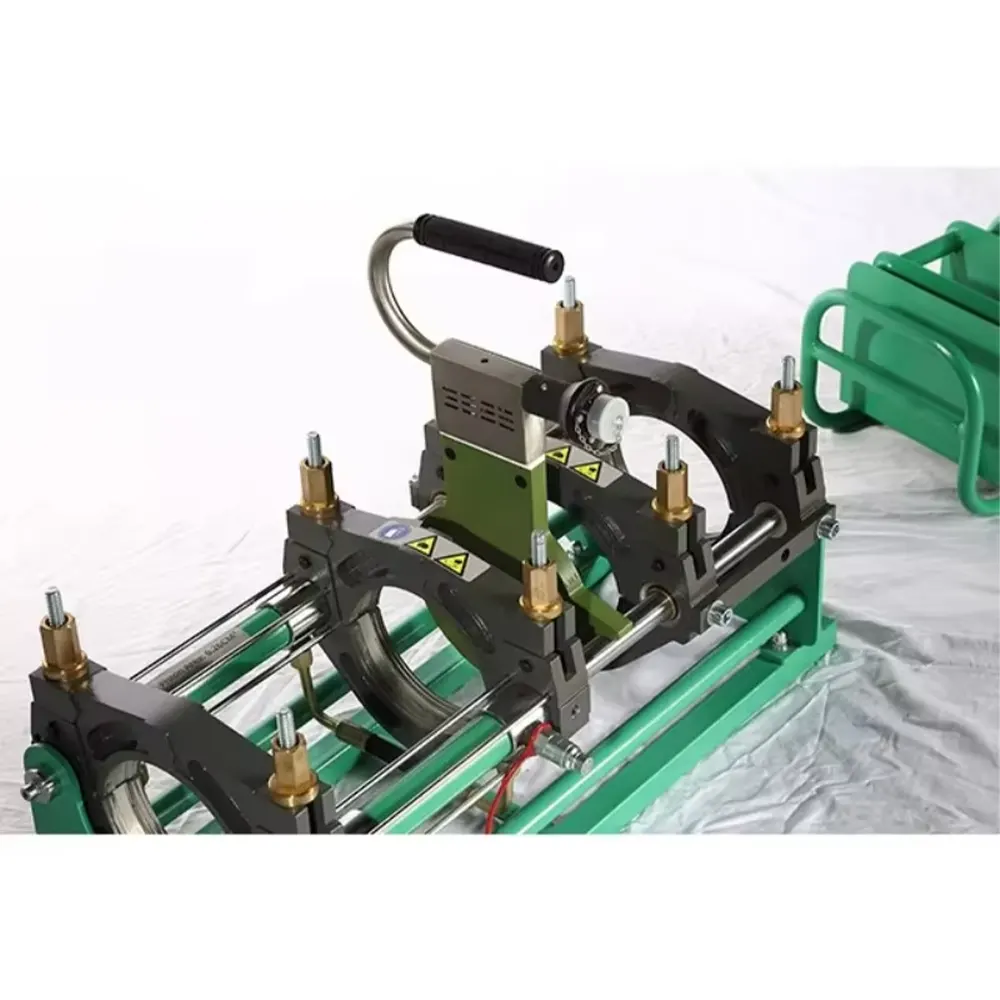
In industrial pipeline construction, welding efficiency is not just about speed. It is about achieving strong joints, reducing rework, improving safety, and keeping every project on schedule. Whether the task involves water supply, gas distribution, mining, or industrial piping, the best welding practices help teams deliver consistent results with less downtime and lower operating costs.
For companies working with HDPE pipelines, the performance of the butt fusion machine is especially important. A well-chosen machine, combined with the right operating habits, can greatly improve output quality and reduce material waste. That is why manufacturers and contractors often focus on process control, equipment maintenance, operator training, and project planning to optimize every stage of the welding workflow.
1. Start with the Right Equipment Selection
Efficient welding begins long before the first joint is made. Choosing the correct machine for the pipe diameter, material type, and site conditions is the foundation of a productive workflow. A machine that is too small, unstable, or not designed for the project will slow the team down and increase the risk of poor welds.
Key point: select equipment that matches the actual job requirements instead of relying on a one-size-fits-all solution.
For large pipeline projects, a hydraulic or CNC automatic model can improve consistency and reduce operator burden. For smaller or field-based jobs, a manual system may offer more flexibility. JQ-Fusion, for example, provides different machine types designed to support a wide range of pipe sizes and project environments.
2. Keep the Welding Surface Clean and Properly Prepared
One of the simplest ways to improve welding efficiency is to avoid preventable defects caused by dirty or uneven pipe ends. Before fusion, the pipe surfaces must be clean, dry, and properly aligned. Dust, grease, moisture, or incorrect trimming can create weak joints and force the operator to repeat the process.
Using a disciplined preparation routine saves time in the long run. When surfaces are properly scraped, cleaned, and clamped, the fusion stage becomes smoother and more predictable.
Teams should also ensure that the pipe ends are cut square and free from deformation. If preparation is rushed, the weld quality will suffer, and the entire project can experience unnecessary delays.
3. Maintain Accurate Temperature and Pressure Control
Temperature and pressure are two of the most critical variables in butt fusion welding. Even small deviations can affect the strength and appearance of the final joint. Efficient operations depend on a machine that can hold stable heat and apply pressure consistently throughout the welding cycle.
Modern welding equipment should offer reliable control of heating plate temperature and hydraulic pressure. This is especially important in demanding environments where weather, pipe thickness, and operator workload can vary from one shift to another.
Important: stable process parameters reduce rework and protect the integrity of the pipeline system.
At JQ-Fusion, strict quality control helps ensure temperature accuracy, hydraulic stability, and clamp alignment before a machine is delivered to the customer. This kind of consistency supports faster installation and better field performance.
4. Train Operators to Follow a Repeatable Workflow
Even the most advanced welding machine cannot deliver efficient results if the operator lacks training. Skilled operators know how to inspect the machine, verify settings, monitor the fusion cycle, and identify abnormalities before they turn into major problems.
Training should cover machine setup, surface preparation, heating time, pressure application, cooling time, and safety checks. When every worker follows the same procedure, the team can produce more uniform results with fewer interruptions.
A repeatable workflow is one of the fastest ways to improve productivity because it reduces guesswork and minimizes human error.
Companies that invest in operator training often see better weld quality, fewer failed joints, and shorter project completion times. This is especially valuable for contractors managing multiple crews across different sites.
5. Schedule Preventive Maintenance Regularly
Efficient welding depends on reliable equipment. If a machine is poorly maintained, it may suffer from unstable heating, hydraulic leakage, worn clamps, or inaccurate alignment. These issues slow down production and can create avoidable downtime during critical phases of a project.
Preventive maintenance should include inspections of the heating plate, hydraulic system, electrical components, clamps, and alignment mechanisms. Cleaning the machine after use and checking for wear can extend service life and maintain performance over time.
Efficiency tip: a short daily inspection can prevent long and expensive repairs later.
For global contractors, dependable after-sales support also matters. Fast technical assistance and replacement part availability help reduce machine downtime and keep the project moving forward.
6. Optimize Workflow Planning on Site
Good welding efficiency is also about project organization. Materials, tools, and labor should be arranged so that operators can work without unnecessary movement or waiting. When pipes are staged correctly and the sequence of joints is planned in advance, productivity improves significantly.
Site managers should consider pipe delivery timing, workspace layout, power availability, and environmental conditions before welding begins. A well-organized site helps teams avoid bottlenecks and keeps the fusion process continuous.
For example, if pipe segments are delivered in the wrong order or stored poorly, workers may spend extra time searching, sorting, or repositioning materials. Simple planning decisions can therefore have a major impact on overall output.
7. Use Machines with Stable Manufacturing Quality
Not all welding machines are built to the same standard. Equipment manufactured with precision machining, strong structural design, and strict testing procedures is more likely to perform reliably in real-world conditions. This means fewer breakdowns, better joint consistency, and higher long-term efficiency.
JQ-Fusion focuses on advanced manufacturing technology, strict inspection, and customizable configurations for different project needs. Their product range includes hydraulic butt fusion welding machine, automatic butt fusion welding machine, electrofusion welding machine, and multi-angle pipe fitting welding machine, giving customers more flexibility in choosing the right solution.
When machines are built for stability and accuracy, the welding team can spend more time producing quality joints and less time correcting equipment problems.
For contractors working across different regions, certifications and compliance also matter. Equipment that meets international standards provides greater confidence in safety and performance, especially for large infrastructure projects.
8. Focus on Quality Control at Every Stage
Efficiency should never come at the expense of quality. A fast welding process is only valuable if it produces durable and reliable joints. For that reason, quality control must be integrated into every stage of the operation, from incoming pipe inspection to final weld verification.
Project teams should examine pipe condition, review machine settings, confirm alignment, and inspect completed joints according to site standards. If issues are detected early, they can be corrected before they create wider delays or safety concerns.
Best practice: treat quality checks as part of the workflow, not as an optional final step.
Many companies improve efficiency by combining skilled operators, well-maintained machines, and strict process checks. This balanced approach creates smoother project execution and fewer interruptions from failed inspections.
9. Choose a Supplier That Supports Long-Term Productivity
Working with the right supplier can make a major difference in welding efficiency. A strong manufacturer does more than sell a machine; it also provides technical guidance, customization, fast delivery, and ongoing support. These services help contractors adapt the equipment to real project needs.
JQ-Fusion offers OEM and ODM customization, technical support, and global logistics assistance. This is useful for distributors and contractors who need specific voltage options, branding, machine colors, or project-oriented configurations. Such flexibility can reduce setup delays and improve the overall return on investment.
For businesses expanding into new markets, supplier support is especially valuable. Reliable production capability, large inventory, and quick shipping can help teams meet tight deadlines without sacrificing machine quality.
10. Build Efficiency Through Safety and Discipline
Safety and efficiency work together. When workers follow proper safety practices, equipment stays in better condition, fewer accidents occur, and the entire site runs more smoothly. Clear rules, proper protective gear, and disciplined working habits reduce interruptions and keep operations moving.
A well-managed welding environment also improves morale. Operators who work with stable machines, clear procedures, and responsive support are more confident and productive. Over time, this creates a stronger team and more reliable project results.
Efficiency is not only a technical issue; it is also a management issue. The best results come from combining the right equipment, trained people, and organized execution.
Frequently Asked Questions
What is the most important factor in improving welding efficiency?
The most important factor is consistency. When equipment, preparation, temperature control, and operator training are all stable, the welding process becomes faster and more reliable.
How does machine quality affect productivity?
High-quality machines reduce downtime, maintain stable pressure and temperature, and lower the chance of defects. This helps teams complete more joints in less time.
Why is pipe preparation so important?
Proper preparation removes dirt, moisture, and uneven edges that can weaken the weld. Clean, aligned pipe ends make the fusion process smoother and reduce rework.
Can training really improve welding speed?
Yes. Trained operators make fewer mistakes, work more confidently, and follow a repeatable process. This usually leads to faster and more accurate results.
How can contractors reduce downtime on site?
Contractors can reduce downtime through preventive maintenance, better project planning, organized material staging, and choosing suppliers that provide fast support and reliable delivery.
In conclusion, the best welding practices for improving efficiency are built on smart equipment selection, proper preparation, stable process control, operator training, preventive maintenance, and strong project management. When these elements work together, teams can achieve stronger welds, fewer delays, and better overall performance in every pipeline project.



