
HDPE pipe systems are used in water supply, gas distribution, mining, industrial processing, and many other infrastructure projects because they are durable, corrosion-resistant, and cost-effective. However, the long service life of these pipelines depends heavily on one critical factor: the quality of the weld. In practice, a pipe network is only as strong as its joints. This is why HDPE welding certification requirements matter so much for contractors, operators, inspectors, and welders working on pipeline projects.
Certification is not just a formal document. It is evidence that a welder, technician, or contractor understands the correct fusion procedures, can operate equipment safely, and can produce joints that meet project specifications and industry standards. In many countries and industries, certified welding is a mandatory requirement for quality assurance, safety compliance, and project acceptance.
For companies involved in pipeline construction, learning the certification requirements is also a commercial advantage. Certified personnel reduce the risk of costly rework, leaks, failed pressure tests, and project delays. Whether the job involves a small municipal water line or a large industrial network, the standard remains the same: reliable fusion performance starts with qualified people, accurate equipment, and controlled procedures.
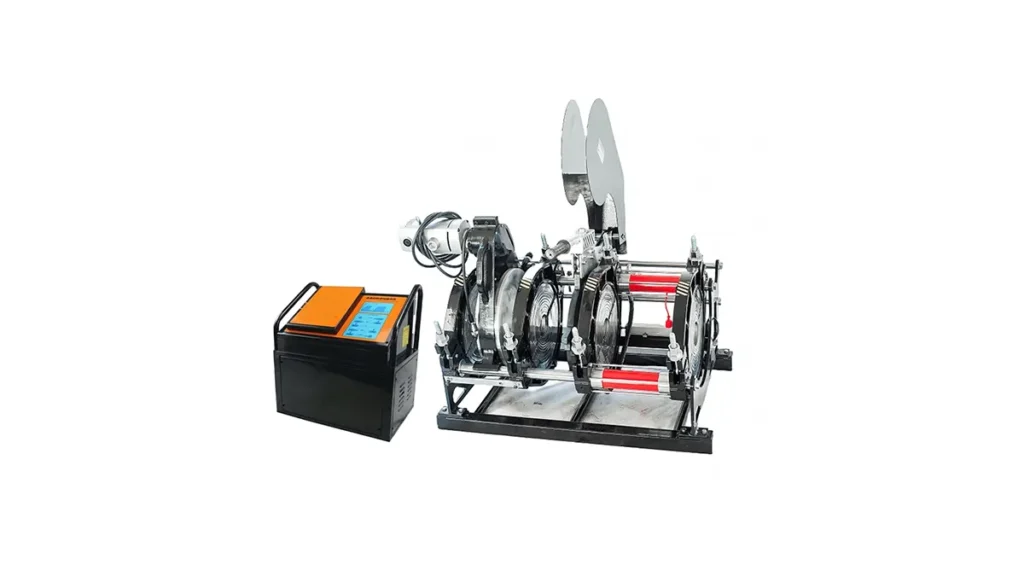
In this article, we will explain what HDPE welding certification requirements usually include, why they are important, how they are evaluated, and what companies should prepare before applying for certification. We will also look at the role of equipment quality and training in meeting those requirements, especially for teams using a butt fusion machine in real project environments.
What Is HDPE Welding Certification?
HDPE welding certification is a qualification process that verifies a person’s ability to weld HDPE pipes and fittings according to approved procedures. The certification may apply to individual welders, fusion technicians, inspectors, or companies that provide welding services. Depending on the country or project, it may be based on national standards, client-specific specifications, or international welding codes.
Key point: certification proves practical welding competence, not just theoretical knowledge.
Unlike general mechanical work, HDPE fusion requires precise control of temperature, pressure, alignment, heating time, and cooling time. Small mistakes can weaken the joint and reduce the service life of the entire pipeline. Certification helps ensure the welder understands these variables and can repeat the process consistently.
Why Certification Is Required in HDPE Welding
Certification requirements exist to protect pipeline integrity, public safety, and project investment. Since HDPE pipelines are often used for essential utilities and industrial transport, a defective joint can create major consequences. Leaks can interrupt service, contaminate systems, and trigger expensive repairs. In gas and mining applications, the risk can be even more severe.
Certification also standardizes workmanship across different teams and job sites. On large projects, multiple welders may work under the same specification. Certification ensures a common baseline of competence so that every fusion joint meets the same quality expectations.
Another important reason is traceability. When a weld is documented by a certified operator, project managers can verify who performed the work, under what conditions, and with what procedure. This traceability is often required during inspections, audits, and warranty claims.
Main Elements of HDPE Welding Certification Requirements
Although the exact requirements vary by region and project, most certification programs include several common elements. These typically involve training, practical testing, written knowledge checks, and periodic renewal.
1. Basic Training and Technical Knowledge
Before certification, candidates usually need training in HDPE material properties, fusion principles, equipment operation, and jobsite safety. They should understand how HDPE behaves under heat and pressure, why contamination must be avoided, and how to follow approved welding procedures.
Important: a welder who cannot explain heating time, bead formation, or cooling requirements may fail certification even if the weld appears acceptable.
2. Practical Welding Test
The most important part of certification is usually the hands-on weld test. The candidate must perform a fusion joint under controlled conditions while being observed by an instructor, examiner, or certified inspector. The test may include butt fusion, electrofusion, or other joining methods depending on the scope of the certification.
During the practical assessment, evaluators check:
- pipe preparation and cleaning
- alignment of clamps and pipe ends
- heating plate temperature accuracy
- pressure application and timing
- bead appearance and symmetry
- cooling time control
- final joint quality and consistency
If the weld does not meet the acceptance criteria, the candidate may need retraining or a retest.
3. Written Examination
Many certification programs include a written test to confirm that the candidate understands key concepts behind HDPE fusion. The exam may cover material grades, pipe dimensions, joint preparation, process parameters, safety measures, and defect recognition. In some systems, the written test is simpler than the practical test, but it still matters because successful welding depends on correct decision-making.
4. Standard Compliance
Certification is often tied to specific standards such as ISO, ASTM, DVS, or local utility regulations. The standard determines what methods are acceptable, how tests should be conducted, and what criteria must be met for acceptance. Project owners may also require additional approval based on internal rules or client specifications.
For example, a contractor working on a municipal pipeline may need to comply with local water authority rules, while an industrial plant project may require additional third-party inspection documentation.
5. Renewal and Requalification
Most certifications are not permanent. They expire after a certain period or become invalid if the welder has not been active in the field for a long time. Requalification may be necessary to ensure that the welder’s skills remain current and that they continue to use approved procedures.
This is especially important when new equipment, new pipe specifications, or updated standards are introduced into a project environment.
Who Needs HDPE Welding Certification?
Certification may be required for different roles depending on project scope and contract terms. In many cases, the main certified personnel are the welders themselves. However, supervisors, quality inspectors, and fusion technicians may also need proof of competence.
Typical roles include:
- butt fusion welders
- electrofusion operators
- site supervisors
- QA/QC inspectors
- pipeline contractors
- training personnel
Some large projects require a certified welder for every fusion operation. Others allow non-certified helpers to support pipe handling while the actual fusion cycle is performed by qualified operators. The exact rule depends on contract requirements and local regulations.
How Certification Is Evaluated on Site
During a field assessment, the evaluator may examine both the person and the process. The goal is not only to see whether the final weld looks acceptable, but also whether the operator follows disciplined working practices. Cleanliness, preparation, environmental control, and proper machine setup all influence the final result.
A typical site evaluation may include the following checks:
Evaluation focus: correct joint preparation, accurate temperature control, stable hydraulic pressure, proper fusion timing, and controlled cooling before handling.
Inspectors may also review traceability records such as machine calibration, operator identity, joint logs, and test reports. If any stage is missing or poorly documented, the certification result may be questioned.
The Role of Equipment Quality in Certification Success
Even a skilled operator can struggle to produce consistent welds if the equipment is unstable or poorly maintained. That is why certification is closely connected to machine quality. A reliable fusion machine helps maintain accurate temperature, smooth pressure control, and good alignment throughout the process.
Modern manufacturing and precise equipment design make a major difference in real project conditions. A stable machine reduces operator error and helps teams meet the same quality standard from the first weld to the last. This is one reason professional contractors prefer equipment from established manufacturers with strong testing and quality control systems.
When companies invest in dependable welding equipment, they improve not only their productivity but also their ability to pass inspection and certification checks. A consistent machine makes training easier and reduces the chance of variation between welders.
For organizations seeking long-term project reliability, selecting a trusted supplier with proven experience is a smart move. Manufacturers with strong OEM and ODM capabilities can also help contractors tailor machines to specific voltage, size, or project requirements.
Common Standards and Documentation
Certification documentation usually includes the welder’s name, qualification scope, material range, diameter range, process type, date of issue, and expiration date. Some certificates also list the standard used for assessment and the authorized examiner or institution.
Below are documents commonly requested during HDPE welding certification and project audits:
- training attendance record
- practical test result
- written exam record
- operator qualification certificate
- machine calibration report
- jobsite weld log
- inspection and acceptance record
Good documentation supports quality control and helps resolve disputes if a joint is later found to be defective. It also demonstrates that the contractor works in accordance with professional standards.
Challenges Contractors Face When Meeting Certification Requirements
Many companies underestimate the difficulty of maintaining certification across a large team. Turnover, project pressure, environmental conditions, and inconsistent equipment can all make compliance harder. A welder who is qualified in one project may not automatically be qualified for another if the pipe size, standard, or fusion method changes.
Another common challenge is poor site discipline. Contaminated pipe ends, unstable power supply, rushed cooling times, and missing records can all cause failures even when the operator has a certificate. In other words, certification is necessary, but it is not enough by itself. Good management and strong supervision are also essential.
Training refreshers, regular machine maintenance, and standardized procedures can significantly reduce these risks. Companies that treat certification as part of a wider quality system usually achieve better results than those that see it as a one-time formal step.
How Companies Can Prepare for Certification
Preparation should begin long before the official assessment. Companies should ensure that operators understand the relevant standard, have hands-on practice, and use well-maintained equipment. Supervisors should verify that training records are complete and that all machines are calibrated before testing begins.
A practical preparation plan may include:
- reviewing the applicable standard and scope
- assigning training to candidate welders
- checking machine temperature and pressure performance
- verifying clamp alignment and accessories
- preparing clean test pipe material
- documenting every test weld
Companies that operate with a disciplined system are more likely to pass certification audits and maintain performance over time.
Why Certification Matters for End Users
For project owners and end users, certification is a sign of reliability. It reduces the chance of hidden defects and increases confidence that the pipeline will perform as designed. In critical utilities, the cost of a failed weld can far exceed the cost of proper training and certification.
Certification also supports lifecycle value. A correctly fused HDPE system can deliver decades of service with minimal maintenance, but only if the joints were made properly from the beginning. That is why owners increasingly request certified crews, traceable records, and verified equipment on their projects.
Choosing the Right Welding Partner
When selecting a welding partner or equipment supplier, experience, quality control, and after-sales support matter as much as the machine itself. A capable manufacturer can provide more than hardware; it can also offer training guidance, technical support, and project-specific solutions that help teams achieve certification requirements more easily.
Professional suppliers with a wide product range, including hydraulic, manual, automatic, and electrofusion systems, are often better positioned to serve different pipeline applications. They can help clients match the right machine to the right standard and jobsite environment.
For companies operating globally, reliable logistics, OEM customization, and responsive technical support can also be decisive advantages. These services help ensure that project teams receive not just equipment, but a complete welding solution.
Conclusion
HDPE welding certification requirements are designed to ensure that welding personnel can produce strong, consistent, and safe joints in demanding pipeline environments. The exact requirements may vary by standard, region, and project, but they usually include training, practical testing, written knowledge checks, documentation, and periodic renewal.
Certification is important because it protects project quality, reduces failures, and supports compliance. At the same time, certification works best when combined with good equipment, proper supervision, and disciplined site practices. Contractors who invest in skilled operators and reliable fusion machines are better prepared to meet project expectations and deliver long-term pipeline performance.
FAQ 1: Is HDPE welding certification always required? In many projects, yes, especially for utility, gas, mining, and industrial pipelines, but the exact rule depends on local regulations and contract specifications.
FAQ 2: How long does HDPE welding certification last? The validity period varies by standard and employer, but many certifications require periodic renewal or requalification.
FAQ 3: Can one certificate cover all HDPE welding methods? Not always. Some certificates are limited to butt fusion, while others may cover electrofusion or specific pipe size ranges.
FAQ 4: What happens if a certified welder fails a site test? The welder may need retraining, retesting, or a new qualification assessment before being allowed to continue welding.
FAQ 5: Does equipment quality affect certification results? Yes. Stable temperature control, accurate pressure delivery, and proper alignment are critical to passing both practical tests and project inspections.



