
In industrial pipeline construction, welding quality determines not only the strength of a joint but also the long-term reliability of an entire system. For HDPE, PE, and other thermoplastic pipe applications, two common choices often come up in project planning: CNC pipe welding machines and automatic pipe welding machines. Although both are designed to improve welding efficiency and consistency, they are not identical in function, operation, or level of control. Understanding these differences helps contractors, distributors, and project managers choose the right solution for water supply networks, gas distribution systems, mining lines, and other demanding applications.
At JQ-Fusion, we focus on delivering reliable butt fusion machine solutions for global pipeline projects. With more than 20 years of manufacturing experience, our product line covers manual, hydraulic, CNC automatic, and other fusion equipment designed to support different pipe sizes and project requirements.
What Is a CNC Pipe Welding Machine?
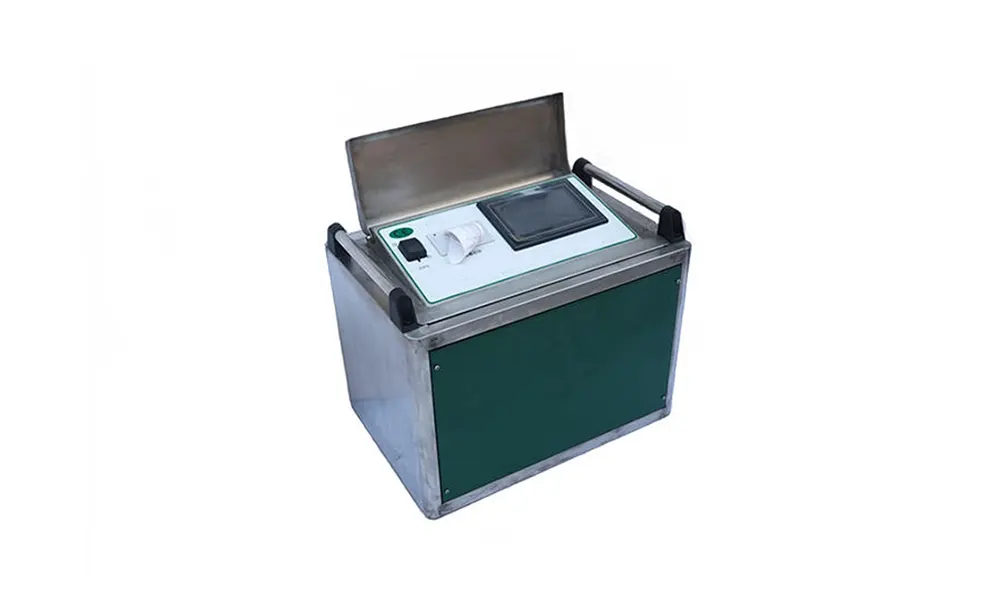
A CNC pipe welding machine is a computer-controlled welding system that manages the fusion process with a high level of precision. The operator inputs key parameters such as pipe diameter, material type, heating time, fusion pressure, and cooling time, and the system executes the sequence with minimal manual intervention. CNC control is especially valuable when projects require repeatable results, standardized procedures, and detailed process records.
Key advantage: CNC machines reduce human error by controlling the welding cycle through programmable logic, which is ideal for large-scale or high-specification projects.
CNC systems are often used where quality documentation matters. For example, infrastructure projects, government tenders, and industrial installations may require traceability for each weld. In such cases, a CNC machine can store or display welding data, helping supervisors verify whether each fusion joint followed the required parameters. This is one reason many contractors prefer CNC equipment when they need both productivity and process control.
What Is an Automatic Pipe Welding Machine?
An automatic pipe welding machine also performs the welding cycle with reduced manual work, but its level of control and data handling is generally simpler than a full CNC system. It automates major steps such as alignment, heating, fusion, and cooling, allowing operators to complete welds more efficiently than with manual equipment. Automatic machines are widely appreciated for their balance of speed, ease of use, and stable performance.
Best for: teams that want efficient operation, consistent weld quality, and easier training requirements without needing highly advanced programming features.
In many projects, automatic machines are enough to meet welding standards while keeping the workflow straightforward. They are especially practical for contractors handling medium-sized projects, installers working under time pressure, and businesses that want dependable performance without adding unnecessary complexity to the site operation.
The Main Differences Between CNC and Automatic Pipe Welding Machines
1. Control level
CNC machines offer more advanced digital control. The welding process is programmed and monitored through software or a control panel, making the operation more precise. Automatic machines also reduce manual work, but the control architecture is usually less sophisticated.
2. Data management
CNC systems often provide better welding data recording, which is useful for inspection, compliance, and quality documentation. Automatic machines may support some monitoring functions, but typically not at the same level.
3. Ease of operation
Automatic machines are usually easier to learn and quicker to deploy for general pipeline work. CNC machines may require a slightly higher level of operator familiarity, especially when advanced welding programs are used.
4. Application demand
CNC is better suited for projects requiring strict standardization, while automatic machines are a strong option for fast, efficient, and stable on-site work.
Precision and Repeatability
One of the biggest advantages of CNC technology is repeatability. When dozens or hundreds of joints must be made under the same conditions, a CNC pipe welding machine helps ensure each weld follows the same sequence. This consistency reduces variation across the project and improves confidence in the final pipeline system. Automatic machines also support repeatable welding, but CNC systems are generally more reliable when extremely tight process control is required.
Operation and Training Requirements
Automatic pipe welding machines are often preferred by teams that need fast deployment and simpler training. Their interface is usually straightforward, which helps operators begin work more quickly. CNC machines, while not difficult for experienced users, may require additional training to understand program settings, data features, and operating logic. For companies managing mixed skill levels among operators, this difference can affect project planning and labor costs.
Quality Assurance and Compliance
In some industries, weld quality is not only a technical issue but also a compliance requirement. Projects in municipal water systems, gas pipelines, and industrial plants may involve inspection documents, acceptance records, and traceable welding histories. CNC machines can support these requirements more effectively because they are designed to store and manage process data. That said, automatic machines can still produce excellent results when used with proper pipe preparation, clamping, heating, and cooling procedures.
Which Machine Is Better for Different Projects?
The right choice depends on project scale, budget, skill level, and technical requirements. If the job involves critical infrastructure, standardized welding records, and large quantities of identical joints, CNC may be the better option. If the project needs fast setup, dependable operation, and easier day-to-day use, an automatic machine may be more practical.
Selection tip: choose CNC for high-end control and documentation; choose automatic for efficient welding with less operational complexity.
For companies that serve multiple markets, it is often smart to keep both options in the product portfolio. This allows you to respond to different customer needs, from budget-conscious contractors to large engineering firms requiring advanced process management. JQ-Fusion supports this flexibility through a wide product range, including hydraulic, automatic, and other fusion solutions designed for global use.
Why JQ-Fusion Is a Reliable Partner
JQ-Fusion specializes in HDPE pipe welding machines and provides dependable solutions for international pipeline projects. Our production capability combines modern manufacturing equipment, strict quality inspection, and flexible customization services. Every machine is tested for temperature accuracy, hydraulic pressure stability, and clamp alignment to ensure stable welding performance in real-world construction conditions.
We also support OEM and ODM customization, including machine size, voltage, color, branding, and project-specific configurations. This makes it easier for distributors and contractors to build solutions that match their market positioning and technical needs. Whether the project is for water supply, gas distribution, mining, or industrial pipeline installation, our team can provide professional technical support from selection to after-sales service.
To explore more product options and technical solutions, you can visit the official website and learn more about the full range of fusion equipment offered by JQ-Fusion. Our products are designed to help customers achieve stable welding performance, fast delivery, and long-term value in demanding pipeline environments.
Practical Buying Advice
If your priority is traceability: choose CNC.
If your priority is simplicity: choose automatic.
If your priority is long-term market flexibility: offer both.
If your priority is project reliability: work with an experienced manufacturer.
A well-chosen welding machine can save time, lower labor risk, and improve the quality of every pipeline joint. That is why understanding the difference between CNC and automatic pipe welding machines is more than a technical detail—it is a decision that directly affects project success.
FAQ
Q1: Is a CNC pipe welding machine always better than an automatic machine?
Not always. CNC is better for advanced control and record keeping, but automatic machines may be more practical for standard projects and easier operation.
Q2: Can automatic pipe welding machines produce reliable joints?
Yes. When used correctly with proper pipe preparation and operating procedures, automatic machines can deliver strong and consistent welds.
Q3: Which machine is easier for new operators to learn?
Automatic pipe welding machines are usually easier to learn because they have a simpler interface and fewer advanced programming steps.
Q4: Do CNC machines help with project documentation?
Yes. CNC systems are often preferred when welding records, process data, and compliance documentation are required.
Q5: How do I choose the right supplier for pipe welding equipment?
Look for manufacturing experience, quality testing, customization capability, technical support, and proven performance in international pipeline projects.



