
Welding is a vital process in construction, manufacturing, energy, and infrastructure work, but it also brings serious risks when safety controls are weak or ignored. Burns, eye injuries, electric shock, fumes, fire, explosions, and long-term respiratory damage are all possible if welders do not follow the right preventive measures. That is why choosing the right prevention strategy is not just a compliance issue; it is a practical way to protect workers, reduce downtime, and improve project quality.
The best approach to welding accident prevention is not one single action. It is a system that combines training, correct equipment, careful worksite preparation, proper ventilation, routine inspection, and a strong safety culture. Whether the job involves fabrication shops, pipeline construction, or field repairs, welding teams need clear procedures and reliable tools to keep accidents from happening in the first place.
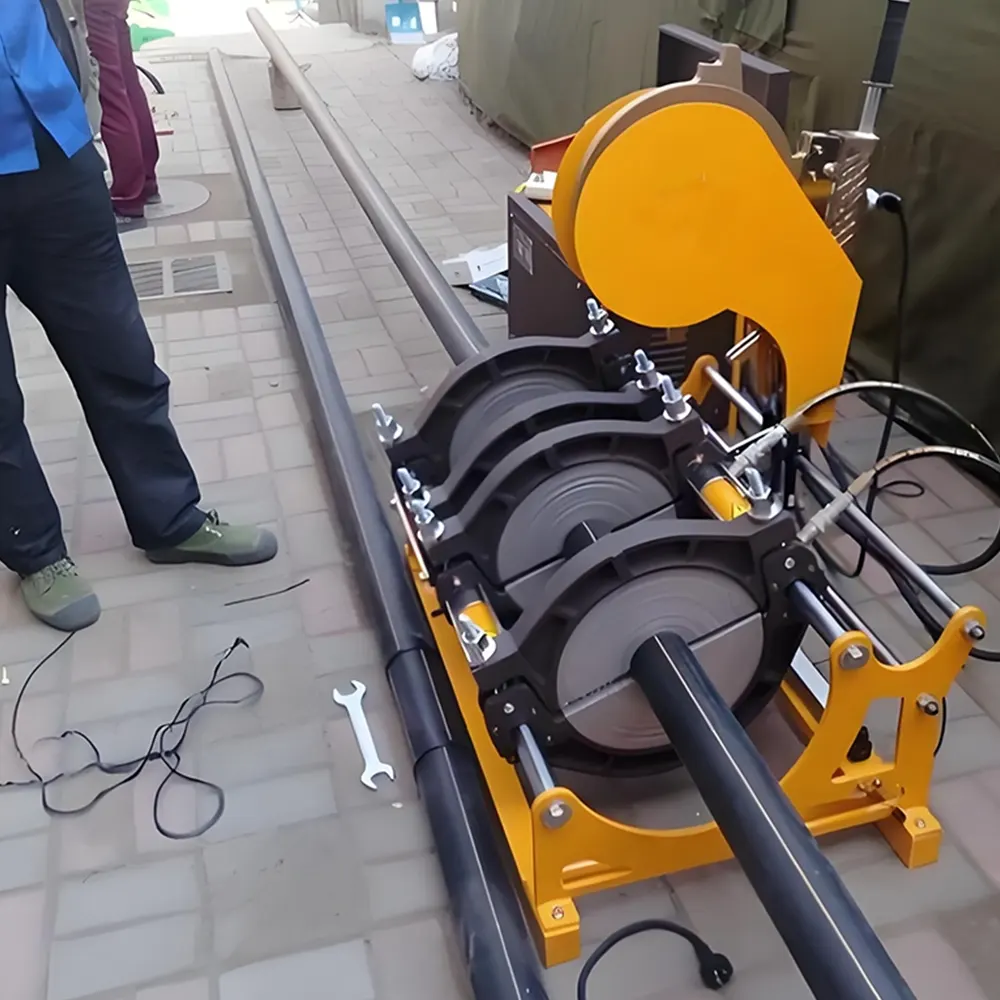
butt fusion machine projects, for example, depend on precision, heat control, and consistent alignment. In such applications, prevention strategies are especially important because a single mistake can affect both worker safety and weld quality. Good prevention protects people and improves the final result at the same time.
1. Start with a Safety-First Mindset
The most effective accident prevention strategy is a workplace culture that treats safety as a priority instead of an afterthought. Welders, supervisors, and managers should all understand that shortcuts increase risk. When safety is built into daily habits, workers are more likely to stop and correct hazards before they turn into incidents.
Key point: A safe welding site is created by consistent behavior, not by one-time reminders.
This means supervisors should lead by example, workers should speak up about hazards, and every team member should know that reporting a problem is a sign of professionalism. A strong safety culture lowers the chance of rushed actions, poor setup, and careless mistakes that often cause accidents.
2. Provide Proper Training Before Work Begins
Many welding accidents happen because workers do not fully understand the equipment, the welding method, or the hazards around them. Proper training is one of the most powerful prevention strategies because it gives workers the knowledge to recognize danger and respond correctly. Training should cover machine operation, electrical safety, fire prevention, ventilation, PPE use, emergency response, and safe handling of materials.
For new employees, training should be practical and repeated. For experienced welders, refresher courses are still necessary because procedures, equipment, and jobsite conditions can change. A worker who understands why a step matters is far less likely to skip it.
Helpful focus: hands-on training is usually more effective than classroom theory alone because it prepares workers for real-world conditions.
3. Use the Correct Personal Protective Equipment
Personal protective equipment, or PPE, is a direct barrier between the welder and common hazards. The right PPE should include a welding helmet with the correct shade, safety glasses, flame-resistant clothing, leather gloves, steel-toed boots, hearing protection when needed, and respiratory protection if fumes are present. Each item serves a specific purpose, and leaving out even one piece can create serious danger.
It is also important that PPE fits properly and is maintained in good condition. Torn gloves, cracked helmets, or damaged face shields reduce protection. Employers should inspect equipment regularly and replace worn items immediately. Workers should never improvise with unsafe substitutes.
Reminder: PPE is the last line of defense, not a substitute for good planning and safe procedures.
4. Control Fire and Explosion Hazards
Welding produces high heat, sparks, and molten metal, which can easily ignite nearby materials. Fire prevention must therefore be part of every welding setup. Combustible items should be removed from the area whenever possible, and if they cannot be moved, they must be shielded with fire-resistant covers. A fire watch may be required when working near hidden or exposed ignition sources.
Gas cylinders, fuel containers, and flammable liquids need proper storage and handling. Work should never begin until the surroundings are checked for risk. In confined spaces or near chemical residues, the danger of explosion can be even higher, so testing and preparation become essential.
Many industrial teams reduce these risks by working with reliable welding systems designed for controlled operation. For example, companies involved in pipeline installation often choose a butt fusion machine that supports stable heat and accurate alignment, helping reduce unsafe conditions caused by inconsistent equipment performance.
5. Maintain Good Ventilation and Fume Control
Welding fumes can contain harmful metal particles and gases. Breathing these contaminants over time may damage the lungs and cause long-term health problems. Proper ventilation is one of the best ways to reduce this risk. Local exhaust systems, general airflow, and fume extraction units can move hazardous particles away from the welder’s breathing zone.
In confined spaces, ventilation becomes even more critical because fumes can build up quickly. Workers should never assume that opening a door or window is enough. If the atmosphere is dangerous or oxygen levels are uncertain, testing and respiratory protection are required before work starts.
Important: Fumes may not be visible, but invisible exposure can still cause serious harm.
6. Inspect Equipment Before Every Shift
Poorly maintained equipment is a common cause of accidents. Defective cables, damaged torches, unstable clamps, and leaking gas lines can create electric shock, fire, or machine failure. Pre-use inspection is a simple but powerful prevention strategy. It helps catch problems early, before a worker is exposed to danger.
Inspection should include the power source, electrodes, connectors, hoses, grounding, and cooling components. If a fault is found, the equipment must be removed from service until it is repaired. A quick inspection takes far less time than dealing with an injury or shutdown.
7. Keep the Work Area Organized and Clean
A cluttered workspace increases the chances of trips, falls, poor posture, and accidental contact with hot materials. Good housekeeping is one of the easiest accident prevention strategies to implement. Cables should be arranged neatly, tools should be stored correctly, and scrap materials should be removed as work progresses.
Clean work areas also make it easier to identify hazards quickly. Workers can move safely, supervisors can inspect conditions more effectively, and emergency access remains clear. In welding environments, order and safety are closely connected.
Best practice: “clean as you go” should be part of every welding procedure.
8. Protect Against Electrical Hazards
Electric shock is one of the most dangerous welding risks. Even brief contact with live parts can cause severe injury or death. To reduce this danger, all equipment should be correctly grounded, damaged insulation should be repaired immediately, and workers should avoid standing in wet areas whenever possible. Dry gloves and boots provide additional protection, but safe setup is the primary defense.
Workers should also follow lockout and tagout procedures when servicing equipment. Never assume that power is off. Verification is essential. This is especially important in large industrial environments where multiple systems may be active at the same time.
9. Plan for the Job Instead of Reacting to Problems
Good welding safety begins before the arc is struck. Job planning should include hazard identification, equipment selection, material review, work sequence planning, and emergency preparation. When a team knows the exact work order, the risks become easier to control. Planning also reduces confusion and rushed decisions.
This is particularly valuable in large-scale projects where productivity and safety must stay balanced. If the welding process supports critical infrastructure or pipeline work, teams often benefit from solutions designed for stability and consistency. In some cases, selecting the right butt fusion machine can improve safety by reducing manual error and maintaining more reliable fusion conditions.
10. Make Emergency Response Clear and Accessible
Even with strong prevention measures, emergencies can still happen. That is why every welding site should have a clear response plan. Workers should know where extinguishers, first aid kits, emergency exits, shutoff switches, and alarm systems are located. They should also know who to contact if an accident occurs.
Regular drills make response faster and more effective. If a fire starts, if someone receives a burn, or if electric shock is suspected, the team must act immediately and correctly. A well-practiced emergency plan reduces panic and may prevent a small incident from becoming a major one.
11. Use Reliable Equipment for Consistent Results
Reliable equipment is a major part of accident prevention because unstable performance can increase operator error. Machines that provide accurate temperature control, stable pressure, and proper alignment help create more predictable working conditions. This matters in both shop and field applications, especially where quality failure could lead to repeated rework or unsafe handling.
JQ-Fusion is known for professional butt fusion welding solutions used in water supply systems, gas distribution networks, mining projects, and industrial pipeline installation. Equipment made with stable performance and strict quality control supports safer workflows by reducing uncertainty during the welding process. When tools perform consistently, workers can focus more on safe execution and less on troubleshooting equipment issues.
Safety advantage: predictable machine performance helps reduce operator strain, process errors, and avoidable interruptions.
12. Strengthen Supervision and Continuous Improvement
Accident prevention works best when it is reviewed and improved regularly. Supervisors should observe welding practices, correct unsafe behavior, and update procedures when new risks appear. Near-miss reports are especially useful because they show what could have gone wrong before a serious injury occurs.
Continuous improvement also means learning from each project. If a site experienced poor ventilation, clutter, or equipment delays, those issues should be documented and corrected for future jobs. Over time, this creates a stronger and safer operation.
Conclusion
The best welding accident prevention strategies combine preparation, training, protective equipment, inspection, ventilation, fire control, electrical safety, and reliable supervision. No single measure can eliminate all risk, but together they dramatically reduce the chance of injury and help welders work with confidence. A safe welding environment is not accidental; it is the result of careful planning and disciplined execution.
For organizations involved in demanding pipeline and industrial projects, prevention becomes even more important because safety and productivity depend on the same foundation: stable equipment, skilled workers, and well-managed procedures. When a team commits to these strategies, it protects its people and improves the quality of every weld.
Frequently Asked Questions
Q1: What is the most important welding safety rule?
Always identify and control hazards before starting work. Training, PPE, inspection, and ventilation all depend on proper planning.
Q2: Why is PPE not enough by itself?
PPE protects the worker, but it does not remove the hazard. Safe setup, clean work areas, and proper machine operation are still necessary.
Q3: How often should welding equipment be inspected?
It should be checked before every shift and maintained according to the manufacturer’s schedule or site safety requirements.
Q4: What should be done if welding fumes are too strong?
Stop work if necessary, improve ventilation, and use appropriate respiratory protection. In confined spaces, atmospheric testing may be required.
Q5: How can employers reduce welding accidents long term?
By building a safety culture, providing ongoing training, using reliable equipment, and reviewing performance to improve procedures continuously.



