
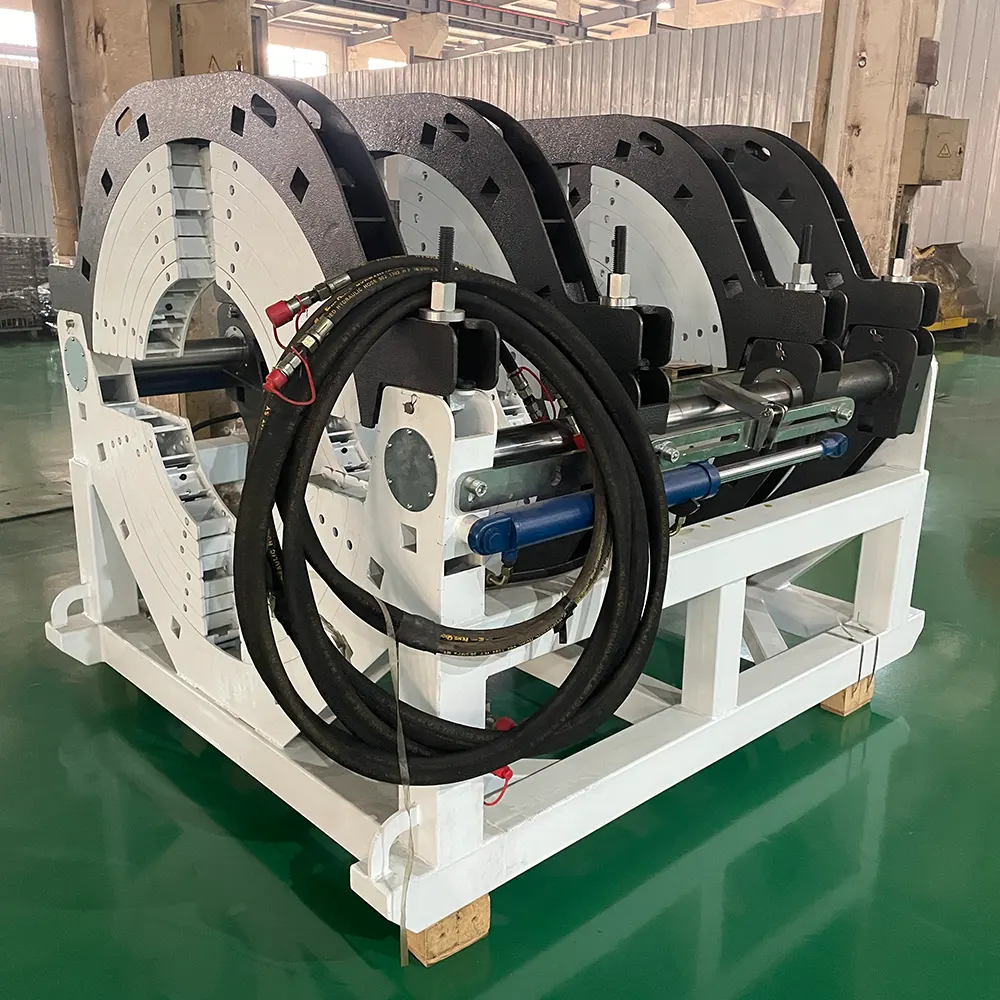
Welding process automation has become one of the most practical upgrades for modern fabrication and pipeline projects. As industries face tighter delivery schedules, stricter quality requirements, and a growing shortage of skilled labor, automation is no longer just a premium option; it is a strategic advantage. From small workshops to large-scale infrastructure contractors, automated welding systems help improve consistency, reduce rework, and support safer, more efficient production environments.
In sectors such as water supply, gas distribution, mining, and industrial pipeline installation, welding quality directly affects system reliability and long-term performance. That is why many manufacturers and contractors now rely on advanced equipment from experienced suppliers such as butt fusion machine specialists to achieve stable and repeatable results. Whether the task involves joining HDPE pipes or handling complex site conditions, automation can transform the welding workflow from labor-intensive and variable to precise and scalable.
What Is Welding Process Automation?
Welding process automation refers to the use of machines, programmable controls, sensors, and digital systems to perform welding tasks with minimal manual intervention. Instead of depending fully on an operator’s hand movements and judgment, automated systems standardize key variables such as temperature, pressure, travel speed, alignment, and timing. This consistency is especially valuable in applications where weld quality must remain stable across many joints and long project cycles.
Automation can range from semi-automatic equipment that assists an operator to fully automatic systems that execute the welding cycle with precise control. In pipeline construction, for example, automation helps maintain uniform fusion quality across repeated connections, reducing the risk of weak joints, leakage, or rework. For companies seeking higher productivity and dependable output, automated welding equipment can be a strong foundation for long-term operational growth.
The Main Benefits of Welding Process Automation
Key advantage: Automation improves repeatability, reduces human error, and creates a more controlled welding environment for demanding industrial applications.
1. Greater Consistency in Weld Quality
One of the most important benefits of automation is consistency. Manual welding depends heavily on operator skill, concentration, and physical condition. Even highly experienced welders can produce slight variations from one weld to the next. Automated systems reduce those fluctuations by controlling critical process parameters with precision.
This matters because consistent weld quality improves structural integrity and reduces failures in service. In pipeline work, stable fusion quality can help prevent costly repairs and project delays. For manufacturers, better consistency also means a stronger reputation and fewer customer complaints.
2. Higher Productivity and Faster Output
Automation helps welding operations move faster without sacrificing quality. Once a system is configured, it can complete repetitive tasks with minimal downtime, enabling higher throughput in production lines and project sites. This is particularly useful where many identical joints must be completed within a limited time frame.
By reducing manual setup and operator fatigue, automated equipment also helps maintain steady output over long shifts. For businesses that need to meet deadlines in infrastructure or industrial projects, higher productivity can lead directly to better competitiveness and improved profitability.
3. Lower Labor Dependency
The welding industry in many regions is experiencing a shortage of skilled labor. Automation helps reduce pressure on staffing by simplifying repeated tasks and lowering dependence on highly specialized manual execution for every weld. This does not eliminate the need for skilled technicians, but it does allow teams to use talent more efficiently.
Instead of assigning the most experienced workers to repetitive operations, companies can focus their experts on system setup, supervision, quality assurance, and maintenance. That shift can improve overall workforce productivity and help businesses adapt to labor market challenges more easily.
4. Better Safety for Operators
Welding often involves heat, fumes, sparks, heavy materials, and difficult working positions. Automation can reduce direct exposure to these hazards by keeping operators at a safer distance from the welding zone and limiting the amount of manual handling required. In many environments, that translates into fewer injuries and a more controlled workplace.
⚠ Safety benefit: When fewer manual adjustments are needed during the welding cycle, the risk of operator fatigue and unsafe contact with hot surfaces is reduced.
Safety improvements can also have financial benefits. Fewer accidents may mean less downtime, lower compensation costs, and a stronger compliance record. For many companies, this makes automation a practical investment in both people and performance.
5. Reduced Material Waste and Rework
Improper welding can lead to wasted consumables, damaged components, and rework that consumes time and money. Automated systems help minimize these issues by keeping welding conditions within the correct range. This precision supports better first-pass success, meaning more joints are completed correctly the first time.
Reduced rework is especially valuable in large-scale projects where even small inefficiencies can multiply across hundreds or thousands of welds. Better control over fusion parameters also helps reduce material waste and supports more sustainable operations.
6. Improved Data Tracking and Quality Control
Many automated welding systems can record process data, allowing managers to monitor performance and verify compliance more easily. This is a major advantage in industries where documentation and traceability are essential. Data collection helps teams identify trends, confirm that standards are being met, and troubleshoot issues faster.
With reliable records, quality teams can make more informed decisions about machine settings, operator training, and maintenance scheduling. In regulated projects, this level of traceability can be a significant competitive advantage.
How Automation Supports Butt Fusion Welding
In butt fusion applications, automation is especially effective because the process depends on controlled stages such as heating, alignment, pressure application, and cooling. If any of these steps drift outside acceptable limits, weld integrity may be affected. Automated butt fusion systems help keep those stages accurate and repeatable, which is vital for HDPE pipeline projects.
For contractors working on water networks, gas lines, and industrial piping, this means fewer quality variations and better long-term system performance. It also makes project execution more efficient, especially when using modern equipment from trusted manufacturers with strong engineering capability and strict quality control.
Tip: For HDPE and pipeline applications, automation is most valuable when it supports stable temperature control, accurate pressure regulation, and reliable clamp alignment.
Why Manufacturers and Contractors Are Adopting Automation
The shift toward automation is being driven by business needs as much as technical ones. Companies want faster delivery, better quality, fewer mistakes, and more reliable operations. Automated welding systems answer those needs by creating repeatable workflows that are easier to manage at scale.
For a manufacturer, automation can improve production stability and help maintain strict quality standards. For a contractor, it can reduce field delays and support more predictable project outcomes. For distributors and international buyers, it can also improve confidence that the equipment they choose will deliver dependable results in different working conditions.
Suppliers with flexible OEM and ODM capability can offer further value by tailoring machine size, voltage, design, branding, and configuration to specific project requirements. This kind of customization is particularly useful when companies need equipment that fits different regional standards or operational preferences.
A Practical View of Automation ROI
Automation is often viewed as a cost, but in many cases it is better understood as an investment with measurable return. The initial purchase price may be higher than basic manual tools, yet the long-term savings can be substantial. Lower defect rates, less rework, reduced labor pressure, and faster output all contribute to a stronger return on investment.
In addition, modern automated machines are typically designed for durability and long service life. When combined with reliable technical support, fast shipping, and spare parts availability, the total cost of ownership can be highly competitive over time. This makes automation attractive not only for large corporations but also for growing contractors seeking a smarter way to scale operations.
What to Look for in an Automated Welding Solution
Choosing the right automated welding equipment requires attention to several important factors. First, the system should match the application, whether that means pipeline installation, workshop fabrication, or industrial production. Second, the machine should provide stable performance under real working conditions, not just in controlled demonstrations.
It is also important to consider quality control standards, technical support, ease of operation, and customization options. A reliable supplier should offer clear guidance on machine selection, installation, training, and after-sales service. Strong support can make a major difference in the success of any automation project.
✅ Checklist: stable performance, accurate control, strong support, customization options, and proven quality testing.
The Role of Automation in Global Pipeline Projects
Global pipeline projects demand equipment that can perform reliably across different environments, materials, and technical standards. Automation helps unify welding quality and project execution, making it easier for multinational teams to maintain consistency. This is especially important in projects where safety, durability, and compliance are non-negotiable.
When automation is combined with advanced manufacturing, strict testing, and efficient logistics, it creates a strong foundation for global project delivery. That is why many professional buyers prefer partners with industry experience, large inventory capabilities, and proven performance in international markets.
Conclusion
Welding process automation offers clear advantages in quality, productivity, safety, labor efficiency, and cost control. For modern industries, it is more than a technological upgrade; it is a practical response to rising demands for precision and reliability. Whether the application involves fabrication, manufacturing, or pipeline construction, automated welding systems help businesses achieve better results with greater confidence.
As projects become more complex and expectations continue to rise, companies that invest in automation are better positioned to stay competitive. With the right equipment, the right support, and the right process controls, automated welding can deliver consistent value for years to come.
FAQs
1. Is welding process automation suitable for small businesses?
Yes. Small businesses can benefit from automation by improving consistency, reducing rework, and making labor use more efficient. Even semi-automatic systems can create meaningful gains.
2. Does automation replace skilled welders?
No. It changes how skilled workers are used. Operators and technicians are still needed for setup, monitoring, maintenance, and quality control.
3. What industries benefit most from welding automation?
Industries such as pipeline construction, water supply systems, gas distribution, mining, manufacturing, and industrial fabrication benefit greatly from automation.
4. How does automation improve weld quality?
It improves weld quality by controlling key parameters more precisely and reducing the variation that often occurs in manual welding.
5. Is the investment in automated welding equipment worth it?
For many companies, yes. The long-term benefits in productivity, quality, safety, and reduced rework often outweigh the initial investment.



