
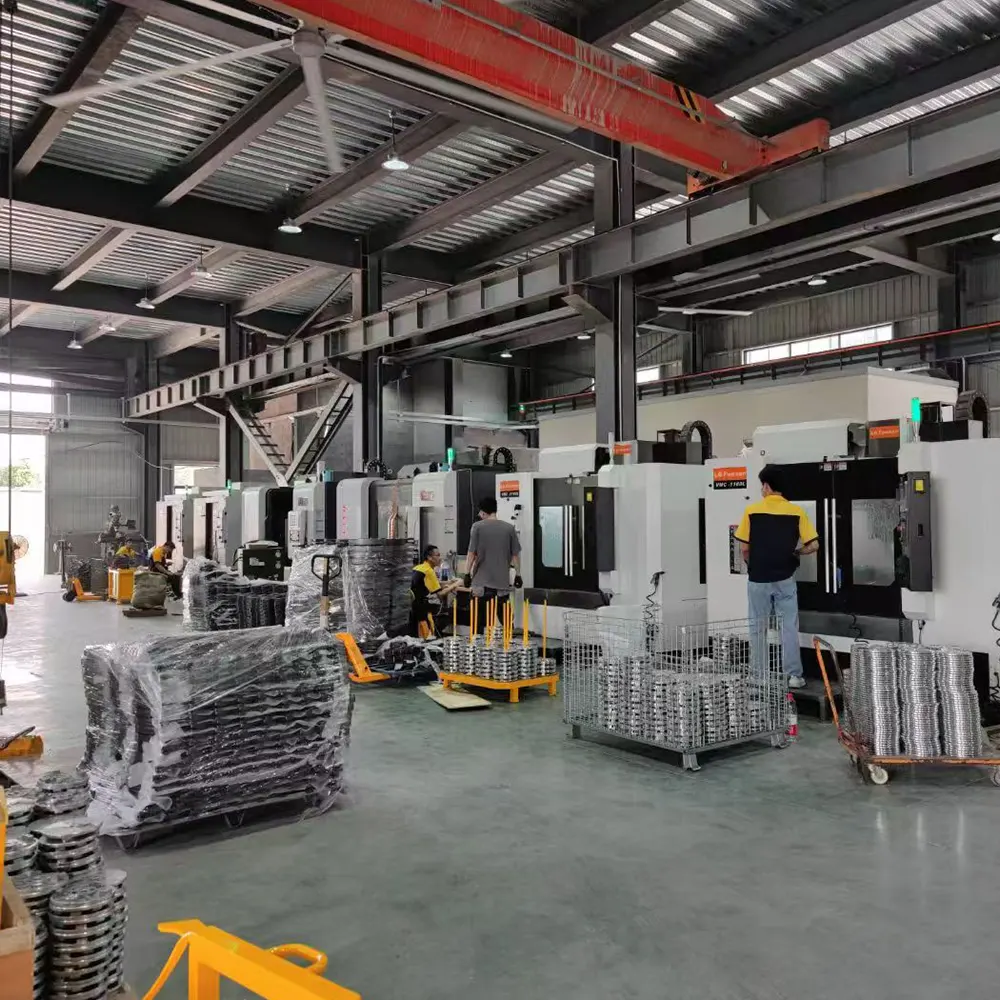
HDPE pipeline projects have become a preferred choice for water supply, gas distribution, mining, agriculture, and industrial fluid transport because they combine long service life, corrosion resistance, flexibility, and low maintenance requirements. Compared with many traditional materials, HDPE pipelines are easier to install in challenging terrain, safer in corrosive environments, and more cost-effective over the full life cycle. In many successful projects, the real difference is not only the pipe material itself, but also the quality of fusion welding, project planning, and on-site execution. That is why contractors, engineers, and distributors often rely on a reliable butt fusion machine to ensure strong and consistent joints across long-distance pipeline networks.
A successful HDPE pipeline project usually starts with the right design strategy. Engineers evaluate soil conditions, pressure requirements, pipe diameter, installation environment, and future maintenance needs before selecting the welding method and equipment. In large-scale applications, fusion quality directly affects the safety and lifespan of the system. Even a well-designed pipeline can fail prematurely if the welding process is unstable. For this reason, project teams often choose professional equipment and experienced operators to create uniform joints that can withstand pressure, vibration, and temperature changes over time.
Why HDPE Pipeline Projects Succeed in Real-World Applications
The strongest HDPE pipeline projects share several common features: accurate material selection, proper trenching and layout, precise fusion procedures, and strong quality control. HDPE pipes are especially successful where traditional steel or concrete systems face corrosion, chemical attack, or difficult installation conditions. Their flexibility also helps reduce damage caused by ground movement. In regions with harsh weather, HDPE pipelines can maintain stable performance because they are less prone to cracking and internal scaling. This makes them ideal for infrastructure projects that need long-term reliability and lower operating costs.
Key advantage: HDPE pipeline systems are not only durable, but also highly adaptable to different terrains, project sizes, and service requirements. When welding is performed correctly, the joints can be as strong as the pipe itself.
Successful Example 1: Urban Water Supply Network Expansion
One common success story is the expansion of an urban water supply network in a fast-growing city. Municipal planners needed a pipeline system that could carry large volumes of potable water while avoiding corrosion and minimizing maintenance. HDPE was selected because it offered excellent resistance to chemical attack and long service life in buried applications. The project required a combination of small and large pipe diameters, so the construction team used different fusion machines to meet varying site conditions and joint sizes.
A major factor behind the project’s success was the use of stable fusion equipment and standardized operation procedures. Each joint was checked for alignment, temperature, and pressure stability before cooling and installation. This reduced leak risk and improved the overall quality of the network. Because HDPE pipes are lightweight, the construction team also reduced labor intensity and shortened installation time. The result was a reliable water supply system that supported city growth and delivered clean water efficiently to residential and commercial users.
Important lesson: For water supply projects, consistent fusion quality is just as important as pipe quality. Good equipment and strict inspection help prevent costly leaks after commissioning.
Successful Example 2: Gas Distribution Pipeline Installation
Gas distribution projects demand exceptional safety and precision because the system operates under strict pressure and leakage requirements. In one successful HDPE gas pipeline installation, contractors selected HDPE due to its ability to resist corrosion and maintain a stable seal over many years. The welding process used advanced butt fusion technology to produce strong and repeatable joints. The entire installation was carefully planned so that pipe alignment, heating time, and cooling cycles remained consistent throughout the job.
To ensure project safety, the team relied on trained welders and strict quality checks. Every section underwent inspection before being buried, and the final network passed pressure testing with excellent results. The project demonstrated how HDPE can serve as a dependable material in gas distribution when paired with reliable fusion equipment and professional execution. For contractors, this kind of result strengthens confidence in using HDPE for future gas infrastructure projects.
In this type of application, many project managers prefer advanced machines from established suppliers such as JQ-Fusion, because stable welding performance is critical for gas networks. Machines with precise temperature control and hydraulic stability help reduce human error and improve joint consistency.
Successful Example 3: Mining Slurry and Water Transport System
Mining projects often expose pipelines to abrasive slurry, high wear conditions, and remote installation sites. In a successful mining pipeline project, HDPE was chosen because it performs well in difficult environments and resists corrosion from moisture and chemicals. The project required long pipeline sections across uneven terrain, and the flexibility of HDPE made installation easier than with rigid alternatives. The lightweight nature of the pipe also reduced transportation and handling costs in the remote area.
The welding team used hydraulic fusion equipment to create strong, durable connections that could handle continuous transport operations. Since mining environments often involve high pressure and constant vibration, the project benefited from a carefully controlled fusion process. The completed pipeline delivered stable performance and reduced maintenance interruptions, which helped the mine improve productivity and protect operational continuity.
Project insight: In mining applications, the combination of flexible HDPE pipes and durable fusion joints creates a strong system for harsh and remote conditions.
Successful Example 4: Agricultural Irrigation Main Line
Agricultural irrigation projects also provide excellent examples of HDPE pipeline success. In one large irrigation system, farmers needed a network that could transport water efficiently across long distances with minimal leakage. HDPE was selected because it is lightweight, easy to install, and resistant to environmental stress. The project included many branches and varying pipe diameters, so the construction team needed welding equipment that could adapt to different field conditions.
The main advantage of the project was speed. Because HDPE pipes are easier to handle than many traditional materials, installation moved quickly even in open farmland. Butt fusion welding ensured secure joints that supported stable water delivery throughout the irrigation season. The system improved water use efficiency, reduced transport loss, and helped farmers maintain better crop yields. In practical terms, this made the HDPE pipeline a long-term investment in agricultural productivity.
Successful Example 5: Industrial Plant Cooling Water System
Industrial facilities often require reliable piping for cooling water, process fluids, and utility distribution. In one successful industrial plant project, HDPE pipelines were installed to replace sections of older metal piping that suffered from corrosion and frequent maintenance issues. The new HDPE system improved operational reliability and reduced the risk of shutdowns caused by leaks or internal scaling. Because the project environment involved continuous operation, the construction team needed strong execution and precise fusion welding.
The pipeline sections were installed with close attention to pressure requirements and alignment accuracy. After commissioning, the system delivered stable performance and significantly lowered maintenance costs. This example shows that HDPE is not limited to outdoor infrastructure; it can also play an important role in industrial plants where long-term durability and low maintenance are essential. Many facilities appreciate that HDPE helps reduce unplanned downtime while supporting reliable fluid transport.
What These Projects Have in Common
Although these projects serve different industries, their success depends on similar principles. First, the engineering team must understand the operating environment and choose the right pipeline specification. Second, the welding process must be stable, repeatable, and well controlled. Third, the project should include inspection and testing at each key stage. Finally, the construction team must be trained to handle the equipment properly and follow a consistent workflow. When these elements work together, HDPE pipelines can outperform many alternatives in durability, installation speed, and lifecycle cost.
Reliable equipment also plays a major role. A well-designed fusion machine helps operators achieve accurate heat control, clean joint preparation, and proper pressure application. This is why many global contractors look for manufacturers with strong engineering capability, strict quality control, and fast technical support. JQ-Fusion, for example, focuses on manual, hydraulic, and CNC automatic butt fusion equipment for a wide range of pipe diameters, serving projects in water supply, gas distribution, mining, and industrial applications. Their experience in global markets supports contractors who need dependable performance and flexible customization.
Worth remembering: The best HDPE pipeline projects succeed because the material, equipment, and installation process are all matched to the job requirements.
How Contractors Improve Project Outcomes
Contractors can improve project outcomes by selecting the right machine for the pipe diameter, site conditions, and production schedule. For small jobs, manual or compact hydraulic systems may be sufficient. For larger infrastructure projects, automatic or CNC butt fusion machines can improve efficiency and repeatability. In all cases, the operator should verify temperature accuracy, hydraulic stability, and clamp alignment before welding begins. This helps ensure that each joint meets the project’s technical requirements.
It is also important to train staff in proper machine operation and maintenance. Even a high-quality machine cannot deliver the expected results if it is used incorrectly. Maintenance routines should include cleaning, inspection, calibration, and safe storage. Contractors who combine skilled labor with reliable equipment often achieve better project timelines, lower rework rates, and stronger long-term performance from their pipelines.
For companies looking to strengthen their own market position, OEM and ODM support can be valuable. Customized voltage, branding, machine size, and configuration help distributors serve different regions and project types. This flexibility can improve competitiveness and make it easier to support multiple kinds of pipeline contracts.
FAQ
Q1: Why are HDPE pipelines so widely used in infrastructure projects?
HDPE pipelines are widely used because they resist corrosion, adapt well to different terrains, and offer a long service life with relatively low maintenance.
Q2: What makes a successful HDPE pipeline project?
Success depends on proper design, correct pipe selection, high-quality fusion welding, and careful inspection during installation and testing.
Q3: Which industries benefit most from HDPE pipelines?
Water supply, gas distribution, mining, agriculture, and industrial plants are among the most common and successful application areas.
Q4: Why is butt fusion important in HDPE projects?
Butt fusion creates strong, leak-resistant joints that can perform like the pipe body itself when the process is done correctly.
Q5: How can contractors improve welding consistency?
They can improve consistency by using reliable equipment, training operators properly, checking machine calibration, and following a strict welding procedure.



