
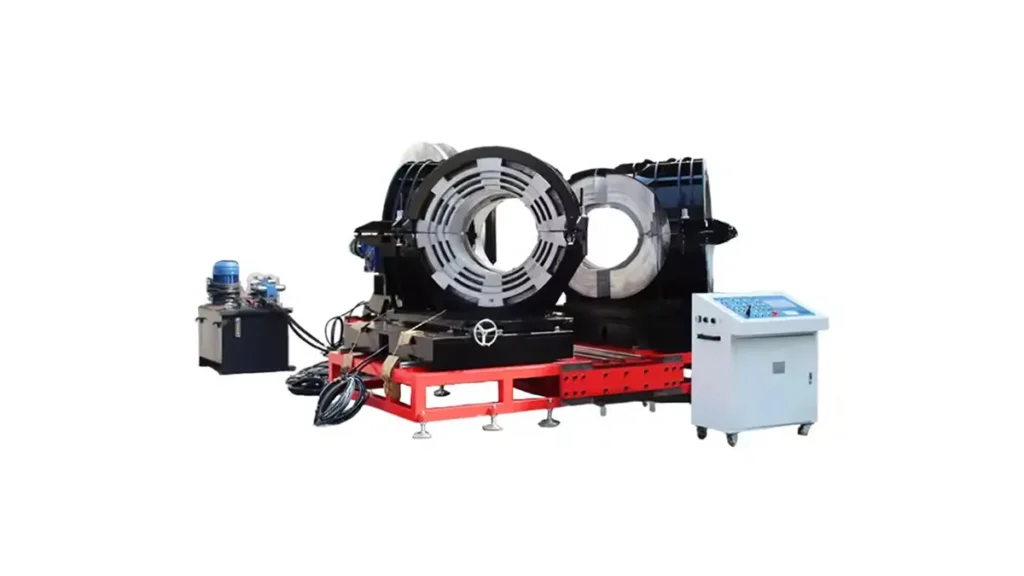
Electrofusion welding fittings are specialized components used to join polyethylene (PE) pipes, primarily HDPE and MDPE, in pipeline systems. Unlike traditional mechanical fittings, electrofusion creates a permanent, homogeneous, and leak-proof joint by using integrated heating elements. When an electric current is applied through a controlled electrofusion welder, these elements melt the inner surface of the fitting and the outer surface of the pipe. As the material cools, it fuses into a single, solid piece, often stronger than the pipe itself.
Understanding Electrofusion Welding Technology
The core principle of electrofusion is precise, localized heat fusion. Each fitting contains a coil of resistance wire. A welding unit reads a barcode or manually entered code on the fitting, which provides the exact voltage, current, and fusion time required. This ensures the correct amount of heat energy is delivered for that specific fitting and pipe material combination, resulting in a consistent and reliable weld every time.
Key Advantage: This method is exceptionally reliable for tie-ins, repairs, and complex layouts where butt fusion machines are impractical. It allows for connections in confined spaces and is ideal for connecting pipes to valves, elbows, tees, and saddles.
Primary Applications of Electrofusion Fittings
Electrofusion is the go-to method in several critical industries:
- Gas Distribution Networks: Mandatory for its safety and integrity in creating permanent, leak-free joints.
- Water & Wastewater Systems: Used for mains, service connections, and repairs without disrupting flow.
- Mining & Industrial Slurry Lines: Resists abrasion and maintains joint strength under high stress.
- Telecommunications Conduit: Provides sealed, waterproof joints for protecting fiber optic cables.
How to Choose the Right Electrofusion Fittings
Selecting the correct fitting is crucial for system integrity. Follow this structured approach:
Step 1: Match the Pipe Material and Grade
Ensure the fitting is made from the same PE material (e.g., PE100, PE100RC, PE80) as your pipe. Mismatched materials have different melt temperatures and chemical properties, leading to weak joints. The Standard Dimension Ratio (SDR) of the fitting must also match the pipe’s SDR for a proper interference fit.
Step 2: Verify Certifications and Standards
Only use fittings that comply with relevant international standards such as ISO 12176, ASTM F1055, or EN 1555. Look for third-party certification marks. Reputable manufacturers, like JQ-Fusion, design their electrofusion welding machines and fittings to meet these rigorous benchmarks, ensuring global project compliance.
Step 3: Consider the Operating Environment
Evaluate the pipeline’s environment. For aggressive soils or chemical exposure, choose fittings with higher resistance ratings (e.g., PE100RC). For above-ground installations, ensure they have adequate UV stabilization.
Pro Tip: For large-diameter or high-pressure mainlines, a butt fusion machine is often more efficient. Electrofusion excels in service connections, branch lines, and repairs. A complete pipeline toolkit often includes both technologies.
Step 4: Assess Manufacturer Credibility
Partner with an established manufacturer known for quality and support. Key factors include:
- Technical Support: Availability of guidance for welding procedures and problem-solving.
- Traceability: Each fitting should have a unique barcode for parameter setting and quality records.
- Global Supply Chain: Reliable logistics for timely delivery to your project site.
Companies with deep expertise, such as JQ-Fusion, offer not just products but comprehensive pipeline joining solutions, including training for both butt fusion and electrofusion techniques.
The Electrofusion Welding Procedure: A Best Practice Guide
Correct installation is as important as the fitting itself. Always follow the manufacturer’s instructions.
- Preparation: Clean and scrape the pipe end to remove oxidation. Ensure it is cut square and deburred.
- Clamping: Securely clamp the pipe and fitting to prevent movement during heating and cooling.
- Connection: Connect the welder to the fitting’s terminals. Scan the barcode for automatic parameter input.
- Fusion Cycle: Initiate the weld. The machine will automatically apply current for the prescribed time.
- Cooling: Allow the joint to cool naturally for the specified time without any stress or disturbance.
Common Pitfalls to Avoid
- Incorrect Pipe Preparation: Inadequate scraping is the leading cause of fusion failure.
- Movement During Cooling: This can create stress points and weaken the joint.
- Using a Non-Calibrated Welder: Regularly service and calibrate your electrofusion welding machine.
- Ignoring Environmental Conditions: Avoid welding in rain, extreme dust, or very low temperatures without proper precautions.
Frequently Asked Questions (FAQs)
Can electrofusion fittings be used for both HDPE and MDPE pipes?
Yes, but it is critical. You must select a fitting specifically designed for the pipe’s material grade (e.g., PE100 or PE80). Using a welder that reads the fitting’s barcode automatically ensures the correct fusion parameters for that material combination.
What is the main difference between electrofusion and butt fusion?
Butt fusion melts and joins the ends of two pipes directly together using a butt fusion machine, making it ideal for long, straight runs. Electrofusion uses a coupler or saddle fitting with an internal heating element, making it perfect for repairs, connections to existing lines, and complex geometries where a large machine cannot fit.
How long does an electrofusion weld take to cool?
Cooling time is critical and varies by fitting size and ambient temperature. A small coupler may require 10-15 minutes, while a large saddle might need over an hour. The welding unit will typically display a minimum cooling time. Never pressurize the line before this time has elapsed.
Are electrofusion joints as strong as the pipe?
When performed correctly, a proper electrofusion joint creates a homogeneous fusion zone. This results in a joint whose tensile strength and pressure rating typically meet or exceed the specifications of the pipe itself, making it a permanent part of the pipeline.
What quality control checks should be done on an electrofusion joint?
Key checks include: visual inspection for a uniform melt bead around the fitting’s indicator holes, verifying the fusion time and parameters were correctly logged by the welder, and ensuring no gaps or voids are present. For critical lines, non-destructive testing methods may be employed.



