
Choosing the right hot melt welding machine supplier can make or break pipeline projects. Whether you are working on water distribution, gas networks, mining operations, or industrial piping, understanding machine types, supplier reliability, and after-sales support helps ensure consistent weld quality and long-term performance.
Overview: What “Hot Melt” Means for Industrial Welding
In the context of thermoplastic piping, “hot melt” commonly refers to butt fusion and related welding techniques used to join HDPE, PP, and other thermoplastic pipes. Modern machines range from portable manual units to fully automatic CNC butt fusion systems designed for large-diameter pipes. Buyers should prioritize suppliers that deliver repeatable welds, robust construction, and certified process controls.
Common Machine Types and Typical Use Cases
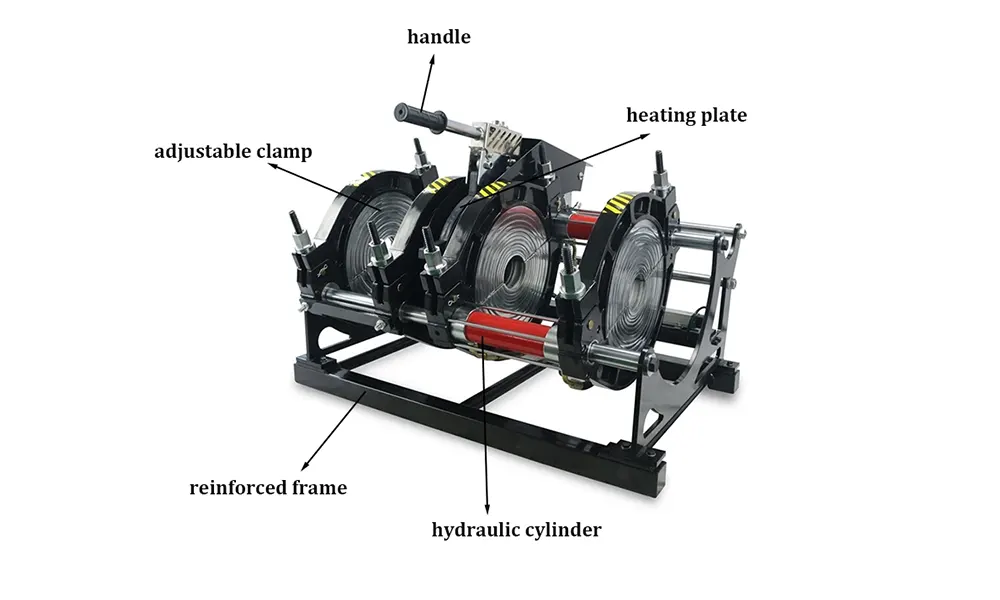
Manual Butt Fusion Machines — Ideal for small projects, repairs, and fieldwork; lightweight and cost-effective. Hydraulic Machines — Provide higher clamping force for medium to large diameters and are suited to repetitive site welding. Automatic and CNC Machines — Best for large infrastructure projects where precision, weld recording, and efficiency are essential.
Top Selection Criteria for Buyers
When comparing suppliers, assess these factors: equipment reliability, availability of parts, local service or distributor presence, welding procedure specification (WPS) support, training offerings, and documented test results. Suppliers that provide calibration, traceable weld records, and clear maintenance guides reduce downtime and risk during critical installations.
Key Certifications and Standards to Look For
Ensure the supplier’s machines and processes comply with industry standards such as ISO, ASTM, or regional pipeline codes. For municipal or energy projects, traceable quality records and third-party test reports are often mandatory.
Quick Comparison: Machine Types at a Glance
| Type | Best For | Typical Pipe Range | Primary Benefit |
|---|---|---|---|
| Manual | Field repairs, small crews | 20mm–630mm | Portable & cost-effective |
| Hydraulic | Medium to large site installations | 50mm–1800mm+ | High clamping force & durability |
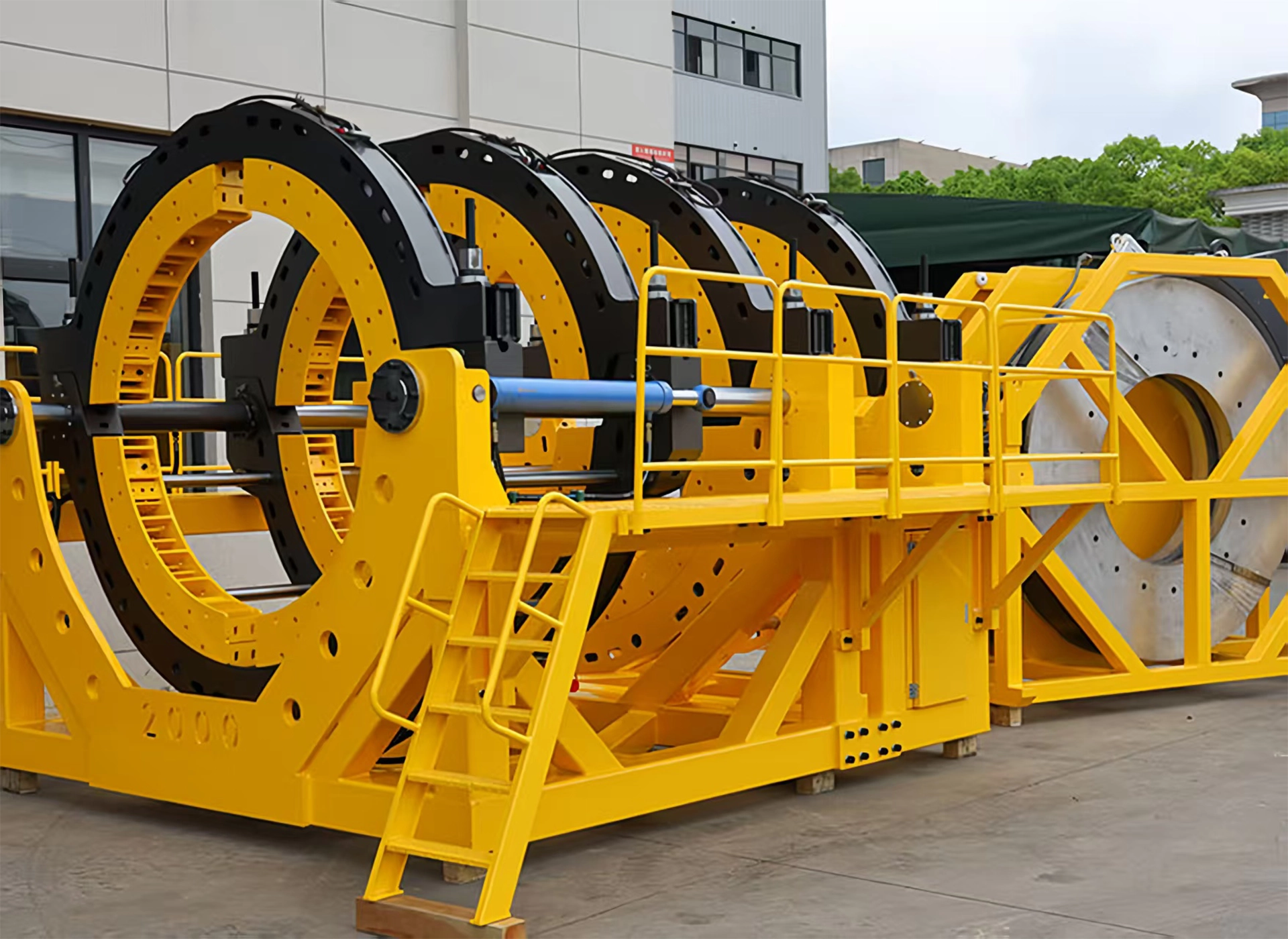
| Automatic / CNC | High-volume or precision projects | 63mm–2250mm+ | Repeatable welds & data logging |
Service networks and spare parts stock are often decisive. A reputable supplier will offer training, calibration, and on-site commissioning to ensure teams hit project quality targets quickly.
How to Evaluate Supplier Reliability
Ask for references from similar projects, request sample weld reports, and confirm export experience if you are sourcing internationally. Reliable suppliers provide clear documentation, long-term parts availability, and transparent lead times. Look for manufacturers with dedicated R&D and testing facilities to support product upgrades and compliance with changing codes.
Cost vs. Value: Making a Smart Investment
Lower upfront cost can be attractive, but factor in downtime, consumables, training, and warranty coverage. Machines with better controls and diagnostics often reduce operator error and lower the total cost of ownership over multi-year projects.
Local Considerations for Buyers
Project scope, climate, and workforce skill levels influence machine choice. In remote or harsh environments, prioritize rugged hydraulic systems and reliable power options. For urban infrastructure, compact and low-noise units facilitate easier site operation and regulation compliance.
Where to Start: A Practical Procurement Checklist
Define pipe materials and diameters, confirm required weld procedure specifications, evaluate supplier support capabilities, and include acceptance test requirements in tender documents. Request demonstration videos or on-site trials when possible.
For manufacturers and suppliers committed to global infrastructure projects, JQ-Fusion offers a broad range of manual, hydraulic, and automatic butt fusion machines with proven performance in water, gas, mining, and industrial pipeline systems. Visit their site for detailed product specs and service options: https://jq-fusionwelding.com/
Final Tip
Choose a supplier that acts as a partner—one who provides training, spare parts, documentation, and responsive service. That partnership ensures your hot melt welding equipment delivers consistent, certified welds across the life of your project.



