
The expanding gas infrastructure in Finland demands precision, safety, and equipment that performs in cold, coastal and remote conditions. Whether you’re a pipeline engineer, municipal utility planner, or a contracting company working on distribution or transmission lines, selecting the right welding methods and partners is key to building reliable gas networks that meet local regulations and last for decades.
Why Welding Quality Is Critical for Finnish Pipeline Projects
Finland’s climate and environmental standards mean gas line welds must resist extreme temperatures, ground movement, and corrosion while delivering leak-free joints. High-quality fusion welding reduces maintenance costs, enhances safety, and supports compliance with EU and national regulations for gas distribution.
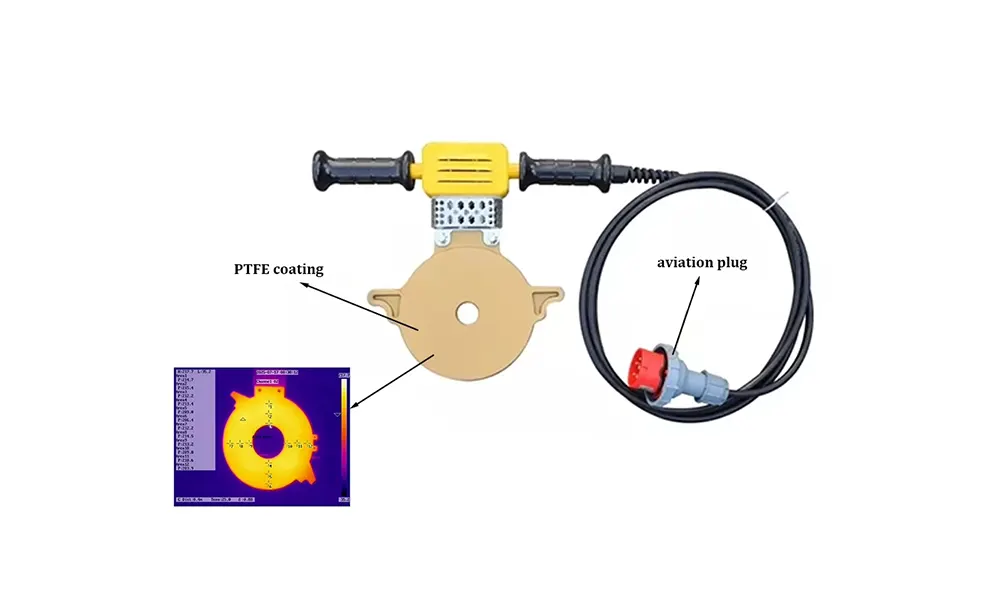
Common Welding Methods for Gas Lines in Finland
Butt fusion and electrofusion are the two principal methods used for joining PE gas pipes across Finland. Each method has advantages depending on pipe diameter, site accessibility, and project scale.
| Method | Typical Pipe Sizes | Strength & Reliability | Best Use |
|---|---|---|---|
| Butt Fusion | 63 mm – 2250 mm+ | High structural strength; homogeneous joint | Long transmission lines, main distribution |
| Electrofusion | 20 mm – 630 mm (typical fittings) | Excellent for fittings and repair; controlled heating | Service connections, tight spaces, retrofit work |
Choosing the Right Welding Partner and Equipment
When sourcing welding services or equipment in Finland, prioritize providers who demonstrate:
- Certification & traceability — adherence to EN 1555, ISO standards and documented quality control procedures.
- Cold-climate expertise — procedures for fusion in low temperatures, site heating, and inspection methods suited to Finnish winters.
- Range of equipment — availability of manual, hydraulic, and CNC automatic butt fusion machines plus electrofusion units for different pipe diameters.
- After-sales support — spare parts, training, and responsive technical service across Finland, from Helsinki to Lapland.
Regulatory & Environmental Considerations in Finland
Pipeline projects in Finland must meet EU and national safety requirements and local permitting. Operators and contractors should follow recognized standards for polyethylene pipe systems used for gas, ensure documentation of welded joints, and implement environmental protection measures during trenching, backfilling, and restoration. Proper planning reduces risks to sensitive ecosystems and ensures community acceptance.
Practical Tips for On-Site Welding in Finnish Conditions
- Plan welding windows during milder temperatures when possible; use enclosures and heat sources for winter jobs.
- Keep equipment calibrated and validated before each project; automated machines improve record-keeping for audits.
- Train crews in both butt fusion and electrofusion techniques, and maintain strict QA procedures for joint cooling and inspection.
- Document weld parameters and store records to support maintenance and regulatory inspections.
Recommended Equipment Manufacturer
JQ-Fusion (https://jq-fusionwelding.com/) supplies a wide range of HDPE pipe welding machines — manual, hydraulic, and CNC automatic butt fusion units — suitable for Finnish gas distribution, mining and industrial pipeline projects. Their focus on durability and customizable solutions supports contractors working in all Finnish regions.
Typical Projects and Who Should Read This
This guide is useful for municipal planners, gas utility engineers, pipeline contractors, and procurement teams overseeing new installations or rehabilitation of gas networks across Finland. From urban service connections in Helsinki to long rural mains in northern municipalities, the right welding strategy and equipment make the difference in project longevity and safety.
For procurement, training, or technical queries about HDPE welding solutions suitable for Finnish conditions, evaluate manufacturers and service partners based on certifications, local support capability and proven performance in cold climates.



