
Finland’s infrastructure projects demand robust, weather-resistant solutions — especially when working with polyethylene (PE) piping for water, gas, and industrial systems. This guide explores trusted polyethylene welding machines for Finnish contractors, municipalities, and pipeline installers, helping you choose equipment that performs reliably in cold climates and remote locations.
Why Polyethylene Welding Machines Matter in Finland
HDPE and other polyethylene materials are increasingly used across Finland due to their corrosion resistance, long service life, and flexibility in harsh conditions. Welding machines designed for butt fusion and electrofusion create leak-free joins ideal for drinking water distribution, district heating conduits, stormwater systems, and gas networks. For Finnish projects — often located in snowy, coastal, or northern terrains — the right welding equipment can reduce downtime, improve joint integrity, and ensure compliance with EU and national standards.
Common Machine Types and When to Use Them
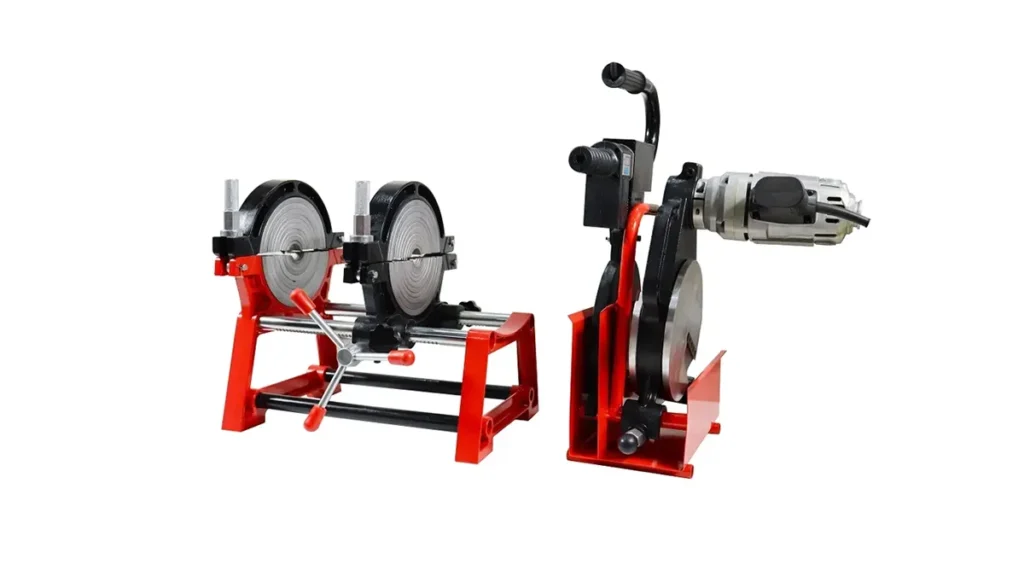
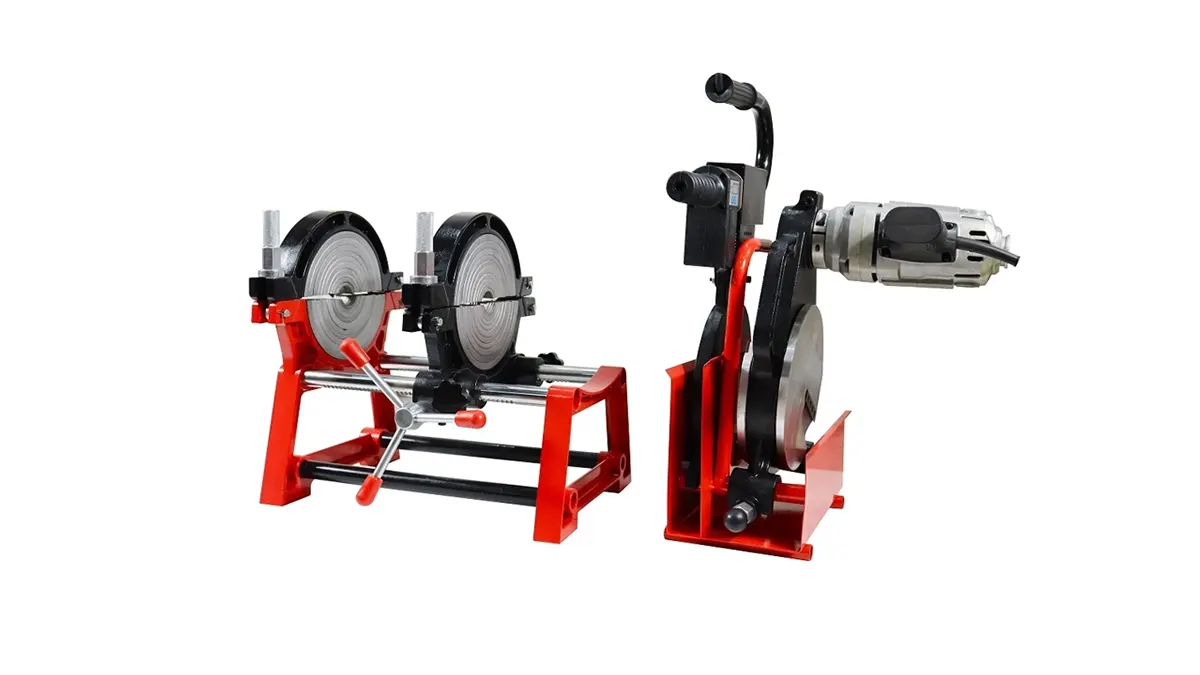
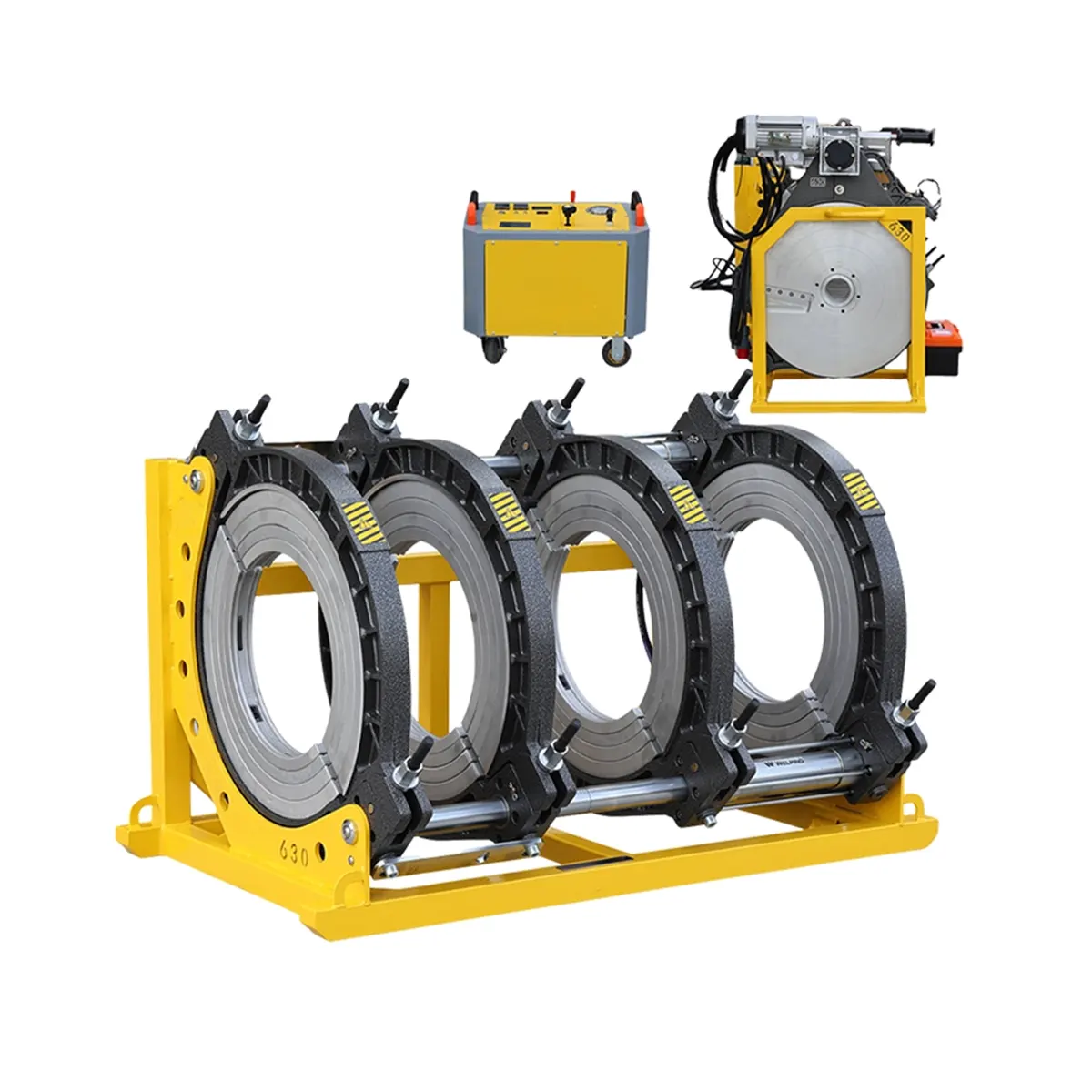
Manual units are compact, cost-effective, and suitable for small-diameter pipes or occasional work. Hydraulic machines offer higher clamping force and stability for medium to large diameters. Automatic/CNC systems deliver precise control and are ideal for high-volume or large-diameter projects where repeatability and documentation matter.
Quick comparison table
| Machine Type | Typical Pipe Range | Best For | Key Advantage |
|---|---|---|---|
| Manual Butt Fusion | 20–400 mm | Repair work, small jobs, tight sites | Portable & economical |
| Hydraulic Butt Fusion | 90–2000 mm | Municipal pipelines, industrial lines | Stable clamping for larger diameters |
| Automatic / CNC Butt Fusion | 63–1600+ mm | Large projects, fabrication yards | Precise control, welding records |
Features to Prioritize for Finnish Conditions
- Cold-start capability — heaters and plates that reach and maintain temperature quickly in low ambient temperatures.
- Insulated or heated transport cases for fragile components and sensors.
- Portable power options and robust hydraulic systems for remote sites.
- Clear, multilingual control interfaces and data logging for compliance and traceability.
- Spare parts availability and easy serviceability to minimize downtime during seasonal work.
Welding Best Practices for Cold Climates
Cold weather affects material stiffness and heating behavior. Adopt these practices to ensure strong, reliable joints:
- Store pipes and consumables indoors where possible; allow materials to acclimatize before welding.
- Use foils or blankets to insulate the joint area during heating and fusion.
- Extend heating times slightly for very low temperatures and follow manufacturer temperature charts.
- Perform test welds and record results — documentation is highly valued by Finnish authorities and project owners.
Service, Training and After-Sales Considerations
Reliable after-sales support is crucial for long-term operation. Look for suppliers offering operator training tailored to winter work, certified technicians, and documented welding procedures. Quick access to spare parts and consumables (heating plates, clamps, cutters, facing tools) reduces project risk, especially for remote Finnish sites.
How to Choose a Supplier
When evaluating suppliers, ask for: project references in Nordic or EU regions, CE/ISO certification, sample weld records, warranty details, and training programs. Field-proven equipment and a responsive service network are essential for meeting tight construction schedules and regulatory obligations in Finland.
JQ-Fusion is a professional manufacturer specializing in HDPE pipe welding machines, providing manual, hydraulic, and CNC automatic butt fusion solutions for global infrastructure projects. Visit the official site for model details, specifications, and contact information.



