
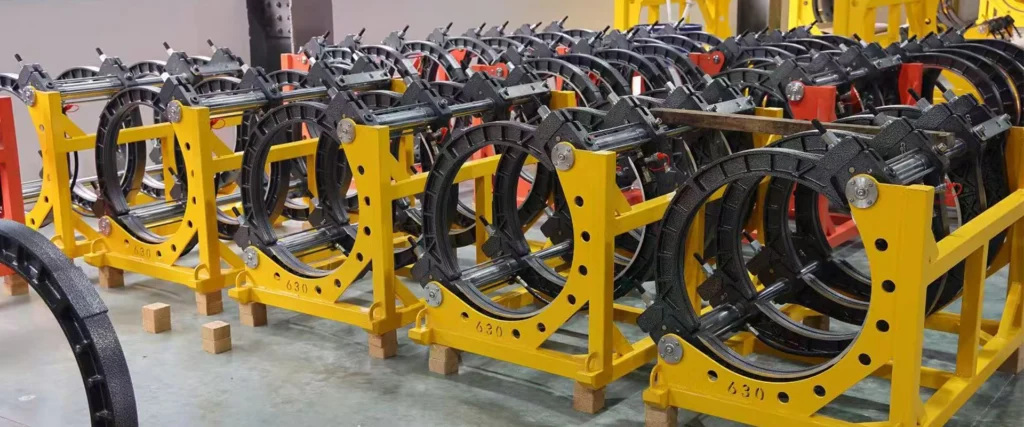
Polyethylene (PE/HDPE) welding machines are essential for creating leak-free joints in water, gas, and industrial pipelines. This practical guide explains how to operate butt-fusion and electrofusion welding equipment safely and efficiently, with clear steps, safety checks, parameter guidance, troubleshooting tips, and maintenance best practices to help technicians deliver consistent results.
When to Use a Polyethylene Welding Machine
Typical applications: repairing PE mains, joining HDPE distribution pipes, on-site pipeline installation, and prefabrication of fittings. Choose butt fusion for straight pipe-to-pipe connections and electrofusion for fittings and repairs where clamps are impractical.
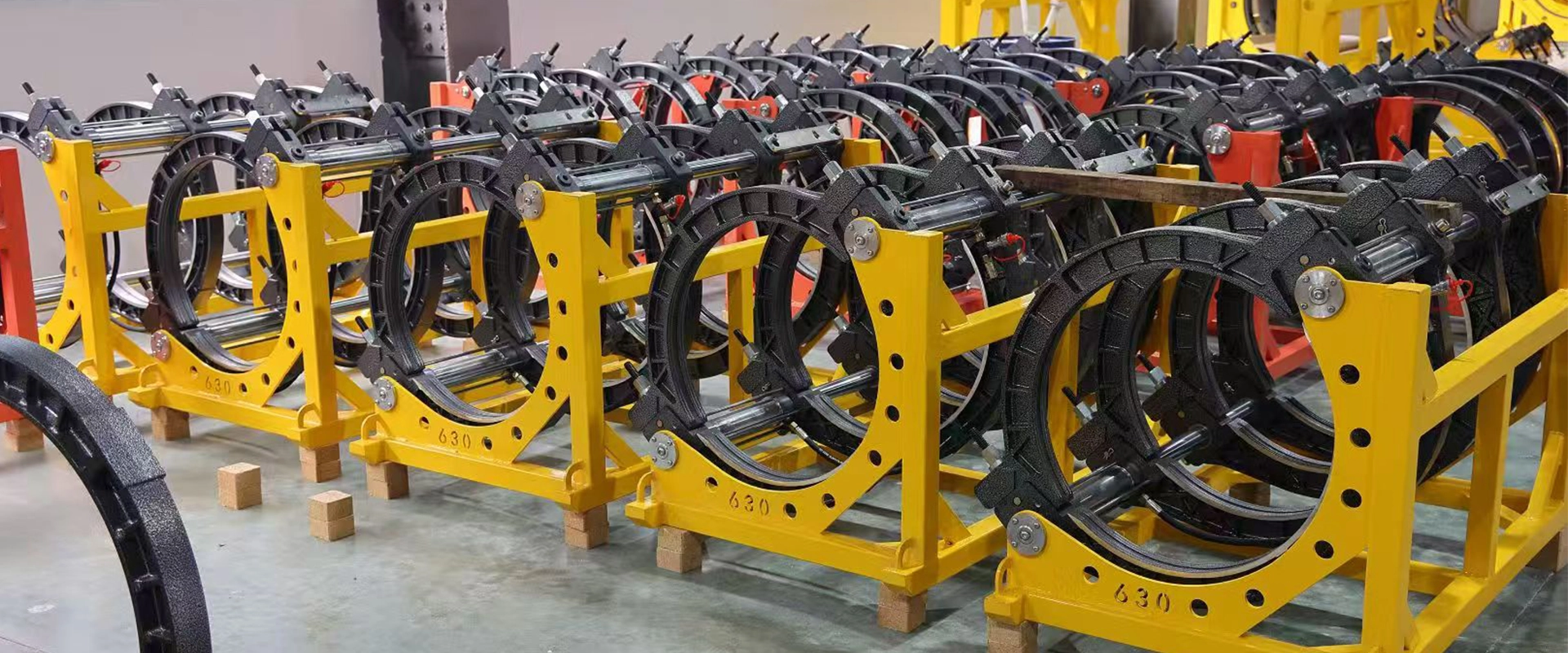
Pre-Operation Safety Checklist
Before powering the machine, verify the following to reduce risk and improve weld quality:
• Inspect machine frame and clamps for visible damage and tightness.
• Ensure the heating plate surface is clean and reaches specified temperature.
• Confirm hydraulic lines (if present) are leak-free and correctly connected.
• Verify correct pipe alignment, cleaning, and beveling tools are on site.
• Wear PPE: heat-resistant gloves, eye protection, and protective footwear.
Step-by-Step Operation (Butt Fusion)
Step 1: Preparation — Clean pipe ends, check dimensions, and insert into the clamp frame. Use pipe alignment guides and make sure the ends are square.
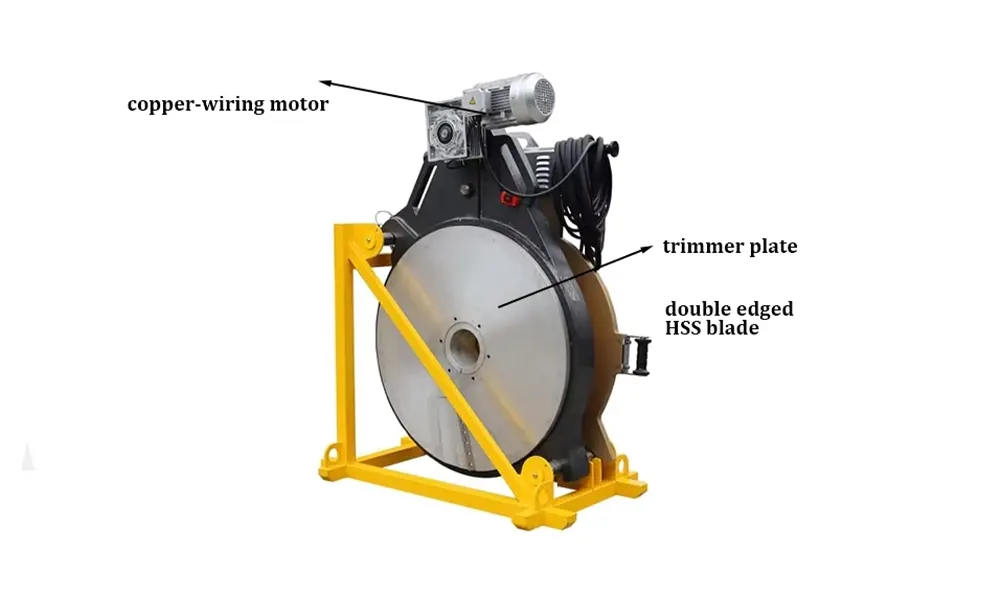
Step 2: Facing/Trimming — Mount the trimmer and face both pipe ends until smooth and free of contamination. Accurate facing prevents cold joints.
Step 3: Heating — Place the heating plate between pipe ends. Apply the manufacturer-recommended heating pressure and time. Do not leave the plate in contact longer than required.
Step 4: Fusion — Remove the heater and immediately apply the designated fusion pressure until the joint cools to ambient temperature per the procedure. Avoid moving the joint during cooling.
Step 5: Inspection — Check bead formation and uniformity. Measure bead height if required and document weld parameters.
Quick Parameter Guide (Typical Values)
| Pipe OD (mm) | Heating Temp (°C) | Heating Time (s) | Fusion Pressure (bar) |
|---|---|---|---|
| 20 – 63 | 200 ± 10 | 20 – 60 | 1.5 – 3.0 |
| 75 – 315 | 200 ± 10 | 60 – 240 | 3.0 – 10.0 |
| 400 – 1600 | 200 ± 10 | 240 – 1200 | 10.0 – 30.0 |
Note: These values are representative; always follow the welding machine and material supplier specifications for exact times and pressures.
Common Issues and Troubleshooting
Poor bead formation — Check heater temperature and facing accuracy. Replace worn heater plates and reface pipe ends.
Asymmetric beads or misalignment — Re-clamp and realign pipes; ensure clamp surfaces and clamps are clean and free of debris.
Hydraulic slippage or pressure loss — Inspect hydraulic fluid level and hoses; test relief valves and seals. Keep a maintenance log for pressure checks.
Essential Maintenance Tips
Daily: Clean heater plates, inspect clamps, and verify temperature sensors.
Monthly: Check hydraulic oil condition, tighten frame fasteners, and lubricate moving parts per the manual.
Annual: Calibrate pressure and temperature controls and replace worn seals, heater elements, and critical sensors.
Best Practices for Field Quality Control
Record weld logs with machine ID, operator, pipe grade, OD, wall thickness, heater temperature, fusion time, pressure, and visual bead inspection results. Randomly sample destructive tests where regulations or contracts require verification.
Safety Reminders
Never bypass safety interlocks. Keep bystanders clear during heating and fusion. Use insulated tools when handling hot plates and joints. Dispose of any contaminated or damaged pipe sections properly.
FAQs
Q: How long should a fusion joint cool before handling?
A: Cooling time depends on pipe size and ambient temperature; larger diameters require longer cooling under controlled pressure—follow the machine manufacturer’s cooling schedule.
Q: Can different PE grades be welded together?
A: Welding dissimilar PE materials can be risky; consult material compatibility charts and supplier guidance before attempting mixed-grade joins.
About JQ-Fusion: JQ-Fusion is a professional manufacturer specializing in HDPE pipe welding machines, providing reliable butt fusion solutions for global infrastructure projects. Visit https://jq-fusionwelding.com/ for product details and support.



