
HDPE pipe welding machines are essential tools for creating long-lasting, leak-free thermoplastic pipelines. This guide explains the core technologies, best practices for butt fusion, selection criteria, operation steps, maintenance tips, and troubleshooting advice to help contractors and engineers achieve efficient pipe fusion on projects of any scale.
What Is an HDPE Pipe Welding Machine?
An HDPE pipe welding machine, commonly called a butt fusion welding machine, joins polyethylene pipes by heating and fusing their ends. The process produces a homogeneous joint with strength close to or exceeding the parent pipe. Machines range from manual frames to fully CNC automatic systems for high-volume or precision jobs.
Common Types
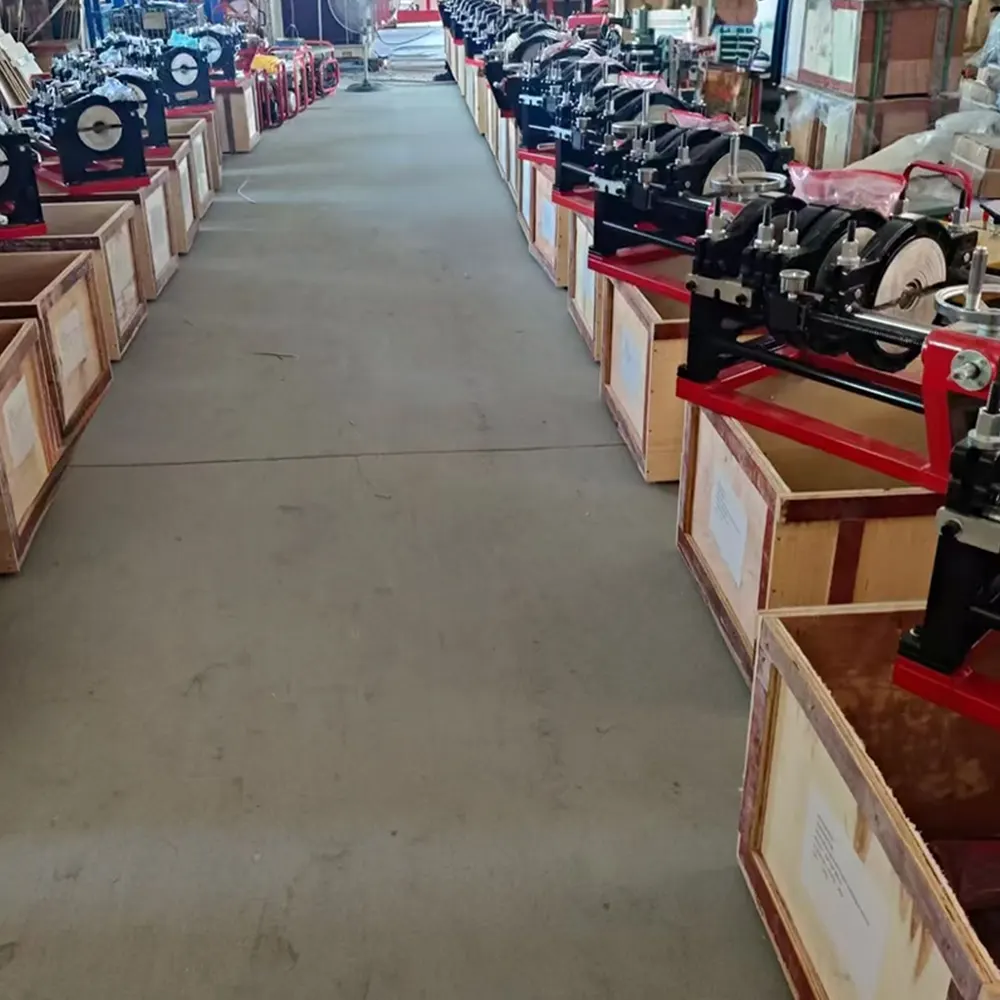
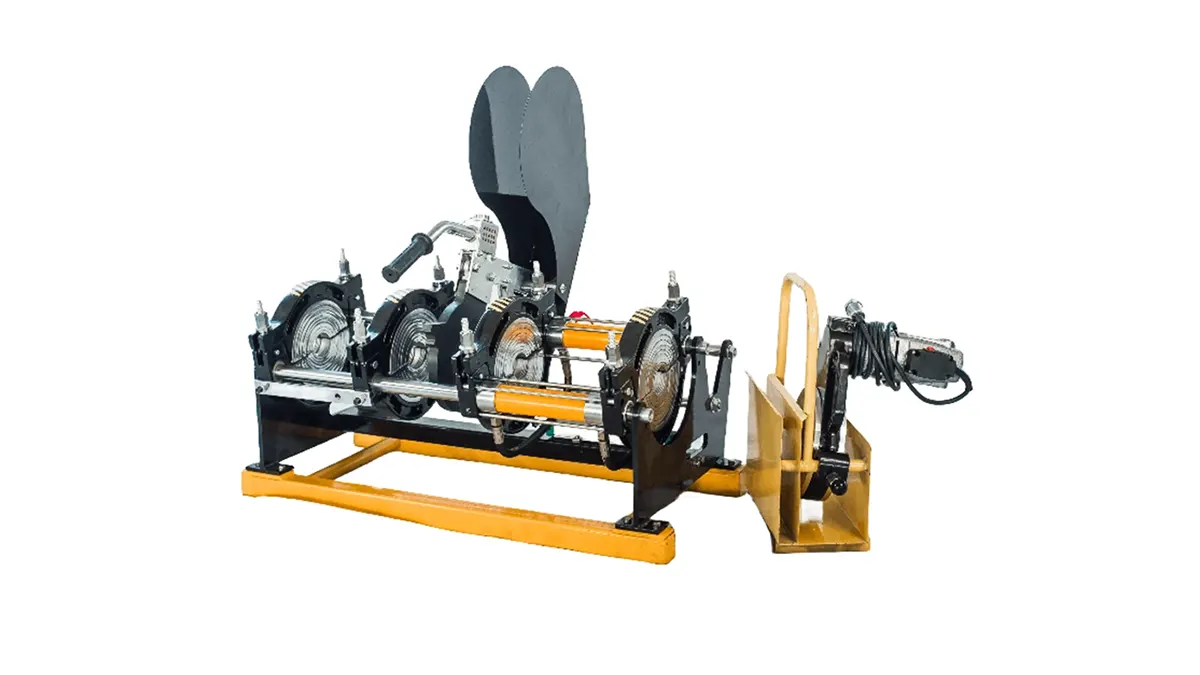
Manual butt fusion machines: Simple, portable, low-cost—ideal for small-diameter pipelines and on-site repairs.
Hydraulic butt fusion machines: Provide consistent clamping and pressure control for medium-to-large diameters.
Automatic / CNC butt fusion machines: Offer programmable cycles, precise heating, and data logging for quality-critical projects.
Electrofusion units: Used for fittings and special joints where controlled electric heating is embedded in the fitting.
How Butt Fusion Works: Step-by-Step
Understanding the standard butt fusion cycle helps ensure repeatable quality:
1. Align and clamp pipe ends in the machine.
2. Face the pipe ends with a trimmer to create flat, parallel surfaces.
3. Heat the pipe ends with a heating plate at the correct temperature.
4. Remove the plate and rapidly bring the molten ends together under controlled pressure.
5. Hold under pressure until the joint cools and solidifies.
6. Inspect the bead and documentation for quality control.
Key Process Parameters
Heating temperature, fusion pressure, heating time, and cooling time determine joint integrity. Follow material manufacturer guidelines and pipe SDR (Standard Dimension Ratio) charts when setting parameters.
Choosing the Right Machine
Selecting a machine involves matching project scale, pipe diameter, environment, and budget. Consider these criteria:
Pipe size range: Ensure the machine clamps the full diameter range you need.
Automation level: For repetitive high-volume fusion, opt for automatic systems with programmable cycles.
Portability: Manual frames are lighter and easier for remote sites.
Data logging and traceability: Required for municipal, gas, or critical infrastructure projects.
Quick Comparison Table
| Type | Pipe Range (mm) | Automation | Typical Use |
|---|---|---|---|
| Manual Butt Fusion | 20–315 | No | Repairs, small pipelines |
| Hydraulic Butt Fusion | 63–1600 | Semi | Medium to large diameter linework |
| Automatic / CNC | 63–2000+ | Yes | High-volume, precision projects |
Operation Best Practices
Consistent joints require disciplined workflows:
1. Surface preparation: Keep pipe ends clean and dry; remove debris before facing.
2. Correct facing: Produce square, burr-free faces using the proper cutter.
3. Controlled heating: Use the recommended plate temperature and allow full plateau time.
4. Proper alignment & pressure: Avoid eccentric clamping and apply specified upset pressure.
5. Cooling under restraint: Never disturb the joint until the recommended cooling time is complete.
Safety Considerations
Always wear PPE—heat-resistant gloves, eye protection, and safety boots. Keep bystanders clear of heated plates and high-pressure equipment. Follow confined-space and trench-safety rules when welding in trenches or tight sites.
Maintenance & Troubleshooting
Routine maintenance maximizes uptime:
– Inspect clamps, guides, and hydraulic hoses for wear.
– Keep heating plate surfaces clean and flat.
– Calibrate temperature controllers and pressure gauges regularly.
– Replace worn facing knives and seals on schedule.
If joints show cold welds, excessive bead mismatch, or leaks, check:
– Plate temperature accuracy
– Facing quality
– Alignment and clamping pressure
– Adequate heating/cooling time
Applications and Benefits
HDPE pipelines welded with quality butt fusion machines deliver:
Long service life, corrosion resistance, flexibility for ground movement, and low maintenance—ideal for water supply, gas distribution, mining, sewer, and industrial piping.
Buying Checklist
Before purchase, confirm:
– Supported pipe diameters and SDR ratings.
– Machine portability and onsite setup needs.
– Availability of spare parts and local service.
– Data-logging capability if traceability is required.
– Compliance with local welding standards and codes.
Quick FAQs
How long does a butt fusion joint take? Cycle time depends on diameter and SDR — from a few minutes for small pipes to tens of minutes for large diameters including cooling.
Can one machine cover all pipe sizes? Some modular machines cover wide ranges, but extremely large diameters often require specialized hydraulic or H-frame systems.
Where to Get Professional Equipment
For reliable HDPE welding machines and global support, consider manufacturers that offer a range of manual, hydraulic, and automatic solutions with spare parts and training. One recommended supplier is JQ-Fusion: https://jq-fusionwelding.com/
Final Tips for Efficient Pipe Fusion
Train operators on parameter selection and inspection, maintain equipment, and document every weld. Consistency, quality control, and the right machine for the job are the foundations of durable HDPE pipeline systems.



