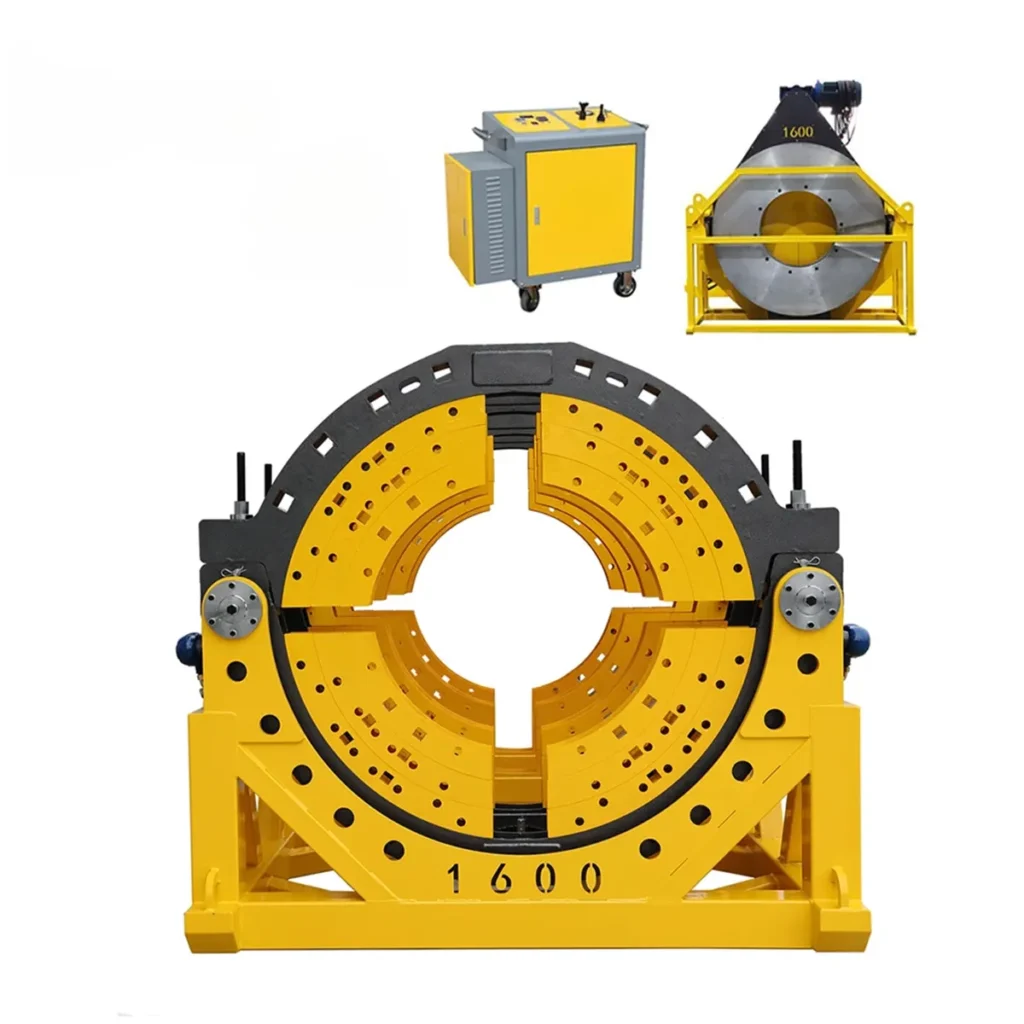
Investing in the right polyethylene welding machine for water pipelines is a critical decision that directly impacts the integrity, longevity, and safety of your infrastructure projects. Whether you are a contractor, municipal engineer, or a distribution partner, understanding the nuances of HDPE pipe joining is essential. This comprehensive guide walks you through the key machine types, technical specifications, industry standards, and essential buying considerations to help you make an informed purchase.
Understanding Polyethylene Welding Machine Technology
Polyethylene (PE) pipes have become the gold standard for potable water, sewage, and industrial fluid transport. Their flexibility, corrosion resistance, and long service life make them superior to traditional materials. To create a leak-proof monolithic system, the pipe ends must be fused, creating joints that are as strong as the pipe itself. The most common method is butt fusion welding, a process requiring precise control of temperature, alignment, and pressure. A polyethylene welding machine for water pipelines facilitates this by heating the pipe ends under controlled pressure and then forging them together during a cooling phase. Understanding the specific machine categories is the foundation of your buying journey.
Manual Butt Fusion Machines
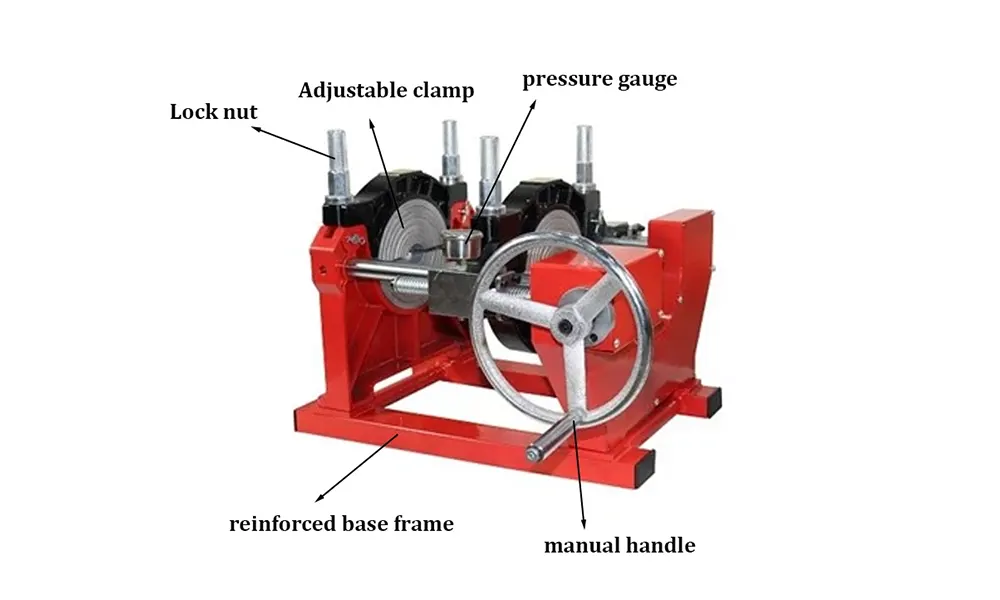
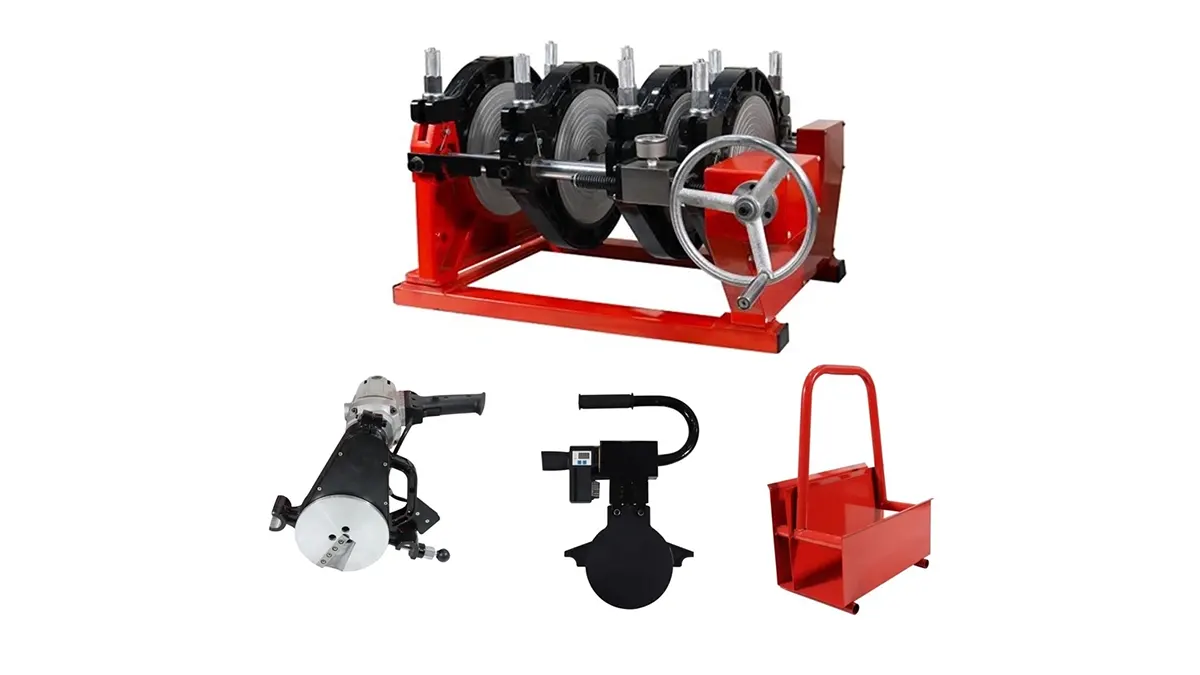
Manual machines are the workhorses for smaller diameter pipes, typically ranging from 40mm to 315mm. These units require the operator to mechanically set the fusion sequence using a lever handle. While they lack the digital data logging of automatic machines, they offer exceptional durability and simplicity. A high-quality manual manual butt fusion machine features a rigid frame, anti-slip clamps, and a durable Teflon-coated heating plate. They are cost-effective solutions for rural water schemes and utility connections where budget and reliability are top priorities.
Hydraulic Butt Fusion Machines
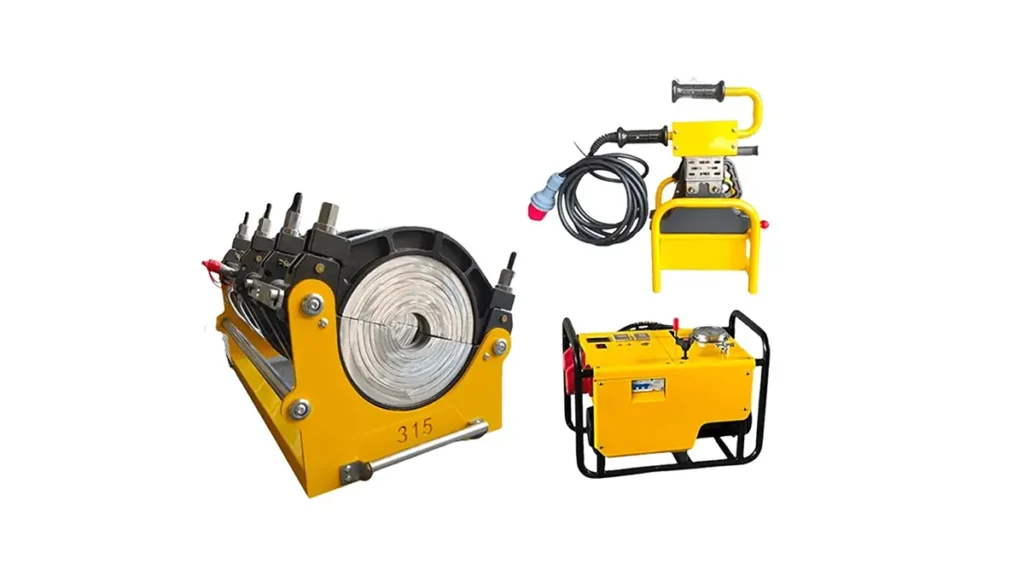
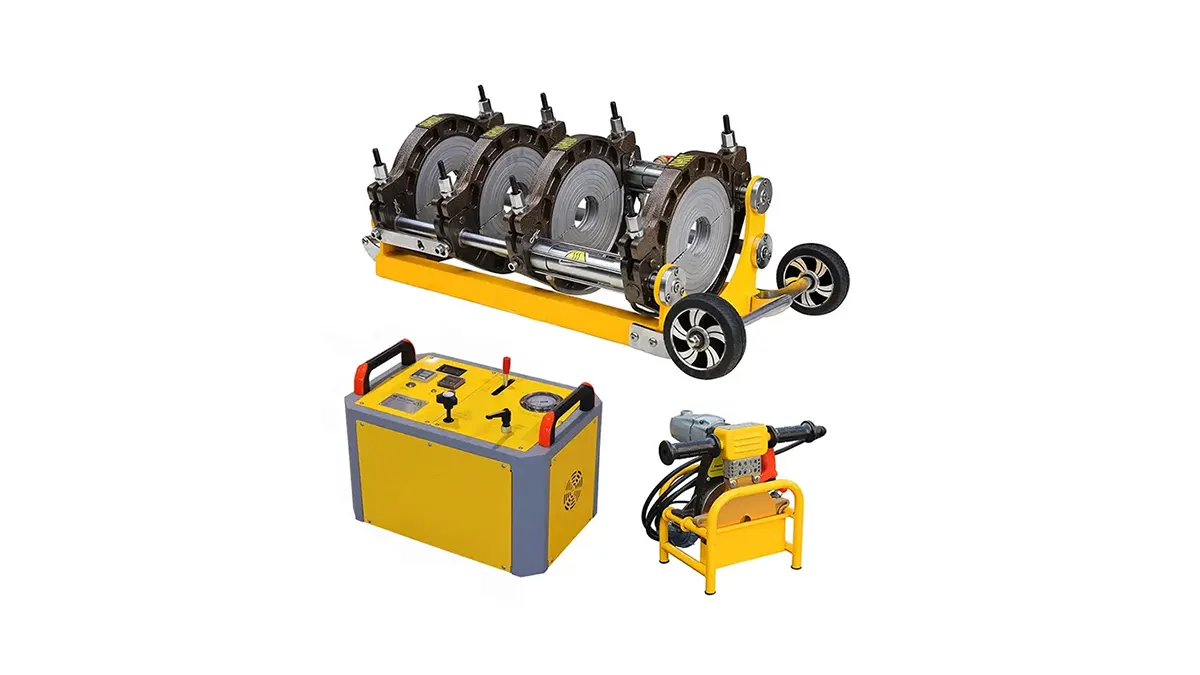
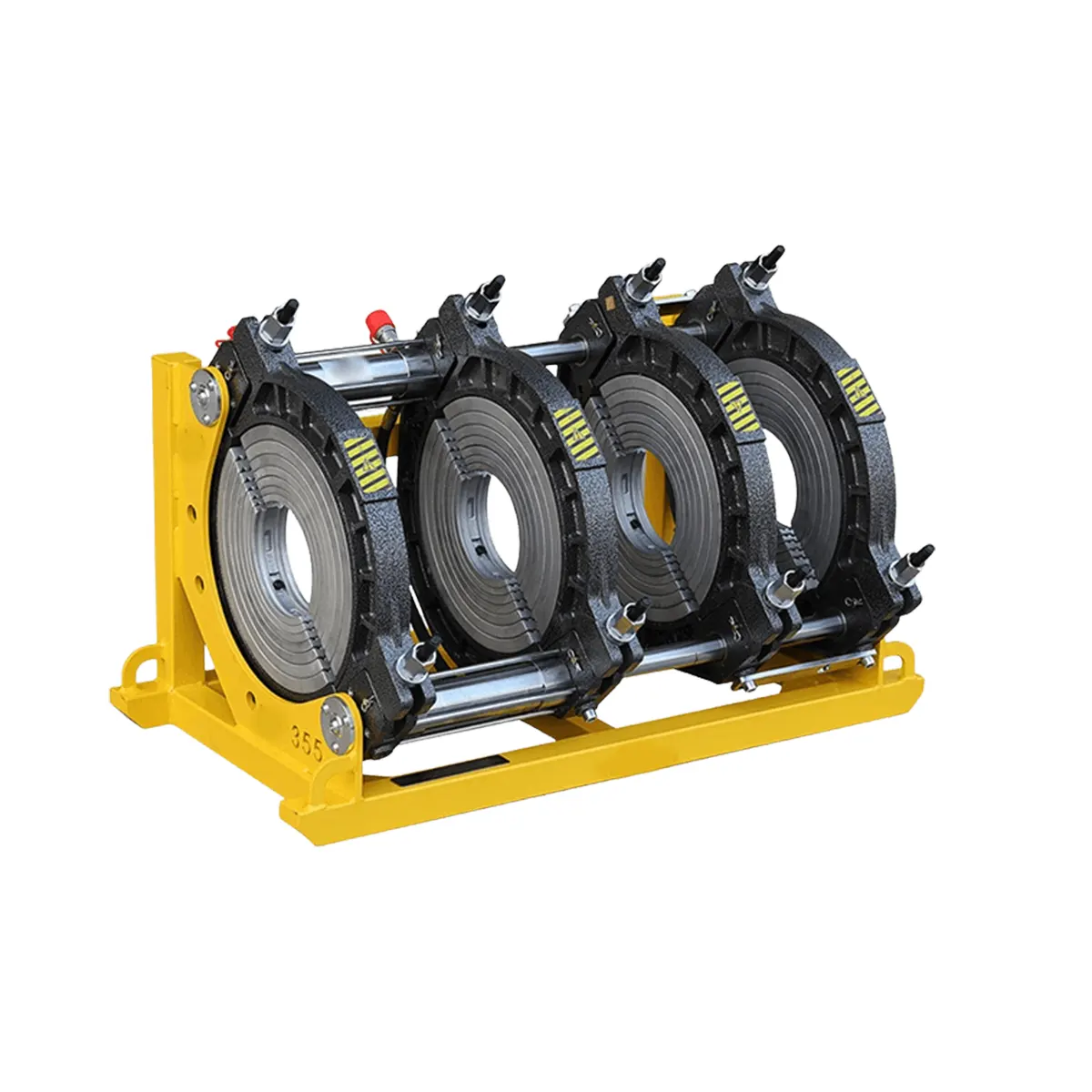
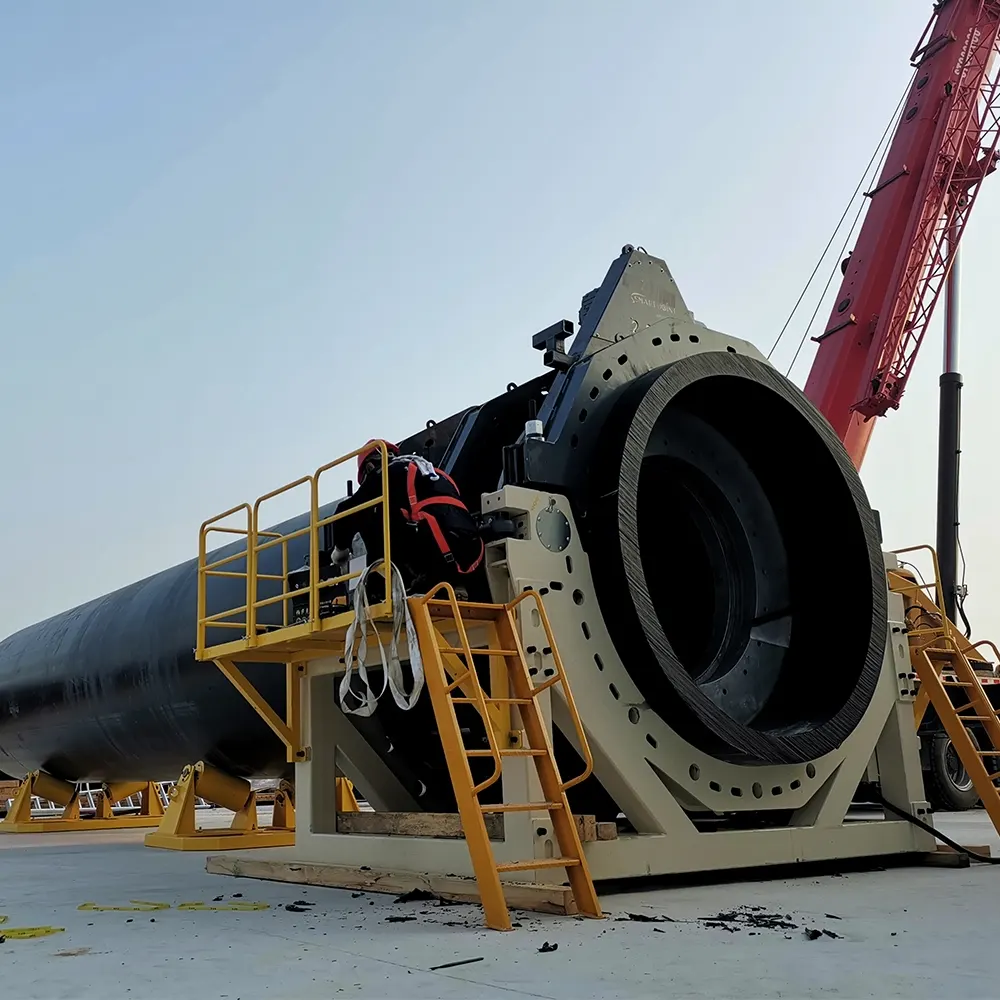
When you move into medium and large-diameter pipelines (from 200mm up to over 2000mm), hydraulic power becomes non-negotiable. These systems utilize a hydraulic power pack to generate the enormous clamping and driving forces required to move heavy pipe sections. A robust polyethylene welding machine for water pipelines in this category features a separable frame for easy on-site handling, high-strength clamps to grip the pipe without slippage, and a precise hydraulic manifold. The pressure gauge must deliver seamless regulation to maintain the required interfacial pressure as per the ISO 21307 butt fusion procedures. For large-scale water transmission mains, these machines are indispensable.
CNC Automatic Butt Fusion Machines
For projects demanding total quality assurance, automatic CNC machines remove the risk of human error. These machines log every parameter of the fusion cycle—temperature, pressure, and time—generating a traceable report for each joint. This critical feature ensures compliance with the PE pipe fusion standards. A polyethylene welding machine for water pipelines with CNC control automatically manages the bead-up and heat-soak phases. If the operator tries to bypass a required step, the machine locks out, guaranteeing that the joint meets the rigorous requirements of modern water authority specifications.
Key Selection Criteria for Water Pipeline Machines
Selecting machinery requires a careful balance between technical specifications and operational realities. Do not be swayed by price alone; focus on the machine’s ability to produce consistent joints in your specific environment. The following criteria will help you narrow down the best polyethylene welding machine for water pipelines for your project.
Pipe Diameter and SDR Range
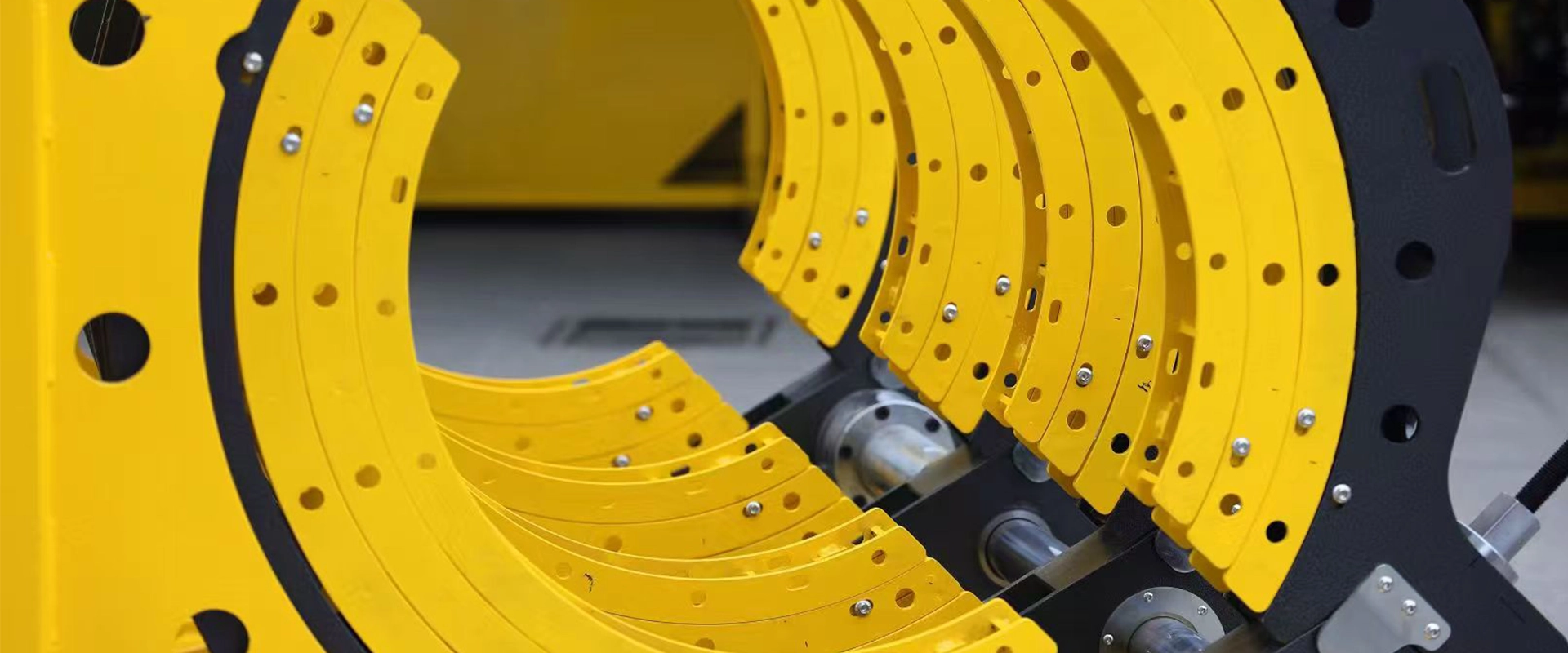
Your machine must match the exact dimensions of your pipe. Every butt welder is rated for a specific minimum and maximum diameter. Furthermore, the clamp and trimmer must accommodate the pipe’s Standard Dimension Ratio (SDR), which defines the wall thickness relative to the diameter. Thin-wall pipes for low-pressure gravity sewers require different trimmer inserts than thick-wall, high-pressure potable water pipes. Always check the clamping range capacity to ensure your HDPE pipe welding equipment provides full peripheral support without deforming the pipe.
Operating Environment and Terrain
Water pipelines often traverse challenging landscapes, from steep mountain slopes to muddy trench bottoms. Therefore, the frame design matters. Look for a polyethylene welding machine for water pipelines with a high-strength anti-torsion structure. A rigid chassis prevents the clamping dogs from deflecting during high-pressure pushes, which is a common cause of joint misalignment on uneven ground. In wet conditions, the machine’s corrosion-resistant coating and sealed bearings protect the critical adjustment screws and guide rods from failure.
Essential Features and Components
A genuine polyethylene welding machine for water pipelines is defined by the quality of its core components. Sacrificing on these components leads to cold joints, premature leaks, and expensive repair digs. Before signing a purchase order, inspect these vital elements closely.
The Heating Plate
The heating plate is the heart of the fusion process. It must have a uniformly distributed heating element with a precision digital controller that maintains the target temperature within a tolerance of ±5°C. The Teflon (PTFE) coating must be thick, non-stick, and perfectly smooth. A damaged or scratched coating leads to polyethylene residue sticking to the plate, which carbonizes and contaminates the melt surface, severely weakening the joint integrity.
The Trimmer (Facing Tool)
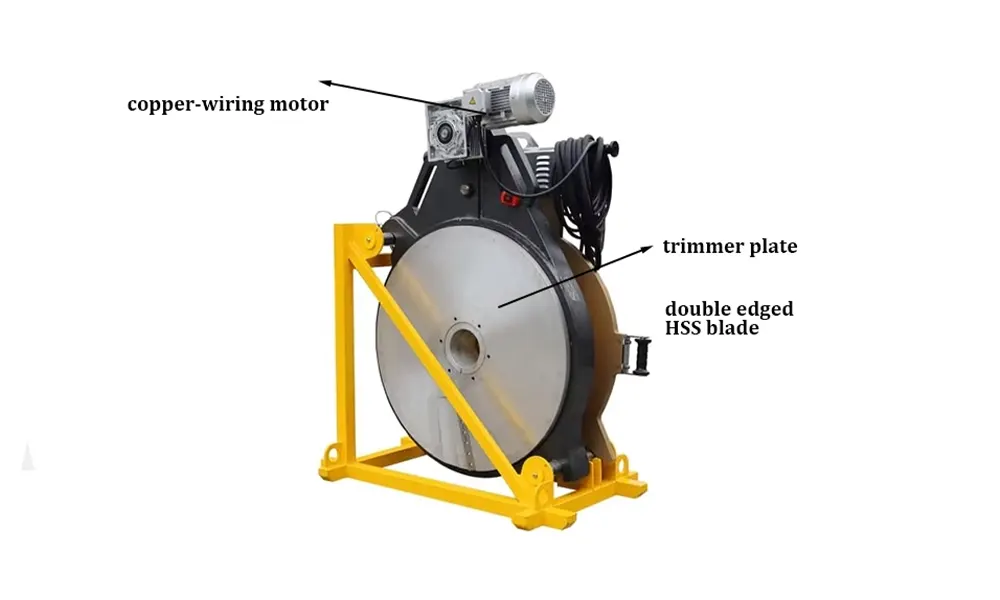
A perfectly flat and parallel face is non-negotiable for a strong weld. The trimmer must simultaneously shave both pipe ends until continuous polyethylene ribbons form. The blade clearance is critical; double-edged, high-carbon steel blades are preferred for clean cutting strokes. A poorly maintained or low-quality trimmer results in an uneven surface, which causes “cold spots” during fusion because the molten interface cannot achieve complete consolidation.
| Machine Type | Typical Diameter Range | Power Source | Best For |
|---|---|---|---|
| Manual | 40mm – 315mm | Hand Lever | Utility connections, small distribution lines |
| Hydraulic | 200mm – 2250mm | Hydraulic Pump | Water mains, transmission pipelines |
| CNC Automatic | 160mm – 1200mm | Electric/Hydraulic | Nuclear-grade, high-standard municipal water |
Standard Compliance and Quality Assurance
Global water utility projects require strict adherence to international standards. Using untested equipment can lead to immediate rejection of your work. Always ensure the polyethylene welding machine for water pipelines you purchase aligns with regulatory frameworks.
- ISO 21307: This standard defines the jointing procedures for plastic pipes and fittings. It specifies the exact pressure trace protocols for dual low-pressure and single high-pressure fusion methods.
- ASTM F2620: Predominantly referenced in North America, this standard provides the heat fusion joining practice for polyethylene pipe and fittings, focusing on operator qualifications and equipment calibration.
- ISO 12176-1: This governs the performance requirements of PE butt fusion equipment standard, ensuring the mechanical design can maintain necessary clamp and drive forces without slippage.
Manufacturers like JQ-Fusion build these rigorous standards into the DNA of their equipment. A reputable supplier provides certification documents and pressure calibration plots to verify that the machine passes factory acceptance tests (FAT). As detailed in the PPI Handbook of Polyethylene Pipe, traceability is vital, and the machine should support your data recording efforts.
After-Sales Support and Training
A polyethylene welding machine for water pipelines represents a significant capital investment lasting many years. The availability of spare parts, such as heating plates, trimmer blades, and hydraulic seals, is critical to prevent project downtime. Confirm the warranty terms and the proximity of technical support. Inquire if the manufacturer offers on-site training or operational guides. The difference between a good fusion and a future leak often lies in proper setup techniques, specifically drag pressure measurement and trimming stop adjustments, which should be covered in the manufacturer’s training module.
Comparing Technologies: Butt Fusion vs. Electrofusion
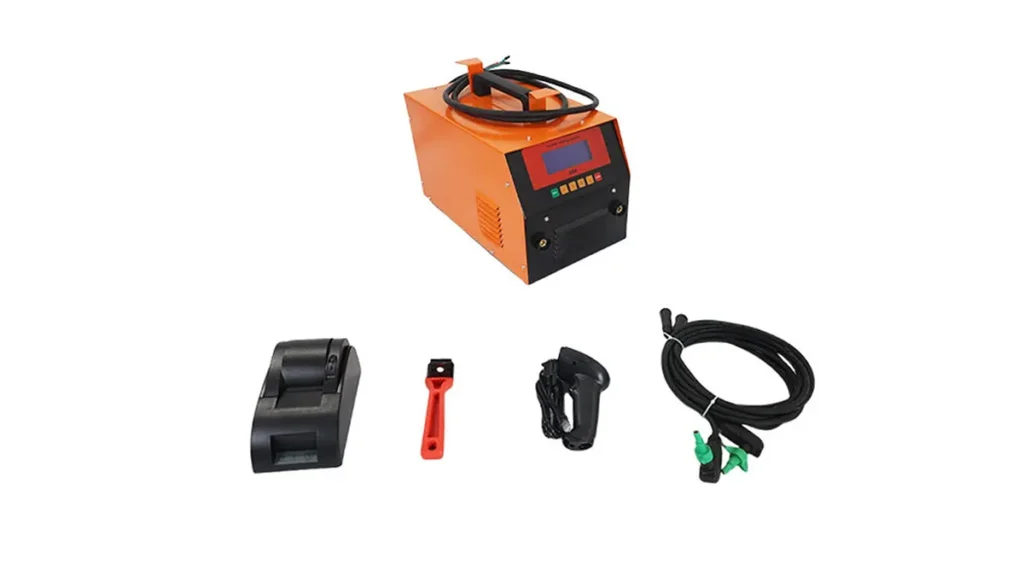
While butt fusion is ideal for straight runs and pre-fabricated sections, it is not the only method. Your toolkit might also require an electrofusion processor. When special fittings or repair saddles are needed, electrofusion is the primary choice. The process uses embedded wires to melt the interface, a method detailed in the PE electrofusion equipment standard. However, for long linear water pipelines where minimizing operational cost is key, the butt fusion machine remains the backbone. It consumes fewer consumables (fittings) compared to electrofusion, making the linear installation of water mains more economical.
Final Words Before Purchase
Selecting the ultimate polyethylene welding machine for water pipelines is a strategic engineering decision. Prioritize machine rigidity, component quality, and adherence to international pressure protocols over aesthetic features. Always verify the manufacturer’s track record in the water infrastructure sector and request operational verification of the hydraulic system under load. A well-chosen machine delivers decades of leak-free service and forms the unseen backbone of resilient water supply networks globally.