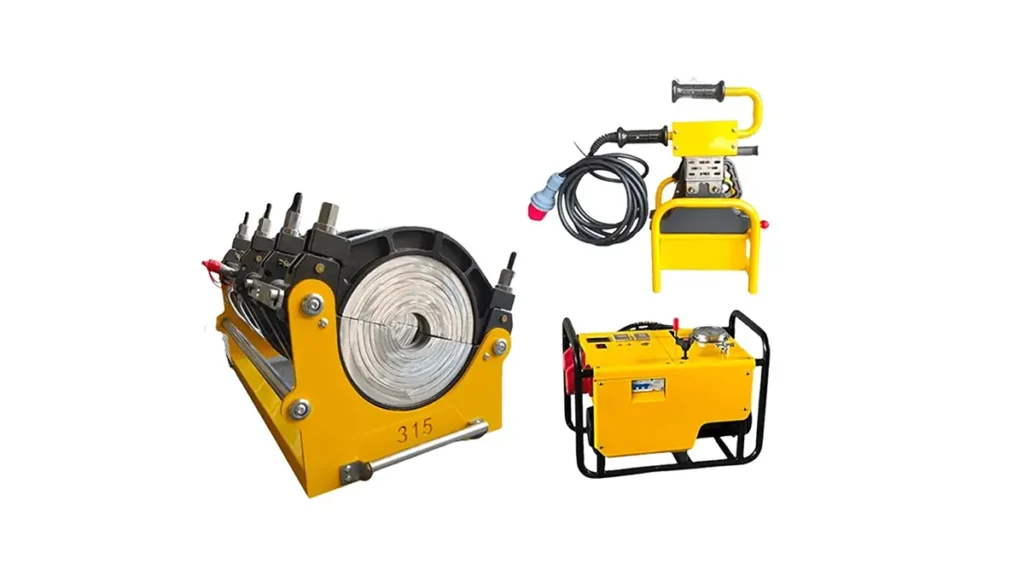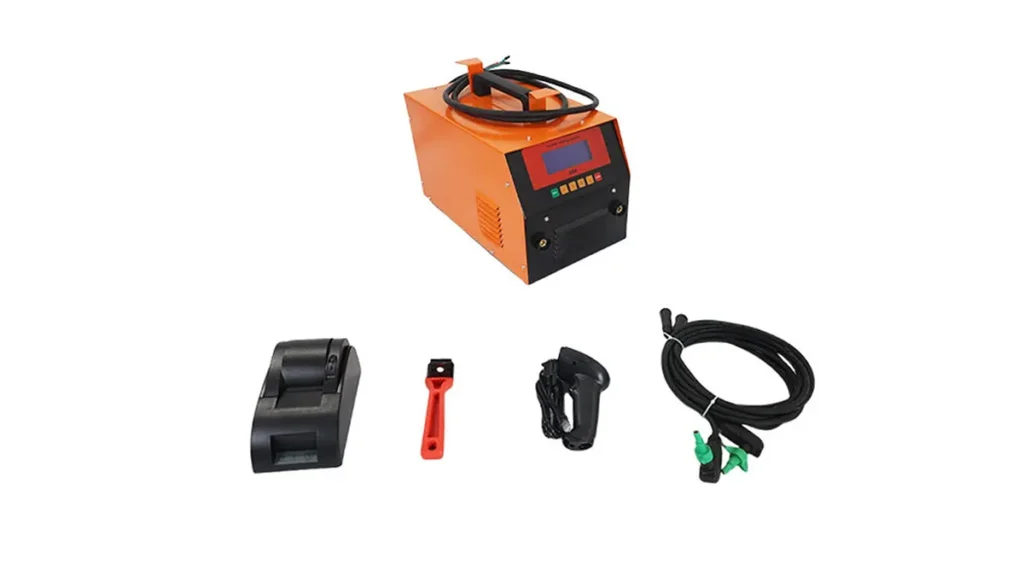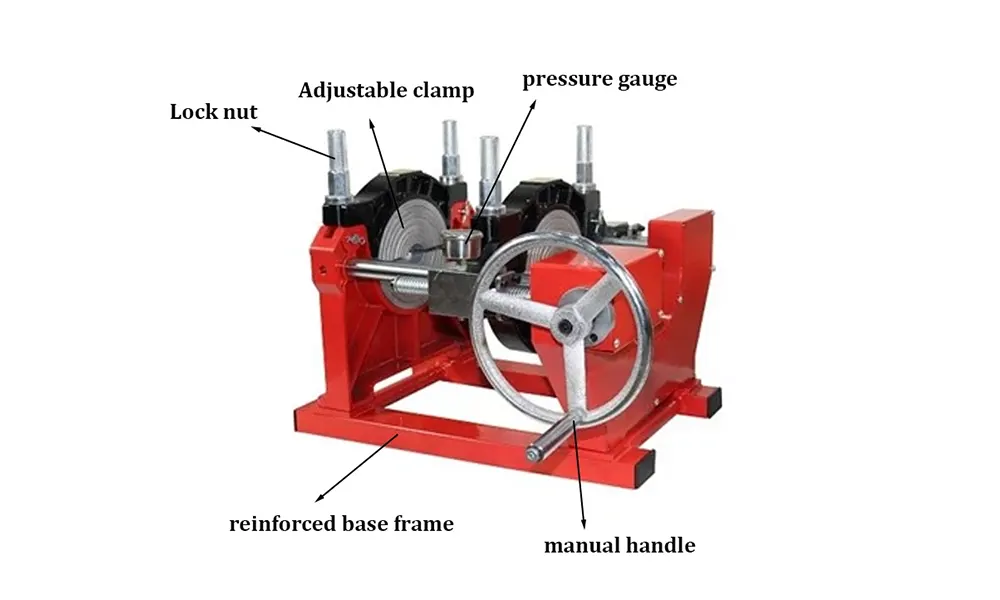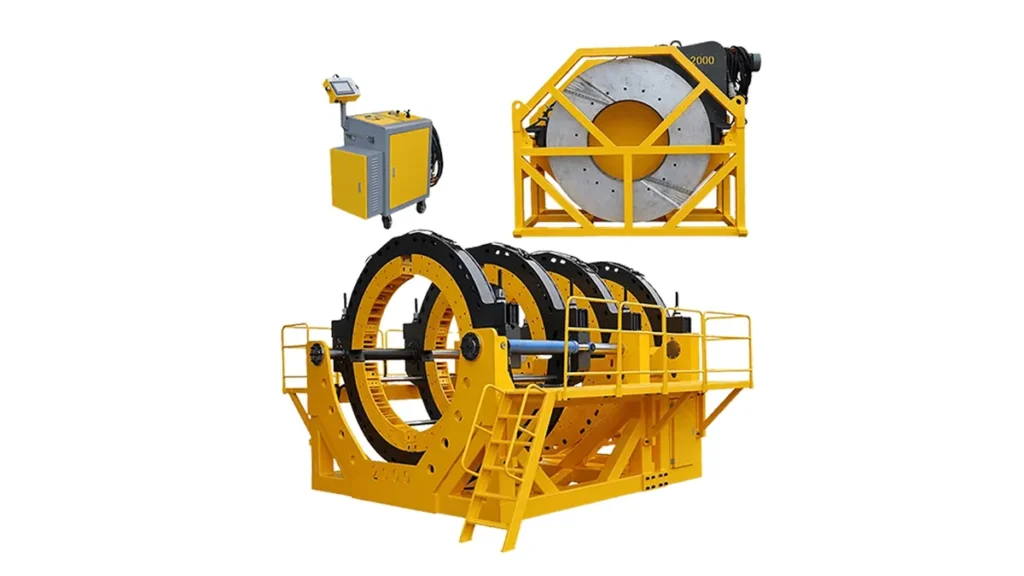
Electrical issues are among the most common challenges operators face when using butt fusion welding machines on site. A machine that fails to heat properly, trips breakers unexpectedly, or displays erratic temperature readings can bring pipeline construction to a halt. Understanding the root causes of these electrical faults—and knowing how to resolve them quickly—is essential for maintaining productivity and ensuring weld integrity.
This guide provides a systematic overview of the most frequent butt fusion machine electrical troubleshooting scenarios, organized by symptom, probable cause, and corrective action. Whether you operate a manual, hydraulic, or automatic butt fusion welding machine, the principles below will help you diagnose and fix electrical problems efficiently.
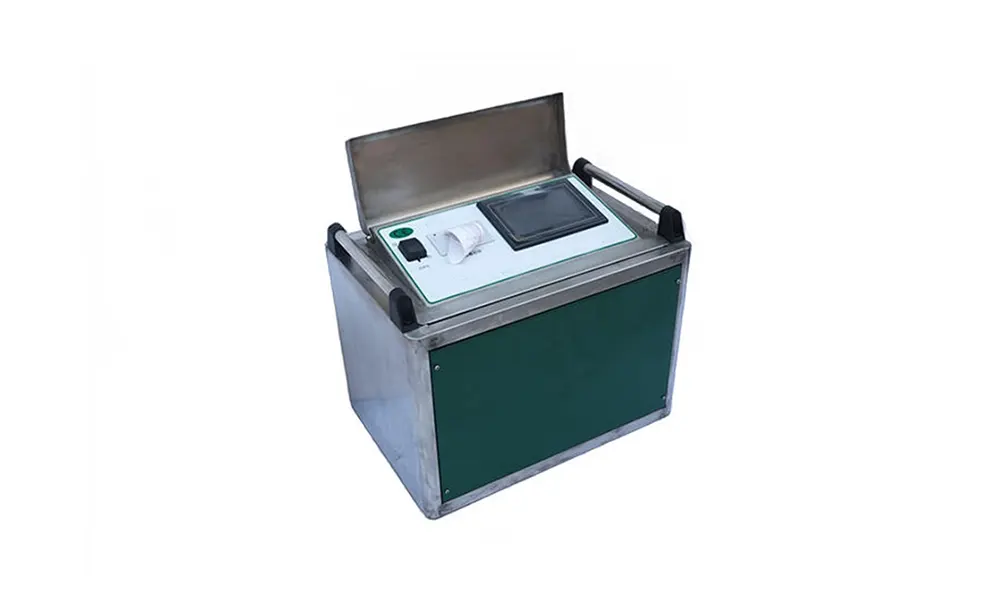
Common Electrical Problems, Causes, and Solutions
The table below summarizes the electrical faults most frequently reported by technicians working with HDPE pipe welding equipment. Use it as a quick reference during field diagnostics.
| Problem | Probable Cause | Solution |
|---|---|---|
| Heating plate does not reach set temperature | Faulty heating element, damaged thermocouple, or loose wiring connection | Test heating element continuity; inspect and secure all terminal connections; replace defective thermocouple |
| Circuit breaker trips repeatedly during operation | Overloaded circuit, short in power cable, or internal component drawing excessive current | Verify supply voltage matches machine rating; inspect power cord for damage; check for grounded or shorted heating elements |
| Temperature display shows erratic or incorrect readings | Faulty temperature controller, damaged sensor wiring, or electromagnetic interference | Calibrate temperature controller; replace damaged sensor leads; ensure proper grounding of control circuits |
| Hydraulic power unit does not start | Phase loss in three-phase supply, defective contactor, or blown control fuse | Check all three phases at supply; test contactor coil and contacts; replace blown fuses with correct rating |
| Machine display panel is blank or unresponsive | Disconnected ribbon cable, failed power supply module, or damaged control board | Re-seat all internal connectors; test DC power supply output; replace control board if necessary |
| Intermittent power loss during welding cycle | Worn contactor contacts, loose terminal block connections, or poor-quality extension cord | Replace worn contactors; tighten all terminal screws; use appropriately rated, short-length power cables |
Step-by-Step Electrical Diagnostic Procedure
When performing butt fusion machine electrical troubleshooting, following a structured approach prevents misdiagnosis and reduces downtime. Below is a field-tested diagnostic sequence applicable to most hydraulic butt fusion machines and automatic models.
- Step 1 — Verify the power supply: Confirm that the supply voltage, phase, and frequency match the machine’s nameplate specifications. Use a multimeter to check each phase in three-phase systems.
- Step 2 — Inspect all cables and connectors: Examine power cords, extension cables, and internal wiring harnesses for visible damage, burns, or loose terminations.
- Step 3 — Test protective devices: Check circuit breakers, fuses, and residual current devices (RCDs) for proper operation. A tripped device often points to an underlying fault rather than a nuisance trip.
- Step 4 — Isolate the heating circuit: Disconnect the heating plate and measure its resistance with an ohmmeter. Compare readings against manufacturer specifications.
- Step 5 — Evaluate control components: Test the temperature controller, relays, contactors, and any programmable logic controller (PLC) modules for correct input and output signals.
- Step 6 — Check grounding integrity: Poor grounding can cause erratic behavior in electronic controls. Measure ground resistance and ensure all grounding conductors are securely bonded.
- Step 7 — Run a no-load test: Power on the machine without engaging the heating plate or hydraulic pump and observe all indicators and displays for anomalies.
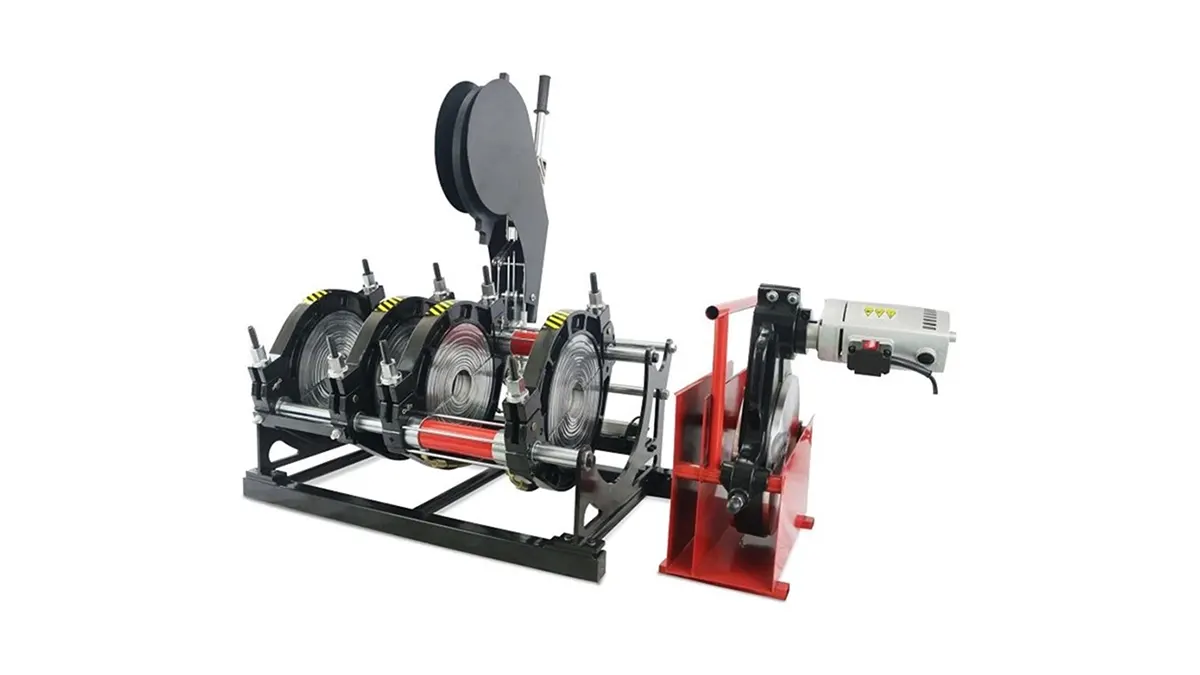
Heating Plate Electrical Troubleshooting
The heating plate is the most electrically stressed component in any butt fusion welding machine. Failures here can lead to cold welds or surface damage to the pipe ends. Common heating plate electrical issues include:
- Partial element burnout: One or more heating zones fail while others continue working, causing uneven heat distribution across the plate surface.
- Surface hot spots: Localized overheating due to element degradation or contamination, which can scorch the pipe material during the bead-up phase.
- Slow heat-up time: Caused by aging elements with increased resistance or low supply voltage at the worksite.
- Thermocouple drift: Over time, thermocouples can lose calibration accuracy, leading the controller to maintain incorrect temperatures.
Regular resistance testing and visual inspection of the heating plate wiring are essential preventive measures. Operators working with manual butt fusion machines should pay particular attention to the condition of the heating plate connection socket, which is subject to frequent plugging and unplugging.
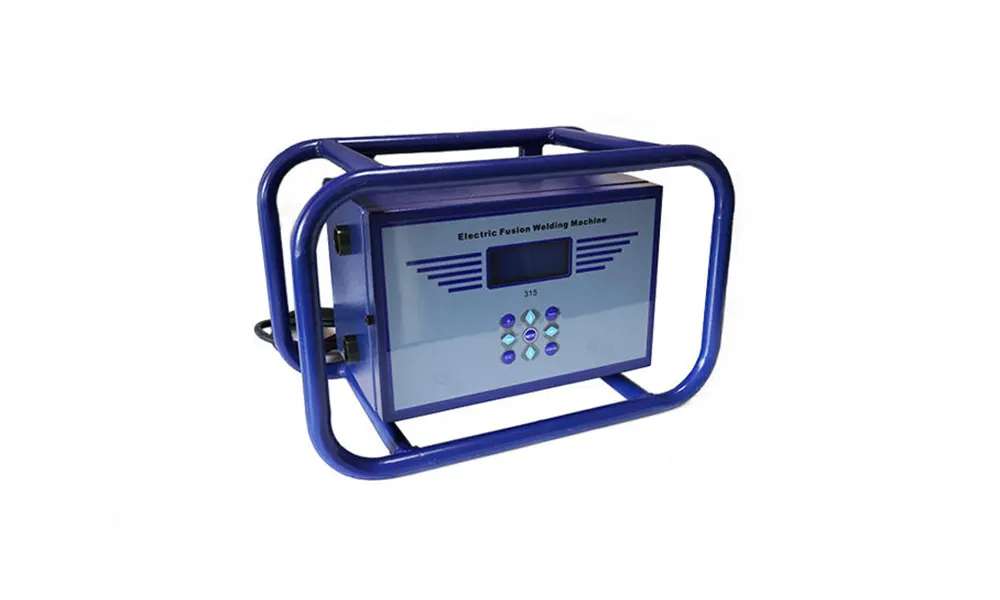
Control System and PCB Failures
Modern CNC automatic butt fusion welding machines incorporate sophisticated electronic control systems that manage temperature regulation, hydraulic pressure sequencing, and data logging. When these systems malfunction, identifying the fault requires methodical troubleshooting.
Key diagnostic points for control system issues include:
- Power supply module output: Measure DC output voltages (typically 5V, 12V, or 24V) that power the control board and sensors. A failed power module is a common root cause of blank displays.
- Relay and contactor health: Listen for abnormal buzzing or chattering sounds from relays, and check contact surfaces for pitting or welding marks.
- Sensor signal integrity: Use an oscilloscope or data-capable multimeter to verify that sensor outputs are stable and within expected ranges, free from noise or intermittent dropouts.
- Firmware and parameter settings: Occasionally, corrupted settings or outdated firmware can cause unexpected machine behavior. Consult the manufacturer for parameter reset procedures.
Power Quality and Site Electrical Considerations
Many electrical problems attributed to the welding machine itself actually originate from the site power supply. Construction sites frequently experience voltage fluctuations, phase imbalances, and harmonic distortion that can affect sensitive welding equipment. Before concluding that a machine is faulty, evaluate these external factors:
- Voltage drop under load: Measure voltage at the machine input terminals while the heating plate is energized. A drop exceeding 5% of nominal voltage indicates undersized supply cables or excessive distance from the distribution panel.
- Generator sizing: When using portable generators, ensure the unit’s continuous rating exceeds the machine’s maximum power draw by at least 20% to account for starting surges and power factor considerations.
- Phase rotation and balance: For three-phase machines, incorrect phase rotation can prevent hydraulic pumps from building pressure. Phase imbalance exceeding 2% can cause motor overheating.
Preventive Electrical Maintenance Schedule
Proactive maintenance significantly reduces the frequency of electrical failures in butt fusion equipment. The following schedule is recommended for machines in regular service:
| Interval | Maintenance Task | Purpose |
|---|---|---|
| Daily | Visual inspection of power cords and connectors; verify display functions | Catch visible damage before it causes downtime |
| Weekly | Clean electrical enclosures; check terminal tightness; test RCD operation | Prevent dust accumulation and loose connections |
| Monthly | Measure heating element resistance; calibrate temperature controller; inspect contactor contacts | Detect gradual degradation before complete failure |
| Quarterly | Full insulation resistance test; verify ground continuity; test all safety interlocks | Ensure electrical safety and reliable shutdown functions |
| Annually | Complete electrical audit; replace aging contactors and relays; update firmware if applicable | Extend service life and maintain compliance with PE butt fusion equipment standard |
When to Seek Professional Support
While many electrical issues can be resolved through systematic troubleshooting, certain conditions warrant professional assistance. If you encounter burned circuit boards, damaged PLC modules, or faults that recur after corrective action, it is advisable to consult the equipment manufacturer or a qualified service technician. Attempting to repair complex electronic assemblies without proper training can cause further damage and may void warranty coverage.
For operators and contractors seeking reliable equipment backed by responsive technical support, JQ-Fusion offers a comprehensive range of butt fusion welding machines designed for durability and ease of maintenance. Machines built to recognized standards such as ISO 12176-1 and welding practices aligned with ASTM F2620 heat fusion guidelines help ensure consistent performance across diverse site conditions.
When sourcing butt fusion welding equipment, prioritize manufacturers that provide clear electrical schematics, accessible spare parts, and knowledgeable after-sales support. This investment in quality and serviceability pays dividends in reduced downtime and more reliable pipeline installations over the long term.
Key Takeaways for Field Technicians
- Always verify the power supply before assuming a machine fault—site electrical issues account for a significant percentage of reported problems.
- Maintain a basic electrical test kit on site, including a digital multimeter, clamp meter, and insulation resistance tester.
- Document all electrical repairs and modifications for future reference and to support warranty claims.
- Invest in operator training on basic electrical safety and diagnostic procedures to reduce reliance on external service calls.
- Keep critical spare parts—such as heating elements, thermocouples, contactors, and fuses—readily available for common machine models.
Effective butt fusion machine electrical troubleshooting combines methodical diagnostic skills with a solid understanding of the machine’s electrical architecture. By following the guidance outlined above, field teams can resolve most electrical faults quickly, minimize project delays, and maintain the high weld quality that HDPE pipeline systems demand.