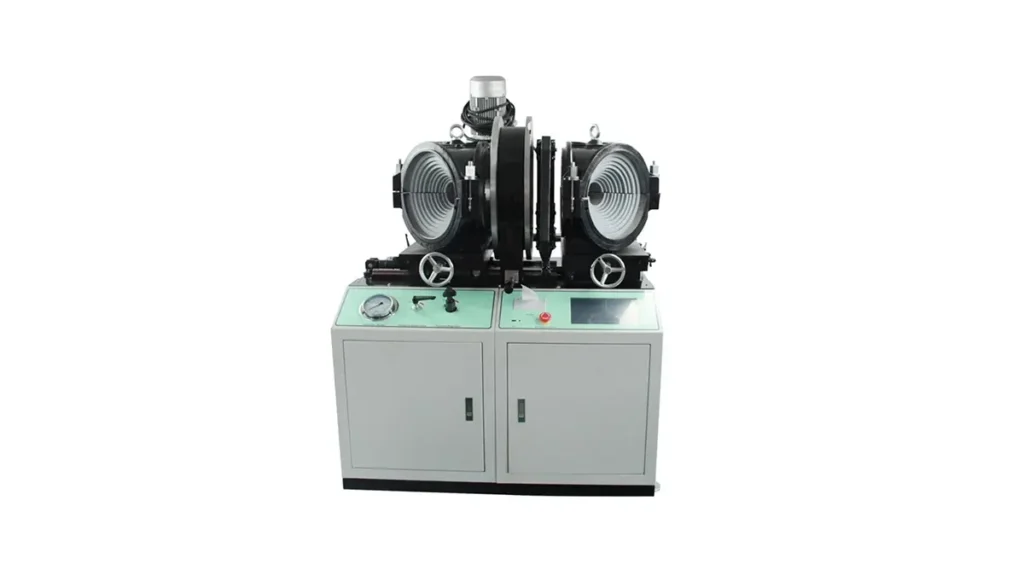
Polyethylene (PE) pipes have become the preferred choice for modern gas distribution networks, replacing traditional steel and iron systems. Their flexibility, corrosion resistance, and leak-tight joint performance make them ideal for carrying natural gas. However, the success of any PE gas pipeline depends entirely on the quality of its joints. This is where a specialized polyethylene welding machine for gas pipelines becomes essential. Unlike general-purpose pipe welders, machines designed for gas applications must meet strict international standards for pressure containment and long-term safety. Understanding the types, benefits, and selection criteria ensures contractors, utility companies, and project engineers achieve compliant, long-lasting installations.
Why PE Pipes Dominate Gas Distribution
Modern high-density polyethylene (HDPE) and medium-density polyethylene (MDPE) pipes offer significant advantages for fuel gas transport. They do not corrode, resist chemical attack from soil conditions, and can accommodate ground movement without fracturing. According to PE gas piping systems defined in ISO 4437-1, these materials provide a service life exceeding 50 years when properly joined. The lightweight nature of PE also reduces transportation costs and allows for trenchless installation methods, minimizing disruption during utility upgrades. Coiled pipe lengths further decrease the number of joints required, although each fusion connection must be executed flawlessly using appropriate welding equipment to prevent fugitive gas emissions or catastrophic system failures.
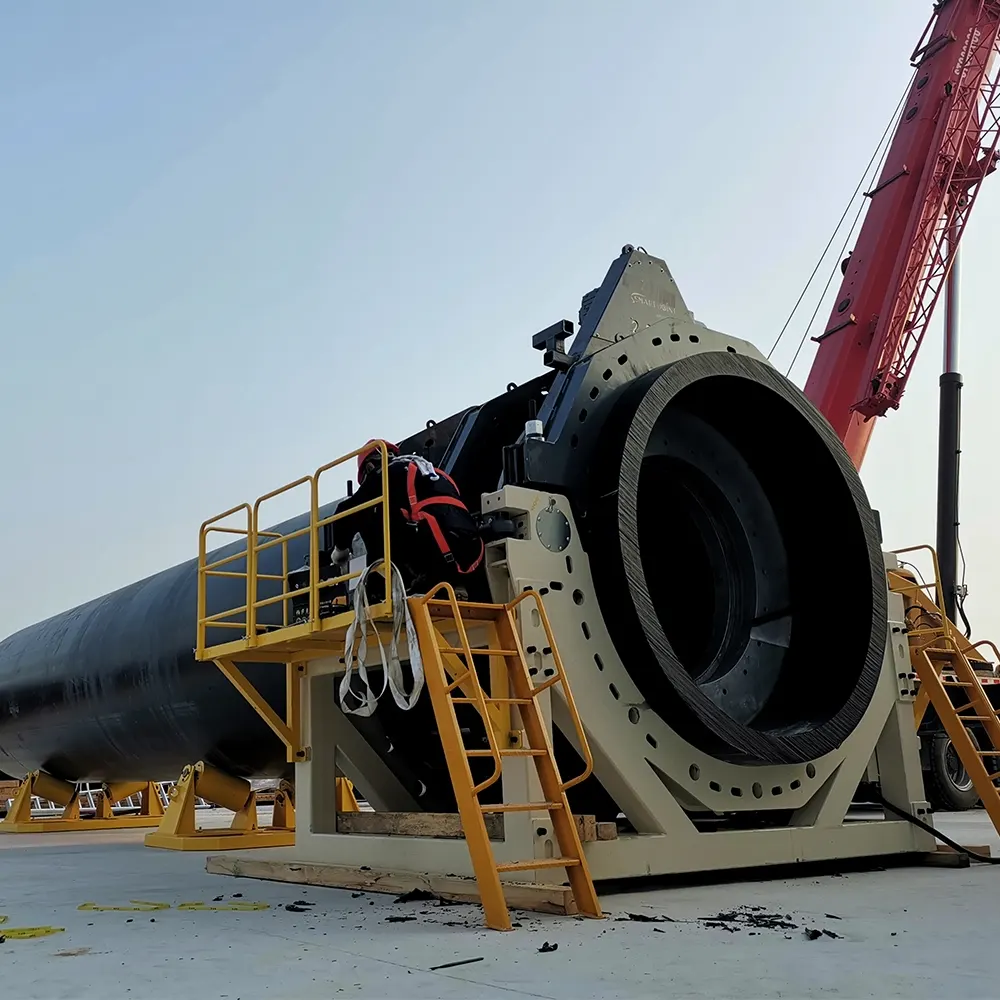
Types of Polyethylene Welding Machines for Gas Pipelines
Selecting the correct polyethylene welding machine for gas pipelines depends on pipe diameter, wall thickness, and project scale. While electrofusion and socket fusion also play roles in gas piping, butt fusion remains the dominant technique for joining pipes and fittings in distribution mains and service lines.
Hydraulic Butt Fusion Welding Machines
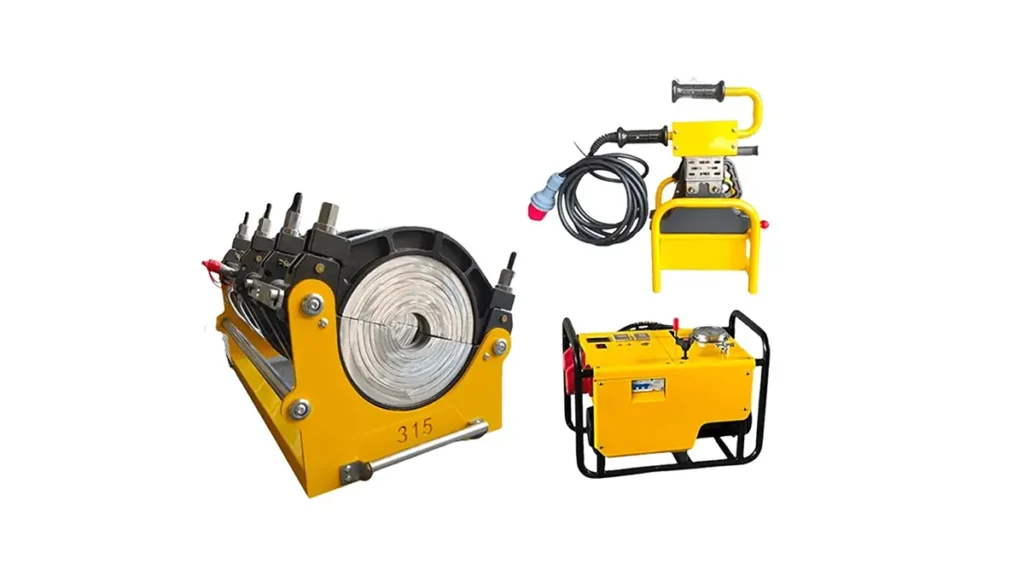
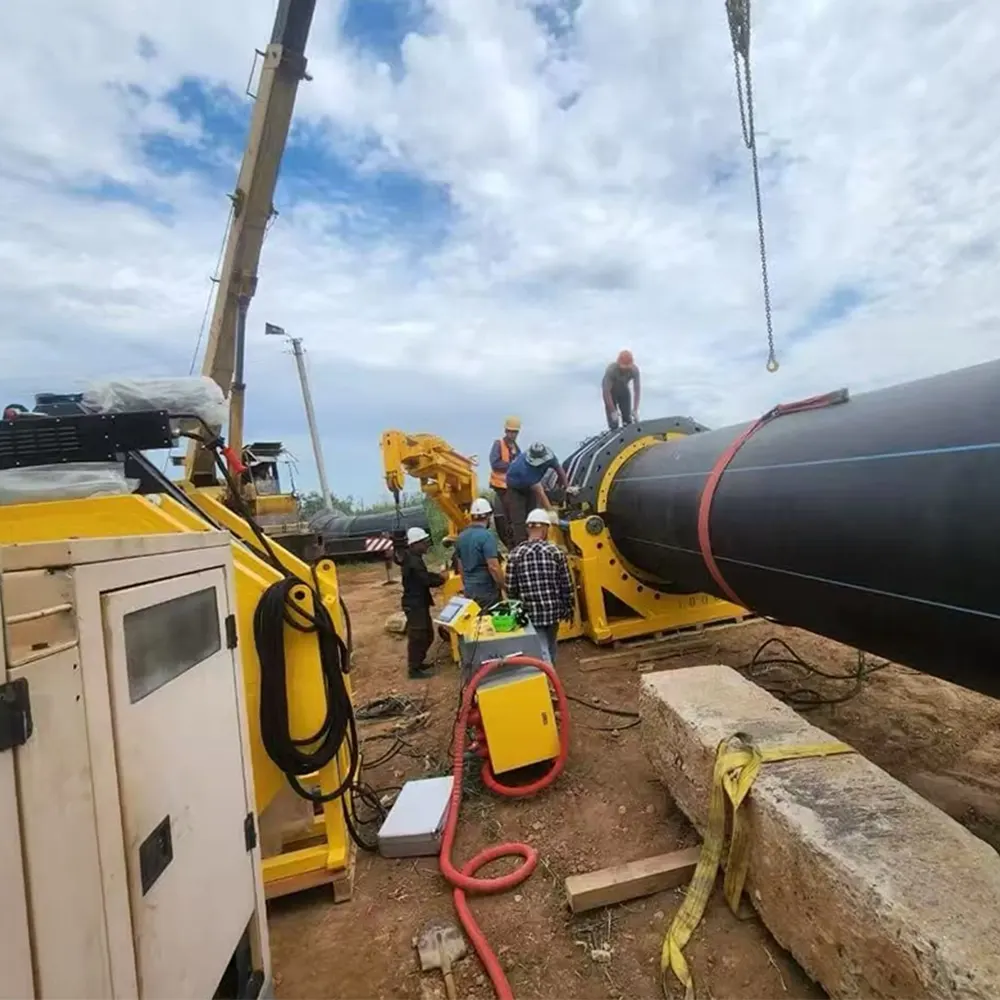
Hydraulic machines represent the industry standard for medium to large-diameter gas pipelines. They utilize a hydraulic power pack to generate controlled force during the heating and fusion stages, ensuring precise alignment and uniform interfacial pressure. Models engineered for gas work require exacting temperature control of the heater plate, typically maintained within ±5°C, and accurate pressure regulation to comply with the PE butt fusion equipment standard ISO 12176-1. High-quality hydraulic systems incorporate data logging capabilities, recording critical parameters such as drag pressure, bead-up force, and soak time for each joint. This traceability proves essential for gas utility audits and long-term quality assurance records. Machines range from compact 160mm units for service lines to massive 2000mm+ systems for transmission pipelines.
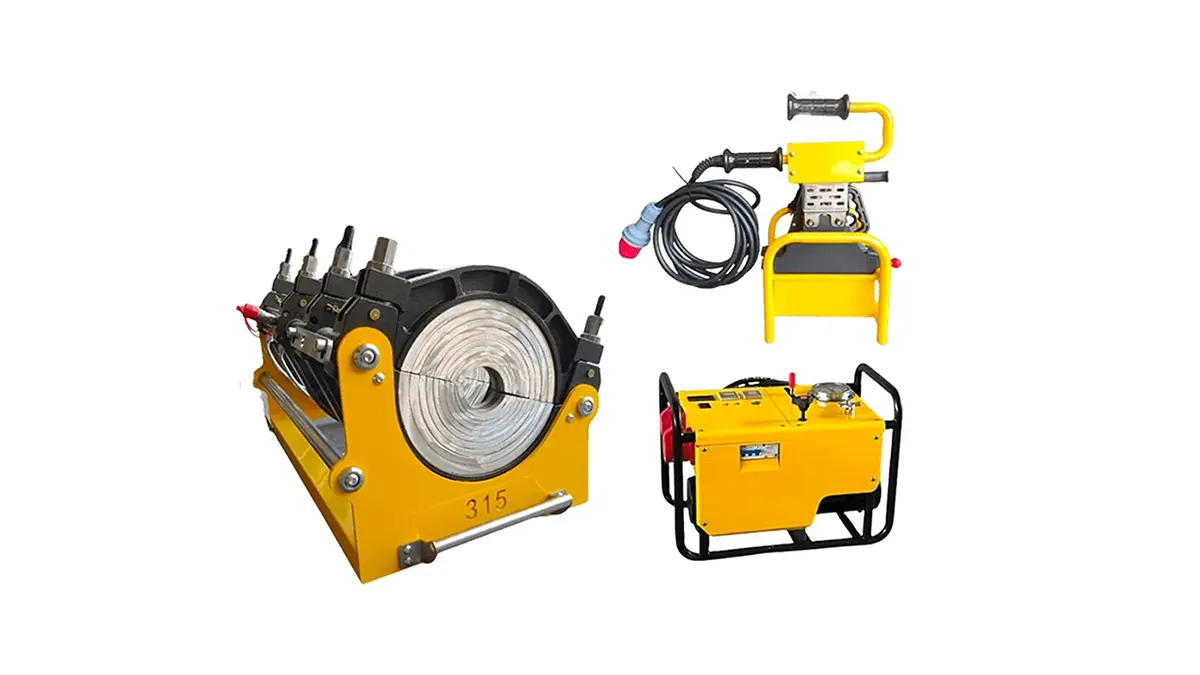
Manual Butt Fusion Welding Machines
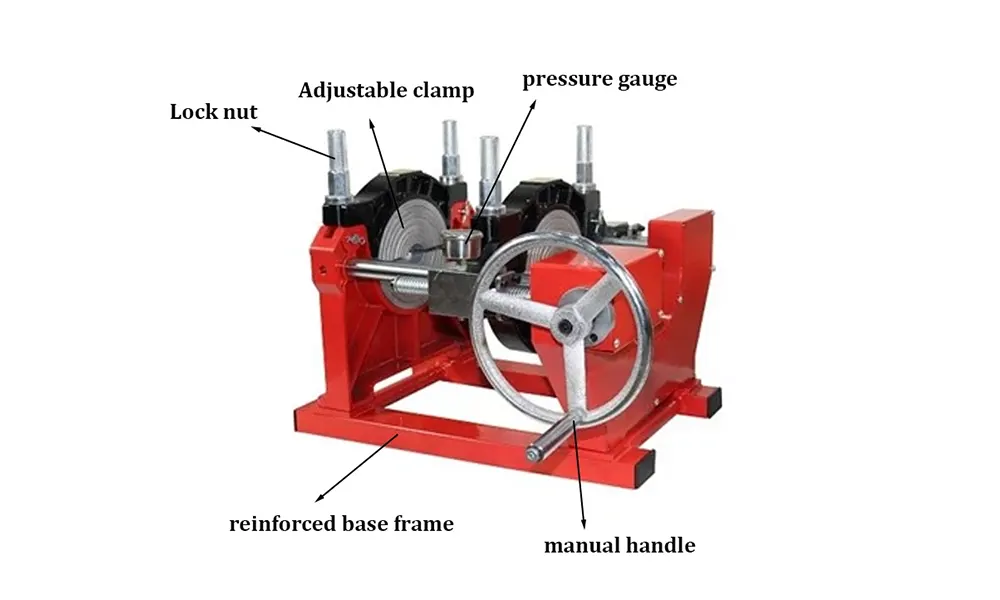
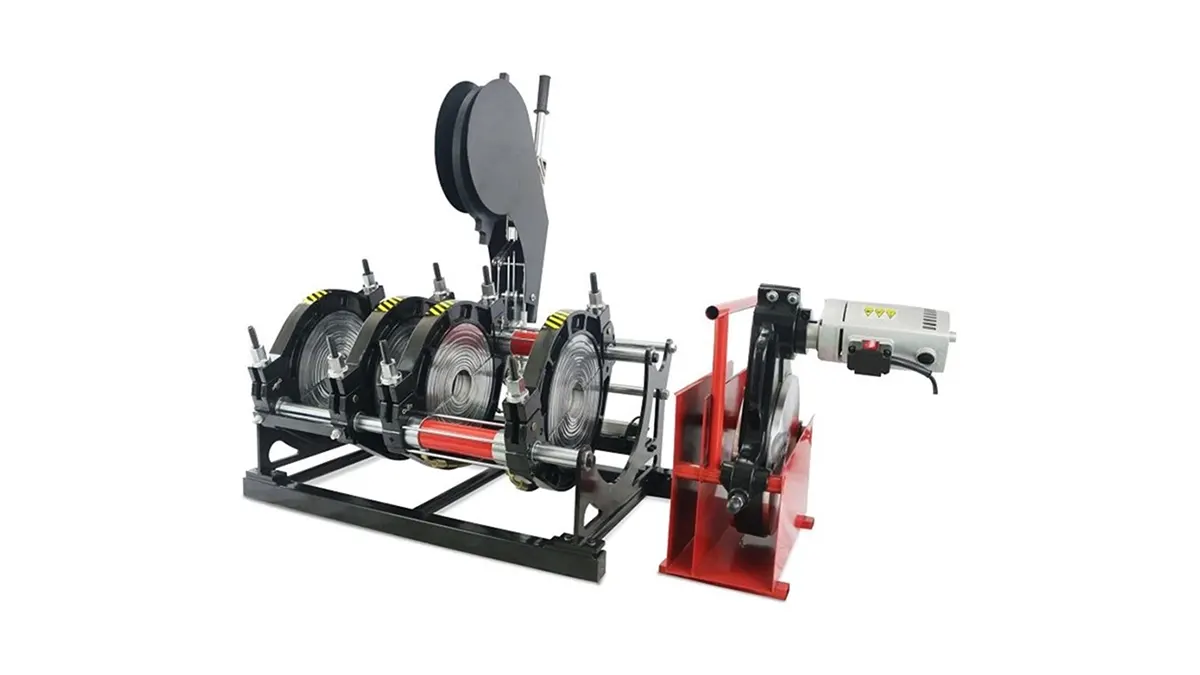
For smaller diameter gas distribution pipes, typically ranging from 40mm to 315mm, manual butt fusion machines offer portability and cost-effectiveness. These machines feature lever-operated clamping mechanisms that secure the pipe ends while the operator manually controls the heating and fusion sequence. Although lacking automated pressure compensation, professionally operated manual machines deliver fully compliant joints in accordance with ISO 21307 butt fusion procedures. Gas industry contractors appreciate their lightweight construction for field work, repair scenarios, and service line connections where hydraulic units prove unnecessarily complex.
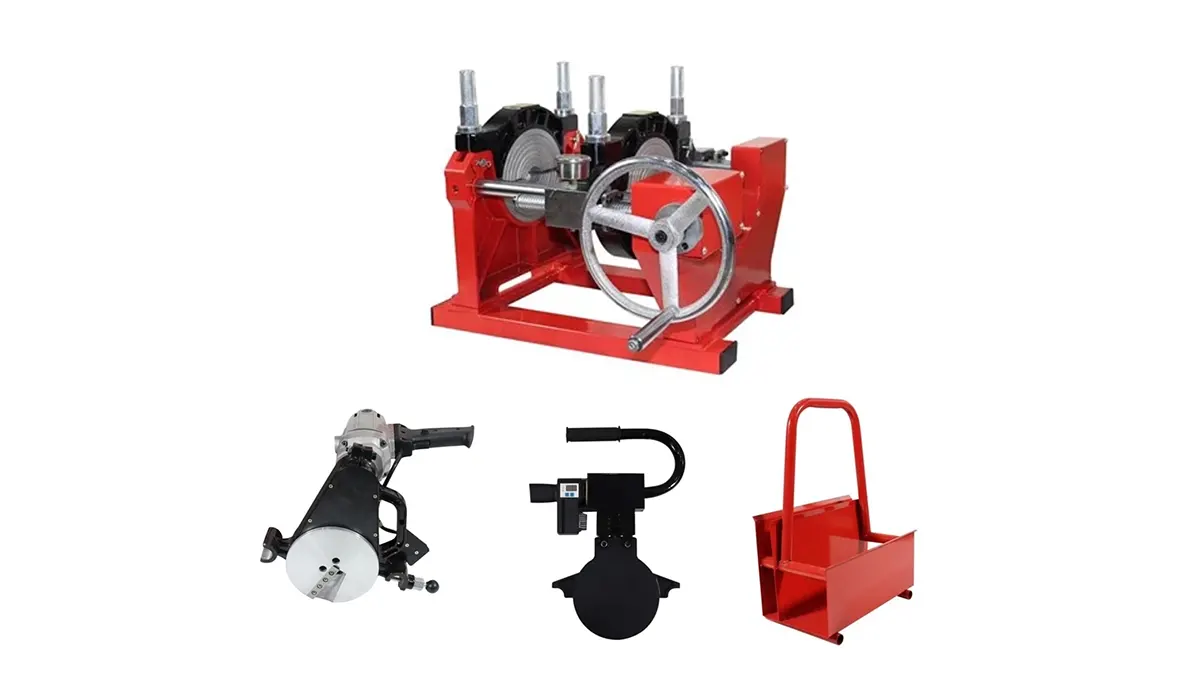
CNC Automatic Butt Fusion Welding Machines
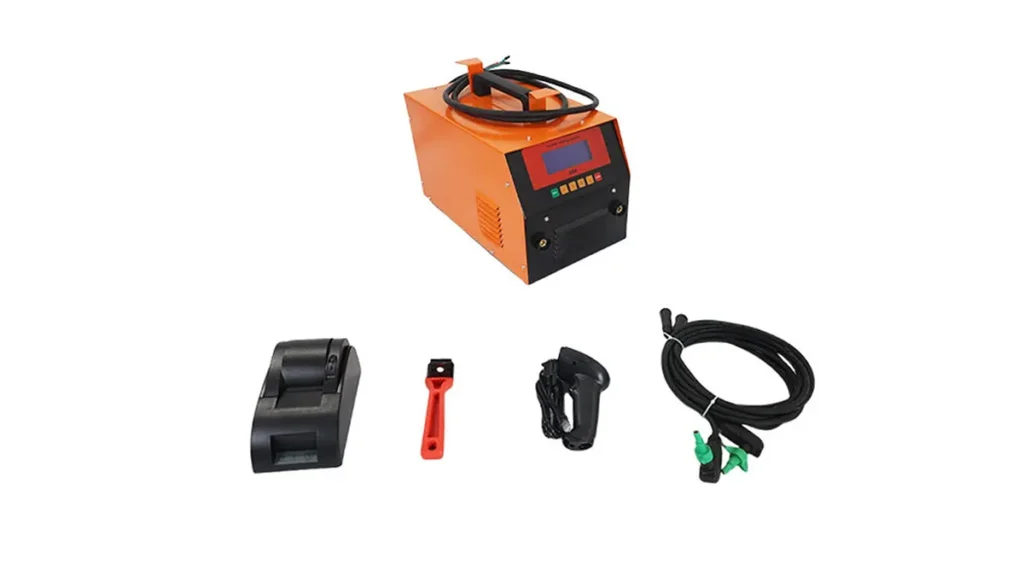
Computer numerically controlled (CNC) automatic machines represent the pinnacle of precision for gas pipeline welding. These advanced systems automate the entire fusion cycle, from initial facing to final cooling, eliminating operator-induced variability. The embedded controller monitors and adjusts heating time, changeover speed, and fusion pressure based on pipe material specifications and ambient conditions. Many automatic polyethylene welding machines feature barcode scanning capabilities that import pipe traceability data, while simultaneously exporting a digital joint report containing all process parameters. For high-pressure gas transmission projects where zero defects is the expectation, CNC machines provide unparalleled repeatability and documentation.
Key Benefits of Dedicated Gas Pipeline Welding Equipment
Investing in purpose-built polyethylene welding machine for gas pipelines delivers operational advantages beyond basic joining capability. Specialized equipment incorporates design elements directly addressing the safety and reliability requirements of combustible gas transport.
- Enhanced Safety Compliance: Gas-rated machines adhere to the stringent requirements of ASTM D2513 PE gas pipe and related fusion standards, ensuring joints withstand rated pressure under all operating conditions.
- Data Logging and Traceability: Digital fusion records create an auditable trail for each joint, satisfying regulatory bodies and utility inspection protocols with timestamp, operator ID, and full process parameters.
- Precision Temperature Control: Gas fusion requires heater plate surfaces maintained within narrow temperature bands, typically 220°C to 230°C, with uniform heat distribution to prevent cold spots.
- Consistent Joint Integrity: Properly calibrated machines produce uniform bead geometry internally and externally, visual indicators of successful fusion recognized during field inspection.
- Long-Term Reliability: Joints produced on gas-certified equipment demonstrate resistance to slow crack growth and rapid crack propagation, critical failure modes in pressurized gas systems.
How to Select the Right Welding Machine for Gas Projects
Choosing among available polyethylene welding machines requires systematic evaluation of project-specific factors. Below is a comparative framework to guide procurement decisions based on the most common gas pipeline application scenarios.
| Selection Criteria | Manual Machine | Hydraulic Machine | CNC Automatic Machine |
|---|---|---|---|
| Pipe Diameter Range | 40mm – 315mm | 160mm – 2000mm+ | 160mm – 630mm |
| Operation Complexity | Moderate skill required | Skilled operator needed | Minimal operator influence |
| Data Recording | Manual log or none | Optional digital logger | Built-in full traceability |
| Portability | Excellent, lightweight | Heavier, requires transport | Moderate, best for yards |
| Cost per Joint | Lowest | Moderate | Higher, offset by speed |
Essential Checklist Before Purchasing
- Confirm the machine meets ASTM F2620 heat fusion requirements or equivalent regional standards applicable to your gas project.
- Verify heater plate surface temperature uniformity using a calibrated pyrometer before accepting delivery.
- Inspect clamp jaw alignment and insert condition, as misalignment directly compromises gas-tight joint quality.
- Request a demonstration of the data logging interface if traceability is contractually mandated by the gas utility.
- Ensure availability of spare parts such as heater coatings, hydraulic seals, and trimmer blades in your region.
Frequently Asked Questions About Gas Pipeline Welding Machines
What temperature is required for PE gas pipe fusion?
Standard butt fusion procedures for gas-grade polyethylene require a heater plate temperature of 225°C ± 5°C (437°F ± 9°F). This temperature range ensures proper molecular diffusion at the pipe interface without thermal degradation of the polymer. Always verify the heater plate calibration before beginning a shift and periodically during production to maintain compliance with the PE fusion operator requirements outlined in international standards.
Can the same machine weld both water and gas pipes?
While the fundamental fusion process is identical, many regulatory bodies require dedicated or specially certified equipment for gas pipeline work. Machines used for gas applications must often carry additional certification verifying data logging accuracy and pressure control precision. Using a non-certified polyethylene welding machine for gas pipelines risks compliance violations and potential safety hazards, even if the resulting joint appears acceptable visually.
How do I maintain my polyethylene welding machine?
Regular maintenance includes cleaning heater plate surfaces with non-abrasive cloths after every use, inspecting PTFE anti-stick coatings for damage, checking hydraulic fluid levels and hose integrity, and verifying trimmer blade sharpness. Annual calibration of temperature controllers and pressure transducers by an accredited service center ensures the polyethylene welding machine for gas pipelines maintains accuracy over its service life.
Partnering with a Trusted Manufacturer
JQ-Fusion is a professional manufacturer specializing in HDPE pipe welding machines, providing reliable butt fusion solutions for global infrastructure projects. With years of industry experience, we focus on the development and production of manual, hydraulic, and CNC automatic butt fusion welding machines, covering a wide range of pipe sizes from small to large diameters. Our products are widely used in water supply, gas distribution, mining, and industrial pipeline systems. Contractors and utility companies worldwide depend on our equipment to produce code-compliant joints that ensure gas network safety for decades.