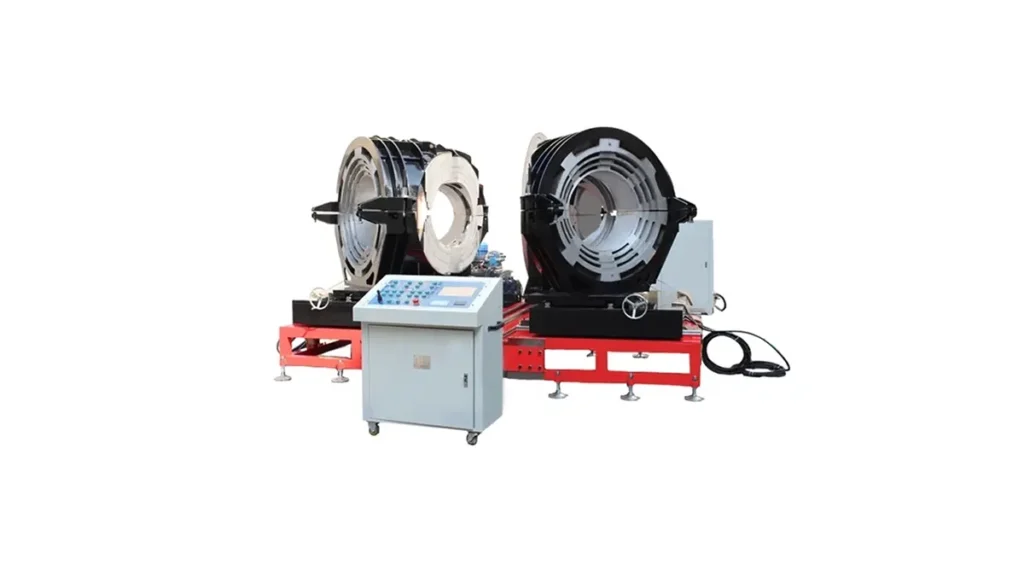
Hydraulic systems are the powerhouse behind modern hydraulic butt fusion welding machines, providing the precise force needed to create leak-proof joints in HDPE piping networks. When these systems fail, project timelines slip and costs escalate. This guide covers the most common hydraulic faults, their root causes, and practical solutions to get your HDPE fusion machine hydraulic troubleshooting process back on track quickly.
Understanding the Hydraulic Circuit in Butt Fusion Equipment
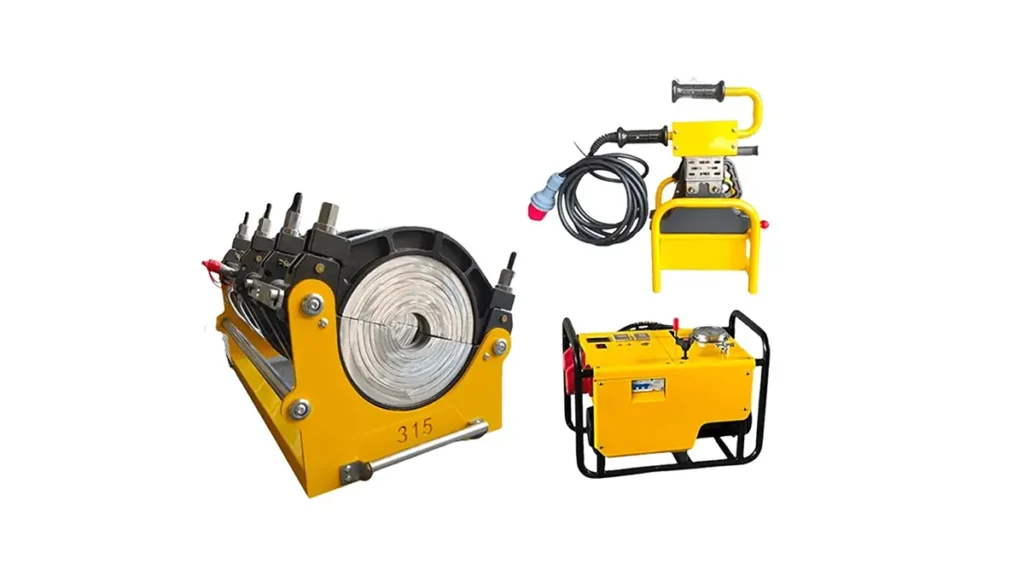
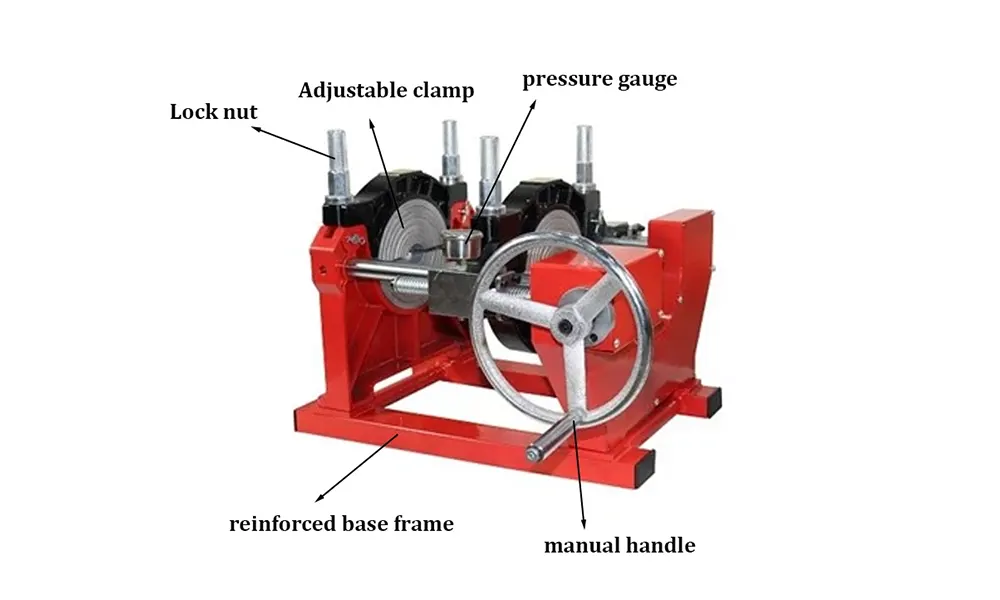
The hydraulic system in an HDPE fusion machine is responsible for moving the movable clamp carriage, applying controlled fusion pressure, and sometimes operating the trimmer. It typically consists of a hydraulic power unit (HPU), cylinders, hoses, directional control valves, and pressure relief valves. A failure in any of these components can compromise the integrity of the weld, making adherence to ISO 21307 butt fusion procedures impossible.
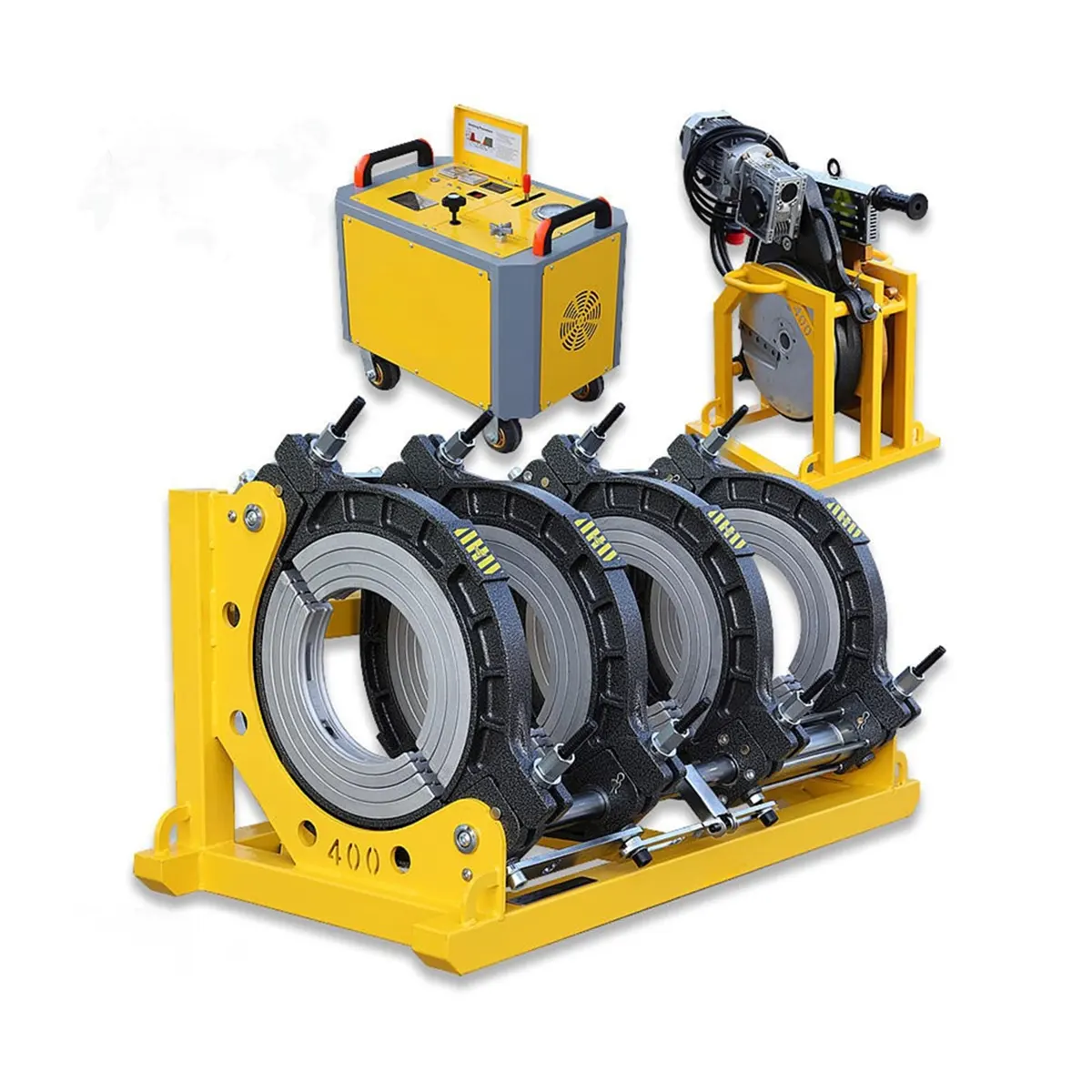
Problem 1: No Hydraulic Pressure or Movement
This is the most alarming symptom. You activate the control lever or button, but the carriage remains static. Low or zero hydraulic pressure typically stems from a few key areas.
Potential Causes and Checks
- Low Hydraulic Oil Level: Check the sight glass or dipstick on the HPU. Top up with the recommended ISO 46 hydraulic oil if necessary.
- Incorrect Directional Valve Position: Ensure the manual directional valve handle is fully engaged in the “forward” or “close” position.
- Faulty Pressure Relief Valve: Debris may be stuck in the relief valve seat. Try adjusting the valve slightly to flush the debris, or remove and clean it.
- Sheared Coupling at the Pump: Inspect the coupling between the electric motor and the hydraulic pump. If the motor runs but the pump shaft doesn’t, the coupling needs replacement.
Problem 2: Sluggish Cylinder Movement or Loss of Speed
If the carriage moves slowly or erratically, particularly under load, the problem is often related to flow rate or machine component wear.
Diagnosis and Fixes
- Clogged Suction Strainer: A blocked strainer starves the pump. Remove and clean the suction strainer inside the oil tank.
- Internal Cylinder Leakage: Worn piston seals allow oil to bypass internally. Disconnect the return line at the cylinder, pressurize the other side, and check for excessive oil flow out of the return port.
- Air in the System: “Spongy” movement indicates air. Bleed the cylinders by cycling them fully several times with the bleeder valves open.
Problem 3: Hydraulic Cylinder Drift or Inability to Hold Pressure
During the cooling phase, maintaining constant pressure is critical. If the pressure gauge needle drops continuously and the carriage drifts, the joint will likely fail. This problem directly violates the pressure holding requirements of PPI butt fusion procedure standards.
| Component | Failure Mode | Solution |
|---|---|---|
| Check Valve | Worn seat or missing o-ring | Replace the cartridge check valve |
| Directional Control Valve | Spool leakage | Replace o-rings or the entire valve stack |
| Cylinder Piston Seals | Severe wear or tear | Complete cylinder rebuild |
Problem 4: High-Pitched Noise or Vibration
Hydraulic systems usually emit a smooth hum. A screeching or grinding noise suggests cavitation or component failure.
Root Causes
- Cavitation: Caused by a restricted intake or overly thick cold oil. Clean the suction filter and ensure you are using the correct viscosity oil for the ambient temperature.
- Worn Pump Bearings: If the noise is metallic, the pump might be failing. Inspect and replace the pump assembly if needed.
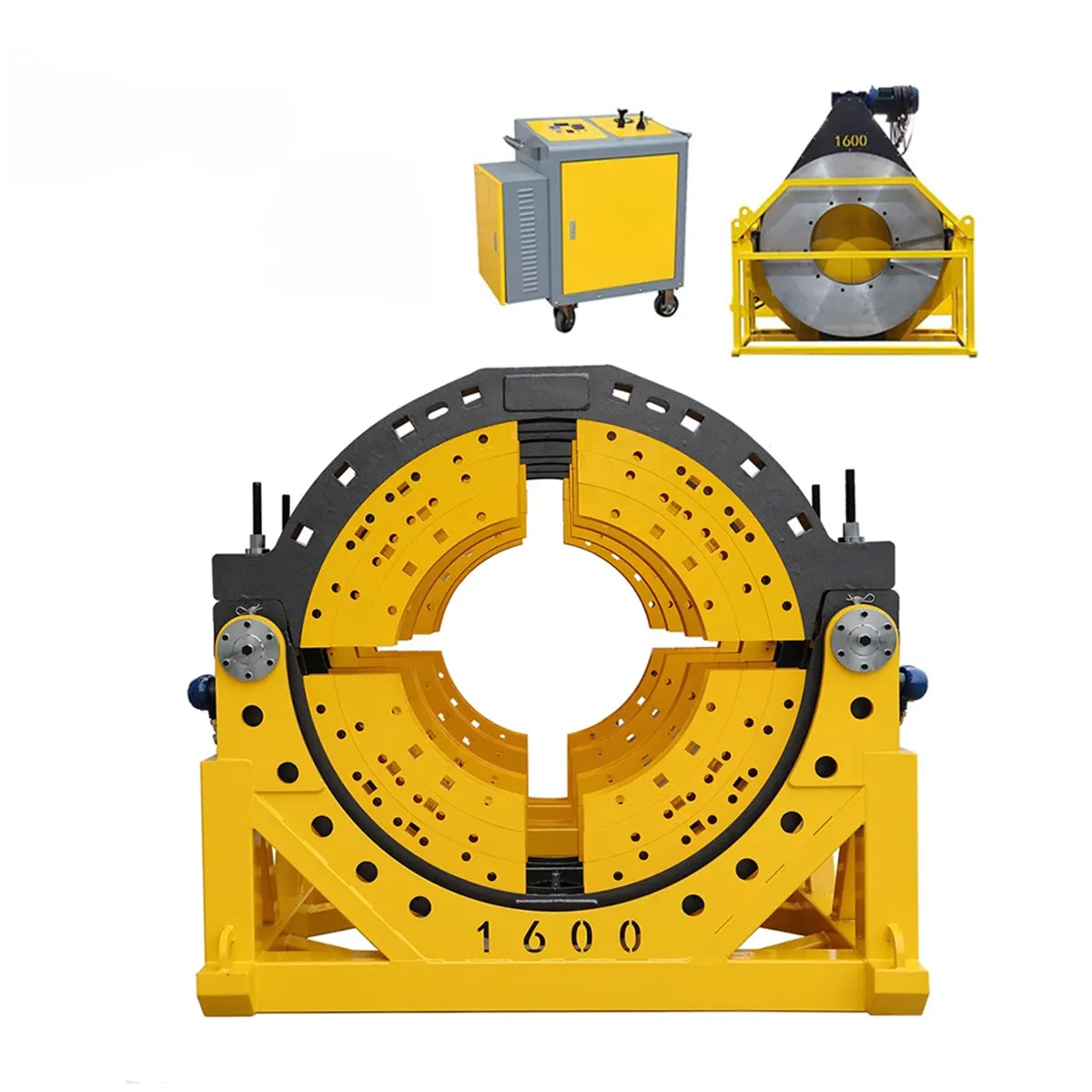
Problem 5: External Oil Leaks
External leaks are visible safety hazards and lead to pressure loss. They must be fixed immediately to protect the environment and the operator.
Common Leak Points
- Quick-Connect Fittings: Dust ingress causes mis-sealing. Clean thoroughly and replace worn nipples or couplers.
- Hose Abrasion: High-pressure hoses rubbing against the machine frame will burst eventually. Secure hoses with protective sleeves and clamps.
- Rod Wiper Seal: If the chrome rod is scratched, it will tear the wiper seal. Buff out minor scratches with emery cloth.
Problem 6: Overheating Hydraulic Oil
Oil temperature exceeding 60°C (140°F) degrades seals and reduces viscosity, leading to pump damage and internal leakage. Shut the machine down immediately if it becomes too hot to touch.
Causes include a closed or stuck valve creating constant back pressure, a dirty oil cooler, or a failing pump. Solutions involve checking the relief valve setting, cleaning the cooler, and verifying the pump flow matches the system requirements. For long-term reliability, always refer to the manufacturer’s equipment specifications.
Preventative Maintenance Schedule for Hydraulic Systems
Preventing failures is more cost-effective than emergency repairs. A disciplined approach ensures your equipment remains reliable for every HDPE pipe welding project, whether you are using standard hydraulic models or advanced CNC systems.
Weekly Checks
- Inspect all hose connections for weeping or wetness.
- Check oil level and top up if necessary.
- Verify pressure gauge accuracy using a calibrated test gauge.
Monthly Checks
- Clean the tank breather cap.
- Inspect cylinder rods for scratches or pitting.
- Tighten all accessible hydraulic manifold bolts to the correct torque.
Annual Service
- Drain and replace the hydraulic oil.
- Replace the return line filter element.
- Perform a full cylinder bypass test to verify seal integrity.
Choosing the Right Hydraulic Components for Repairs
When replacing parts like valves or cylinders, always match the exact specifications. A valve with the wrong flow capacity can cause system instability. Substandard hoses can burst under the high pressures generated during the butt fusion cycle. Using genuine components ensures that the machine continues to operate within the parameters of ASTM F2620 heat fusion guidelines, guaranteeing weld integrity.
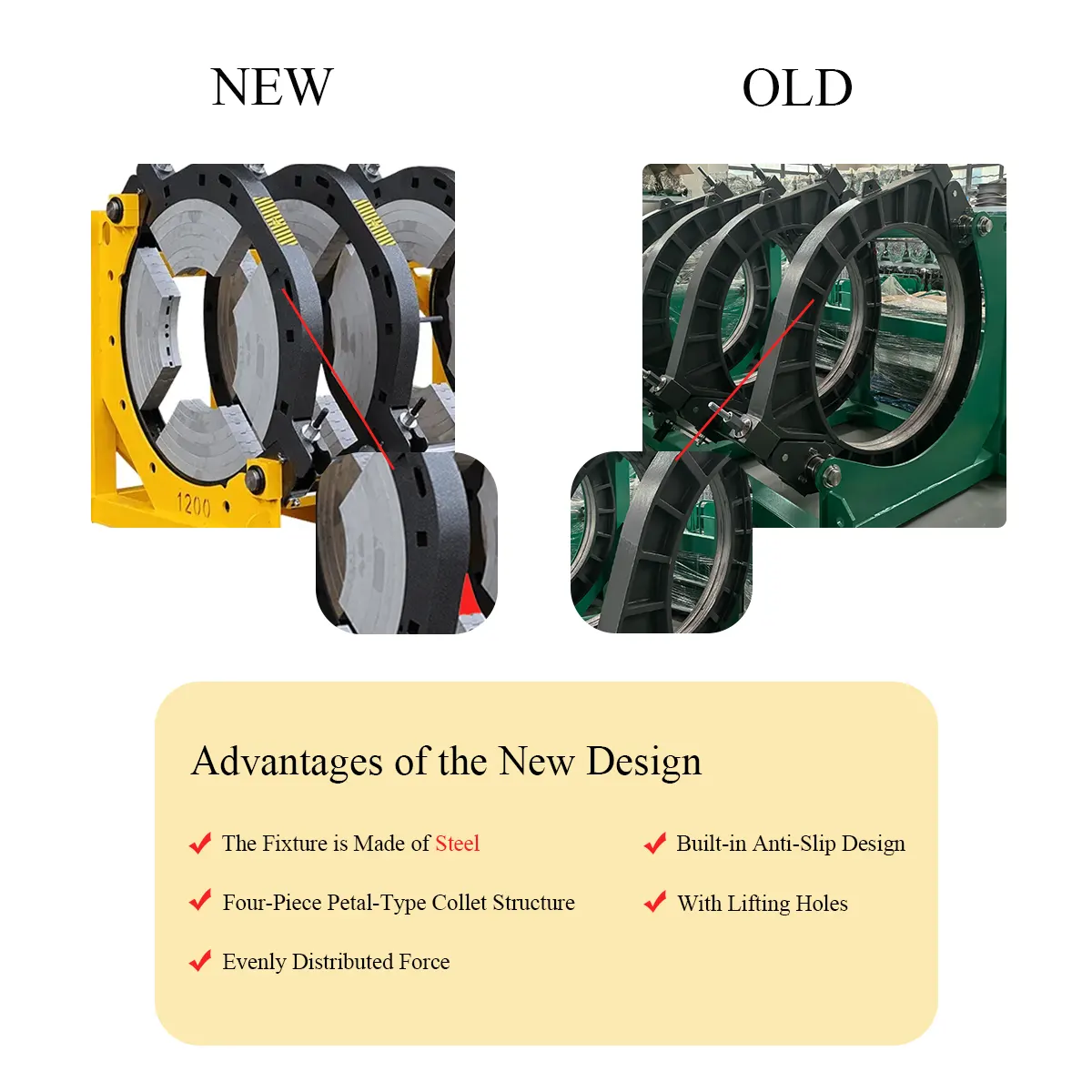
Systematic HDPE fusion machine hydraulic troubleshooting relies on isolating the hydraulic circuit into three sections: the power source (pump), the control valves, and the actuators (cylinders). By following the logic of pressure, flow, and direction, you can identify and resolve most issues in the field without extensive downtime.
JQ-Fusion provides comprehensive support and spare parts for all our hydraulic fusion equipment. Our machines are designed for easy maintenance access, featuring standardized cartridge valves and clearly marked test points to simplify diagnostics and repairs. Whether you are dealing with a compact 160mm unit or a large 2000mm system, the hydraulic troubleshooting principles remain consistent, helping you maintain peak performance and extend the service life of your investment.