
Polyethylene welding machines are essential for joining HDPE, PE100, and other thermoplastic pipes used in water supply, gas distribution, mining, and industrial systems. This guide explains common types, applications, buying tips, and maintenance best practices so you can choose the right equipment for your projects.
What Is a Polyethylene Welding Machine?
Also known as butt fusion or electrofusion machines, these systems heat and fuse polyethylene pipe ends to create leak-free, high-strength joints. Common processes include butt fusion (heating plate + pressure) and electrofusion (resistive heating via fittings).
Main Applications
Polyethylene welding machines are widely used in:
- Municipal water and sewage pipelines
- Gas distribution networks
- Irrigation and agricultural systems
- Mining slurry and industrial process piping
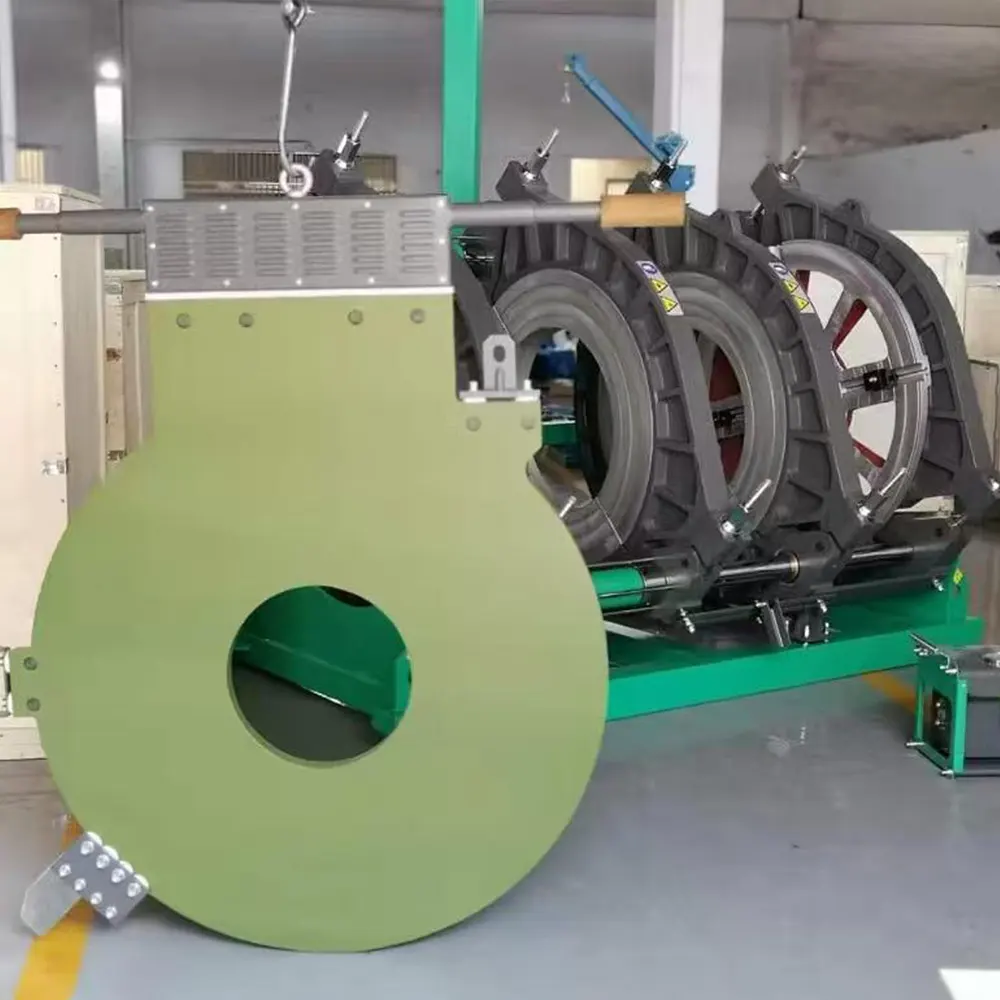
Types of Polyethylene Welding Machines
Manual Butt Fusion
Simple, portable, and cost-effective for small-diameter pipes (typically up to 315mm). Operators manually clamp, face, heat and join pipes. Best for field repairs and short runs.
Hydraulic Butt Fusion
Designed for larger diameters and higher production. Hydraulic systems provide stable force control and faster cycle times. Ideal for contractors working on long pipeline installations.
Automatic / CNC Butt Fusion
Offers programmable heating, controlled alignment, and automatic pressure cycles for repeatable, certified joints. Suited for high-volume factory or construction site use where traceability and precision matter.
Electrofusion Machines
Used with electrofusion couplers and fittings. These machines control current and time to melt embedded wires inside fittings, forming a fusion without needing a separate heated plate.
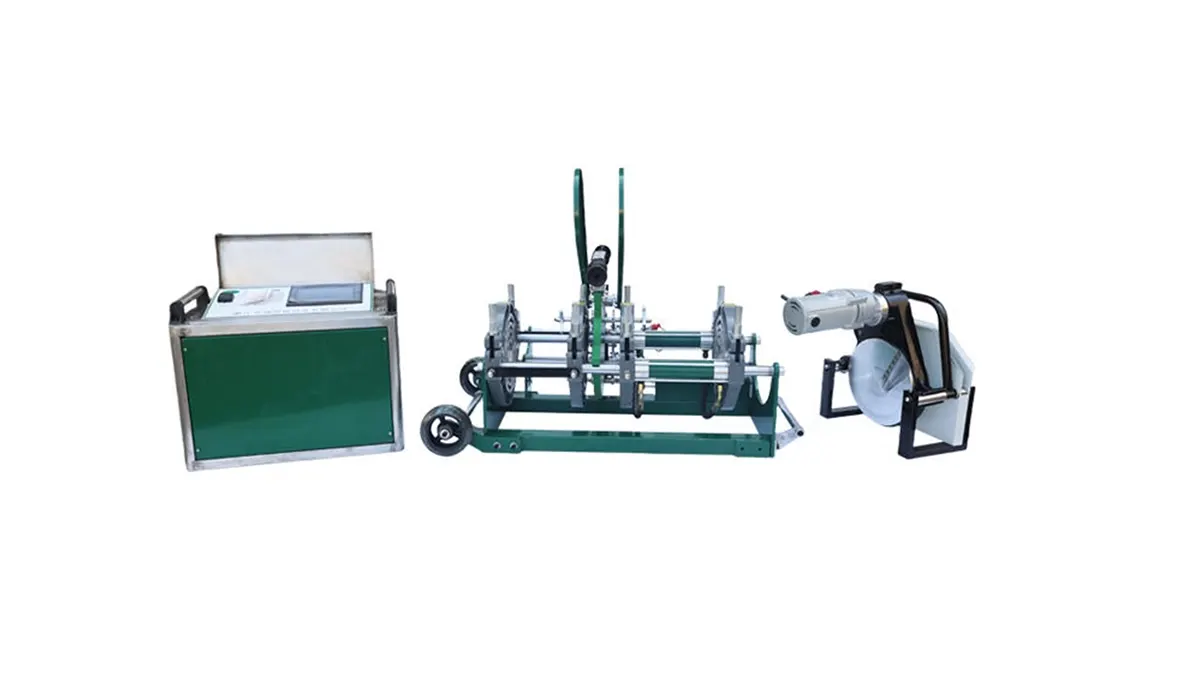
Quick Comparison Table
| Type | Best For | Diameter Range | Key Benefit |
|---|---|---|---|
| Manual Butt Fusion | Small jobs / field work | 20–315 mm | Portable, low cost |
| Hydraulic Butt Fusion | Medium to large projects | 160–1400+ mm | Stable pressure, high output |
| Automatic / CNC | High precision, factory use | 20–1200+ mm | Repeatability, data logging |
| Electrofusion | Fittings, confined joints | 20–630 mm (typical) | No hot plate required |
How to Choose the Right Machine
Consider these practical factors when selecting equipment:
- Pipe materials & pressure rating: Confirm compatibility with PE100 or other grades and the system operating pressure.
- Diameter & wall thickness: Ensure clamps and heating plates support the size and SDR of your pipes.
- Site conditions: Portability vs. fixed installation—choose manual for remote sites or hydraulic/automatic for large projects.
- Production & traceability needs: For volume work and certified joints, prefer CNC/automatic systems with data logging.
- Budget & training: Factor in operator training, consumables, and calibration services.
Buying Tips
Buy from a reliable manufacturer offering spare parts, clear documentation, and after-sales service. Look for machines with safety features (temperature/pressure alarms), easy-to-use controls, and proven warranty terms.
Installation & Operator Best Practices
Follow these steps to improve joint quality and reduce rework:
- Clean pipe ends and remove contaminants before facing.
- Use correct heating temperature and alignments for the material and wall thickness.
- Record fusion parameters (temperature, pressure, time) for quality assurance.
- Train operators on safety, equipment maintenance, and troubleshooting.
Maintenance and Troubleshooting
Routine checks extend machine life and ensure consistent welds:
- Inspect heating plates and replace non-flat or damaged plates.
- Lubricate moving parts and check hydraulic fluid levels on hydraulic models.
- Calibrate sensors and control units periodically.
- Troubleshoot by verifying power supply, heating element continuity, and clamp alignment.
Common Problem: Poor Fusion Bead
Poor fusion beads often result from incorrect temperature, insufficient alignment, or contaminated surfaces. Reface and re-run the fusion stage or replace the heating element if temperature drift persists.
Specifications to Check Before Purchase
Key specs you should compare:
- Maximum supported pipe diameter and SDR range
- Heating plate temperature range and uniformity
- Clamping force or hydraulic pressure rating
- Control system: manual, semi-automatic, or CNC with data export
- Power requirements and portability features
Quick FAQ
Can one machine handle all pipe sizes?
Many manufacturers offer modular systems with swap-in clamps and plates, but extremely large diameters usually require dedicated large-frame machines.
How important is operator training?
Critical—consistent, certified joints depend on correct procedure. Many incidents of leaks are caused by operator error rather than machine faults.
Where to Source Reliable Equipment
Choose a manufacturer with a proven track record in butt fusion and electrofusion equipment. For example, JQ-Fusion offers a range of manual, hydraulic, and automatic butt fusion welding machines for global infrastructure projects: https://jq-fusionwelding.com/
Final Advice
Match the machine type to your project’s scale and quality requirements. Prioritize safety, calibration, and operator training to get consistent, durable polyethylene welds for years to come.



