
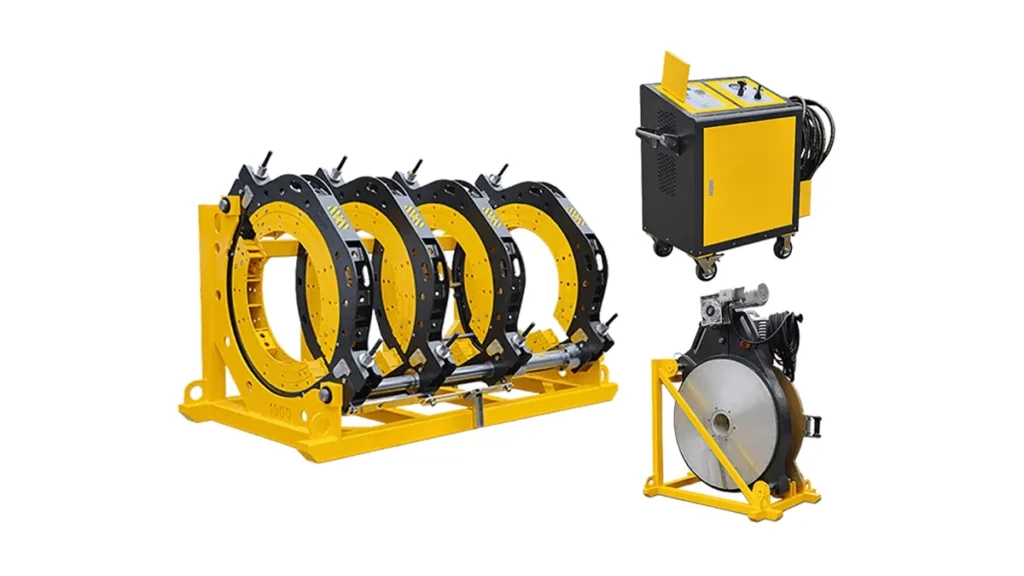
Egypt’s infrastructure growth — from urban water networks in Cairo and Alexandria to irrigation projects across the Nile Delta and pipeline work in desert developments — is driving demand for reliable polyethylene welding machines for HDPE pipe joining. Proper equipment ensures leak-free joints, long service life, and faster project delivery in challenging local conditions.
Why HDPE Welding Matters for Egyptian Projects
HDPE pipes are widely used across Egypt for potable water, irrigation, gas distribution, and industrial pipelines because of their corrosion resistance and flexibility. Successful butt fusion and electrofusion welding are essential to preserve these advantages. Selecting the right welding technology reduces rework, minimizes downtime during peak construction seasons, and helps comply with international standards commonly required by government and private-sector tenders.
Types of Polyethylene Welding Machines
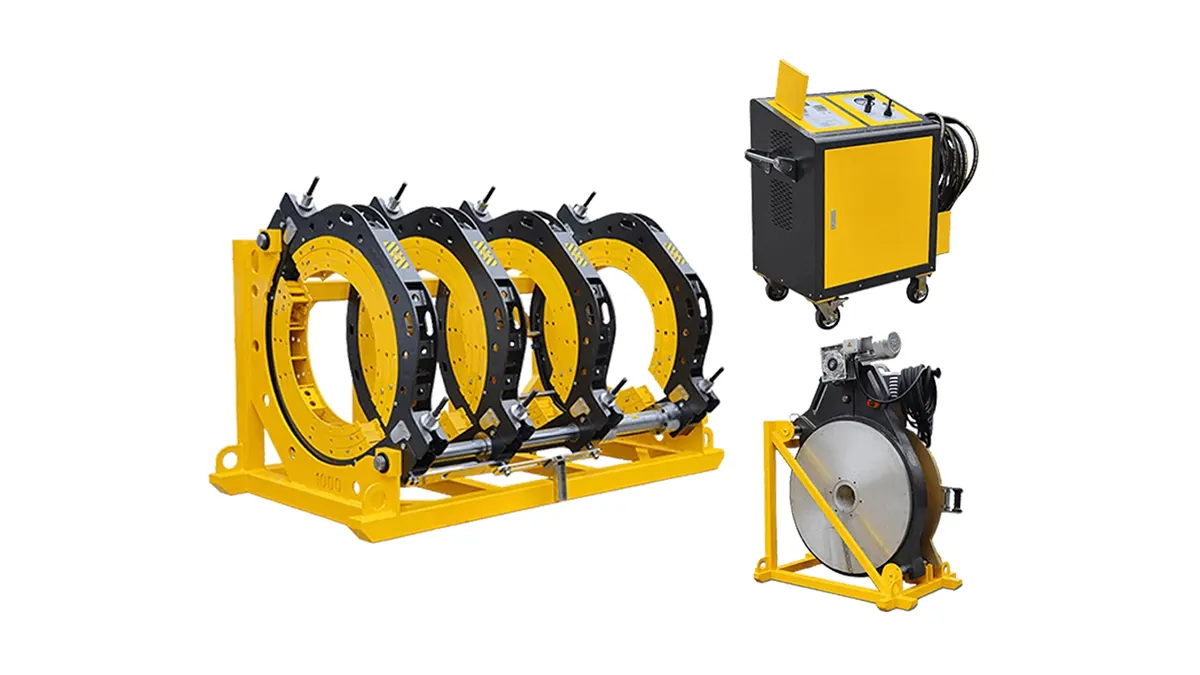
Understanding machine categories helps Egyptian contractors choose equipment that matches project scale and site conditions. Here is a quick comparison to guide procurement decisions:
| Type | Typical Pipe Range | Best For | Key Advantages |
|---|---|---|---|
| Manual Butt Fusion | 20mm – 160mm | Small repairs, rural irrigation lines | Lightweight, low cost, portable |
| Hydraulic Butt Fusion | 63mm – 2000mm | Medium to large pipelines, municipal works | High clamping force, stable joints |
| Automatic / CNC Butt Fusion | 63mm – 2000mm+ | High-volume projects, factory prefabrication | Repeatable weld quality, data logging |
Key Benefits for Local Contractors
Durability and leak prevention: Proper fusion eliminates weak joints that are prone to leaks and failures in high-temperature summers or shifting soils found in some regions of Egypt.
Speed and cost-effectiveness: Faster weld cycles reduce labor costs on large water distribution or irrigation projects where timelines are critical during planting seasons.
Adaptability to site conditions: Machines designed for dusty, sandy environments and variable power supplies are especially valuable for desert pipeline installation and remote worksites.
How to Choose the Right Machine for Egyptian Conditions
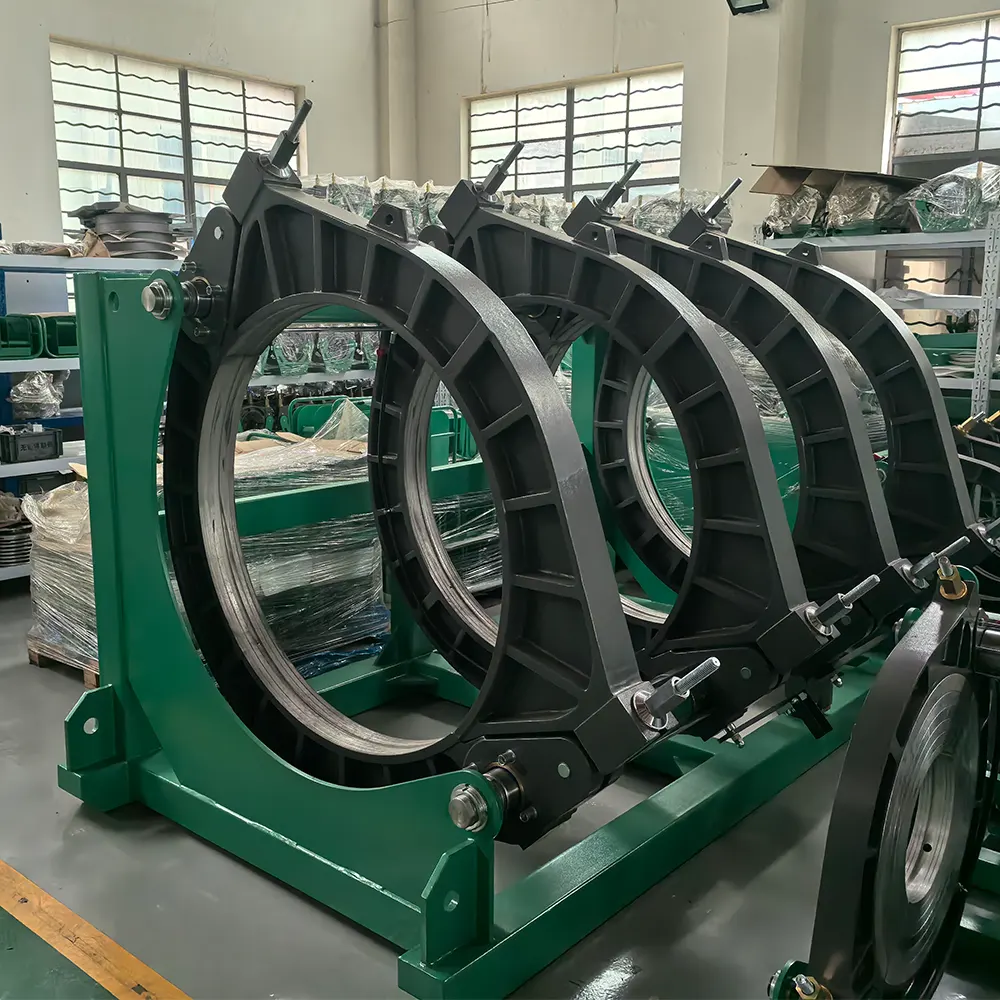
Evaluate these factors before purchase: typical pipe diameter ranges for your projects, level of automation desired, on-site power availability (generator compatibility), transportability for remote locations, and availability of local training and spare parts. Projects near the Nile may prioritize corrosion resistance and long-term performance, while desert projects need ruggedized frames and sealed electrical components.
Maintenance, Training & After-Sales Support
Look for suppliers who provide comprehensive spare parts kits, on-site commissioning, operator training, and remote technical support. Routine upkeep—cleaning heater plates, checking hydraulic seals, and following calibration schedules—extends machine life and keeps weld records in order for quality audits.
Supplier Profile & Contact
Visit JQ-Fusion for a full range of manual, hydraulic, and automatic butt fusion welding machines, spare parts, and service options tailored for large and small HDPE pipe projects.
For Egyptian contractors, specifying machines with clear documentation, ISO/EN-compliant welding parameters, and local support arrangements will improve project outcomes — whether upgrading municipal networks, expanding irrigation systems, or installing industrial pipelines.



