
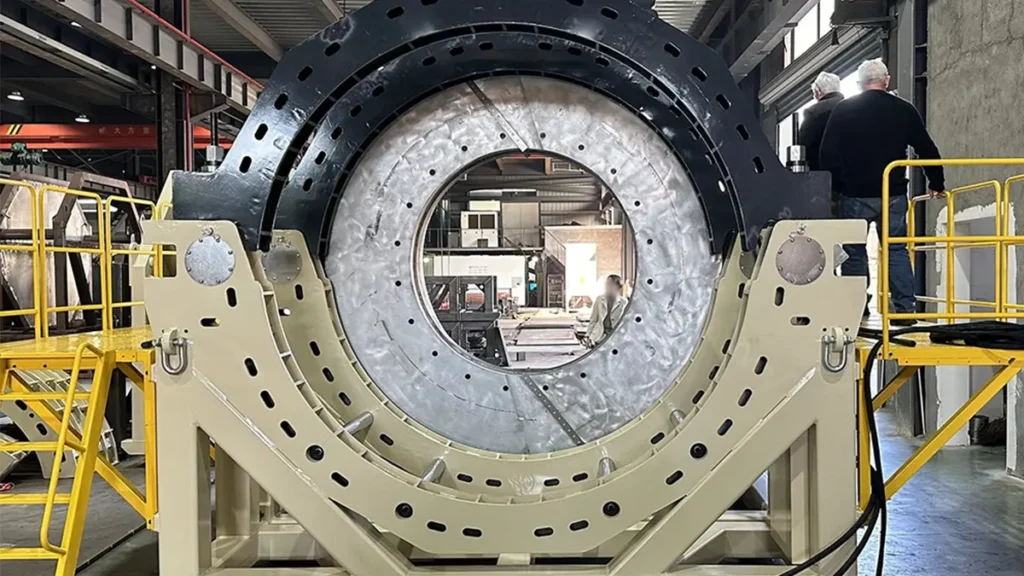
Looking for a reliable poly pipe welder maker in Ireland? This guide explains how modern HDPE pipe welding equipment delivers durable joints for Irish water, gas and agricultural networks — helping contractors, municipal teams and utility installers choose the right butt fusion or electrofusion solution for local conditions.
Why quality welding machines matter for Irish pipelines
Ireland’s mix of urban networks and rural servicing — from municipal water mains to on-farm slurry and drainage systems — demands robust, weatherproof pipe welding. Properly fused HDPE joints improve leak resistance, reduce long-term maintenance and speed up project delivery in wet or boggy terrain common across the country. Choosing the right machine lowers rework risk and ensures compliance with industry standards.
One trusted manufacturer to consider
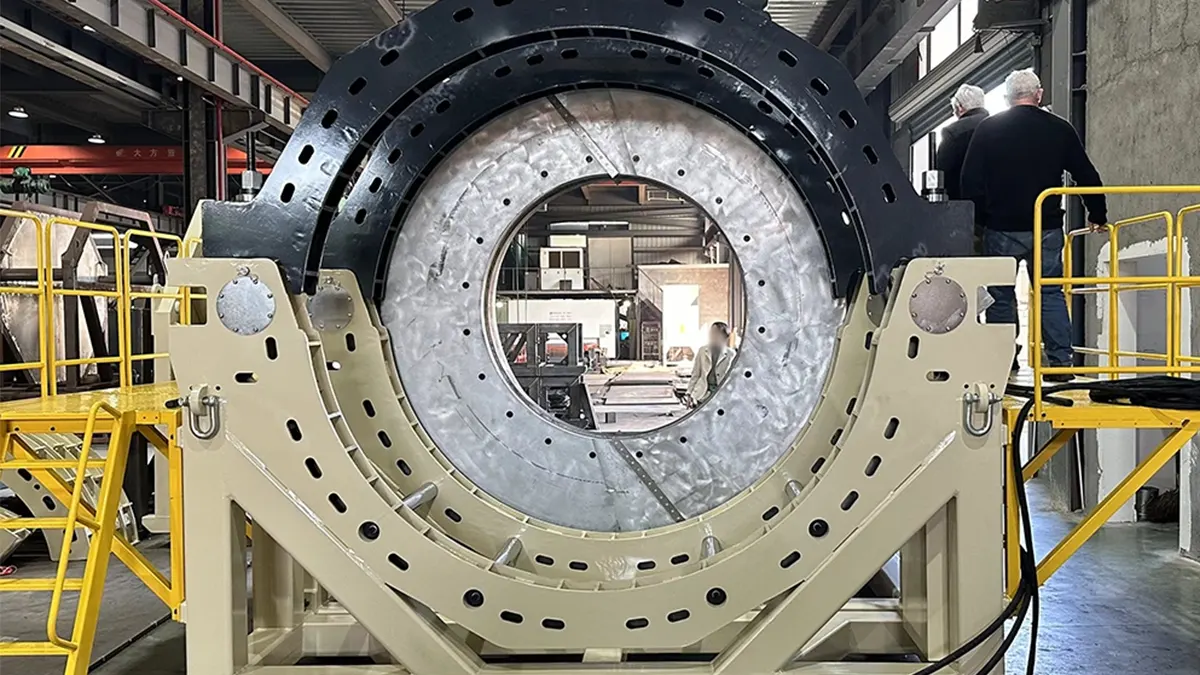
JQ-Fusion supplies a comprehensive range of manual, hydraulic and CNC automatic butt fusion welding machines plus electrofusion options, supporting pipe sizes from small service connections to large-diameter distribution mains.
Common machine types and where they excel
Understanding the primary machine categories helps Irish buyers match equipment to project scale:
Manual Butt Fusion
Best for small-diameter work and tight budgets. Portable, easy to use for repair crews and farm contractors.
Hydraulic Butt Fusion
Ideal for construction crews and utility contractors handling medium to large diameters — offers consistent pressure control for repeatable, high-strength joints.
Automatic & CNC Butt Fusion
Preferred for large projects and industrial pipelines where precision, programmable cycles and data logging are required.
Quick comparison: Which HDPE welder fits your Irish project?
| Type | Pipe Range (mm) | Best for | Key feature |
|---|---|---|---|
| Manual Butt Fusion | 20–315 | Service connections, repairs | Lightweight & portable |
| Hydraulic Butt Fusion | 63–2000+ | Mainline installation | Stable pressure & repeatability |
| Automatic / CNC | 63–2000+ | Large projects, industrial | Data logging & programmable cycles |
| Electrofusion | 20–630 | Complex fittings, small-lot joins | Quick, minimal equipment footprint |
Key selection criteria for Ireland
Project scale: smaller repairs need portable manual welders, while county council or developer mains benefit from hydraulic or automatic machines. Climate and site access: wet, muddy or remote sites require rugged frames and easy transport systems. Standards and traceability: choose machines with temperature/pressure monitoring and the ability to produce weld reports for audits.
Compliance and standards
Irish projects commonly refer to EN and national standards for polyethylene piping. Selecting equipment that supports standard welding procedures and documentation helps meet regulatory and utility requirements for potable water or gas distribution.
Maintenance, training and spare parts in Ireland
Local availability of spare parts, on-site calibration and operator training reduces downtime. For contractors working across counties, investing in training ensures consistent weld quality and extends machine life — which translates into lower lifetime cost.
Typical ROI considerations
Faster weld cycles, fewer joint failures and reduced rework mean machines pay back quickly on larger networks. For smaller operators, renting higher-capacity hydraulic or CNC units for major jobs is a cost-efficient strategy.
Practical tips for Irish buyers
Ask suppliers for: documented welding procedures, machine calibration records, demonstration videos, and references from projects in similar environments. If trenchless or directional drilling is in scope, verify clamp compatibility and pipe handling options.
Ready to evaluate options?
Explore manufacturers that offer a full range of HDPE welding solutions, spare parts and technical support for the Irish market. For detailed product lines and machine specifications, visit the manufacturer’s site and request tailored quotes and pre-shipment checks.



