
Lithuania’s infrastructure growth and harsh seasonal temperatures demand dependable plastic pipe welding solutions for water supply, gas distribution, drainage and industrial pipelines. Skilled poly pipe welders and modern butt fusion equipment ensure long-lasting, leak-free joints—critical for municipalities, contractors and utility operators across the Baltic region.
Trusted Poly Pipe Welding Services in Lithuania
Local builders and utilities in Lithuania increasingly specify HDPE and PE100 piping for durability and corrosion resistance. Professional welding services deliver precise butt fusion and electrofusion joints that meet EU standards and stand up to freeze-thaw cycles common in Nordic climates. Whether installing new potable water mains in Vilnius or repairing agricultural irrigation networks in rural districts, quality welding practice reduces long-term maintenance and lifecycle costs.
Who benefits most?
Municipal authorities, pipeline contractors, utility companies and private developers all rely on certified welders for safe, compliant joints. In Lithuania, projects focusing on frost-resistant networks and EU-funded water infrastructure upgrades particularly value certified butt fusion techniques and traceable welding records.
Primary Welding Methods: Butt Fusion & Electrofusion
Understanding the right joining method improves installation speed and joint integrity:
Butt Fusion
Butt fusion creates a homogenous joint by heating two pipe ends and applying controlled pressure. It is ideal for large-diameter mains and long runs—favored in water and gas distribution lines for its strength and reliability.
Electrofusion
Electrofusion uses fittings with embedded heating elements to fuse pipe-to-fitting connections. It’s suited for repairs, complex junctions and locations with limited space. When properly executed, electrofusion provides excellent performance for smaller-diameter systems.
Machine Types & Typical Pipe Ranges
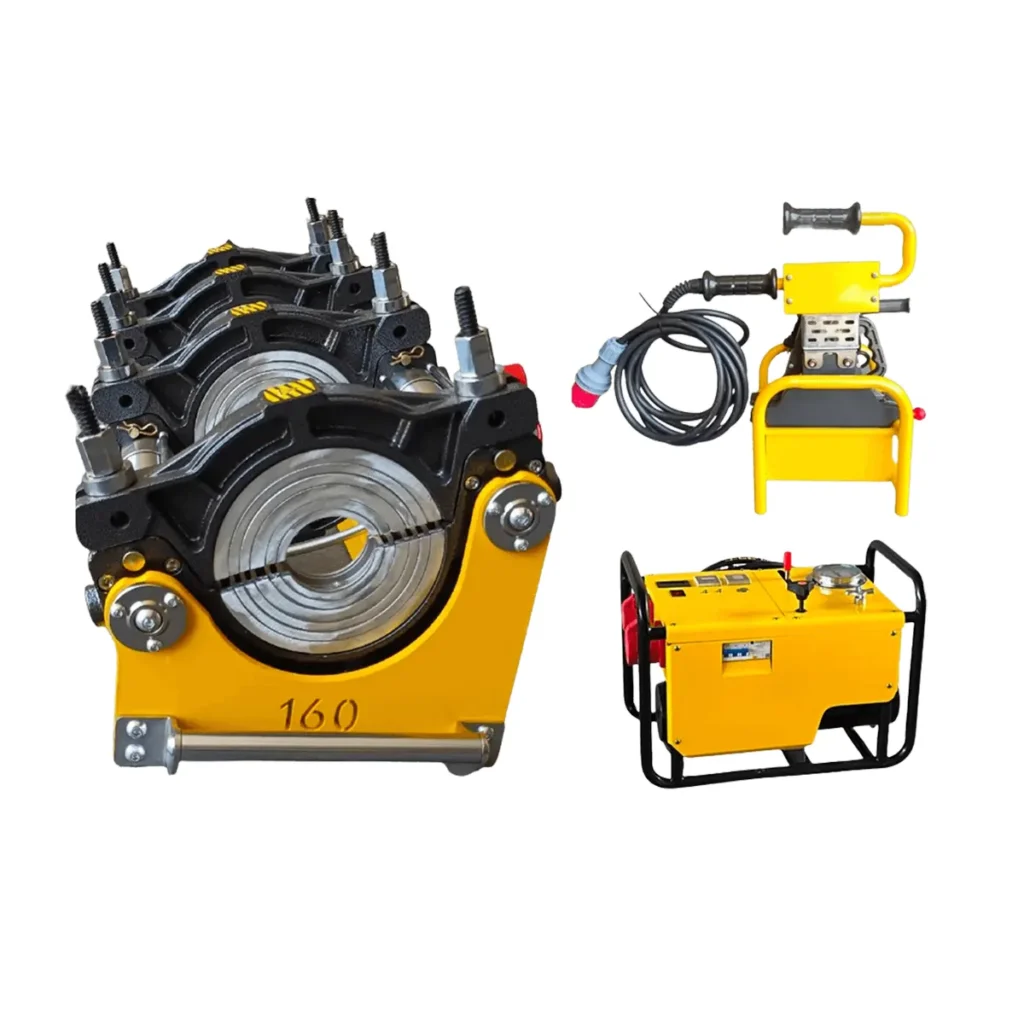
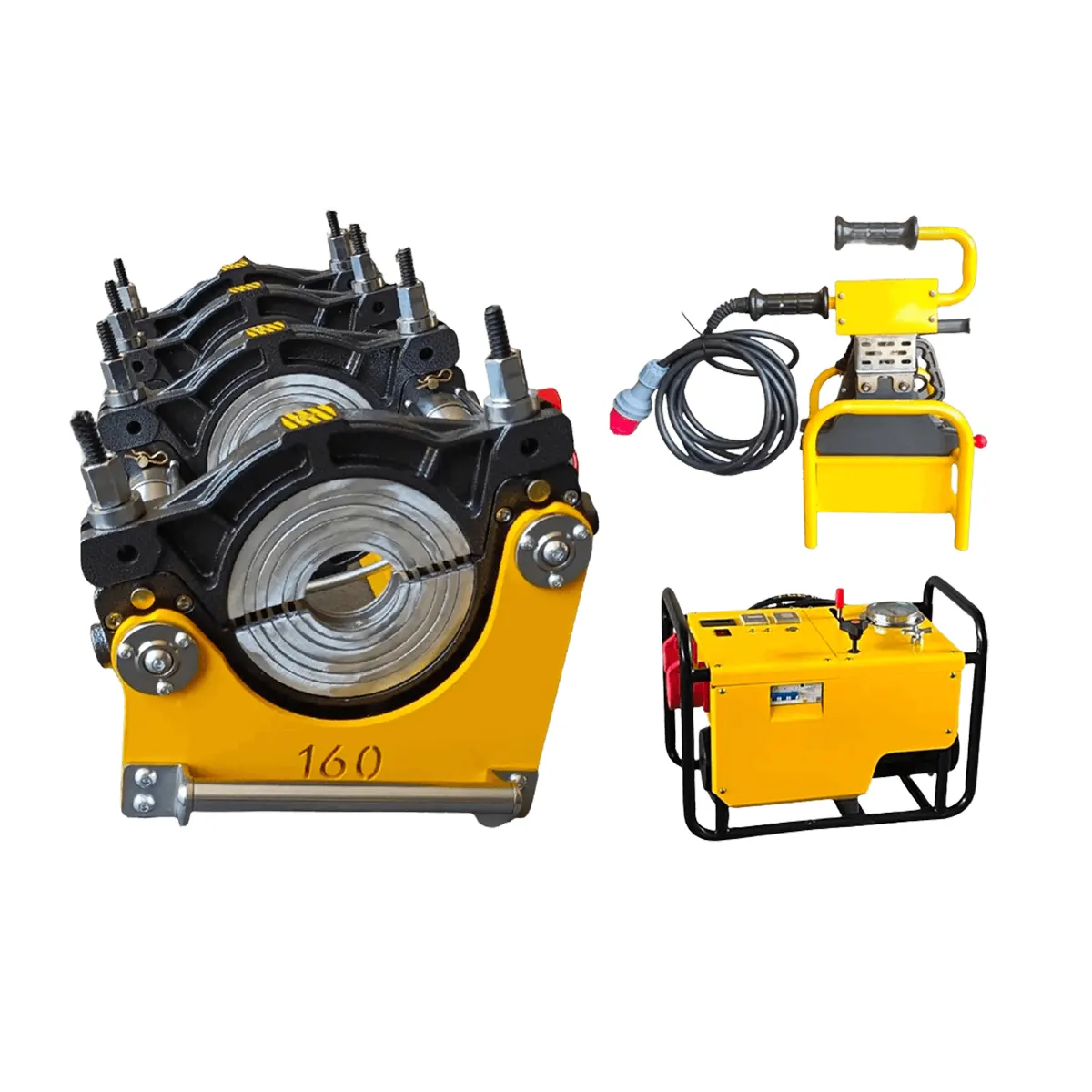
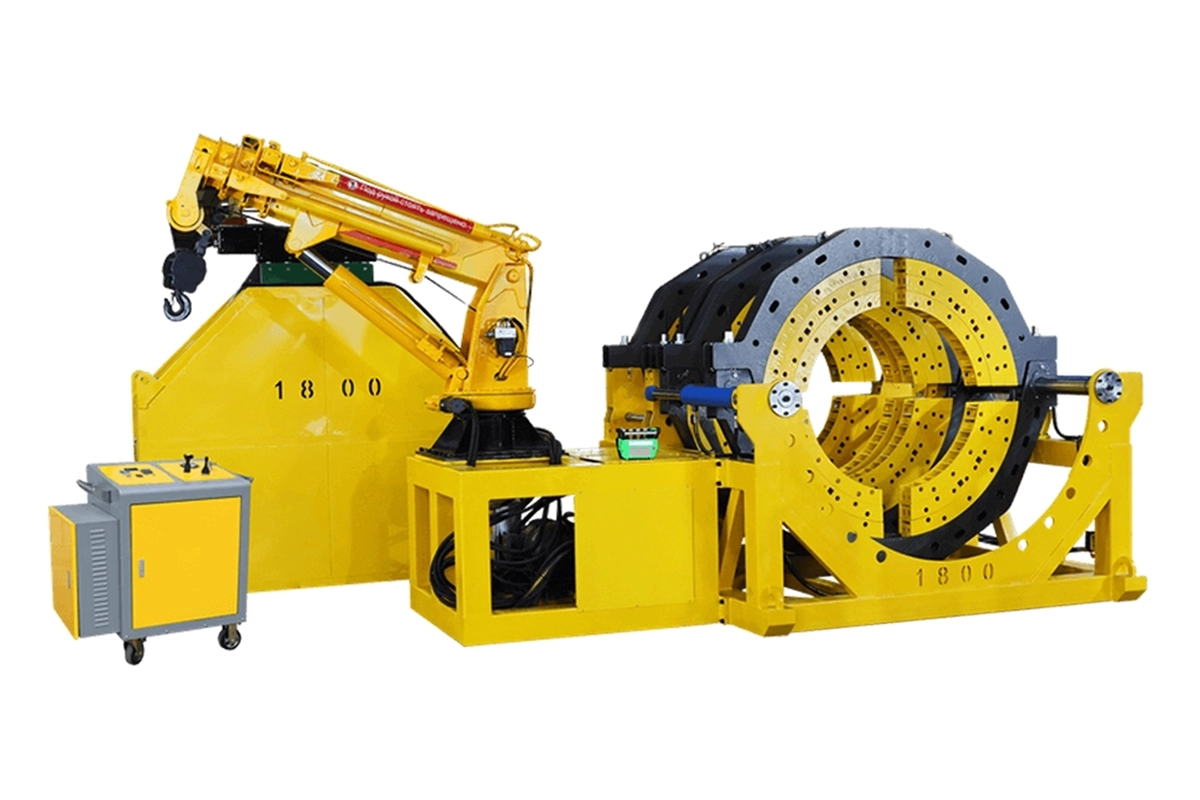
The right equipment supports efficiency on Lithuanian sites—portable manual units for remote jobs, hydraulic machines for larger diameters, and CNC automatic systems for high-volume factory welding.
| Machine Type | Typical Pipe Range | Best Use |
|---|---|---|
| Manual Butt Fusion | 20–160 mm | Small repairs, on-site assembly |
| Hydraulic Butt Fusion | 160–1200 mm+ | Large mains and industrial pipelines |
| Automatic / CNC Machines | 20–2000 mm | High-volume or precision-controlled welding |
Quality, Certification & Lithuanian Requirements
Lithuanian projects require welded joints that comply with European standards (EN 12201 for PE pipes). Reliable welders maintain comprehensive welding logs, follow temperature and pressure protocols, and carry certifications for butt fusion and electrofusion procedures. Attention to site prep—cleaning, beveling and correct alignment—prevents common joint defects especially in cold-season installations.
Durability in Northern Climates
Cold temperatures and seasonal ground movement make correct fusion parameters essential. Experienced technicians adjust heating times and cooling cycles to maintain joint integrity, minimizing the risk of brittle failures or leaks during Lithuania’s freezing months.
Training, Service & Aftercare
Ongoing training and field support keep welding teams current with best practices. Regular maintenance of butt fusion machines—calibrating trims, heaters and hydraulic systems—extends equipment life and improves weld repeatability. For critical networks, insist on traceable weld records and post-weld testing where applicable.
About JQ-Fusion
JQ-Fusion is a professional manufacturer specializing in HDPE pipe welding machines and butt fusion solutions, offering manual, hydraulic and automatic equipment for a wide range of pipe diameters; learn more at https://jq-fusionwelding.com/.
Next Steps for Lithuanian Projects
For municipal tenders, utility upgrades or private developments, prioritize certified welders, documented procedures and the right fusion equipment. Investing in quality welding practices today reduces repair costs and enhances system longevity—essential for Lithuania’s climate and regulatory environment.



