
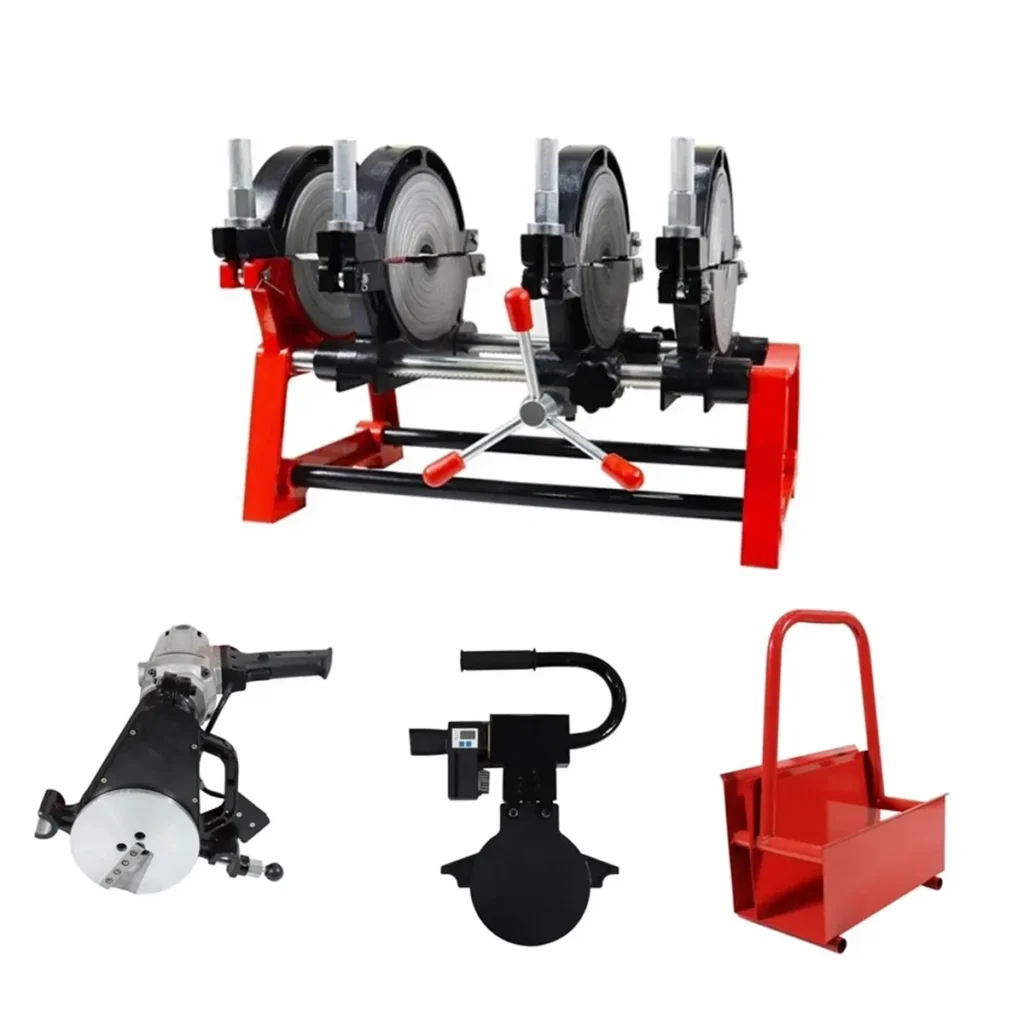
Egypt’s growing infrastructure programs—from urban water networks in Cairo and Alexandria to large-scale irrigation and gas distribution across the Nile Delta and desert reclamation projects—demand reliable HDPE pipe welding equipment that performs in high temperatures, dusty sites, and remote environments. This guide explains modern butt fusion solutions tailored for Egyptian industrial projects and how to choose equipment that ensures durable, leak-free pipeline systems.
Overview of Butt Fusion Solutions for Egyptian Infrastructure
Butt fusion welding is the preferred method for joining HDPE pipes used in water supply, irrigation canals, sewage systems, desalination feed lines, and gas distribution. The technique produces continuous, homogenous joints that resist corrosion and chemical attack—key advantages in coastal and arid regions of Egypt. Contractors working on national projects and private developers benefit from machines that deliver consistent weld quality across varied pipe diameters.
Product Types and Applications
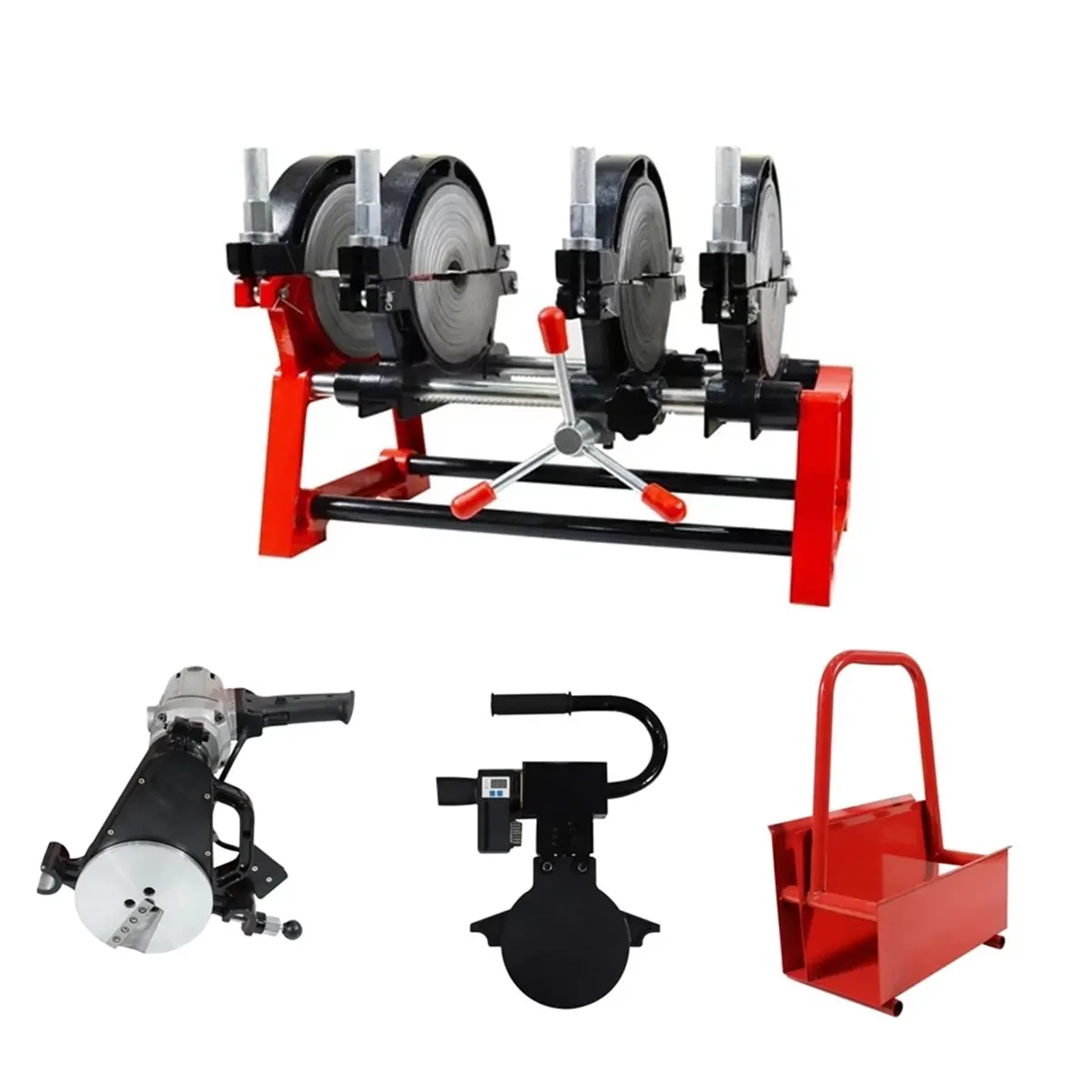
Available butt fusion equipment spans manual frames for small-diameter, on-site repairs to hydraulic and CNC automatic units for long-distance pipelines and large-diameter installations. Each category has trade-offs between portability, automation, and cycle time—important when balancing crew size, project deadlines, and remote working conditions in regions such as Upper Egypt or Sinai.
| Machine Type | Diameter Range | Key Benefits | Typical Egyptian Projects |
|---|---|---|---|
| Manual Butt Fusion | 20mm – 400mm | Lightweight, portable, cost-effective for repairs | Small water networks, irrigation repairs |
| Hydraulic Butt Fusion | 90mm – 2000mm+ | High clamping force, stable welds for large pipes | Municipal supply, desalination conveyance, oil/gas pipelines |
| Automatic / CNC Fusion | 160mm – 1250mm+ | Precision, repeatability, reduced operator variance | Long trunk mains, industrial plants, utility networks |
Durability & Performance in Harsh Conditions
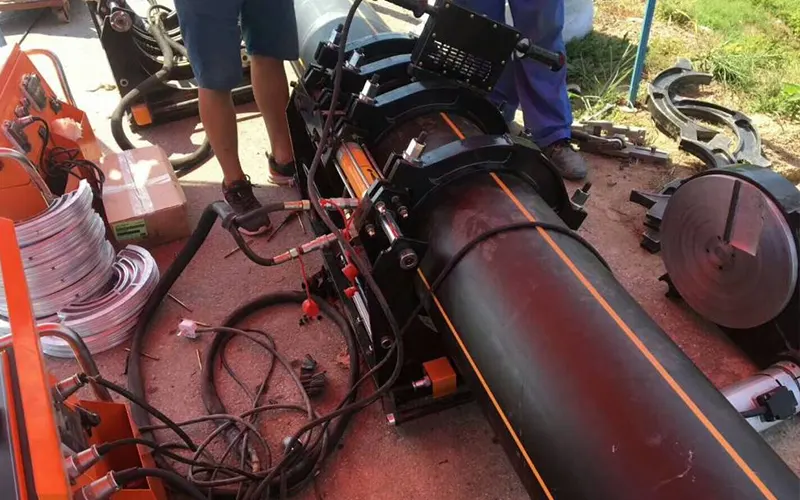
Egypt’s climate features high ambient temperatures and frequent dust, which influence equipment selection. Machines with robust frames, sealed hydraulic systems, and heat-resistant components maintain performance in desert work sites. For coastal projects, corrosion-resistant materials and regular maintenance schedules reduce downtime. Consistent heating plate temperature control and accurate alignment mechanisms are essential to avoid weak joints that can lead to costly repairs.
Choosing the Right Machine for Your Project
Select equipment based on project scale, pipe diameter, site accessibility, and labor skill level. Manual units suit small teams and quick fixes, hydraulic frames are ideal for medium-to-large diameter pipelines, while automatic machines deliver the precision needed for high-volume, standardized installations. Consider transport logistics for remote desert or Nile-bank sites and the availability of trained operators.
Local Support, Training & After-Sales
Reliable local training in Arabic, spare parts availability, and fast technical support are crucial to keep construction schedules on track. For reliable supply and global support, contact JQ-Fusion. Proper commissioning, operator certification, and preventative maintenance will maximize uptime and ensure pipeline integrity for Egypt’s most demanding infrastructure projects.



