
Polypipe fusion machines are a cornerstone for durable water, gas, and mining pipelines across the Democratic Republic of Congo. With large infrastructure projects, remote mining camps, and rural water supply networks expanding, selecting the right butt fusion solution improves joint strength, reduces leaks, and speeds up construction even in challenging tropical and high-rainfall environments.
Why Poly Pipe Fusion Matters in DR Congo
Reliability is critical where access, maintenance windows, and downtime are limited. Properly fused HDPE pipelines resist corrosion, handle ground movement, and offer long service life—qualities that benefit municipal water utilities, gas distribution, and mining operations across the country. Local teams face humid climates, seasonal rains, and remote job sites; machines that deliver consistent heat and pressure cycles are essential.
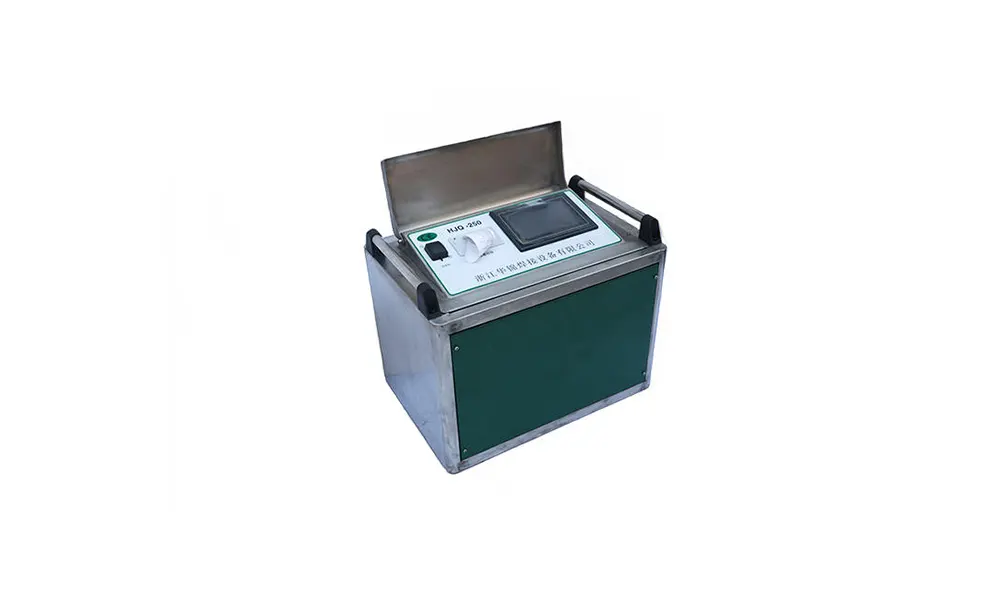
Choosing the Right Machine for Local Conditions
Decisions should be based on pipe diameter, site power availability, operator skill, and mobility needs:
Manual machines — lightweight, low-cost, ideal for small-diameter repairs and villages with minimal logistics.
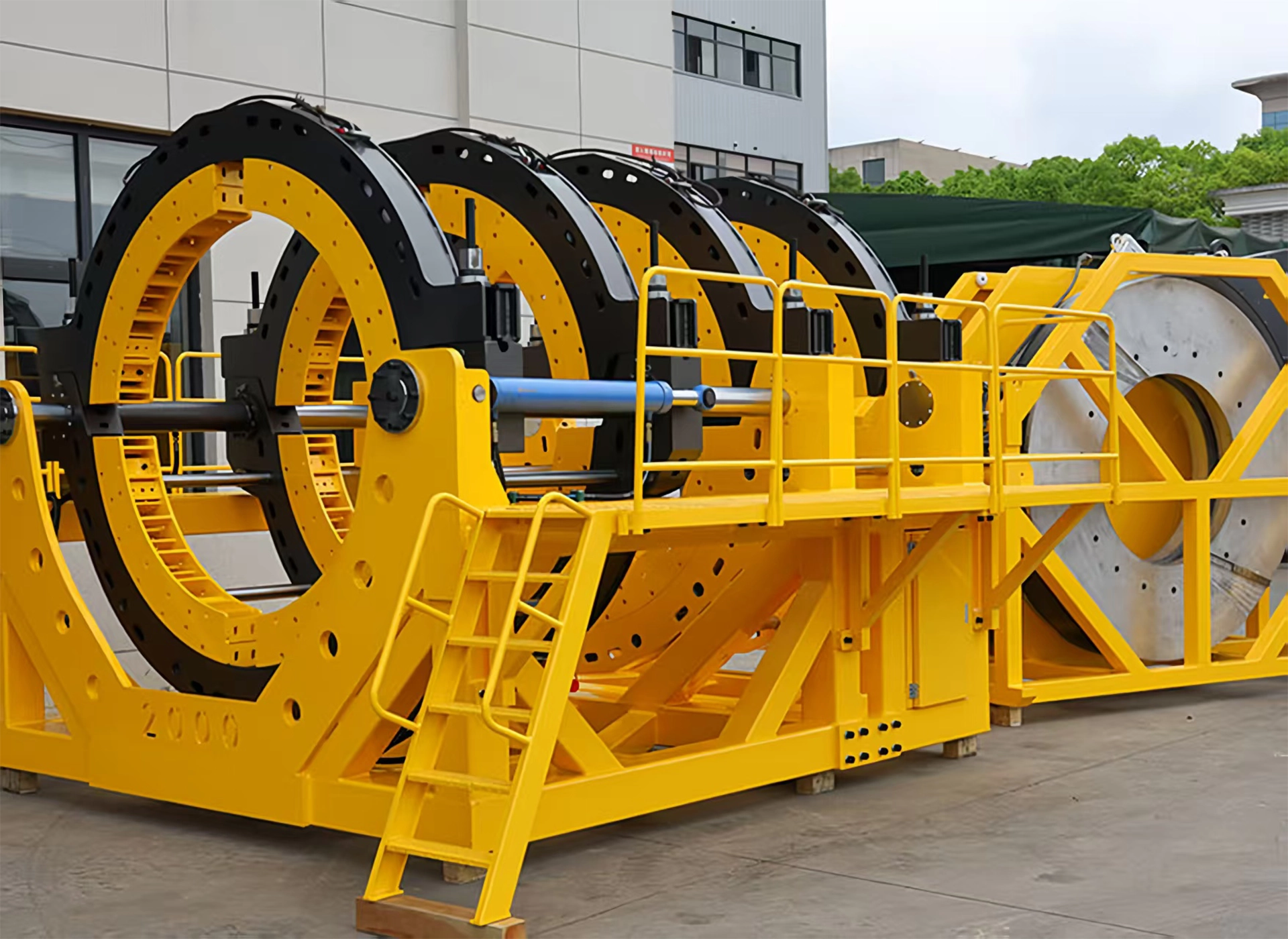
Hydraulic machines — robust for medium to large diameters; useful for pipeline contractors and mining operations requiring higher fusion force.
Automatic / CNC machines — precise, reduce operator variability, best for large network installations around urban centers or major mining concessions where throughput and QA records matter.
Quick comparison at a glance
| Machine Type | Pipe Diameter Range | Best For |
|---|---|---|
| Manual Butt Fusion | 20mm – 160mm | Village water lines, on-site repairs |
| Hydraulic Butt Fusion | 160mm – 1000mm+ | Large pipelines, mining & municipal projects |
| Automatic / CNC Butt Fusion | 63mm – 1250mm+ | High-volume production, accurate QA records |
Installation Tips for Congolese Conditions
Prepare for high humidity, heavy rains, and uneven terrain by planning a sheltered fusion area, using flat stable beds, and scheduling critical fusions during dry hours. Always validate fusion parameters with a traceable weld log to satisfy project QA and future audits.
Maintenance, Training and Spare Parts
For long-term uptime in DR Congo, focus on:
Routine checks — seals, heaters, and hydraulic oil. Replace wear parts before they cause downtime.
Local training — hands-on courses for field technicians ensure consistent fusion quality and reduce rework. Practical sessions on bead inspection, facing tools, and pressure control pay off quickly.
Spare parts strategy — keep common consumables (heating plates, cutters, seals) on-site or with a nearby distributor to avoid lengthy delays caused by long shipping lanes.
Logistics, Shipping and Compliance for DR Congo
Shipping heavy fusion equipment inland requires planning: factor in port clearance, customs, inland transport to Kinshasa or Lubumbashi, and sometimes final delivery by heavy-duty trucks. For mining or remote projects, consider staged deliveries and local storage hubs. Ensure machines meet local electrical standards or include generator-compatible options if grid power is unreliable.
Project Success Checklist
– Select a machine type matched to pipe diameter and daily fusion volume.
– Verify power supply and prepare backup generators if needed.
– Train local welders and document weld parameters.
– Maintain a local inventory of consumables and critical spares.
– Plan for weather-protected fusion setups and safe transport routes.
For trusted HDPE welding equipment designed for a wide range of applications—from municipal water to large-scale mining pipelines—consider the manufacturer mentioned above when specifying machines and service support for DR Congo projects.



