
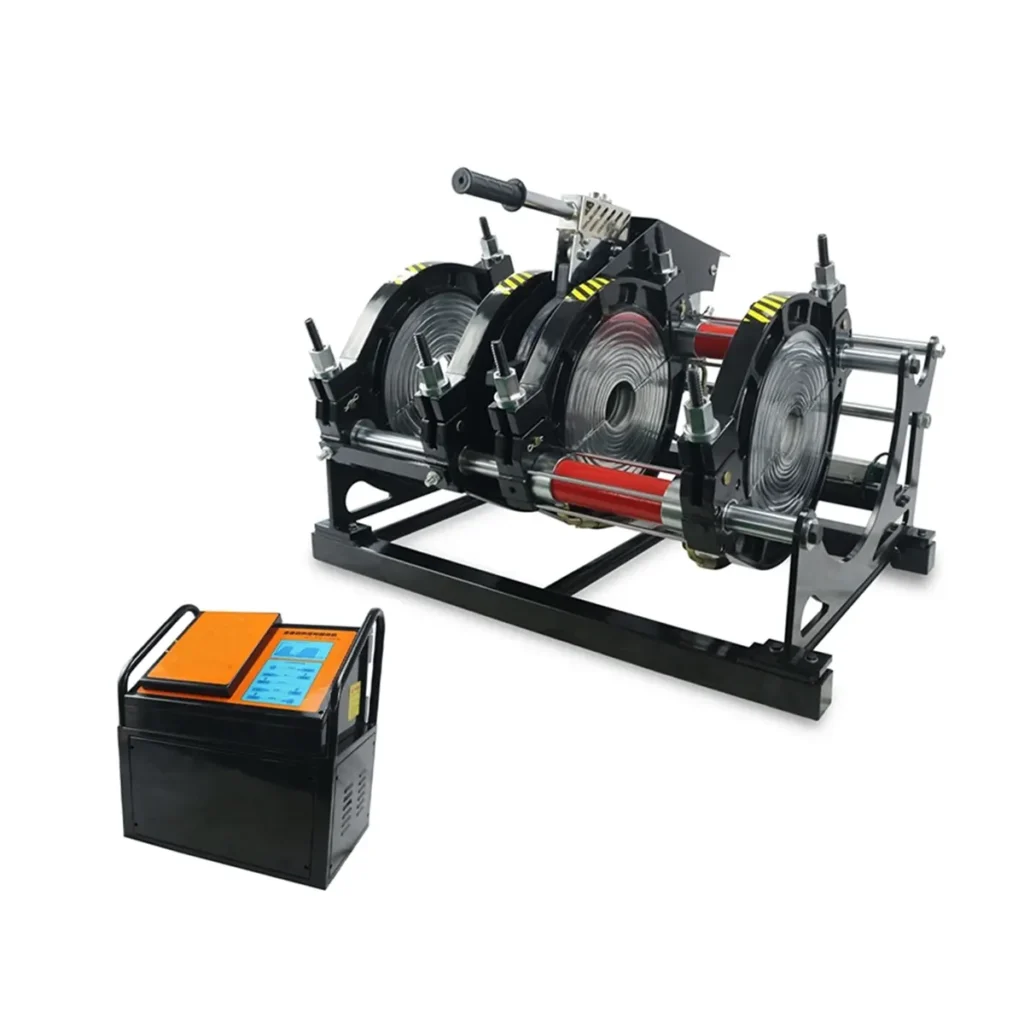
Australia’s expanding infrastructure and resource projects demand durable, precise, and easy-to-maintain poly pipe welding equipment. For contractors, municipal water authorities, mining operations and rural pipeline installers, selecting the right butt fusion machine can mean the difference between long-term network reliability and costly rework. This guide outlines practical choices and benefits when sourcing poly pipe fusion machines in Australia.
Reliable Butt Fusion Technology for Australian Projects
Butt fusion remains the gold standard for joining HDPE and other thermoplastic pipes across water supply, gas distribution and mining applications. Machines designed for Australian conditions must withstand heat, dust and long mobilization times to remote sites while delivering consistent weld strength that meets AS/NZS and industry best-practice requirements.
Product Range: From Manual Clamps to CNC Automatic Systems
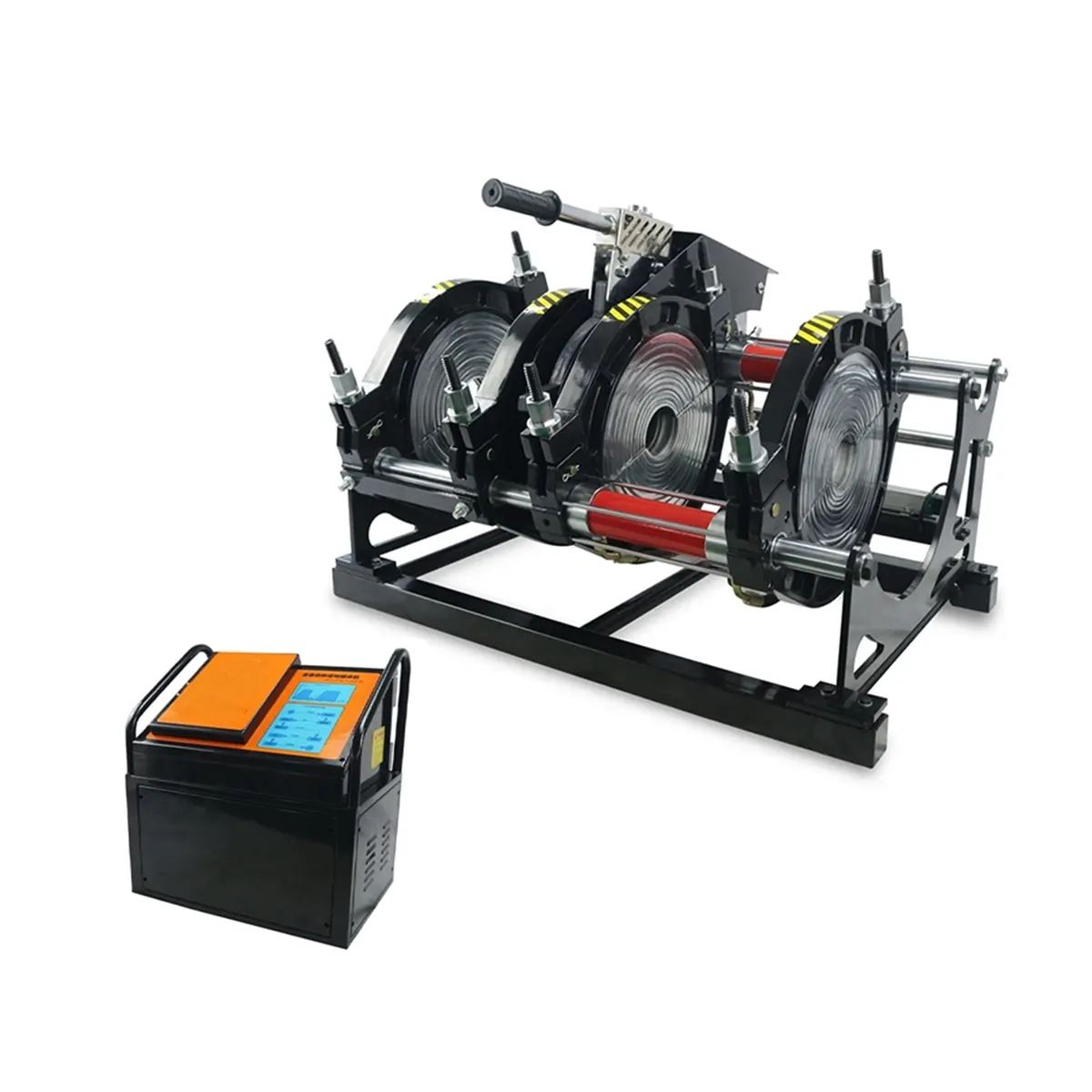
Manufacturers offer a wide lineup to match different job sizes and budgets. Options include compact manual units for service crews, hydraulic frames for mid-diameter pipelines, and fully automatic CNC systems for high-volume factory or pipeline-lay operations.
| Machine Type | Suitable Pipe Diameters | Key Features | Typical Australian Uses |
|---|---|---|---|
| Manual Butt Fusion | 20–160mm | Portable, low-cost, easy field repair | Service repairs, rural reticulation, irrigation |
| Hydraulic Butt Fusion | 160–1200mm | High clamping force, robust frames, suitable for sitework | Municipal mains, mining process water, trunk lines |
| Automatic / CNC Butt Fusion | 63–1250mm+ | Programmed cycles, data logging, repeatable weld quality | Large pipeline projects, prefabrication yards, gas networks |
| Multi-Angle Fitting Welding | Fittings and branch angles | Precision positioning, reduces rework for complex fittings | Complex distribution networks, fittings workshops |
| Electrofusion Units | 20–630mm (varies) | Controlled heating of couplers, ideal for inline repairs | Gas distribution, service connections, confined spaces |
Key Benefits for Australian Users
- Durability: Machines built with corrosion-resistant frames and reliable hydraulics reduce downtime in coastal and outback environments.
- Repeatability: Automatic controllers and precision clamps produce consistent welds needed for regulated water and gas systems.
- Serviceability: Readily available spare parts and local support options cut mobilization time for remote jobs.
- Compliance: Equipment and welding procedures can be matched to AS/NZS standards and client QA/QC protocols.
Service, Training and Spares for Remote Sites
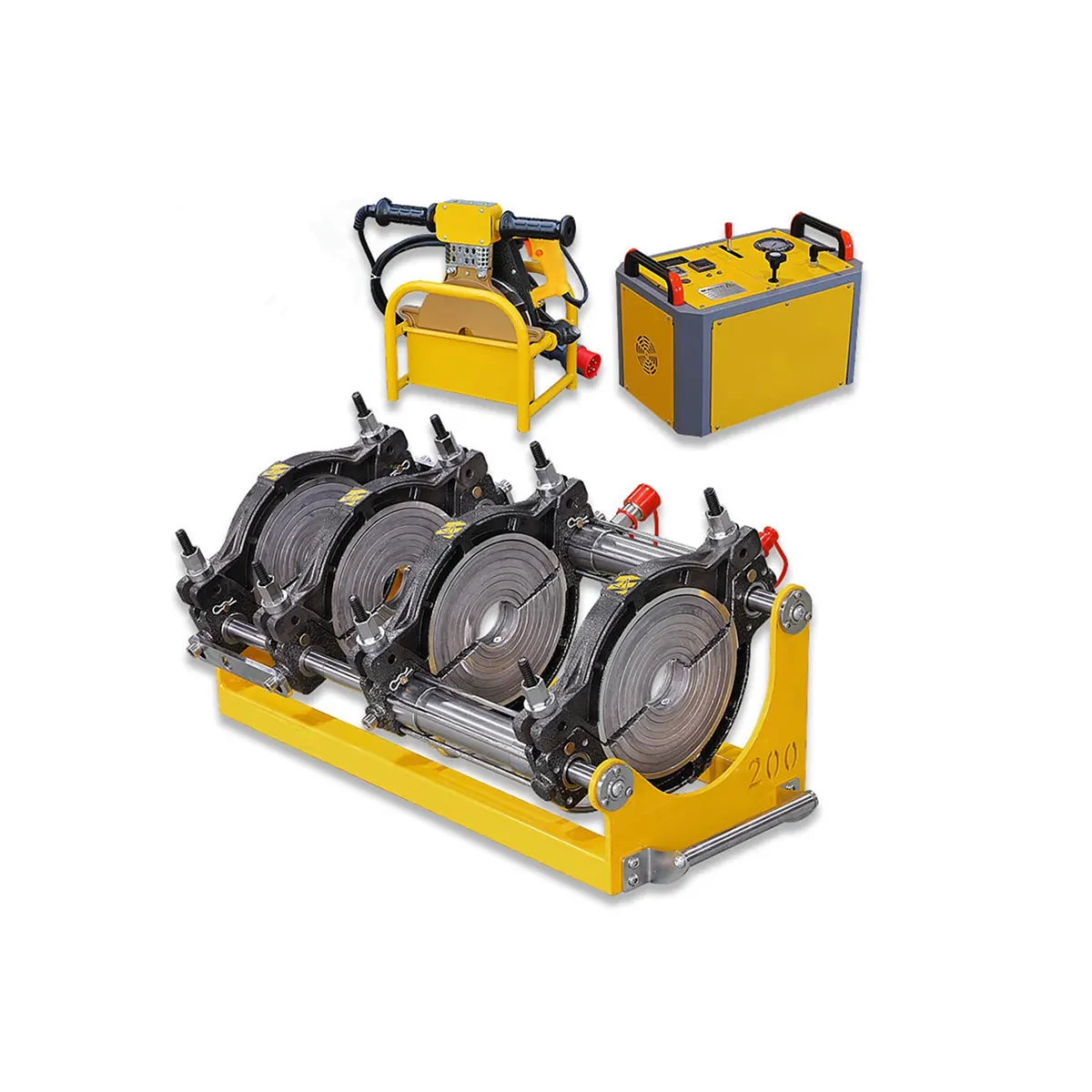
Australian projects often operate far from major centres. Choosing a supplier with clear parts availability, remote troubleshooting support and on-site training ensures crews can keep weld quality high and schedules on track. One reputable source is JQ-Fusion (https://jq-fusionwelding.com/) which supplies a broad machine range, spare parts and documentation for global projects.
How to Choose the Right Machine
- Match machine capacity to the largest pipe diameter you plan to weld.
- For frequent field repairs, prioritize portability and simple maintenance.
- For project yards or long runs, consider automatic systems with data logging.
- Check local compliance requirements and request welding procedure documentation.
Next Steps for Australian Buyers
Prepare a short specification including pipe materials, maximum diameter, typical site conditions and expected production rate. Share these with potential suppliers to get tailored quotes, recommended training packages and lead-time commitments. For detailed machine specs, spares lists and support options, visit the website listed above to request literature and discuss project timelines.



