
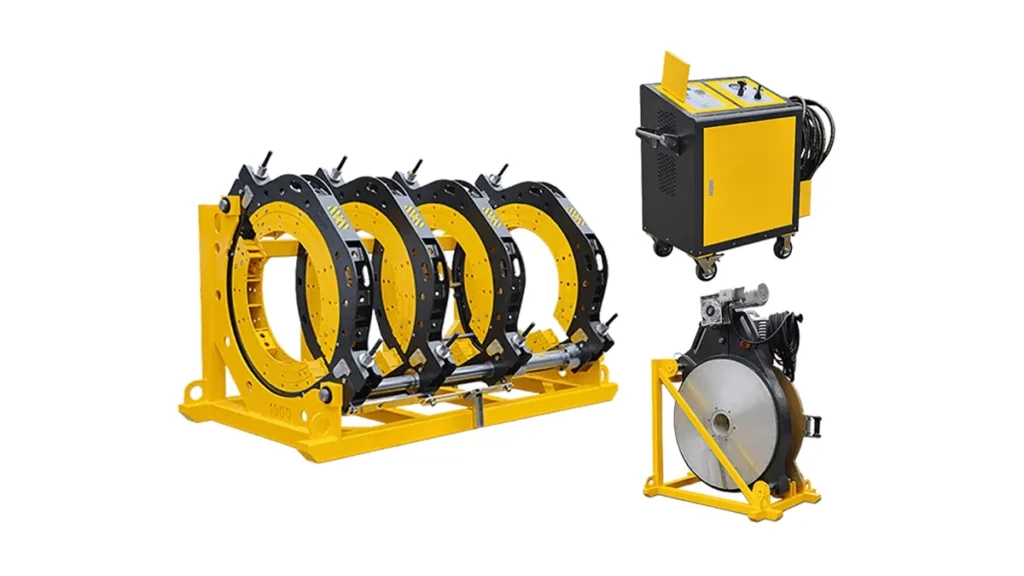
Looking for a reliable poly fusion machine wholesaler in Georgia? This guide explains how local contractors, municipal utilities, and pipeline installers across the state can source durable HDPE pipe fusion equipment, compare models, and choose the best partner for long-term projects.
Why Georgia Contractors Choose Local Poly Fusion Suppliers
Consistency, code compliance, and fast support matter for projects in Atlanta, Savannah, and rural counties alike. Contractors working on water distribution, gas networks, irrigation, and mining applications benefit from machines designed for Southeastern climates, frequent project mobilization, and varying site conditions.
Selecting the right fusion equipment affects installation speed and joint integrity. Machines built for easy transport, rapid setup, and reliable weld traceability help meet municipal inspection standards and reduce costly rework.
Core Product Categories
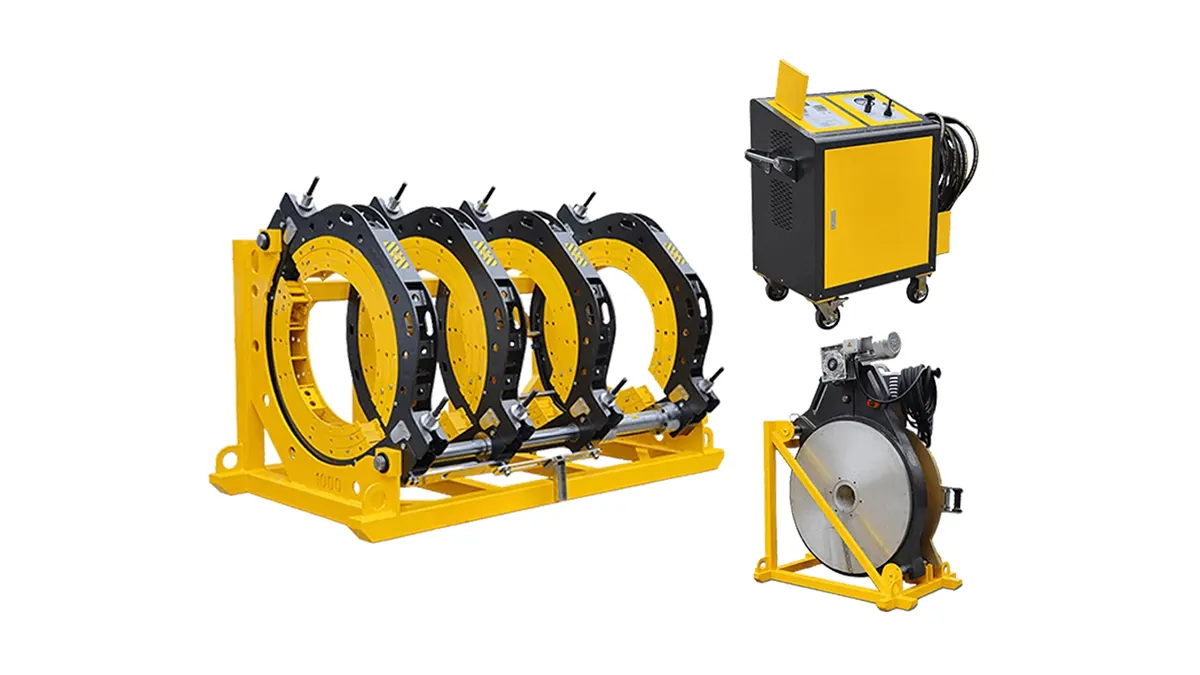
Whether you need compact manual units for small-diameter sewer lines or CNC automatic systems for large-diameter transmission mains, the main categories to consider are:
• Manual butt fusion machines for DN20–DN315 — lightweight, low-cost for spot repairs and tight-access jobs.
• Hydraulic butt fusion machines for DN160–DN1800 — ideal for medium to large pipeline construction with consistent pressure control.
• Automatic/CNC butt fusion machines for DN200–DN2250 — for high-volume projects that demand repeatable, data-logged welds.
Quick Comparison Table — Choose by Application
| Model Type | Pipe Range | Best For | Key Advantage |
|---|---|---|---|
| Manual Butt Fusion | DN20 – DN315 | Repair crews, small job sites | Portable and economical |
| Hydraulic Butt Fusion | DN160 – DN1800 | Municipal water, gas mains | Stable pressure control for consistent welds |
| Automatic/CNC Fusion | DN200 – DN2250 | Large-scale projects, high throughput | Data logging and minimal operator variation |
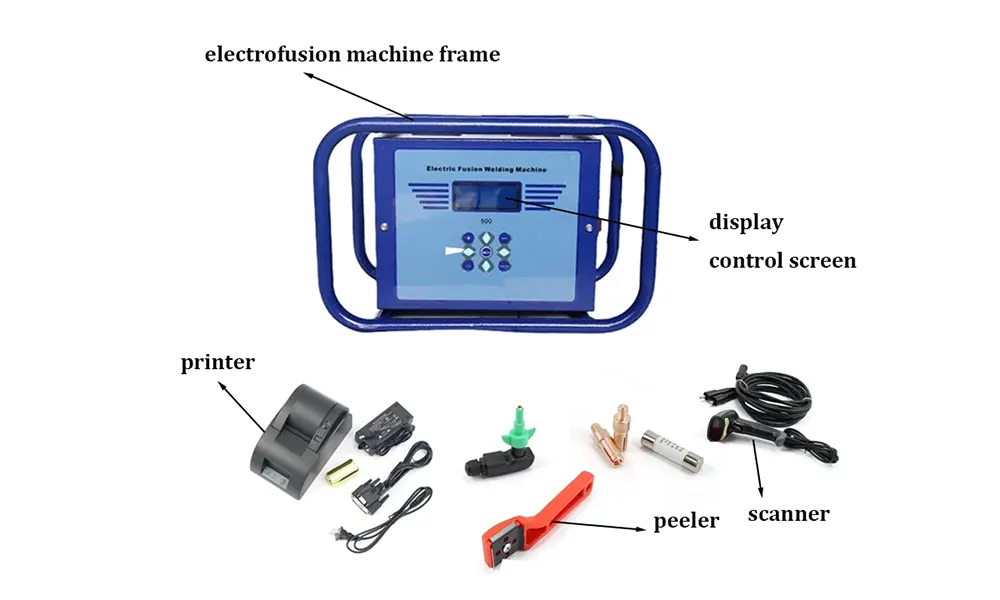
| Electrofusion Units | Fittings DN20 – DN1100 | Service connections, complex fittings | Fast jointing for repairs and connections |
Practical Buying Tips for Georgia Projects
Match machine capacity to your pipeline program: small crews benefit from manual or light hydraulic units, while contractors handling long water or gas mains should invest in automatic systems to reduce labor hours and improve weld traceability.
Consider portability for coastal and inland jobs — machines that are easily truck-mounted and tolerant to humidity will perform better in Georgia’s warm, sometimes wet seasons. Also verify local certification needs and material compatibility with ABS/ASTM standards used by utilities.
Maintenance, Training & Local Support
Regular maintenance keeps fusion equipment reliable during peak construction seasons. Ask suppliers about on-site training, preventive maintenance schedules, and spare parts availability to minimize downtime. For teams new to HDPE welding, practical training sessions accelerate safe, code-compliant welding.
Frequently Asked Questions
Q: What weld documentation should I expect from a supplier?
A: Look for suppliers that provide weld logs, temperature/time records, and calibration certificates for heaters and force sensors.
Q: Can I rent before I buy?
A: Many wholesalers offer rental or demo programs so crews can evaluate machine fit for their workflows before committing to purchase.
Q: How important is machine automation?
A: Automation improves repeatability and provides digital records, which are valuable for large public works contracts and quality assurance.
For direct inquiries and full product details, contact JQ-Fusion via their official website: https://jq-fusionwelding.com/



