
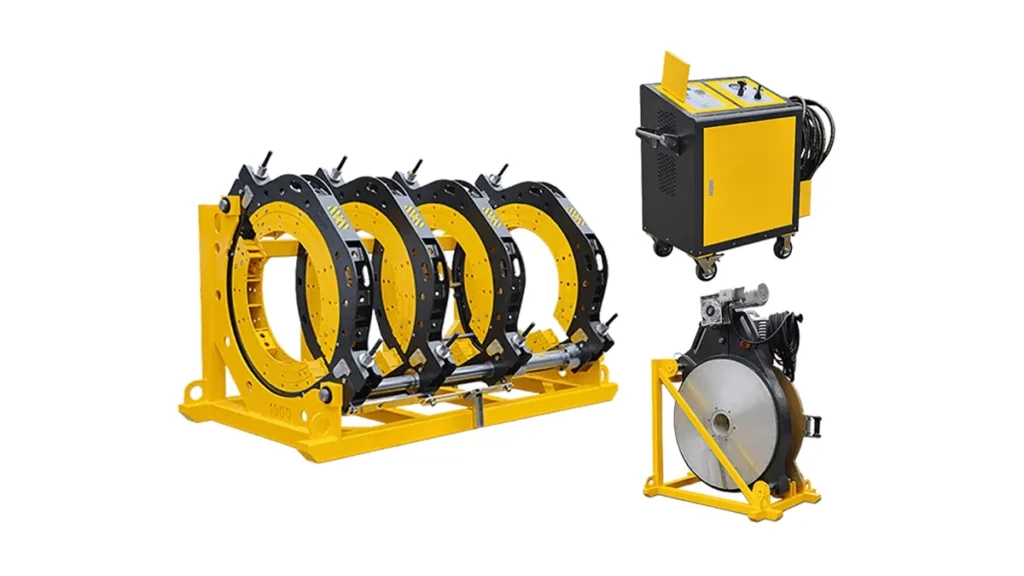
In fast-paced Singapore infrastructure projects, choosing the right poly fusion machine is essential for reliable HDPE pipe welding. Engineers, contractors, and utility operators require equipment that delivers consistent butt fusion welds for water, gas, and drainage networks—while meeting local standards, tight schedules, and the island’s humid climate. This guide explains the types, benefits, selection tips, and maintenance best practices to help you pick the most suitable pipe welding solution.
Why Poly Fusion Machines Matter for Singapore Projects
Poly fusion machines ensure joint integrity, reduce leak risks, and speed up pipeline installation. In Singapore, where space constraints and strict quality controls are common, machines that provide repeatable heat and pressure control can significantly lower rework and downtime. For municipal contractors and private developers, reliable fusion equipment supports long-term performance in tropical conditions and urban environments.
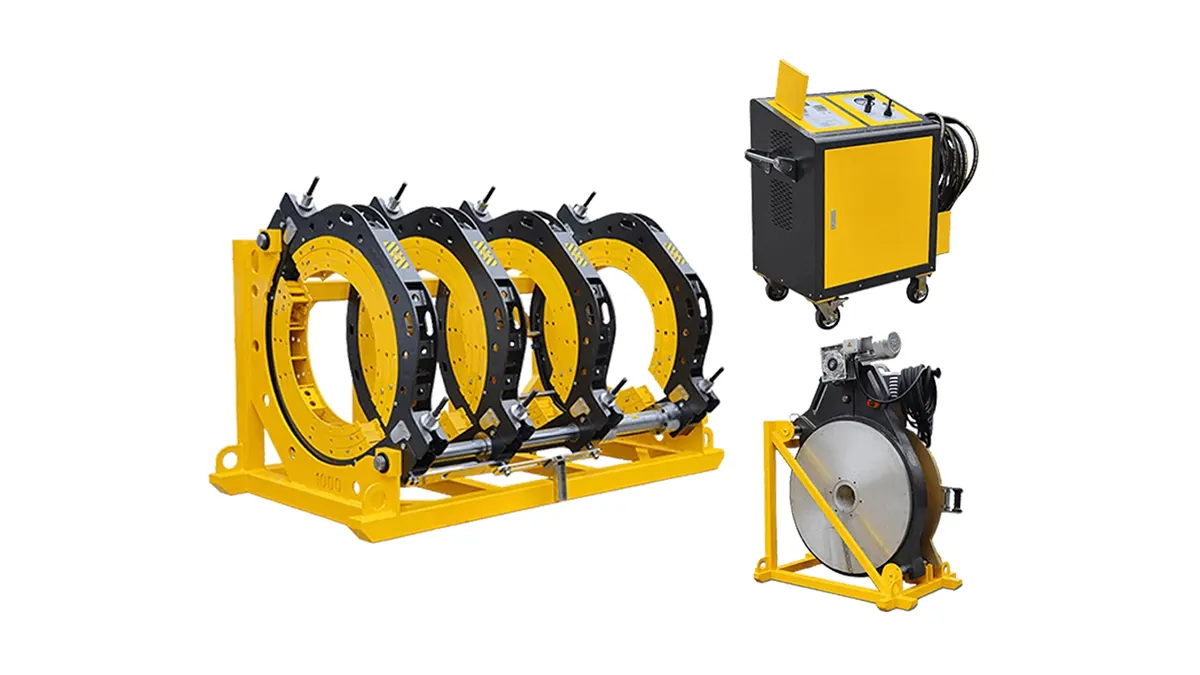
Common Types: Manual, Hydraulic, and CNC Automatic
Manual machines are compact and ideal for small-diameter pipes or tight sites. Hydraulic units add power and stability for medium to large diameters, while CNC automatic systems deliver precision, programmable cycles, and data logging—useful for large-scale municipal works and industrial pipelines. Choose based on pipe diameter range, site logistics, and certification needs.
Key Benefits to Prioritize
Durability, accuracy, and serviceability should top your checklist. Machines that resist corrosion and perform in humid environments save costs over time. Look for equipment with easy-to-source spare parts and clear calibration procedures to maintain weld quality across multiple crews and projects.
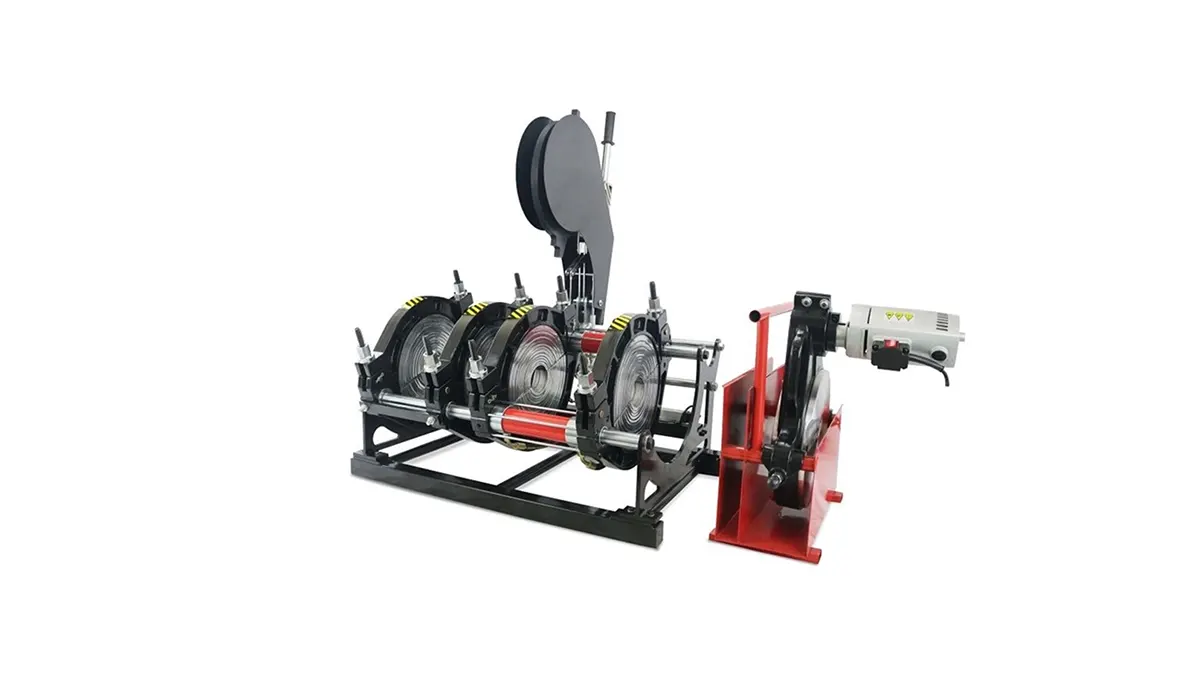
Simple Selection Guide for Singapore Buyers
Consider these local factors when selecting a machine: urban site access, the typical pipe diameters used in public utilities (commonly DN63–DN630 in many projects), compliance with local standards, and the contractor’s staff training level. For contractors working with both small service lines and larger mains, a mix of manual and hydraulic/CNC machines often delivers the best flexibility.
Quick Comparison Table
| Machine Type | Pipe Range | Best For |
|---|---|---|
| Manual Butt Fusion | 20mm – 315mm | Service connections, confined sites |
| Hydraulic Butt Fusion | 63mm – 2250mm+ | Mains installation, high-volume projects |
| CNC Automatic Fusion | 63mm – 1250mm | Large contracts, traceable weld records |
Maintenance and Training: Keep Weld Quality High
Regularly inspect heating plates, trims, and alignment clamps. In Singapore’s humid environment, protect electrical components and store machines in dry, ventilated areas. Ensure crews are trained on proper heating times, pressure application, and documentation—this is particularly important for projects requiring third-party inspection or long-term warranties.
Compliance and Documentation
For public utilities and private developers, maintain a clear log of fusion parameters and equipment calibration. CNC systems facilitate digital records, which are helpful when submitting quality reports to municipal authorities or clients.
Local Support and Purchasing Considerations
When buying poly fusion equipment in Singapore, prioritize vendors who can offer parts, timely support, and training. If you need a manufacturer with a global product range and experience in manual, hydraulic, and CNC automatic butt fusion welding machines, consider contacting JQ-Fusion for tailored solutions and local project guidance: jq-fusionwelding.com.
Final Tip for Singapore Contractors
Match machine capability to the project scale, plan for routine maintenance, and document each weld. The right poly fusion machine reduces installation time, improves pipeline lifespan, and minimizes costly repairs—making it a smart investment for Singapore’s demanding infrastructure landscape.



