
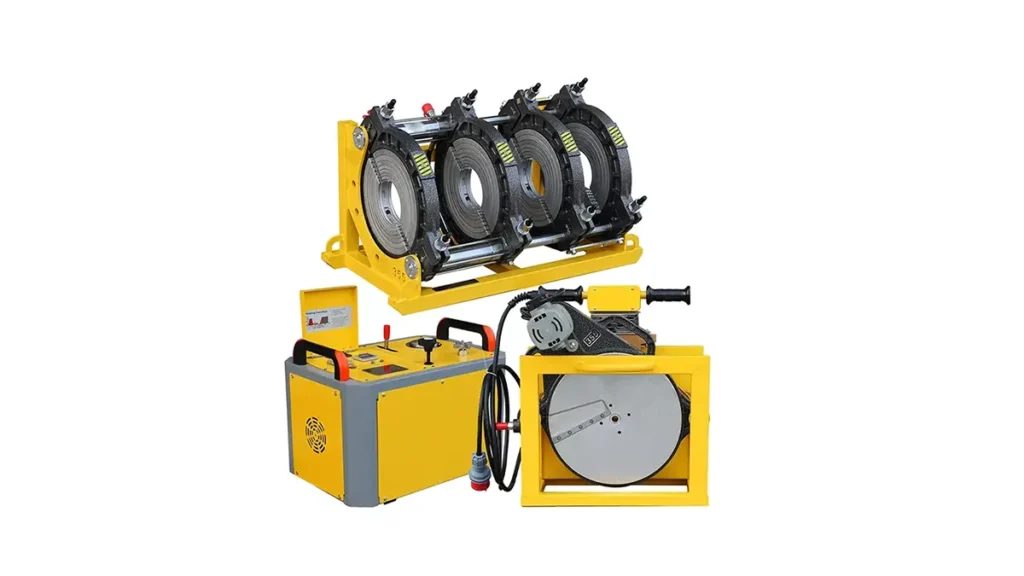
In Oman’s fast-growing infrastructure and energy sectors, reliable HDPE pipe welding equipment is essential for long-lasting water, gas, and industrial pipeline networks. This article outlines professional poly fusion machine solutions tailored to Oman’s contractors, municipal engineers, and oil & gas service providers, helping project teams choose the right butt fusion machines for desert conditions, coastal sites, and remote installation zones.
Why Choose Poly Fusion Machines for Oman’s Projects
Poly fusion (butt fusion) welding provides leak-free, corrosion-resistant joints ideal for Oman’s saline coastal areas and inland distribution networks. Local installers benefit from equipment that delivers consistent fusion quality under high temperatures and dusty conditions. Key advantages include durability, minimal maintenance, and fast on-site cycle times that reduce labor costs on large-scale water and gas distribution projects.
Applications Suited to Oman
Common on-the-ground uses for poly fusion machines in Oman:
- Municipal water supply: long-distance HDPE mains and distribution networks.
- Oil & gas facilities: non-corrosive piping for produced water and utility distribution.
- Agricultural irrigation: durable trunklines for drip and pivot systems.
- Mining and industrial plants: chemical-resistant conveyance lines.
Core Machine Types & Benefits
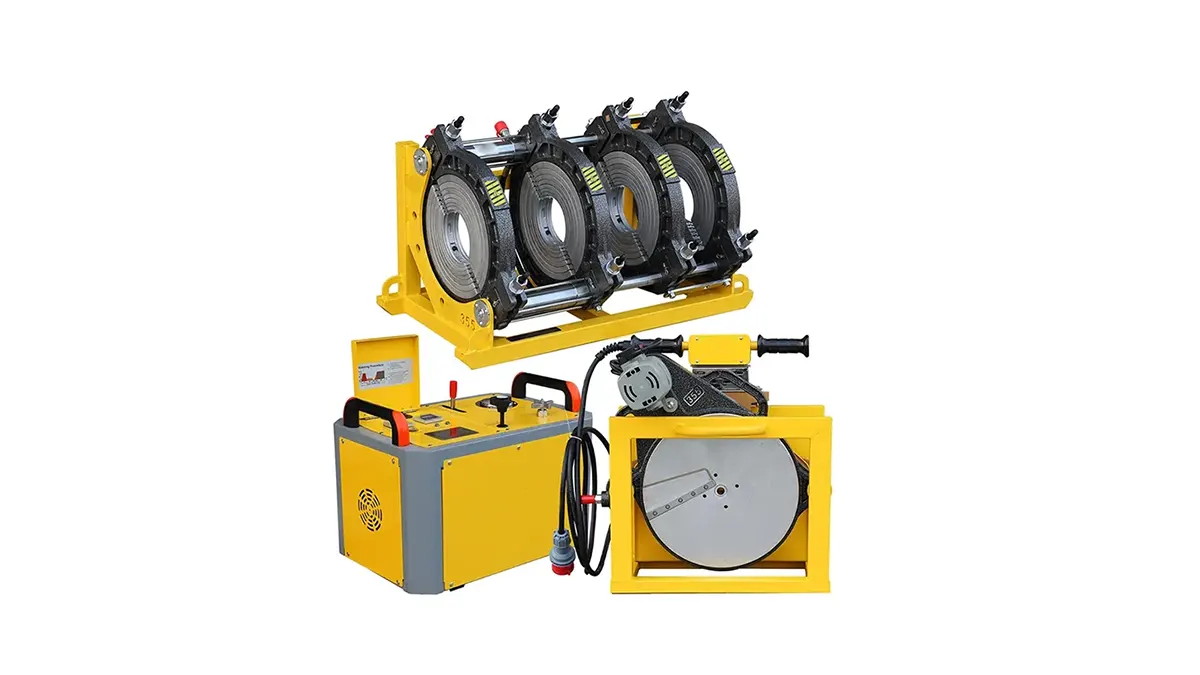
Selecting the right machine depends on pipe diameter, site mobility, and automation needs:
Manual units: compact and cost-effective for small-diameter assemblies and tight job sites.
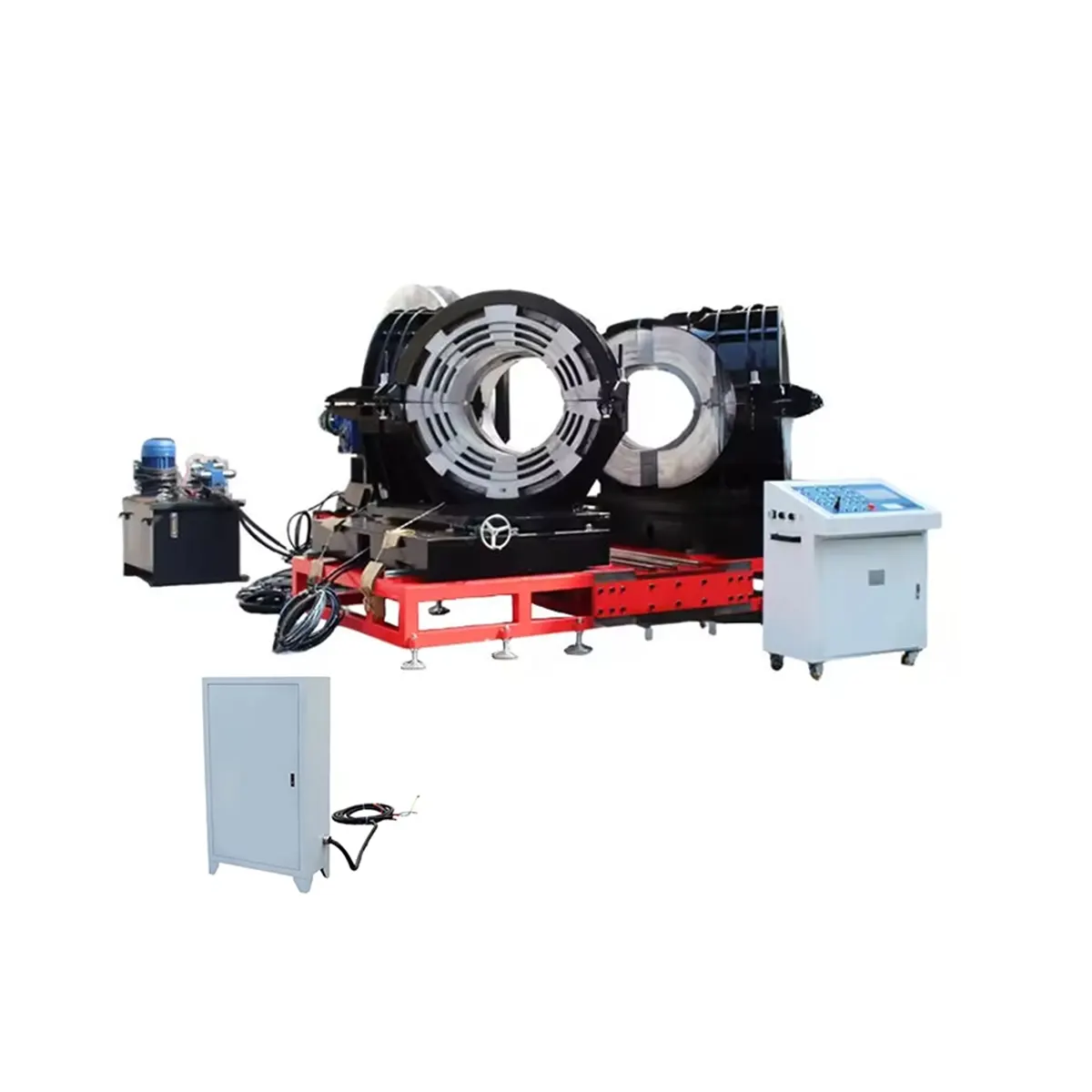
Hydraulic machines: reliable for medium to large diameters with consistent clamping force and enhanced stability.
Automatic/CNC systems: ideal for high-volume projects requiring precision and data logging for QA/QC.
Quick Comparison Table
| Machine Type | Pipe Range | Best For |
|---|---|---|
| Manual Butt Fusion | 63mm – 315mm | Small sites, low-volume repairs |
| Hydraulic Butt Fusion | 160mm – 1250mm+ | Municipal mains, industrial lines |
| Automatic/CNC Fusion | 63mm – 1600mm | Large projects, QA-driven installs |
Field Considerations in Oman
For projects across Oman—from Muscat to remote desert sites—account for:
- Heat management: cooling times and heater plate protection during high ambient temperatures.
- Mobility: skid-mounted or trailer-ready machines reduce transport time across rugged terrain.
- Spare parts & service: ensure accessible support channels and trained technicians for rapid response.
Installation & Quality Assurance
Standard best practices include proper pipe end preparation, correct alignment and clamping, controlled heating profiles, and validated cooling times. For projects requiring certification records, automatic units with digital logging simplify QA processes and traceability for regulatory compliance in utility and energy sectors.
Maintenance Tips
Keep heater plates clean and scratch-free, monitor hydraulic fluids and seals, and store electrical controls in shaded, dry enclosures. Regular calibration of pressure gauges and alignment fixtures ensures repeatable joints in long pipelines exposed to Oman’s climate.
Custom Solutions & Local Partnerships
Projects in Oman often need tailored configurations—extended frames for large diameters, corrosion-resistant components for coastal installations, or mobile packages for remote locations. For a dependable source of HDPE butt fusion equipment and customization options, consult JQ-Fusion for machine selection, spare parts, and export-ready packaging.
Ready to evaluate machines for your Oman pipeline project? Choose the poly fusion solution that matches your diameter range, site conditions, and production goals to ensure safe, long-term pipeline performance.



