
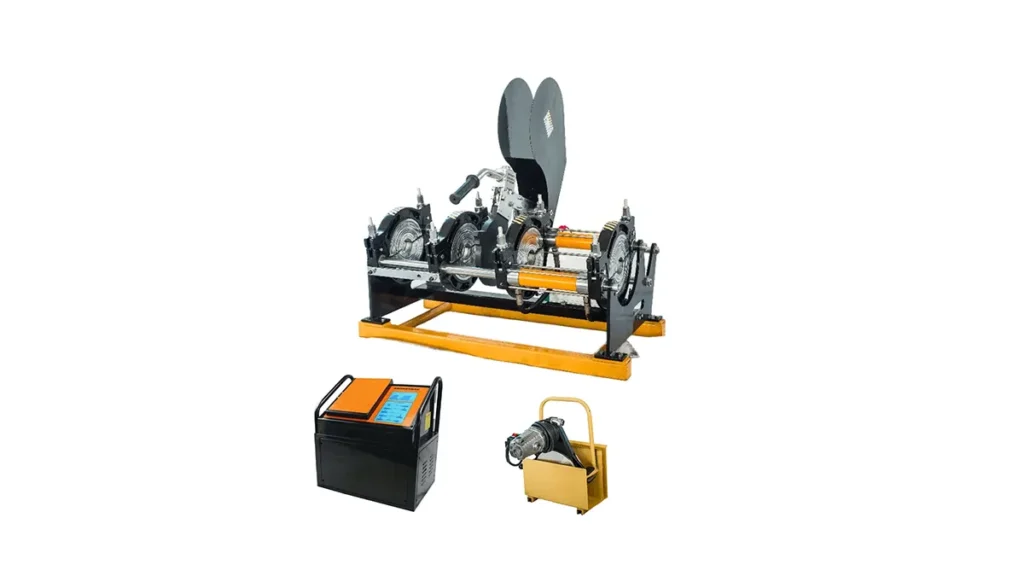
In Mozambique’s fast-growing infrastructure landscape—spanning coastal cities, inland mines, and remote rural communities—the right poly fusion (butt fusion) machine is crucial for building reliable HDPE pipeline systems for water, gas, and industrial uses. Choosing the best pipe welding equipment depends on project scale, site logistics, climate effects such as high coastal humidity, and the available workforce. This guide helps contractors, engineers, and procurement teams in Mozambique evaluate machine types, essential features, and buying considerations so you can match equipment to local demands.
Why the right poly fusion machine matters in Mozambique
Durability, reproducibility, and mobility are top priorities when working across Mozambique’s varied terrains—from urban network upgrades in Maputo to gas pipeline works in Cabo Delgado and rural water supply in Nampula. Machines that produce consistent welds reduce rework and avoid costly pipeline failures in areas where access for repairs can be logistically difficult.
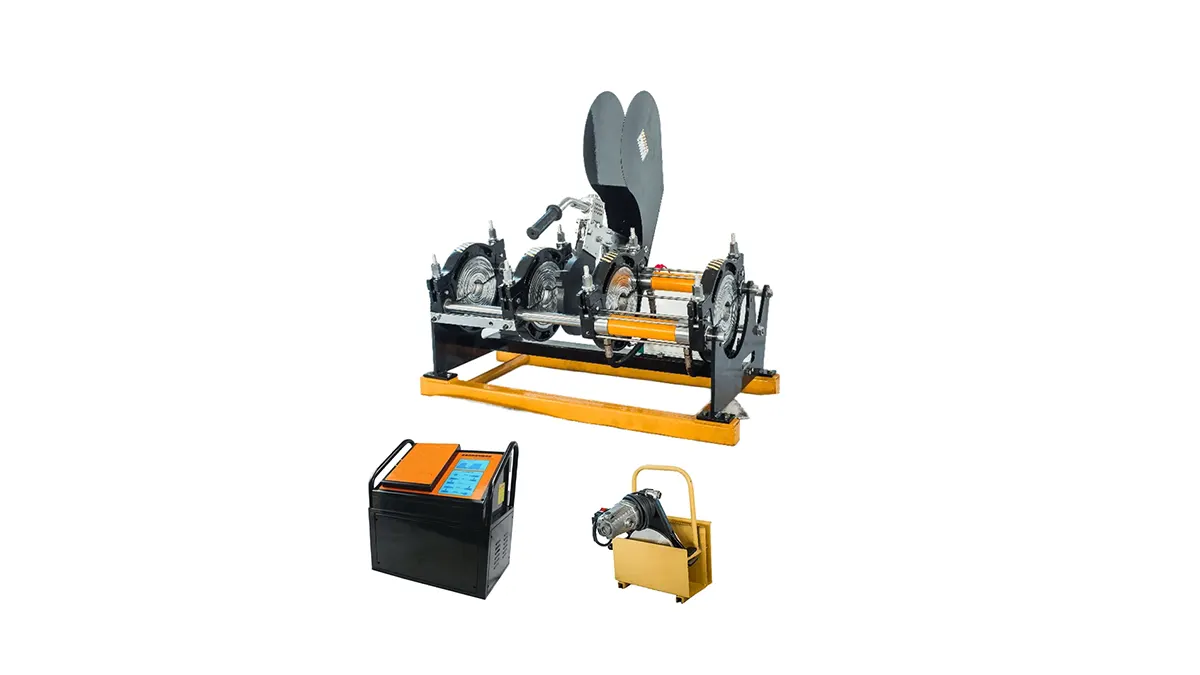
Key considerations when choosing pipe welding equipment
Project type and pipe range: Identify common diameters (e.g., 20–160mm for village distribution, 160–630mm for municipal mains, up to 2000mm+ for trunk or industrial lines). Match the machine capacity to the widest diameter you will routinely weld.
Site access & mobility: For remote sites with poor roads, choose portable manual or compact hydraulic units. For plant or yard-based work, larger hydraulic or CNC automatic systems are efficient.
Power & operation: Consider machines with flexible power options (electric, diesel/hydraulic, or battery) due to intermittent grid power in some regions of Mozambique.
Operator skill & automation: Automated machines reduce operator dependence and welding variability—valuable where certified welders are limited.
Climate & maintenance: Coastal humidity and corrosive air can accelerate wear—select machines with corrosion-resistant components and accessible spare parts.
Quick comparison: Manual vs Hydraulic vs Automatic
| Type | Best for | Diameter range | Power / Mobility |
|---|---|---|---|
| Manual Butt Fusion | Small crews, rural repairs | 20–315 mm | Low power, highly portable |
| Hydraulic Butt Fusion | Medium-large projects, reliable throughput | 63–1600 mm+ | Requires power pack; moderate mobility |
| Automatic / CNC | High-volume / precise welds, traceability | 63–1250 mm (typical) | Higher power, lower field mobility |
Top features to prioritize
-
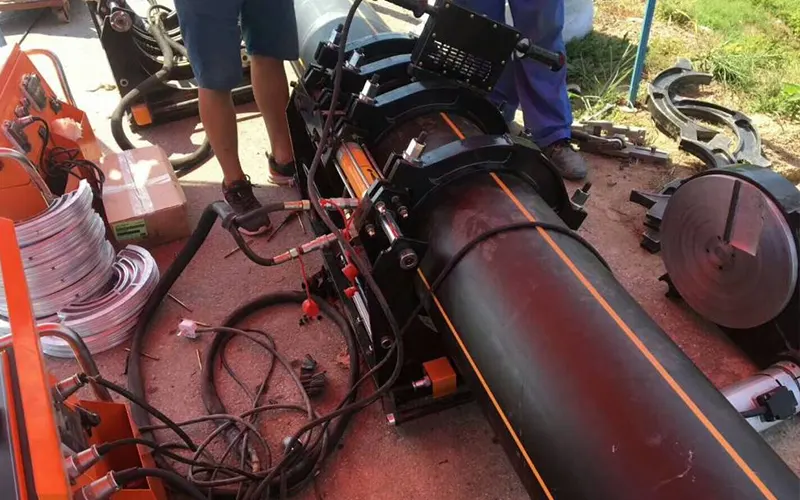
Reliable clamping system: Stable alignment and quick-change clamps prevent joint misalignment under Mozambique’s field conditions.
-
High-quality heating plate: Uniform plate temperature ensures consistent fusion across varying ambient temperatures.
-
Data logging & control: Machines with digital controls and weld-data export help prove weld quality for municipal and industrial clients.
-
Spare parts & serviceability: Choose models with readily available consumables (heating elements, scrapers, seals) and straightforward maintenance.
-
Portability options: Foldable frames, trolley kits, and lightweight power units simplify transport to remote sites.
Choosing by Mozambique project type
Rural water supply: Prioritize portable manual or compact hydraulic machines that local crews can operate with basic training. Corrosion resistance and a simple parts kit are essential.
Urban distribution and municipal mains: Use hydraulic machines for mid-sized networks and CNC automatic machines for contracts requiring traceability, speed, and uniformity.
Gas and mining pipelines: Select heavy-duty hydraulic or large-diameter automatic systems with certified welding procedures and robust data logging to meet industry and safety requirements.
Procurement & after-sales tips for Mozambique buyers
Arrange for local training for weld crews, confirm spare parts availability in-country or via a fast freight route, and request test welds and machine documentation before purchase. Evaluate the supplier’s logistics experience shipping to Mozambican ports and inland locations.
For dependable butt fusion solutions tailored to African and Mozambican projects, consider partnering with a manufacturer experienced in HDPE welding equipment production—visit https://jq-fusionwelding.com/ for product ranges, technical specs, and service options.



