
Plastic pipe welding machines are essential for building resilient HDPE pipeline networks across Israel — from municipal water systems in Tel Aviv to agricultural irrigation in the Negev and gas distribution projects in Haifa. This guide explains how modern butt fusion equipment meets local industrial and construction needs, what to look for when specifying machines, and practical comparisons to help procurement and project teams choose the right solution.
Why Butt Fusion Machines Matter for Israeli Projects
Durability and leak-free joints are critical in Israel’s varied climates: coastal humidity, inland heat, and desert extremes all demand consistent weld strength. Butt fusion welding creates homogeneous joints that resist corrosion and long-term stress, making it a preferred method for potable water, wastewater, gas, and agricultural pipelines.
Key Benefits for Contractors and Utilities
Contractors value portability and reliability for urban trench works and remote site installations. Municipal utilities and private developers need machines that deliver documented fusion parameters for regulatory compliance and long service life under high pressure conditions. Typical benefits include improved flow integrity, rapid installation cycles, and reduced lifecycle maintenance costs.
Choosing the Right Type: Manual, Hydraulic, or Automatic
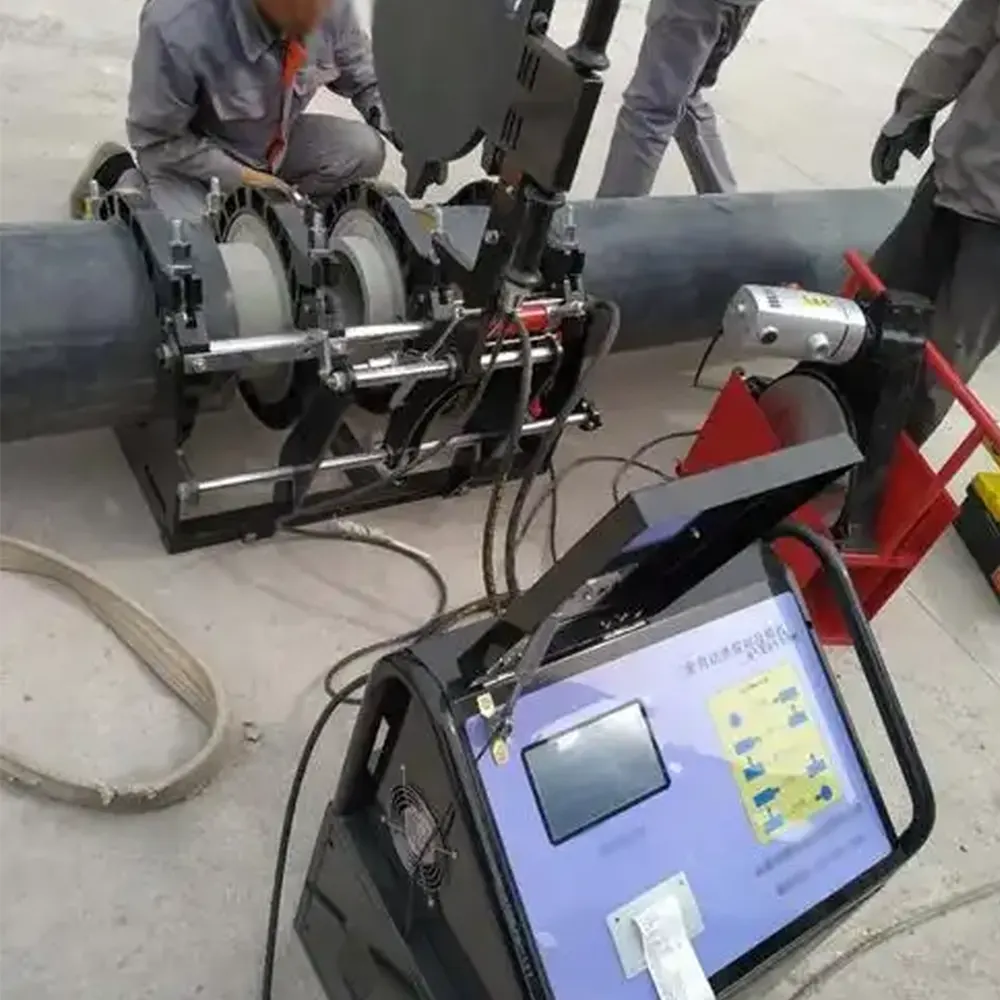
Different project scales require different fusion solutions. Small-to-medium pipeline crews often prefer manual or semi-automatic units for their cost-effectiveness and field flexibility. Large infrastructure or repeated, high-throughput works benefit from CNC automatic machines that ensure repeatable weld cycles and precise parameter control.
Quick Comparison Table
| Machine Type | Best For | Advantages |
|---|---|---|
| Manual Butt Fusion | Small jobs, rural sites | Lightweight, low cost, easy transport |
| Hydraulic Butt Fusion | Medium to large diameter pipes | Higher clamping force, stable for larger diameters |
| CNC Automatic Butt Fusion | High-volume or precision-required projects | Automated control, repeatability, data logging |
Specifications Israeli Buyers Should Prioritize
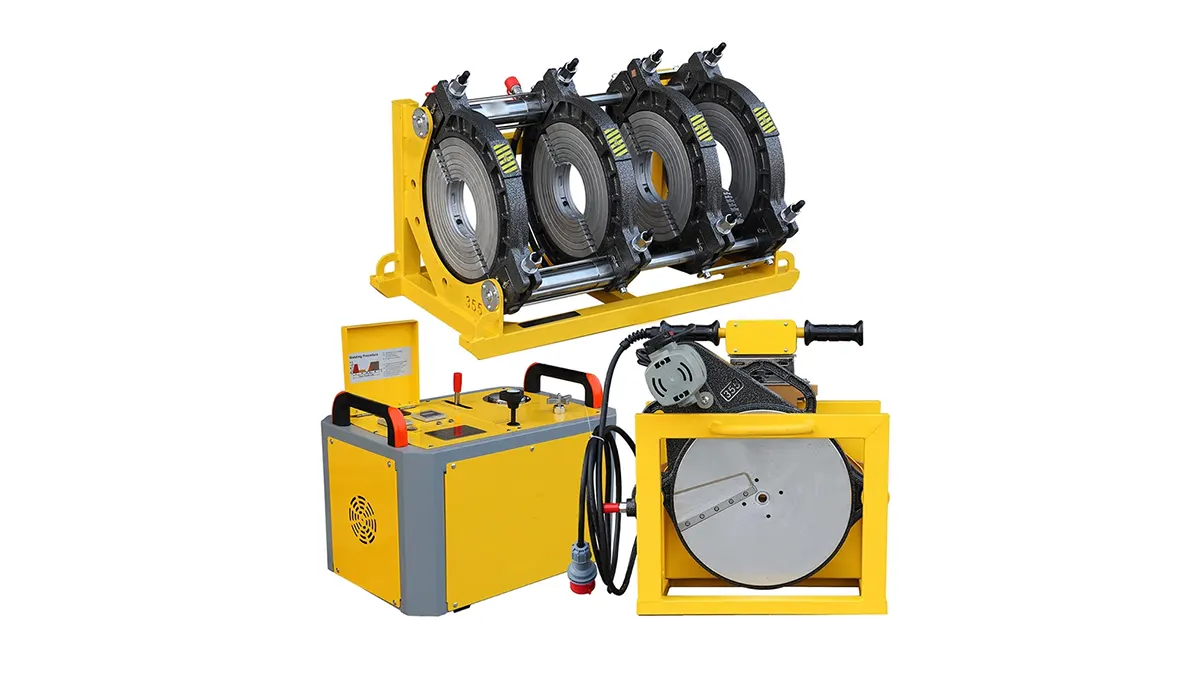
When evaluating equipment, look for certified temperature and pressure control, robust clamp systems that fit local pipe standards (ISO/EN compatible), and easy-to-use controls for crews that may rotate between job sites. Consider machines with onboard data logging for QA/QC and traceability in public tenders.
On-site Performance Tips for Israeli Conditions
Protect heating plates and control panels from sand and dust in desert areas, and ensure cooling cycles are adjusted for high ambient temperatures during summer. Training local operators on fusion parameter interpretation and visual inspection reduces rework and supports long-term pipeline integrity.
Service, Spare Parts and Local Support
Reliable after-sales support and spare parts inventory shorten downtime on critical projects. Prioritize suppliers offering remote troubleshooting, fast delivery options to Israel ports, and clear maintenance documentation. For tailored solutions and a wide range of butt fusion machines, consider contacting the manufacturer directly: JQ-Fusion.
Final Considerations for Procurement Teams
Specify duty cycles, warranty terms, and acceptance testing in contracts. Require test weld reports and on-site commissioning where possible. Choosing the right fusion machine reduces long-term risks and lowers whole-life costs for municipal and private pipeline projects across Israel.



