
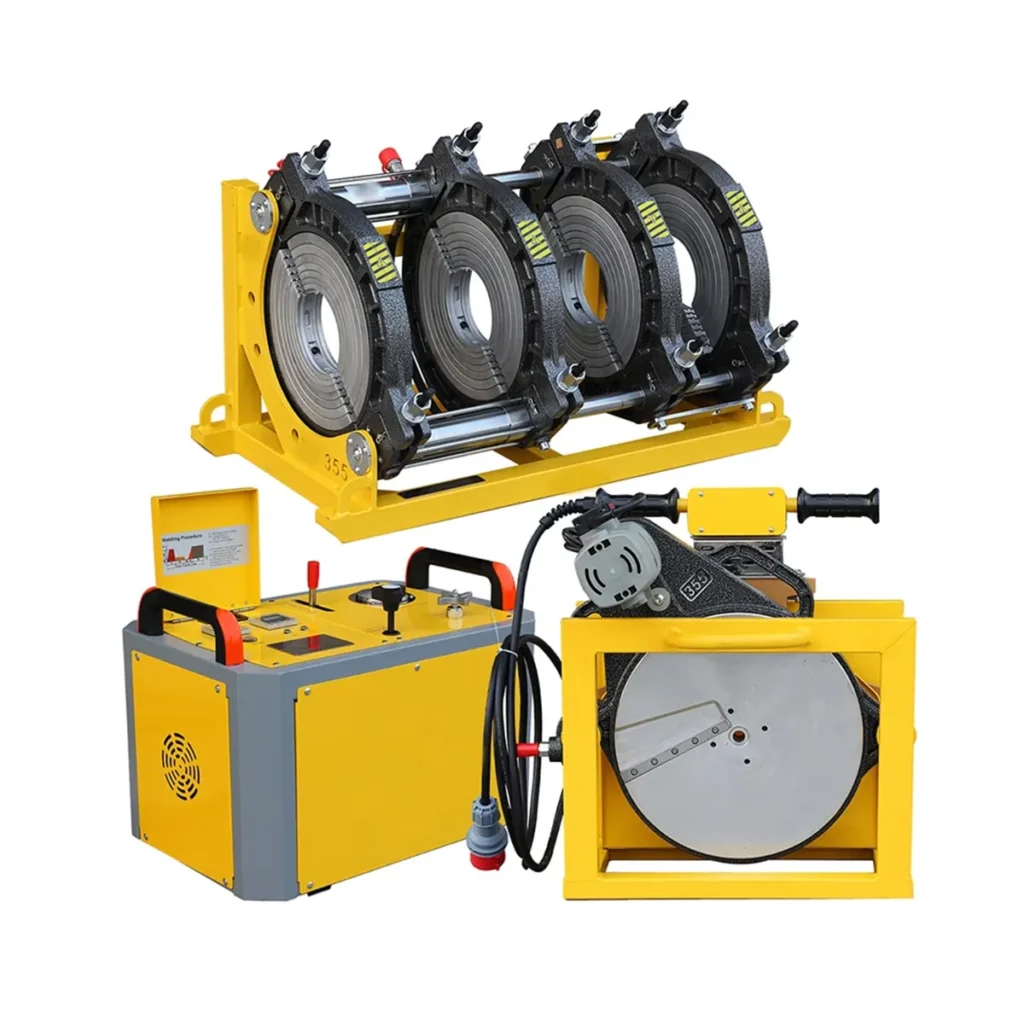
Every pipeline project—whether for water supply, gas distribution, or industrial applications—relies on the integrity of its joints. At the heart of every strong, leak-free connection is a well-maintained plastic pipe welding machine. Consistent plastic pipe welding machine maintenance not only extends equipment life but also ensures reliable fusion quality, reduces downtime, and keeps your projects on schedule. Neglecting routine care, by contrast, invites misalignment, uneven heating, and costly joint failures.
Why Routine Maintenance Matters for Your Welding Equipment
A butt fusion or electrofusion machine is a precision tool. Over time, dirt, pipe residue, and mechanical wear degrade its components. Without proper care, even the best hydraulic butt fusion welding machines can deliver inconsistent results. Regular maintenance protects your investment, ensures compliance with PE butt fusion equipment standards, and reduces the risk of failed welds that could lead to environmental or safety hazards.
Daily Cleaning: The Foundation of Machine Longevity
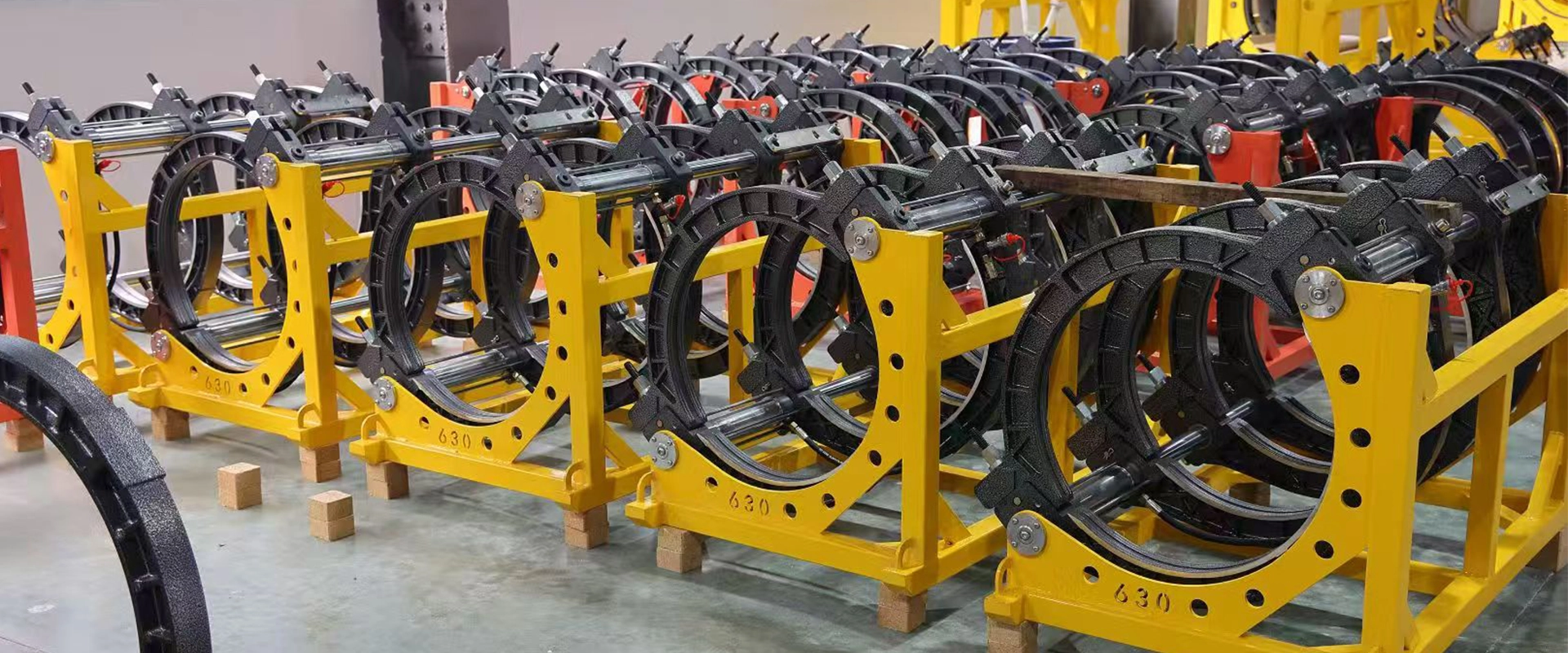
After each shift or work session, wipe down the machine frame, clamps, and guide rods. Use a clean, dry cloth to remove dust, shavings, and moisture. Pay special attention to the heating plate surfaces—any residual plastic can carbonize and affect temperature uniformity. For stubborn residue, use a non-abrasive, non-metallic scraper while the plate is still warm. Avoid aggressive solvents that could damage non-stick coatings. A clean machine is less prone to corrosion and mechanical binding.
Heating Plate and Temperature Calibration
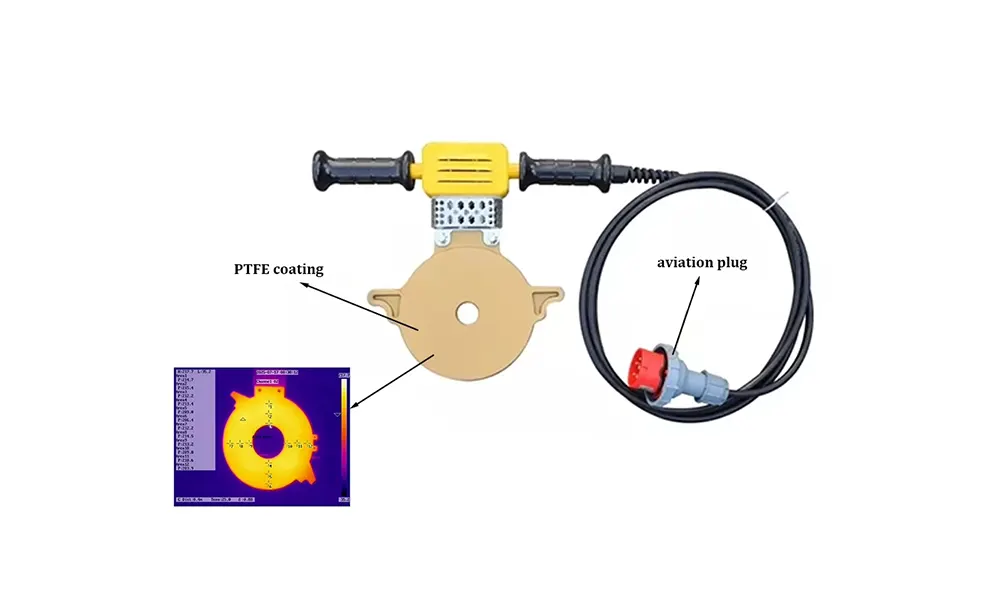
The heating plate is the core of the fusion process. Its surface must remain smooth, flat, and free of scratches. Inspect the PTFE coating regularly and replace the plate if peeling or gouging occurs. Temperature accuracy should be verified with a calibrated digital thermometer at multiple points across the plate surface. As noted in ISO 21307 butt fusion procedures, even slight temperature deviations can compromise the melt bead and weaken the joint. Log your temperature checks for traceability and compliance.
Trimmer and Cutting Blades
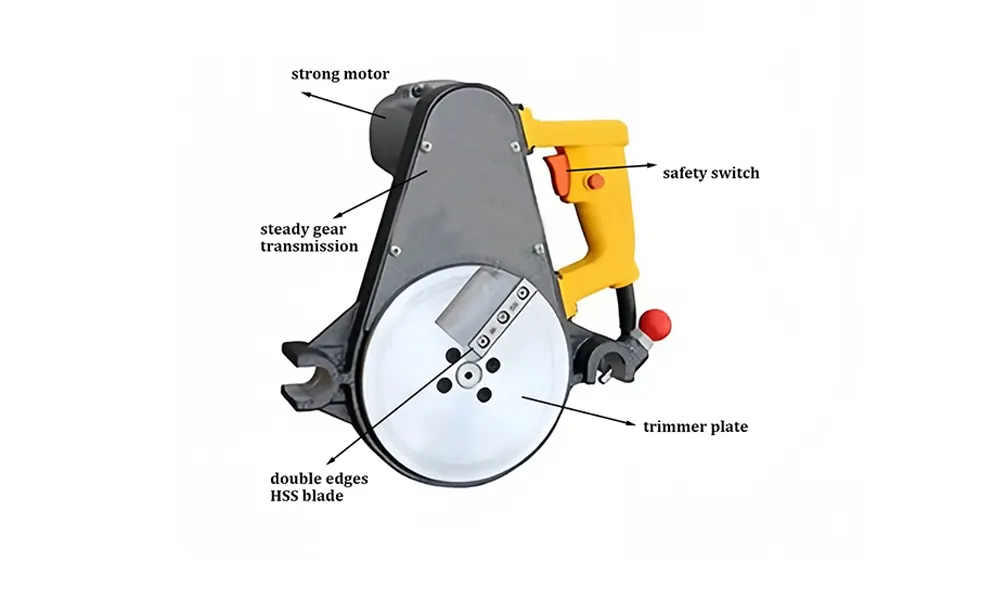
Dull or damaged trimmer blades produce rough pipe ends, which directly impacts fusion quality. Inspect blades for chips or wear before each project. Replace or sharpen them as a set to maintain balance. Keep the trimmer free of plastic debris and lubricate moving parts according to the manufacturer’s guidelines. Properly faced pipe ends are essential for achieving the correct melt pattern and consistent fusion pressure requirements that CNC automatic machines demand.
Hydraulic System Care for Consistent Fusion Pressure
Hydraulic-powered machines require extra vigilance. Check hydraulic oil levels regularly and look for any signs of leaks around hoses, fittings, and cylinders. Contaminated oil is a leading cause of pump and seal failure. Adhere to a scheduled oil and filter change interval based on operating hours. Smooth, unrestricted hydraulic flow ensures that the fusion carriage moves steadily during the heating and cooling phases, which is critical for meeting ASTM F2620 heat fusion pressure parameters.
| Maintenance Item | Frequency | Key Action |
|---|---|---|
| Heating plate surface | Daily / After each use | Clean with non-abrasive cloth; inspect coating |
| Trimmer blades | Before each project | Check sharpness; replace chipped blades |
| Temperature calibration | Monthly | Verify with digital thermometer; log results |
| Hydraulic oil & filters | Every 12 months or 500 hrs | Replace oil and filters; inspect hoses |
| Clamp alignment | Weekly | Check parallelism; adjust as needed |
| Guide rods and bearings | Monthly | Clean and lubricate; check for play |
Clamp and Guide System Alignment
Misaligned clamps cause high-low mismatch at the fusion joint, a common defect. Regularly inspect clamp inserts for wear or deformation, especially when frequently switching between different pipe diameters. Verify parallelism by closing the clamps on a straight pipe section and measuring the alignment. Lubricate guide rods with a light machine oil to prevent sticking and uneven carriage movement. Proper alignment is non-negotiable for achieving PPI technical guidance compliant weld bead shapes.
Storage and Transport Best Practices
How you store the machine between jobs significantly impacts its service life. Protect the heating plate with its dedicated cover or a soft, clean shield. Secure the carriage to prevent unintended movement during transit. Store the machine in a dry, covered environment away from direct sunlight and extreme temperatures. For electric and electrofusion models, ensure cables are coiled without kinks and kept dry. These practices prevent corrosion, insulation damage, and accidental impact damage.
Documenting Your Maintenance Routine
Keeping a maintenance log is a smart practice for both quality assurance and warranty purposes. Record dates of cleaning, calibration results, parts replacements, and any anomalies observed. This creates an audit trail that supports compliance with PE fusion operator requirements and provides valuable data for troubleshooting. Digital logs or simple spreadsheets work well; the key is consistency and detail.
Common Signs Your Machine Needs Immediate Attention
Uneven heating: Hot or cold spots on the plate indicate an element or thermostat issue.
Unusual noises: Grinding or squealing from the hydraulic pump or carriage suggests binding or contamination.
Bead inconsistency: Uneven melt beads during a test weld often point to alignment or pressure control problems.
Fluid leaks: Any visible hydraulic fluid around seals or fittings demands immediate inspection.
Erratic gauge readings: Pressure or temperature gauges that fluctuate without command may be faulty or disconnected.
OEM Parts and Professional Service Support
When replacement parts are needed, always choose OEM components designed for your specific model. Generic substitutes can affect fit, performance, and safety. JQ-Fusion supplies a complete range of spare parts and accessories for its plastic pipe welding machine series, from heating plates and trimmer blades to hydraulic seals and control modules. Scheduled professional servicing, especially for the hydraulic and electrical systems, adds another layer of assurance that your equipment remains in peak condition.
Integrating these maintenance habits into your daily and periodic routines transforms reliability from a hope into a certainty. A clean, calibrated, and properly aligned machine consistently produces joints that meet PPI butt fusion procedure standards, stand up to field conditions, and deliver the long service life your projects demand.



