
High-Density Polyethylene (HDPE) piping systems have become the backbone of modern infrastructure, trusted for their exceptional durability, leak-free joints, and corrosion resistance. From municipal water supply and gas distribution to industrial slurry lines and mining applications, the reliability of these systems hinges on one critical process: welding. Understanding HDPE pipe welding technology is essential for engineers, contractors, and project managers who demand long-term performance.
Unlike traditional piping materials that rely on mechanical couplings or solvent cements, HDPE pipes are joined through fusion, creating a monolithic, homogeneous system. This article breaks down the primary welding methods, the equipment required, and the best practices that ensure every joint meets international standards like ISO 21307 butt fusion procedures.
Core Methods of HDPE Pipe Welding
The term “welding” in the context of thermoplastics refers specifically to thermal fusion. The two dominant technologies are butt fusion and electrofusion, with socket fusion used for smaller diameters. Selecting the right method depends on pipe size, project conditions, and application pressure ratings.
Butt Fusion Welding
Butt fusion is the most widely used technique for joining HDPE pipes, especially for diameters above 63mm. It involves heating the pipe ends against a precisely controlled hot plate until a molten bead forms, then pressing them together under controlled pressure. This method is fundamental for creating long, continuous pipelines and fabricating custom fittings such as segmented bends and tees. For large-scale infrastructure, butt fusion for large pipes provides a seamless, fully restrained joint that is as strong as the pipe itself.
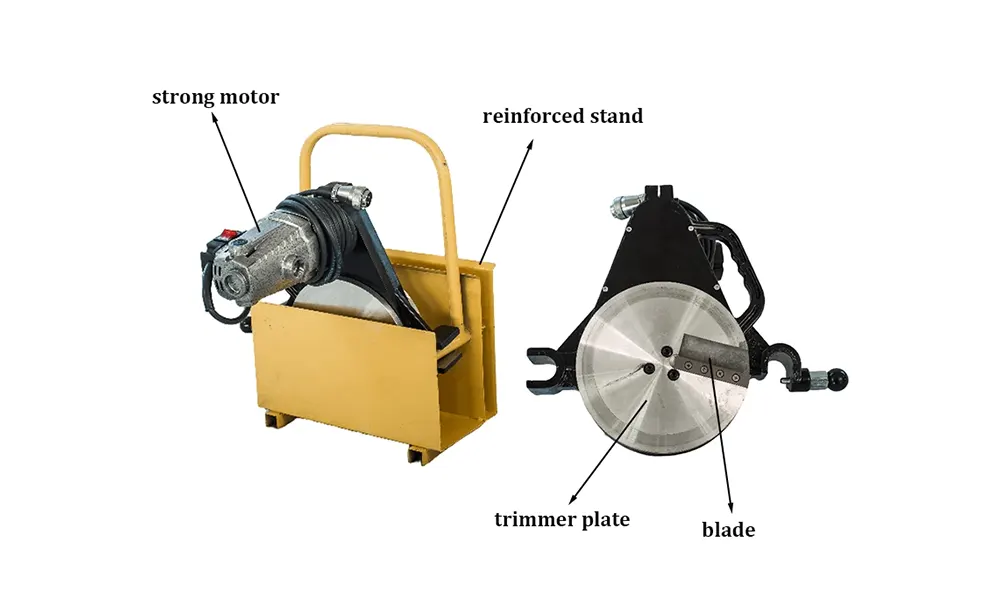
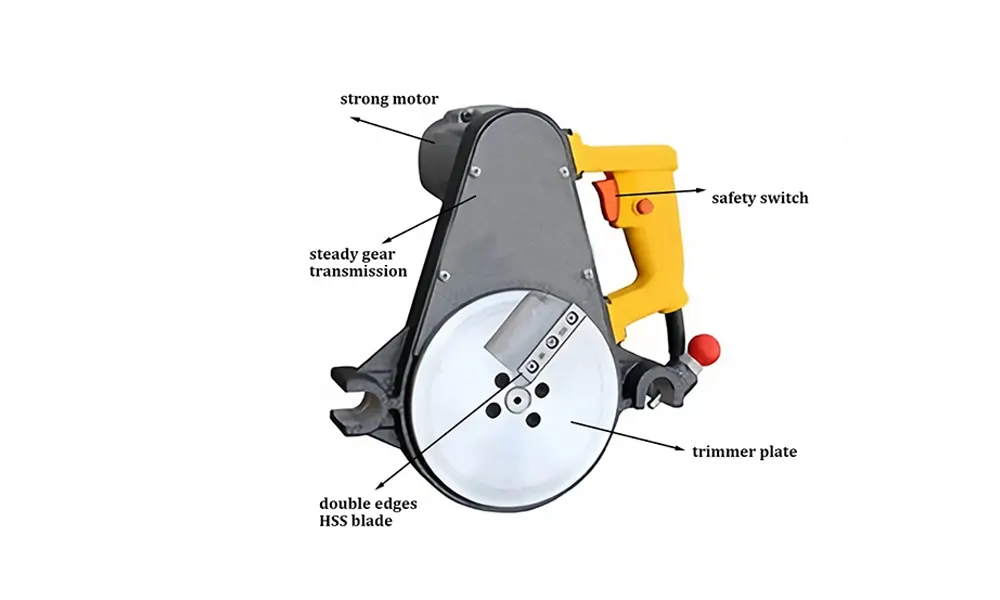
The process follows a strict sequence defined by international standards. First, the pipe ends are planed flat using a rotating trimmer to ensure parallel, clean surfaces. Alignment clamps hold both pipe sections firmly, reducing any mismatch. The heating phase brings the material to a viscous state, and the final fusion pressure builds an integral molecular bond. Proper execution eliminates the need for additional leak-detection systems at the joint level.
Electrofusion Welding
Electrofusion uses specialized fittings embedded with heating wire coils. When an electrofusion processor applies a specific voltage and current, the wire heats the inner surface of the fitting and the outer pipe wall, causing them to melt and fuse together. This method is particularly valuable for tight excavations, repair situations, or where rotation of the pipe is impossible. With standardized barcoding and traceability features, electrofusion fittings bring repeatable quality to complex tie-ins.
Socket Fusion Welding
Socket fusion involves heating the external surface of a pipe and the internal surface of a socket fitting simultaneously with a matched tool set. The components are then pushed together without rotation. This simple, cost-effective method is commonly used for smaller diameter plumbing, industrial process lines, and low-pressure applications where rapid installation is a priority.
Types of HDPE Welding Equipment
The selection of welding machinery directly impacts joint quality and productivity. Equipment ranges from manually operated devices for small diameters to fully automated computer-controlled rigs for critical gas and water mains. Understanding the capabilities of each type helps in choosing the right tool for the job.
Manual Welding Machines
Manual butt fusion machines rely on the operator’s skill to set clamping forces and generate fusion pressure through levers or hand wheels. They are lightweight, portable, and ideal for field installations in rough terrain where power sources may be unreliable. These machines typically cover diameters from 40mm to 250mm and are favored for rural water supply projects and on-farm irrigation systems.
Hydraulic Welding Machines
Hydraulic units replace manual force with a hydraulic power pack, enabling precise control over the fusion pressure curve and significantly reducing operator fatigue. With capacities ranging from 90mm up to over 2000mm, hydraulic butt fusion machines are the industry standard for medium to large-bore pipelines. The detachable frame design allows for in-trench working, while the integrated pressure gauges and timers ensure compliance with fusion protocols.
CNC Automatic Welding Machines
For projects where documentation and absolute consistency are non-negotiable, CNC automatic machines are the gold standard. These systems digitally record every parameter — temperature, pressure, time, and melt displacement — for each joint. In gas distribution networks and nuclear cooling water systems, the use of CNC automatic butt fusion welders provides verifiable proof that every fusion meets the required specifications. The data logging capabilities support the full traceability demanded by modern quality assurance programs.
Across all equipment categories, manufacturers like JQ-Fusion specialize in providing reliable, application-matched fusion equipment that supports global infrastructure development. From compact manual units to large-scale hydraulic rigs, the focus remains on delivering stable heating and precise alignment for consistent welding results.
Best Practices for Reliable HDPE Fusion Joints
Even the most advanced welding equipment cannot compensate for poor technique or environmental neglect. Adhering to a set of proven best practices separates successful installations from costly failures. The following protocols draw from the PPI technical guidance and decades of field experience.
Surface Preparation and Alignment
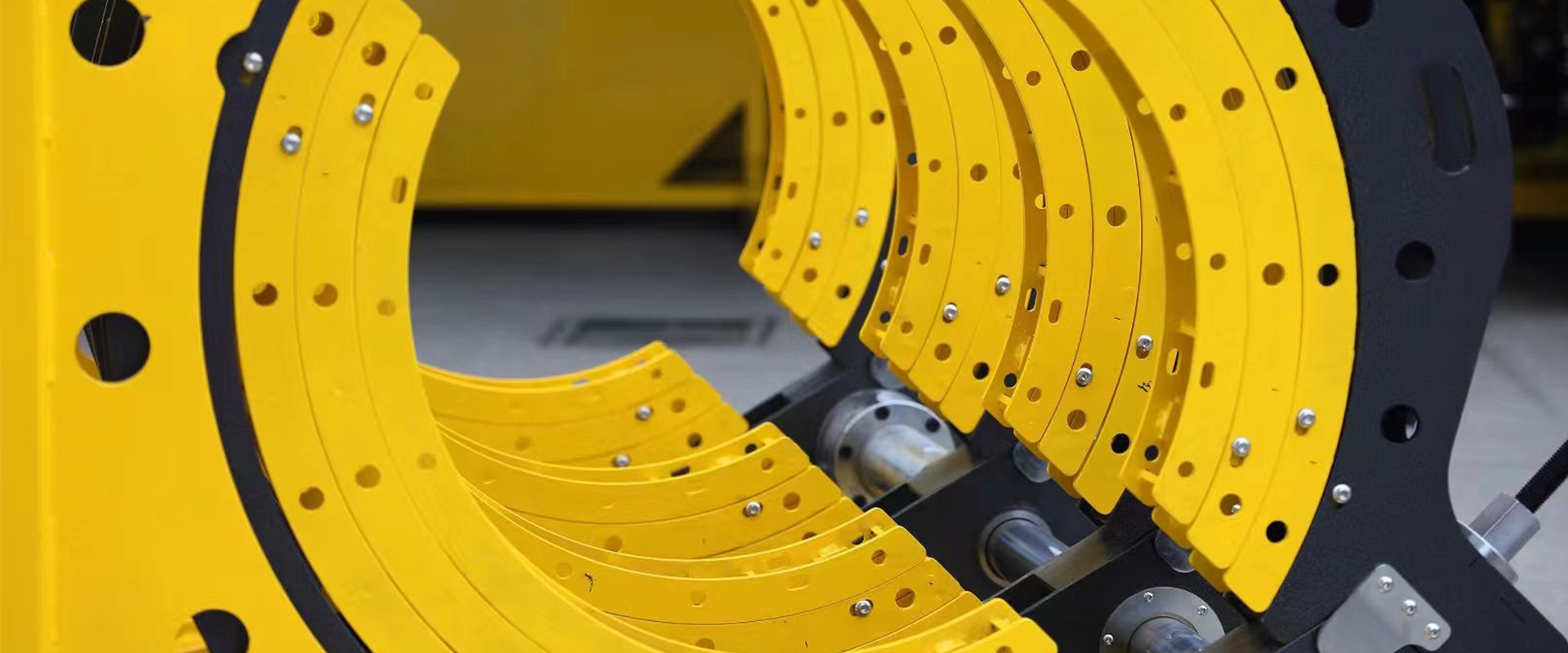
The pipe surface must be clean, dry, and free from oxidation. Use a mechanical pipe scraper to remove the outer oxidized layer just before welding. After facing the pipe ends with the trimmer, achieve a continuous strip of material from both pipe ends without any gaps. Any contamination — dirt, grease, or moisture — will create a weak boundary layer. Pipes must be properly rounded and aligned to within 10% of the wall thickness to prevent stress concentrations at the joint.
Temperature Control and Heating Parameters
Heater plate surface temperature is typically maintained between 200°C and 230°C, depending on the material grade and wall thickness. Always verify the plate temperature with a digital pyrometer before starting. The heating time is not a fixed value but depends on the pipe’s standard dimension ratio (SDR) and ambient conditions. Avoid welding in strong winds or rain unless a protective tent shields the work area, as rapid cooling creates inferior crystallinity in the fusion zone.
Fusion Pressure and Cooling Cycle
Applying the correct interfacial pressure during fusion is critical. Too little pressure prevents proper molecular entanglement; too much pressure squeezes out the molten material, creating a cold joint. After the heating phase, the pipe ends must be brought together quickly within the specified dwell time. The cooling phase under pressure must be fully respected — removing the pipe from the clamps prematurely is one of the most common causes of joint failure. For thick-walled pipes, forced cooling with water or air spray must never be used.
Quality Control and Visual Inspection
A properly executed butt fusion joint presents a characteristic double bead profile on both the inside and outside of the pipe. The external bead should be uniform, smooth, and roughly symmetrical. Misalignment between the beads, excessively large or small beads, or a concave bead surface all indicate potential problems. Visual inspection remains the first line of defense, but for critical applications, destructive testing such as bend-back tests or tensile impact tests on sample joints should be performed to validate the procedure.
The table below summarizes the key process parameters and their influence on joint quality:
| Parameter | Standard Range | Impact on Joint Quality |
|---|---|---|
| Heater Plate Temperature | 200°C – 230°C | Ensures proper melt viscosity without thermal degradation |
| Bead-up Pressure | 0.15 – 0.17 MPa | Forms an initial melt bead for full contact with heater |
| Changeover Time | As short as possible (3-6 sec) | Prevents premature cooling before fusion pressure applied |
| Cooling Time Under Pressure | Pipe SDR dependent | Allows full recrystallization and stress relaxation |
Operator Training and Certification
No welding program is complete without a qualified operator. Standards such as ASTM F3190 and ISO 12176-3 establish competency requirements for PE fusion operator certification. Operators must understand the theoretical principles of thermoplastic welding, be able to identify defects, and demonstrate proficiency through destructive testing of sample joints. Regular re-qualification ensures that skills remain sharp and that operators stay current with evolving HDPE pipe fusion equipment technologies.
Field Application and Environment Management
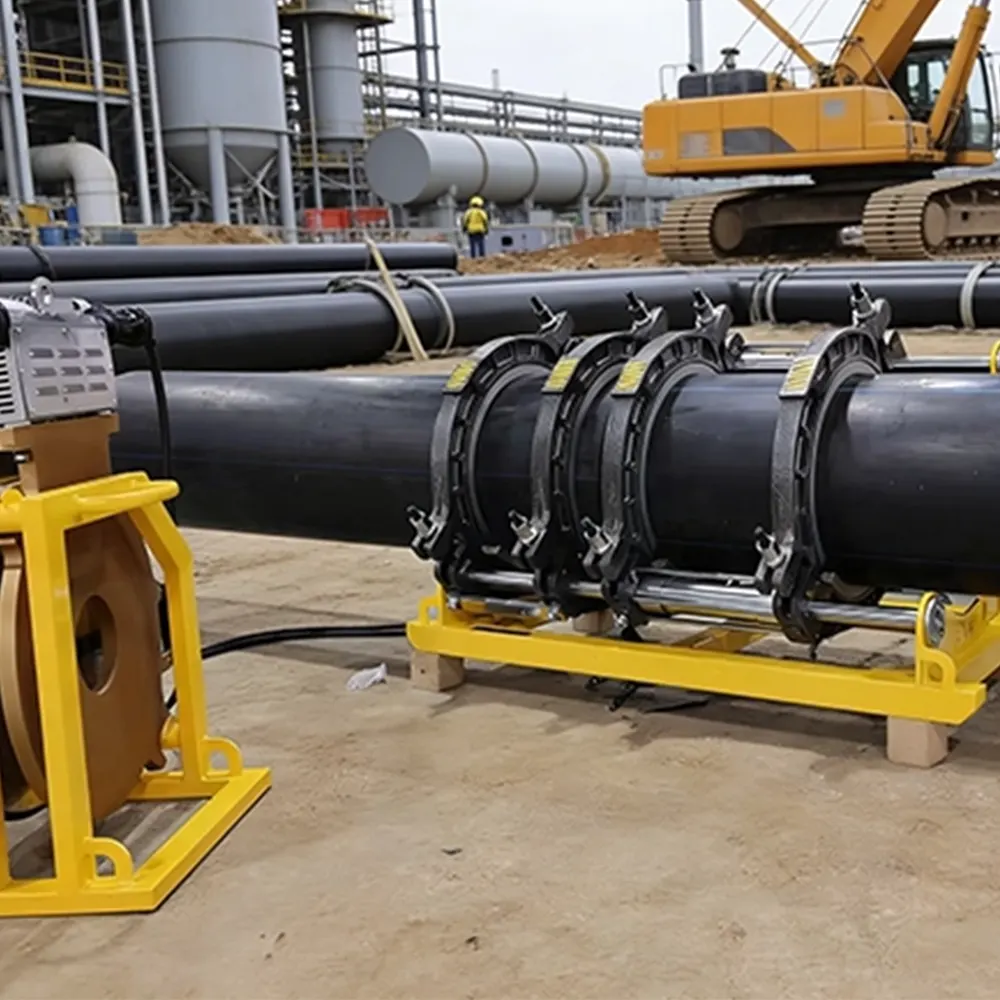
HDPE welding is often performed in challenging conditions — extreme heat, cold, dust, or high humidity. Each environmental factor must be mitigated. In hot climates, both the pipe and the heater need shading to prevent uneven heating. In sub-zero temperatures, preheating the pipe ends or extending heating times compensates for rapid heat dissipation. Dust and sand can be controlled by wiping pipe ends with isopropyl alcohol and keeping the heater plate clean with a non-abrasive cloth.
To further deepen your knowledge of thermoplastic joining, resources such as the PE butt fusion process documentation offer detailed scientific background. For project-specific standards, consulting the relevant ISO and ASTM specifications ensures that your procedures align with global best practices.
Recommended Product
Explore equipment that supports consistent, high-quality fusion joints:
- • Hydraulic Butt Fusion Welding Machine with Aluminum Clamps — View Product Details →
- • JQA315mm Automatic Butt Fusion Welding Machine — View Product Details →



