
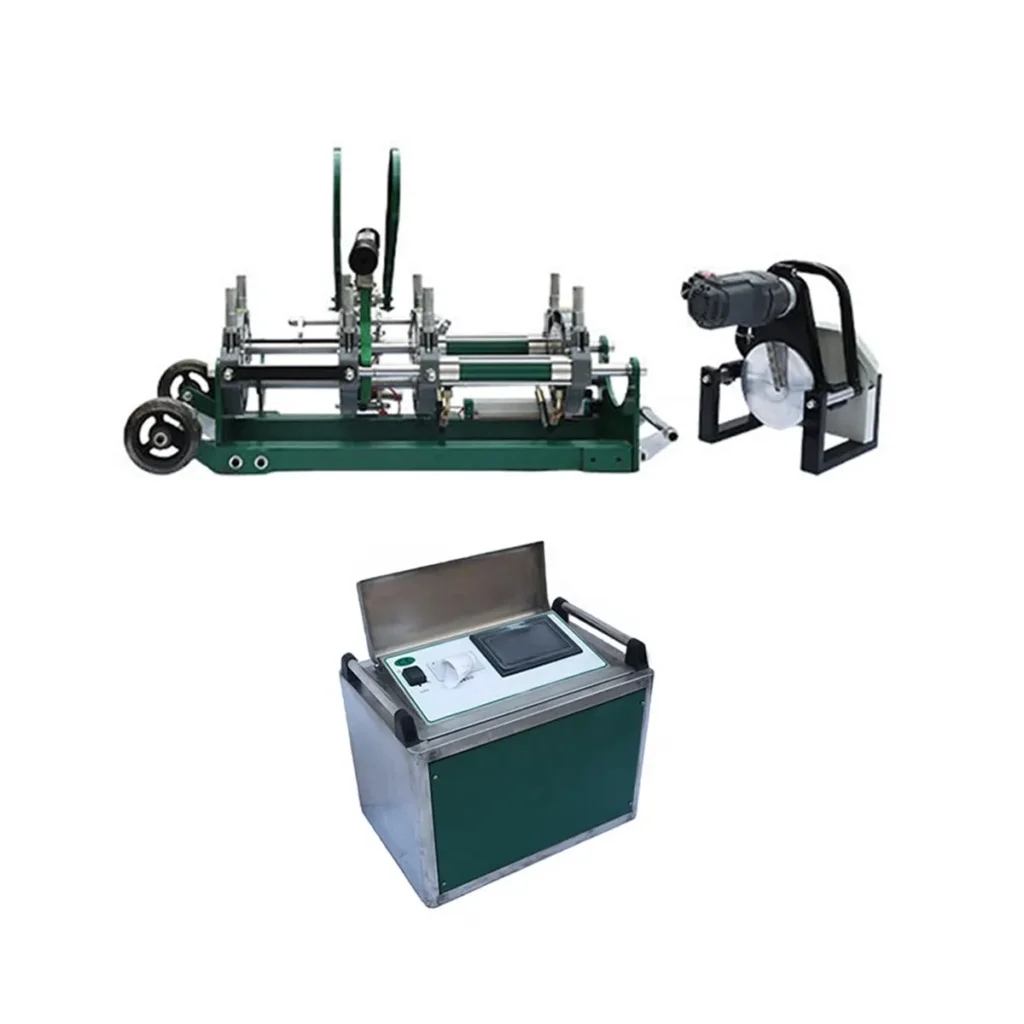
Looking for a reliable plastic pipe welding machine in Sri Lanka? This buyer’s guide covers the models, local applications, selection checklist, maintenance tips for tropical climates, and estimated costs so contractors, engineers, and suppliers can make confident decisions.
Why HDPE Butt Fusion Works Well in Sri Lanka
HDPE butt fusion delivers leak-free joints, excellent chemical and corrosion resistance, and long service life — key benefits for Sri Lanka’s coastal, monsoon-prone and agricultural environments. Local uses include irrigation for tea estates, rural water supply distribution, stormwater drainage, and buried conduits for utilities where durability and low maintenance are essential.
Types of Pipe Welding Machines
Manual butt fusion – simple, portable, best for small-diameter pipes and remote sites.
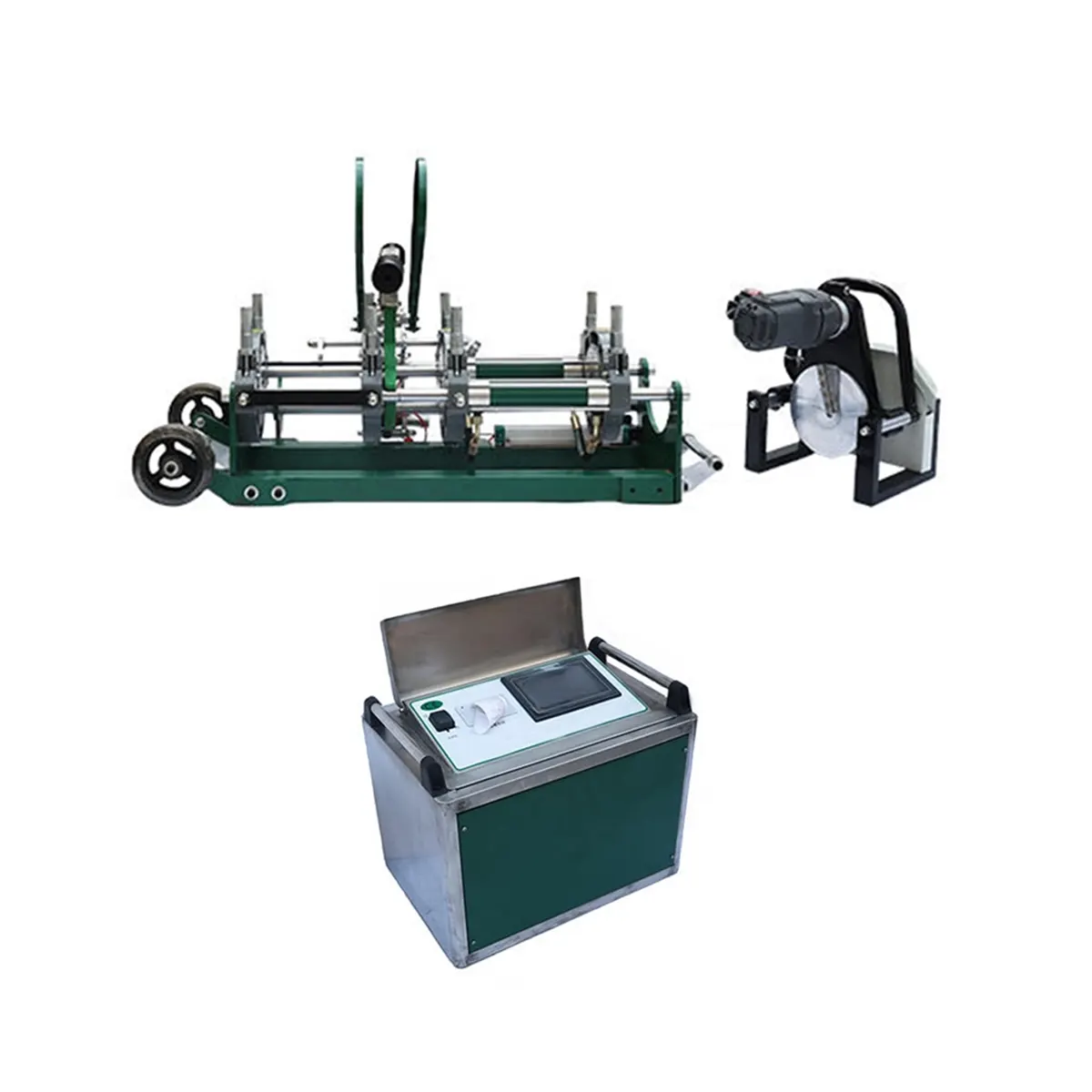
Hydraulic butt fusion – stable clamping and higher pressure control for medium diameters.
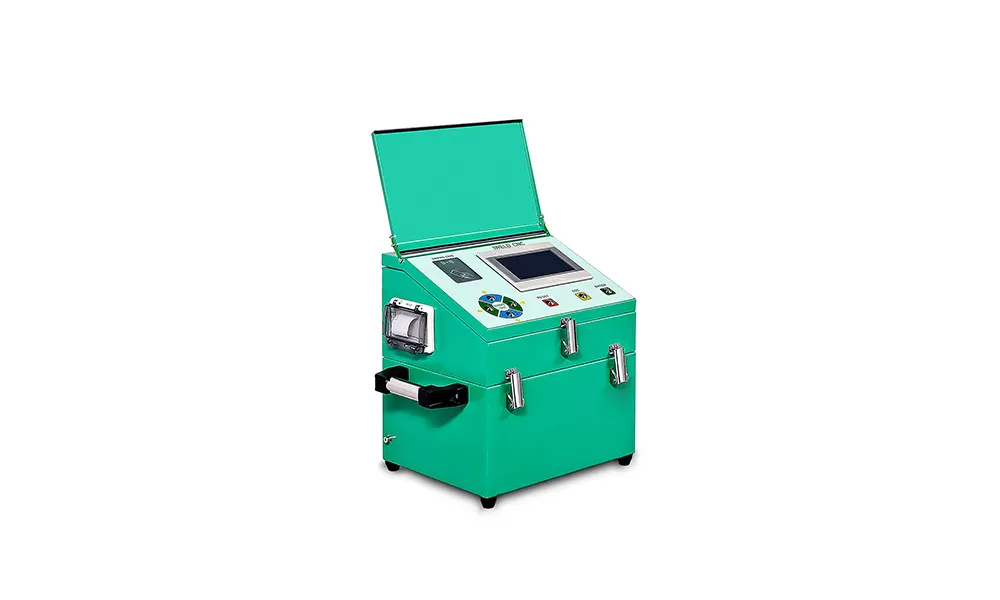
Automatic / CNC butt fusion – programmable cycles, consistent weld quality and best for larger projects and contractors wanting high throughput.
Electrofusion – ideal for fittings and repair work where machine portability and field-friendly joints are needed.
Buyer’s Checklist — What to Look For
Prioritize machine features that match Sri Lankan job conditions: portability for remote estates, robust protection against humidity and dust, clear welding parameters for local operators, and availability of spare parts and training.
| Feature | Why It Matters | Recommended for Sri Lanka |
|---|---|---|
| Pipe Diameter Range | Matches project scope from domestic plumbing to irrigation mains | 20mm–1600mm options; choose based on common local sizes (63mm–315mm often used) |
| Automation Level | Consistency vs. cost and operator skill | Manual for small jobs; hydraulic/automatic for municipal or estate projects |
| Power & Portability | Field mobility and site power constraints | Compact hydraulic sets or battery-assisted electrofusion for remote areas |
| Service & Parts | Fast repairs reduce downtime during monsoon seasons | Choose suppliers with regional stock or clear spare-parts lead times |
| Training & Documentation | Ensures correct welds and warranty compliance | On-site training or digital manuals in English; operator certifications recommended |
Common Local Applications in Sri Lanka
HDPE welding machines are used across multiple sectors in Sri Lanka:
- Rural and municipal water supply – mains and service lines that resist corrosion and ground movement.
- Irrigation systems – reliable piping for tea plantations, paddy fields, and vegetable farms.
- Drainage & stormwater – long-life pipes for monsoon runoff and erosion-prone areas.
- Utility conduits – protecting telecommunication and electrical cables in coastal and urban projects.
On-Site Training, Installation & Local Support
Ensure operators get hands-on fusion training and access to welding parameters (heating time, pressure, cooling time). For projects across provinces — from Colombo to the central highlands — confirm spare-part lead times and whether the supplier can provide technical assistance or remote troubleshooting.
Maintenance Tips for Tropical Conditions
Store heating plates and electrofusion controllers in a dry, shaded place. Clean clamps and guides after each job to prevent rust and abrasive wear. Regularly calibrate temperature sensors and replace worn heaters to maintain weld integrity during hot, humid seasons and heavy rains.
Typical Cost Ranges & ROI Considerations
Estimated price bands (approx. USD): Manual machines $800–3,000; Hydraulic machines $3,000–20,000; Automatic/CNC systems $10,000–80,000 depending on diameter capacity and features. Evaluate ROI by factoring reduced leak repairs, longer pipeline life, lower maintenance, and faster installation on large irrigation or municipal projects.
How to Request a Quote
If you need tailored solutions for Sri Lanka projects, request detailed specifications, recommended pipe-size ranges, and service options from JQ-Fusion at https://jq-fusionwelding.com/ — include project type, usual pipe diameters, and expected annual weld volume for the best match.
Next steps: shortlist machines based on diameter and automation needs, confirm training availability, and compare total lifecycle costs rather than just purchase price to ensure the best long-term value for Sri Lanka conditions.



