
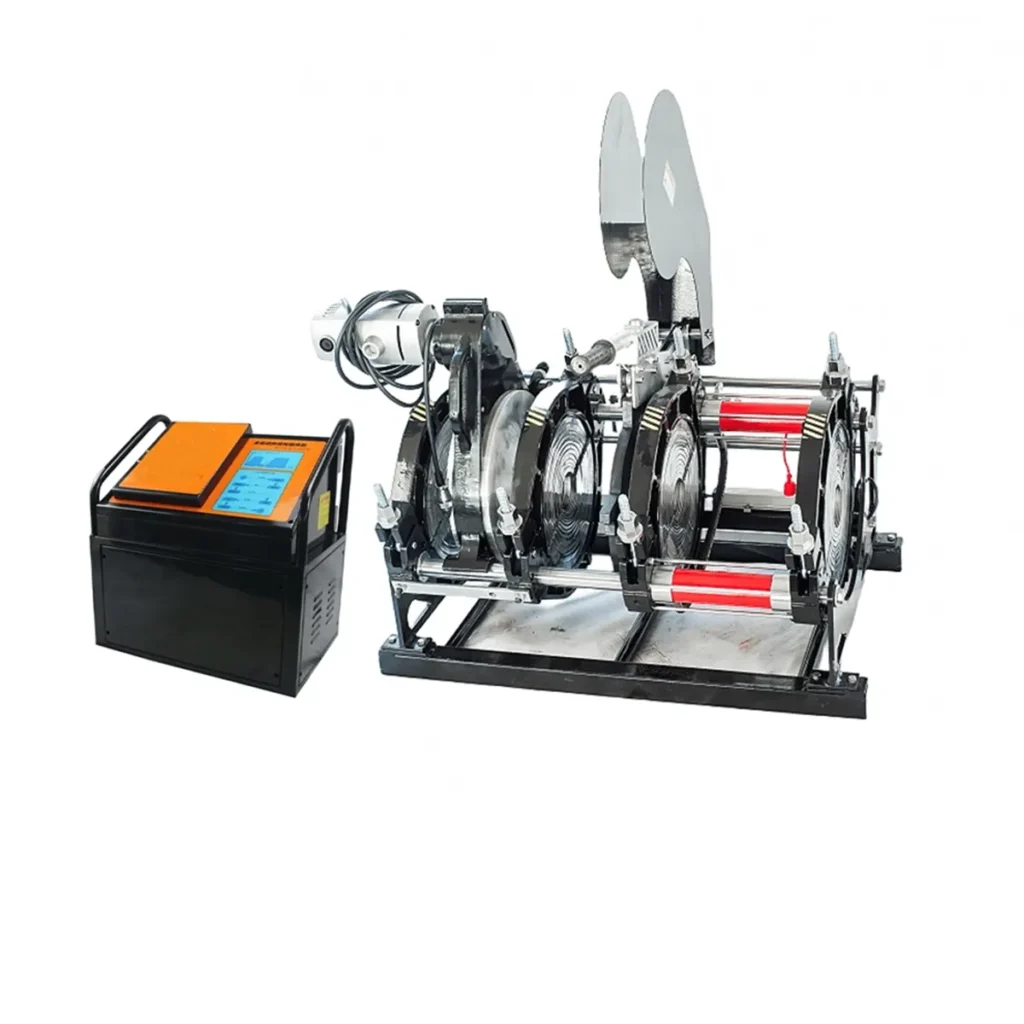
Buying from a plastic pipe welding equipment factory requires more than price checking — buyers need clarity on machine types, production quality, regional service expectations, and after-sales logistics. This guide helps global buyers compare butt fusion solutions, evaluate suppliers, and select equipment that fits local infrastructure needs and regulations.
Why choose a specialized plastic pipe welding equipment factory?
Specialized factories that focus on HDPE and PE pipe welding machines deliver optimized designs, proven process controls, and spare-part availability. For infrastructure, municipal utilities and contractors demand reliability: machines with repeatable fusion quality, easy maintenance, and clear calibration records reduce project risk and inspection delays.
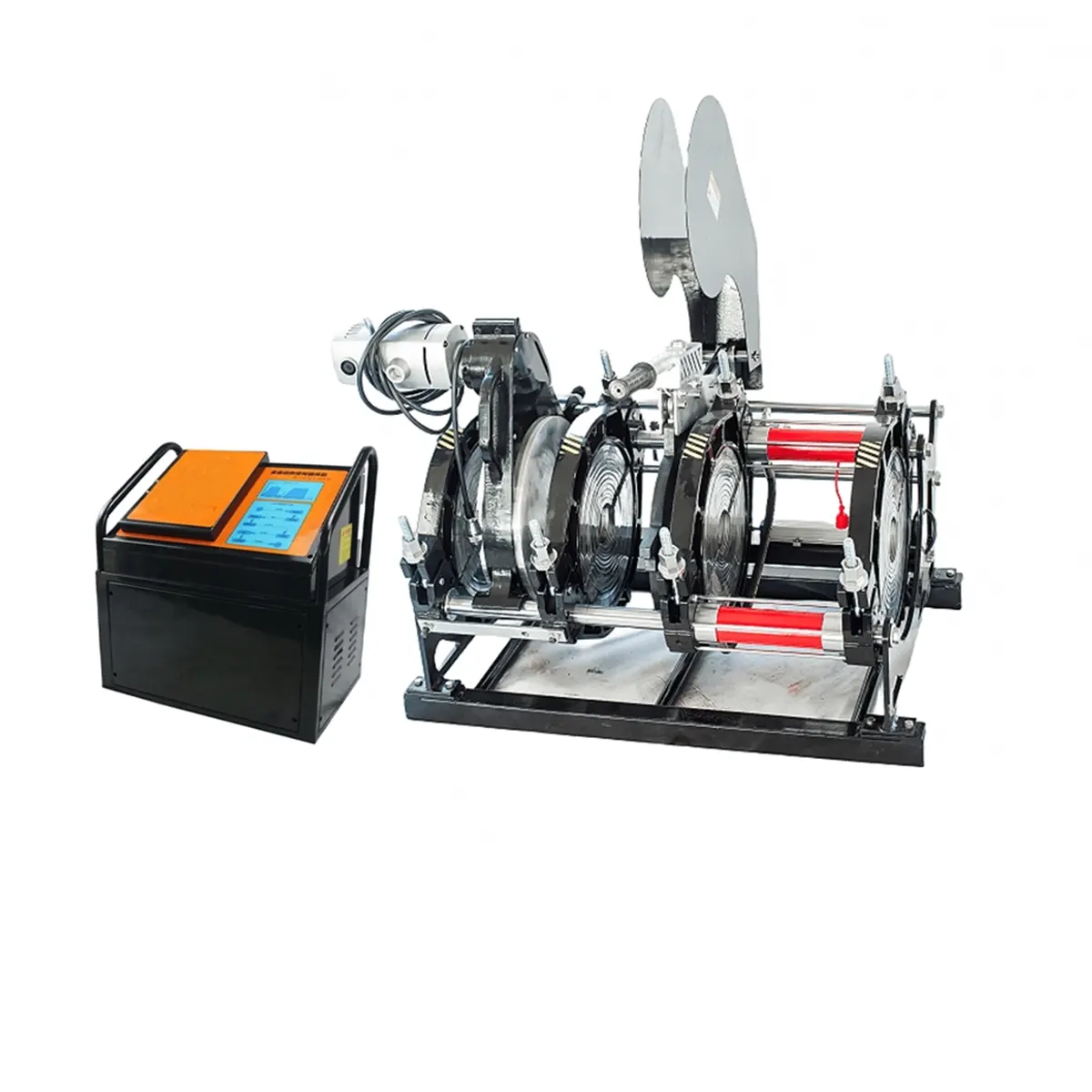
Core products & technologies
Manual butt fusion machines — compact, field-friendly for small-diameter repairs and service jobs.
Hydraulic butt fusion machines — mid-to-large diameter capability, ideal for pipeline contractors and construction sites.
Automatic & CNC butt fusion machines — precise control, data logging, and high throughput for large pipeline projects and utilities.
| Machine Type | Pipe Range | Best For | Key Feature |
|---|---|---|---|
| Manual Butt Fusion | 20–500 mm | Service teams, small projects | Low cost, portable |
| Hydraulic Butt Fusion | 160–2000+ mm | Contractors, large pipelines | High clamping force, durability |
| Automatic / CNC Fusion | 63–1200+ mm | Utilities, factory production | Data logging, accuracy |
Quality control, materials & testing
Top factories use certified materials and maintain traceability for critical components (heating plates, clamps, hydraulic systems). Look for production testing procedures: pressure tests, peel/stretch tests on welded joints, and digital fusion records for audit compliance. A documented quality management process shortens approval in regulated projects.
What buyers should prioritize
Warranty & spare parts — clear warranty terms and fast access to consumables (heating plates, scrapers, seals) prevent downtime.
Data & compliance — machines offering digital fusion logs and standardized procedures (ISO/EN guidelines) ease acceptance by engineers and authorities.
Service & training — on-site commissioning and operator training ensure consistent weld quality, especially for clients without prior HDPE experience.
Regional buying tips for global markets
North America: Municipal utilities and gas distributors require strict documentation and certified welding procedures. Prioritize equipment with data logging and North American service partners.
Europe: Buyers focus on CE conformity, energy-efficient solutions, and interoperability with existing site tools. Look for factories that support local calibration and spare distribution.
Middle East & Africa: Robust hydraulic machines with dust- and heat-resilient components are preferred. Fast logistics and regional technical support make a major difference for remote projects.
Asia-Pacific: Rapid infrastructure growth favors automated machines for large pipeline runs. Choose suppliers that offer modular upgrades and multilingual controls for local crews.
Latin America: Port-accessible shipping and comprehensive spare kits reduce lead times. Local contractor training programs improve long-term weld quality on water and gas projects.
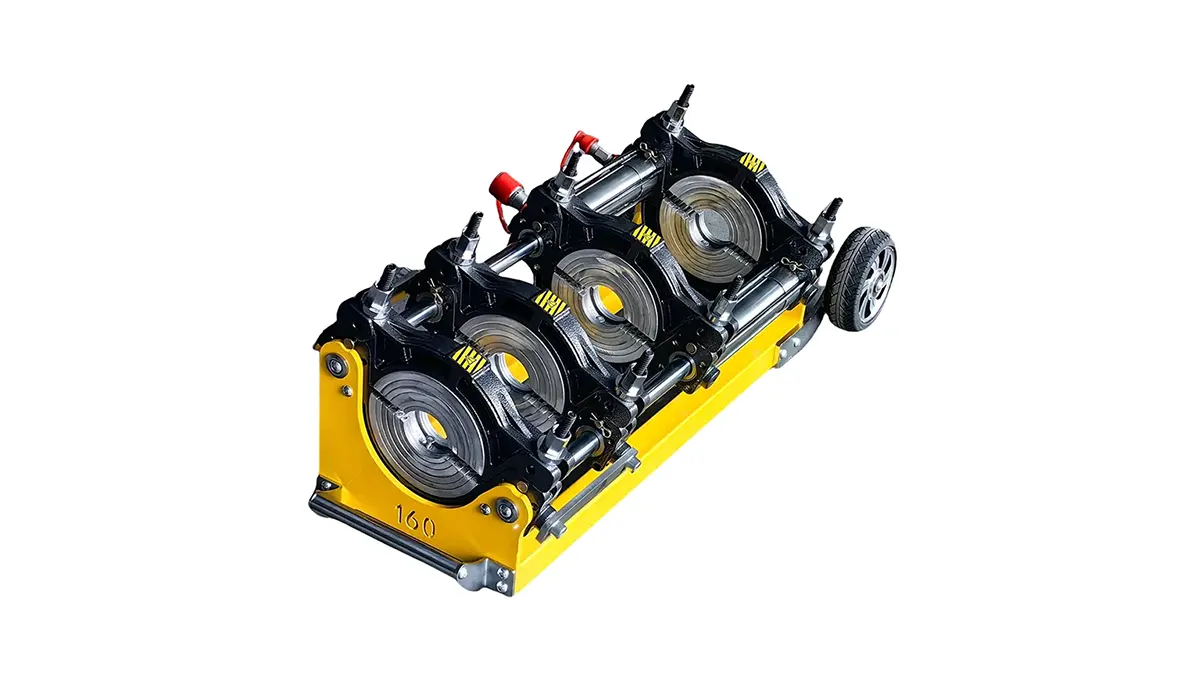
Logistics, customization & after-sales
Choose factories that offer modular customization (clamp types, control systems), pre-shipment inspection photos or certificates, and flexible shipping (FOB, CIF). After-sales packages should include training, spare-part kits, and remote troubleshooting channels.
Company snapshot
JQ-Fusion — A professional manufacturer specializing in HDPE pipe welding machines, offering manual, hydraulic, and CNC automatic butt fusion solutions for water supply, gas distribution, mining and industrial pipelines. Visit: https://jq-fusionwelding.com/
Final buying checklist: verify machine type vs. pipe diameter, confirm data logging and standards compliance, secure warranty and spare-part lead times, and arrange operator training before commissioning. For quotes and technical specifications, visit the factory website or request a factory acceptance test (FAT) report to confirm performance.



