
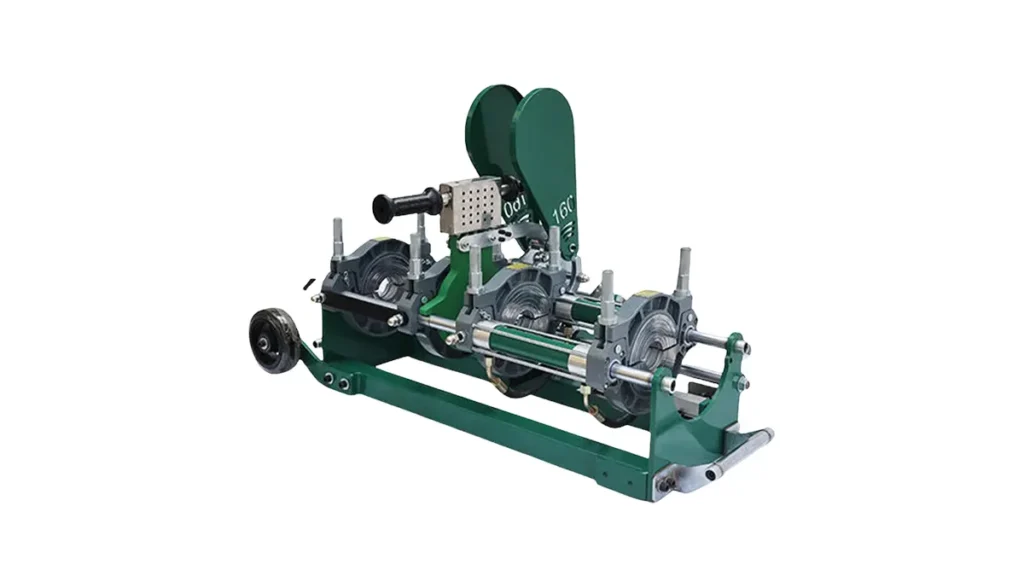
Looking for a reliable plastic pipe welder in Norway? Whether you’re working on municipal water networks, rural drainage systems, or coastal infrastructure, professional HDPE pipe welding ensures safe, leak-free joints that withstand cold climates and rugged terrain.
Why professional plastic pipe welding matters in Norway
Integrity of pipelines is critical in Norway’s environment — from fjord-side installations to upland water distribution. Quality butt fusion and electrofusion welding create homogeneous joints that maintain strength and flexibility even in low temperatures. For contractors, utilities, and engineers, choosing the right welding solution reduces maintenance costs and extends service life.
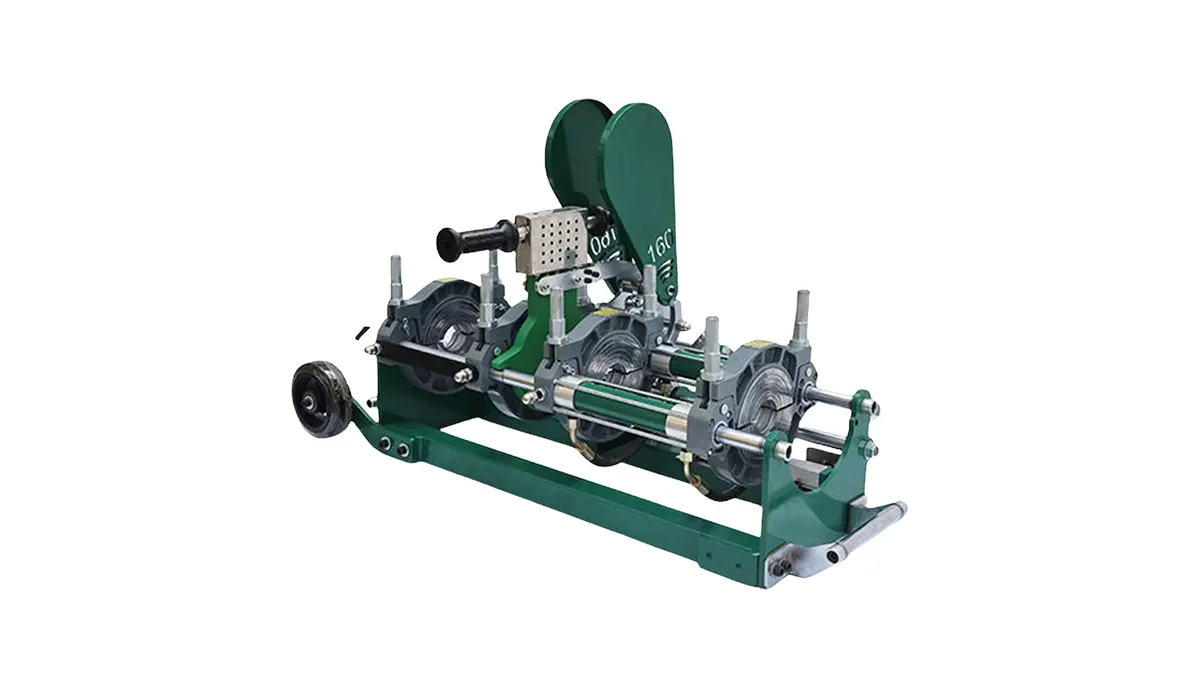
Common welding methods for Norwegian projects
Butt fusion — the industry standard for larger-diameter HDPE pipelines used in water, sewage, and industrial applications. It delivers a strong, continuous joint ideal for long runs and buried pipes.
Electrofusion — preferred for fittings, repairs, and situations where access is limited. Electrofusion provides precise control for smaller-diameter pipes and complex networks.
Socket fusion and mechanical joining — used for certain service connections and temporary installations where quick assembly is required.
Equipment selection: match machine to job
Choosing the right welding machine depends on pipe diameter, site conditions, and production demands. Below is a quick reference to help Norwegian contractors and project managers decide.
| Machine Type | Pipe Range | Best For | Key Benefit |
|---|---|---|---|
| Manual Butt Fusion | 20–315 mm | Small jobs, remote sites | Portable and cost-effective |
| Hydraulic Butt Fusion | 160–1600 mm+ | Large-diameter mains | High consistency and power |
| Automatic/CNC Butt Fusion | 63–1000 mm | Production lines, factory prefabrication | Precision and repeatability |
| Electrofusion Equipment | 20–630 mm | Repairs, fittings | Versatile for complex networks |
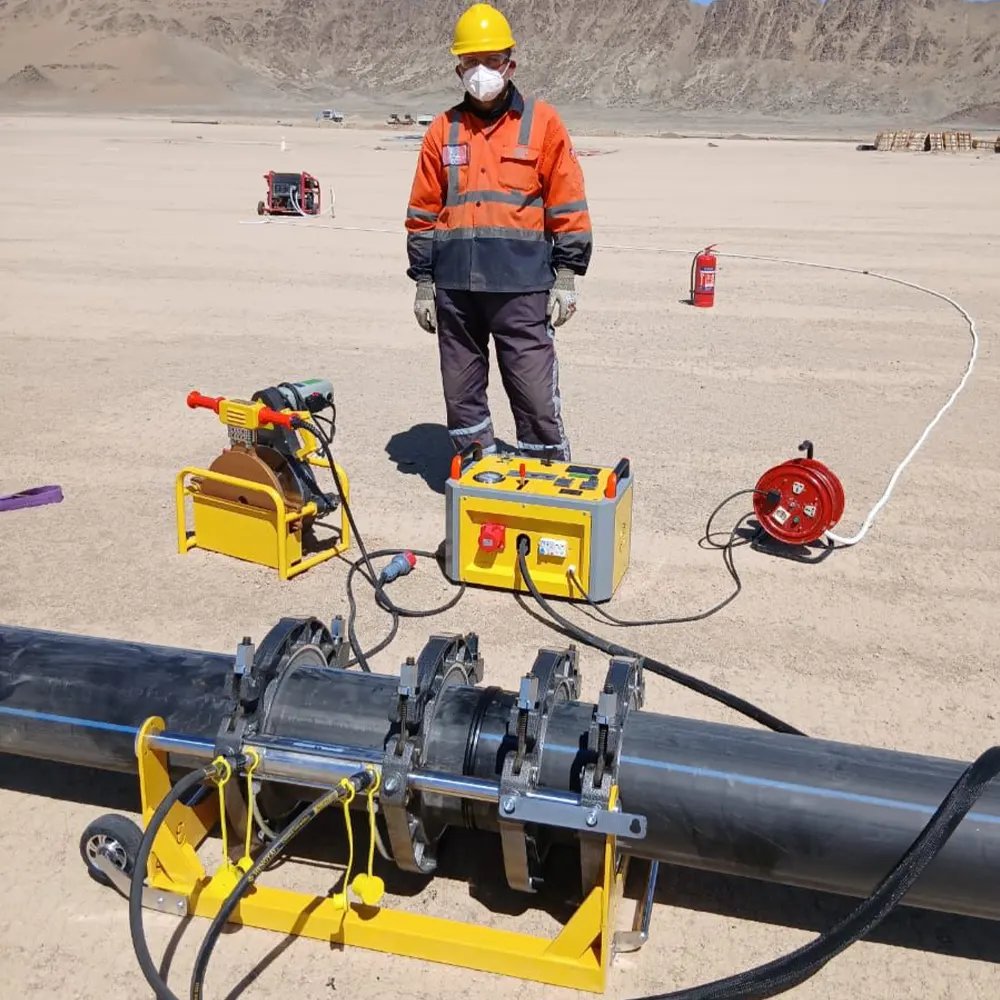
Working with Norway’s climate and terrain
Norway’s coastal salt spray, freezing winters, and mountainous regions demand welding solutions that resist corrosion and thermal stress. Proper joint design and qualified welding procedures minimize the risk of failure in exposed or high-stress areas. For remote installations, portability and serviceability are essential — crews often require compact machines and clear digital controls that perform reliably outdoors.
Project support and training
Qualified operators and documented welding procedures ensure compliance with local regulations and long-term performance. Typical project support includes equipment selection advice, on-site training for butt fusion and electrofusion operators, spare parts supply, and commissioning checks for pipeline integrity.
For global infrastructure projects and tailored butt fusion solutions, explore equipment and support at JQ-Fusion. Contact details and product specifications are available on the website for contractors, utilities, and engineering firms operating in Norway.



