
For industrial pipeline projects across Germany—from municipal waterworks to large-scale gas distribution and renewable energy connections—finding a trusted source for HDPE pipe welding equipment is essential. JQ-Fusion (https://jq-fusionwelding.com/) manufactures a full range of butt fusion machines designed to meet German project demands with precision and durability.
Why German Contractors Choose Professional HDPE Pipe Welders
Germany’s strict technical standards and long-term infrastructure planning drive demand for welding equipment that delivers consistent, certified results. Contractors, utilities, and civil engineering teams prioritize machines that support DVGW/EN-compliant connections, easy documentation, and reliable on-site performance in both urban and rural environments.
Key Welding Technologies for German Projects
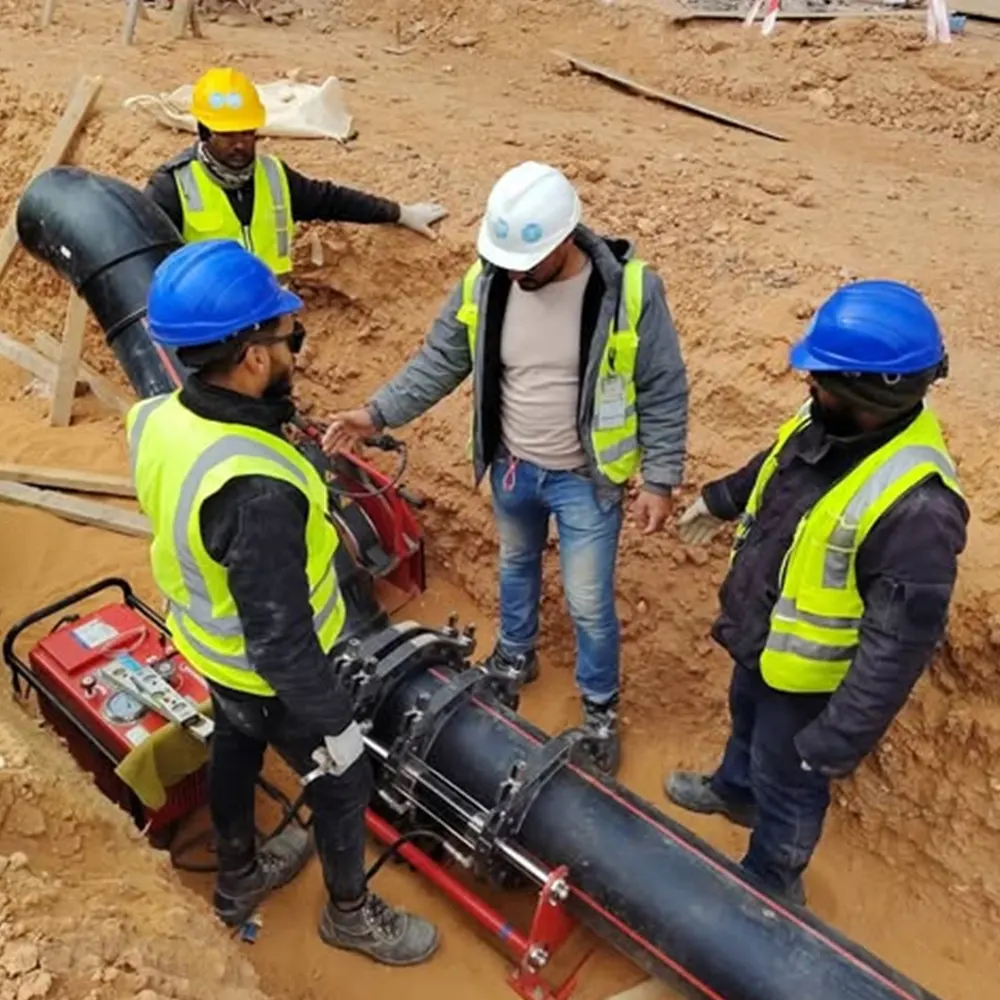
Butt fusion, electrofusion, and CNC-automated welding systems cover the full spectrum of pipe sizes used in Germany—from small service lines to large-diameter trunk mains. Each technology offers specific advantages for projects such as potable water mains, district heating distribution, and industrial process piping:
Manual & semi-automatic machines — ideal for fieldwork, quick mobilization, and smaller diameter pipelines.
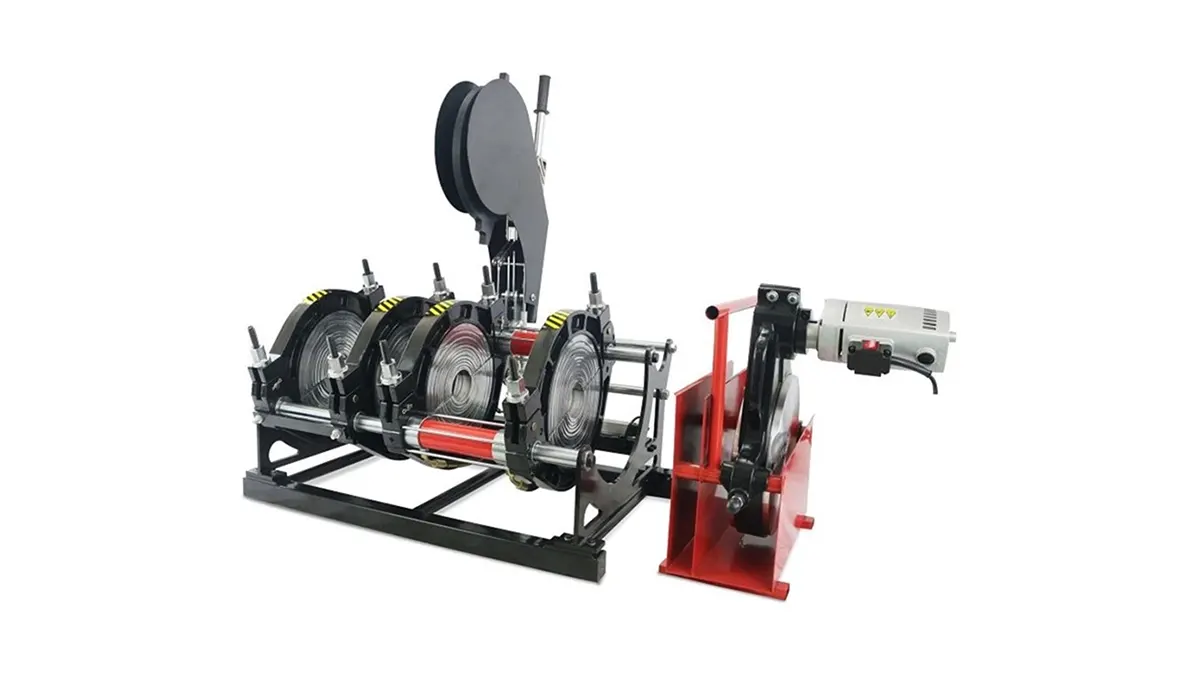
Hydraulic machines — provide higher clamping force and consistent results for medium to large diameters.
Automatic / CNC systems — best for repeatable precision on long runs and factory-style welding stations.
Applications Across German Sectors
Applications where dependable HDPE welding is critical in Germany include municipal water supply, gas distribution networks, geothermal and district heating systems, mining and industrial plants, and agricultural irrigation. These sectors demand equipment that minimizes downtime and ensures leak-free joints under varying temperatures and soil conditions.
Benefits of Investing in Quality Welding Machines
Durability and long service life reduce lifecycle costs. High-precision controls improve weld repeatability, while robust clamping and heating systems ensure joints meet German regulatory tolerances. Reliable machines also simplify operator training and reduce rework.
Quick Comparison: Machine Types
| Machine Type | Best For | Typical Diameter Range |
|---|---|---|
| Manual Butt Fusion | Field repairs, small projects | 20mm – 400mm |
| Hydraulic Butt Fusion | Large pipes, consistent clamping | 90mm – 2250mm+ |
| CNC / Automatic Fusion | High-volume production, precision | 63mm – 2000mm+ |
Selecting the Right Welder for German Projects
When specifying equipment for Germany, consider project scope, site conditions, and compliance requirements. Look for machines with:
Accurate temperature and pressure controls for reproducible joints.
Durable clamps and frames to withstand frequent mobilization and cold-weather use.
Clear logging and exportable weld reports to meet inspection and certification needs.
Training, Support, and After-Sales Service
Local projects benefit from responsive technical support, spare parts availability, and operator training tailored to DVGW and EN welding procedures. Investing in on-site training reduces errors and keeps schedules on track—especially important for Germany’s tightly managed municipal works and industrial timelines.
Practical Tips for On-Site Welding Success
Plan for weather: protect heaters and control units from rain and freezing conditions.
Control cleanliness: ensure pipe ends are trimmed and free of contaminants before fusion.
Document every weld: keep weld logs and sensor data for audits and warranty support.
Start Your Next Industrial Pipeline Project with Confidence
For German contractors and engineering teams, choosing robust, certified welding machines improves installation speed and long-term pipeline reliability. Evaluate machine capabilities against project needs, plan for training and service, and prioritize systems that support accurate welding documentation for regulatory compliance.



