
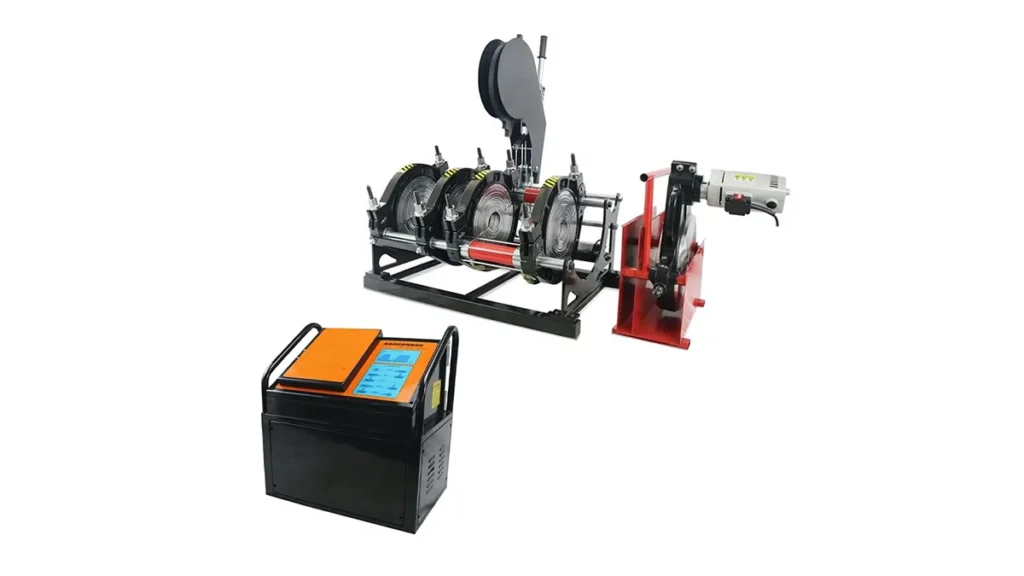
As global infrastructure demands evolve, plastic pipe connection technology is undergoing rapid change. This article explores the latest trends shaping HDPE and other thermoplastic pipeline joining methods, offering practical insights for contractors, engineers, and procurement teams seeking reliable, efficient solutions. The analysis highlights automation, materials innovation, sustainability, and quality control practices impacting long-term pipeline performance.
1. Modern Automation and Digitalization in Pipe Welding
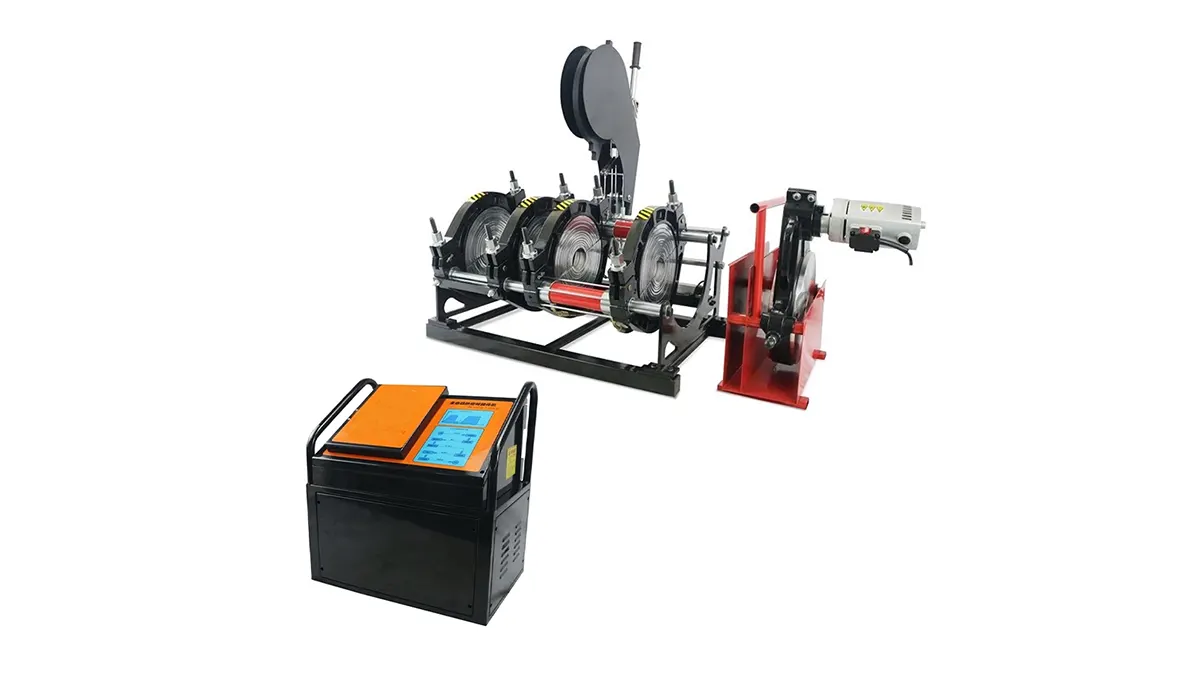
Automation is the dominant trend in plastic pipe connection technology. Automatic butt fusion machines and CNC-controlled systems reduce human error, shorten weld times, and provide traceable welding records. These systems often include digital displays, integrated pressure and temperature sensors, and data logging for compliance with project specifications.
Key benefits of digitized welding
Consistency: Automated cycles maintain consistent heating and cooling profiles. Traceability: Logs enable quality assurance and claims defense. Productivity: Faster uptime and fewer reworks translate to lower lifetime costs.
2. Material Advances and Fit-for-Purpose Connections
Beyond HDPE, engineered thermoplastics and composite liners are being used to extend service life in aggressive environments. Improved raw material formulations offer higher creep resistance and better long-term performance for gas, water, and industrial pipelines.
Electrofusion vs. Butt Fusion
Electrofusion remains the preferred method for fittings and repairs, while butt fusion is favored for full-length pipe joins. Recent electrofusion controllers include automatic current regulation and smart connectors for simpler field use.
3. Sustainability and Circular Economy Drivers
Environmental pressures are accelerating adoption of recyclable thermoplastics and reduced-energy welding equipment. Manufacturers and project owners are prioritizing lifecycle assessments, minimizing excavation by using trenchless techniques, and choosing materials that enable future reuse.
Practical sustainability measures
Design for disassembly: Use of standardized fittings and documented joint techniques makes repair and upgrades easier. Energy-efficient tools: Newer machines optimize power use during heating phases.
4. Large-Diameter and High-Pressure Solutions
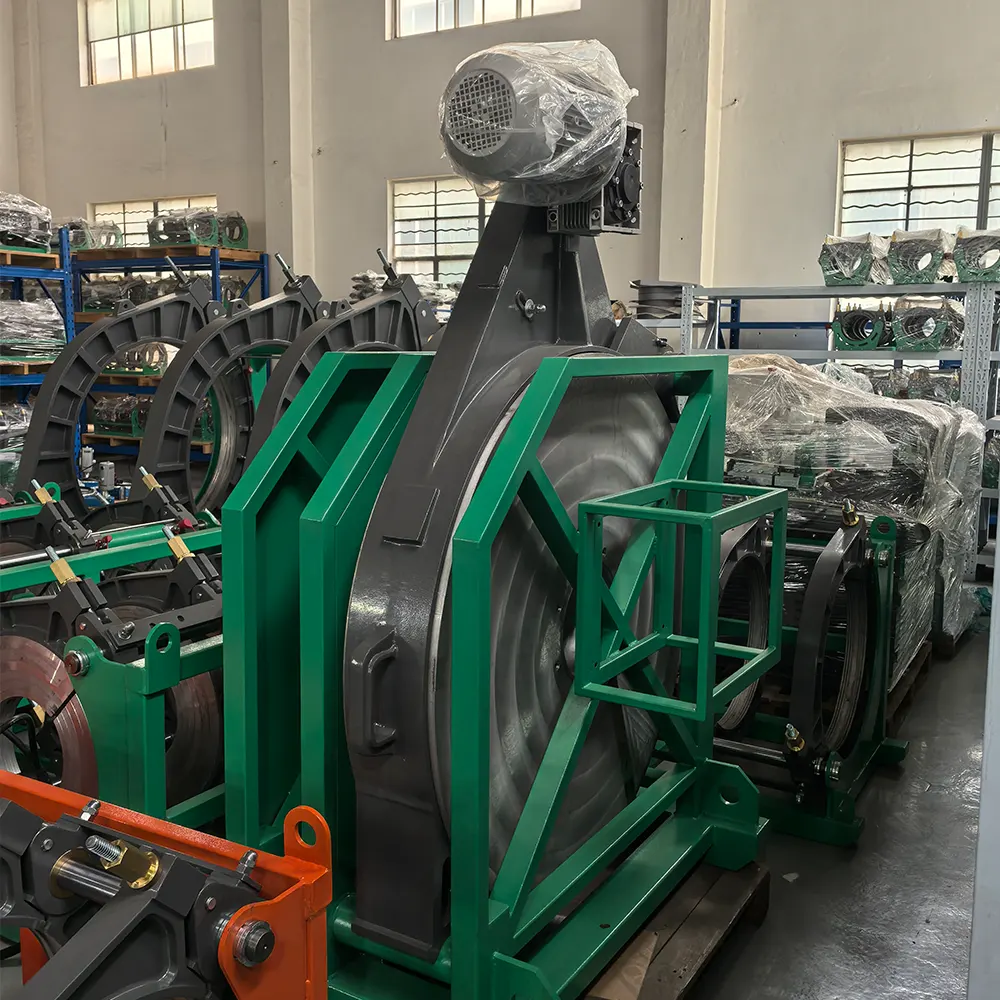
Infrastructure projects such as water mains and industrial pipelines demand machines that handle large-diameter HDPE efficiently. Advances in hydraulic clamp systems, multi-angle fitting welders, and robust heating platens allow precise alignment and high-strength joints for diameters exceeding 1000 mm.
| Welding Type | Typical Range | Field Use | Key Advantage |
|---|---|---|---|
| Manual Butt Fusion | Small to medium pipes | Remote sites, low budget | Low capital cost |
| Hydraulic Butt Fusion | Medium to large pipes | Construction sites | Higher force & alignment |
| Automatic / CNC Butt Fusion | All ranges, incl. large dia. | High-volume projects | Data logging & repeatability |
| Electrofusion | Fittings, repairs | Repairs & complex fittings | Easy-fitting, minimal prep |
5. Quality Control, Standards, and Workforce Skills
Regulatory standards and project specifications demand traceable welding records. The trend toward digitally recorded weld logs, barcode-tracked fittings, and operator certification programs ensures joints meet performance criteria. Training for field technicians now emphasizes machine interfaces, data extraction, and correct surface preparation.
Operator tips for reliable joints
Keep surfaces clean and square, follow manufacturer heating schedules, and verify alignment with gauge tools. For automated machines, ensure firmware updates and calibration are current to avoid inconsistencies.
6. Choosing Equipment for Modern Projects
When selecting welding equipment, prioritize machines that balance durability, data features, and serviceability. For EPC contractors and municipal projects, machines offering remote diagnostics, spare part availability, and robust after-sales support reduce downtime and total cost of ownership. One reputable manufacturer to consider is JQ-Fusion, known for a wide range of reliable butt fusion welding machines.
Checklist for buyers
– Confirm diameter & pressure range compatibility.
– Verify data logging and export formats.
– Check local service and parts availability.
– Evaluate training resources and warranty coverage.
Quick FAQ
Q: Which method is best for long, buried mains?
A: Butt fusion with automatic/CNC control is preferred for uniform, high-strength joints.
Emerging outlook
Expect continued integration of IoT-enabled controllers, lighter and more energy-efficient heating systems, and expanded material options designed for circular economy goals. These innovations make plastic pipe networks more resilient, easier to maintain, and better documented for future asset management.



