
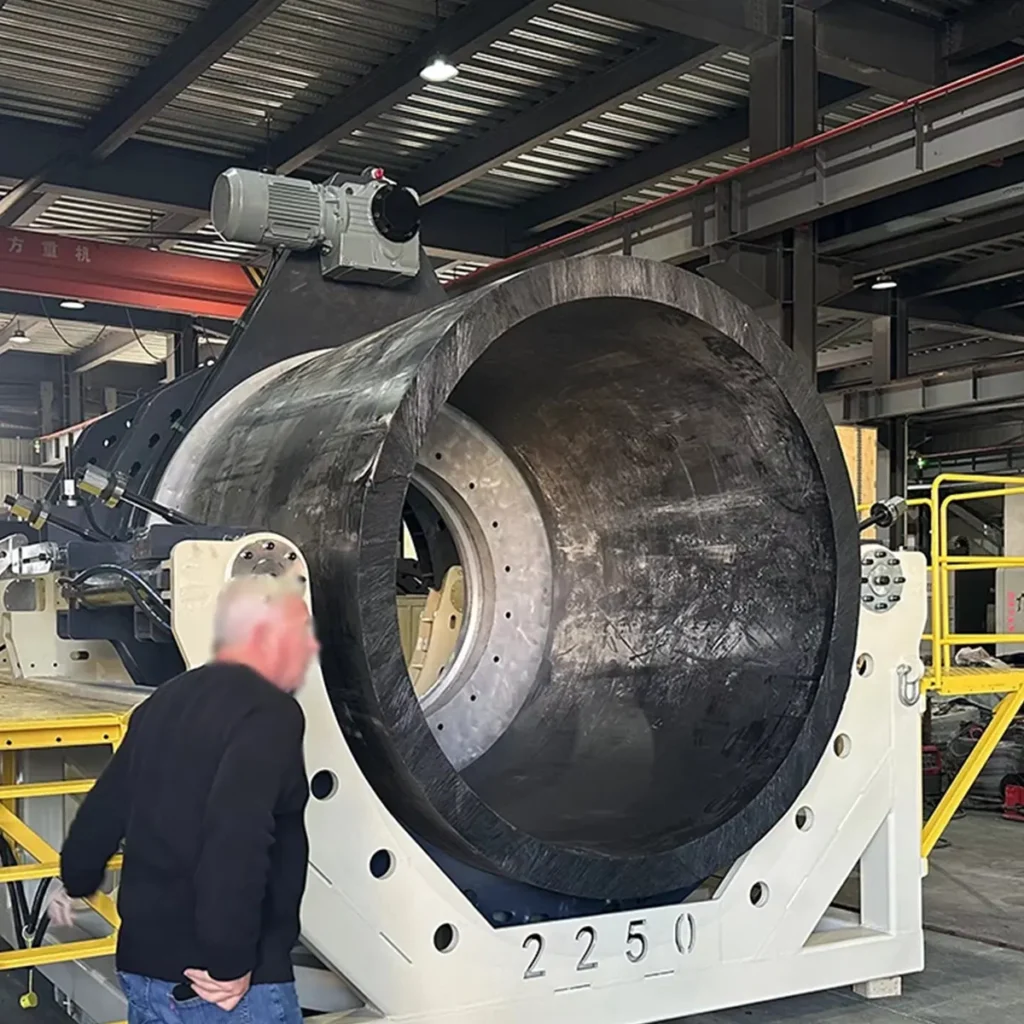
Pipeline welding equipment is the backbone of modern infrastructure projects. From municipal water mains to large-diameter gas transmission lines, choosing the right welding machinery and accessories ensures durable joints, efficient installation, and long-term system integrity. This guide covers the main types of pipe welding equipment, common uses, essential tools, maintenance tips, and a practical purchase checklist for contractors and procurement teams.
Types of Pipeline Welding Equipment
Butt fusion machines: The most common choice for welding thermoplastic pipes such as HDPE and PP. Butt fusion aligns pipe ends, heats them with a specialized plate, then presses them together to form a continuous, homogenous joint.
Electrofusion units: Used primarily for fittings and quick onsite repairs. Electrofusion applies a controlled electric current to a fusion fitting to melt the interface and create a strong weld without mechanical clamps in many cases.
Socket fusion and hot-air welding: Ideal for smaller-diameter pipes and fittings. Socket fusion is quick and portable, while controlled hot-air systems are used for complex joints and saddle fittings.
Multi-angle and fitting welding machines: Specialized for branch connections and molded fittings where alignment and controlled heating are critical.
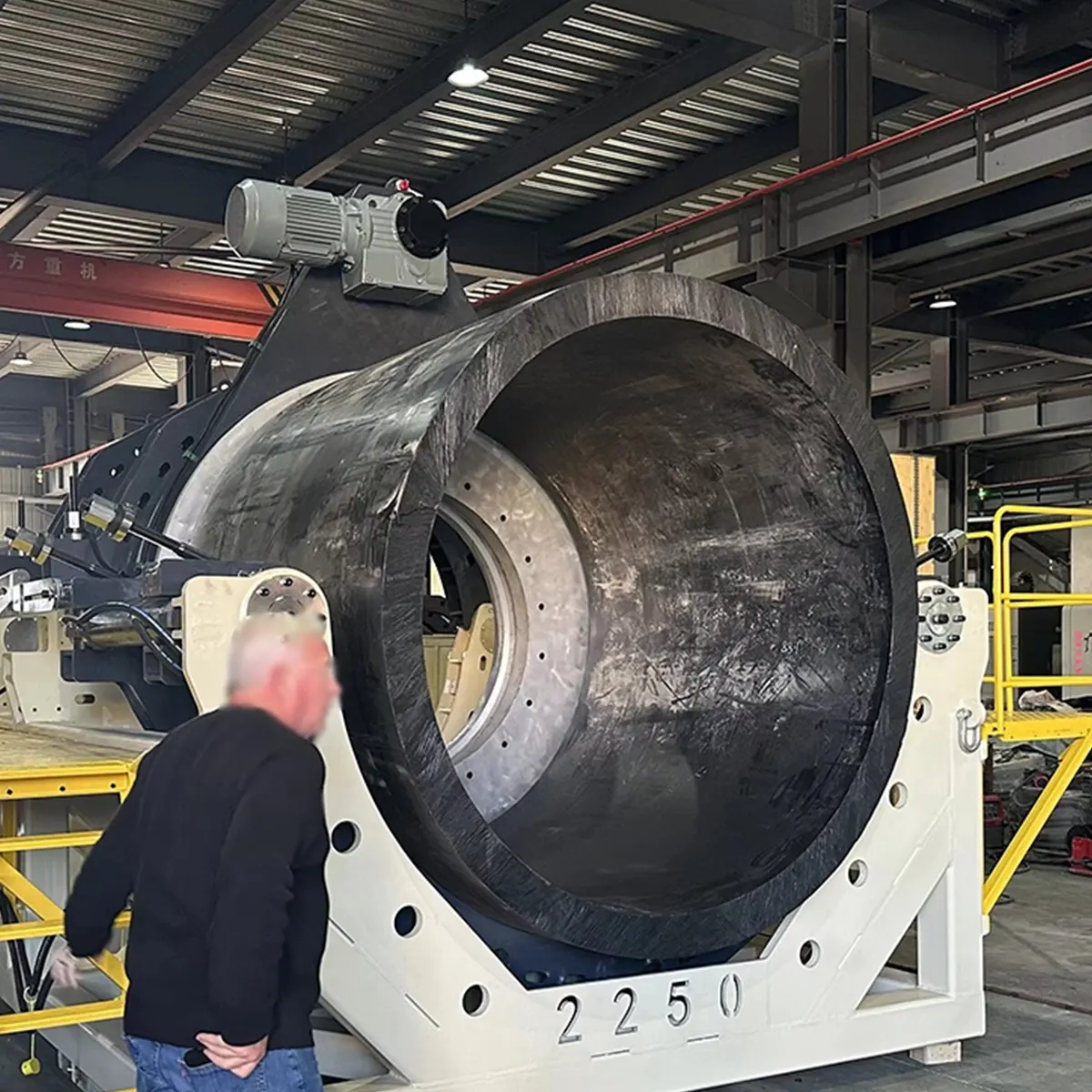
Manual, Hydraulic and Automatic: What’s the difference?
Manual units are compact and portable; they suit small crews and remote jobs. Hydraulic machines deliver higher clamping force for larger diameters and thicker walls. CNC automatic butt fusion machines add precision welding parameters, digital controls, and repeatability for large projects and quality-driven contractors.
Common Uses and Applications
Pipeline welding equipment is used across multiple sectors:
• Water supply networks — HDPE and PP mains for potable and non-potable systems.
• Gas distribution — Medium and low-pressure gas pipelines benefit from fusion methods that eliminate leak-prone mechanical joints.
• Mining and industrial piping — Corrosion-resistant thermoplastics welded on site withstand aggressive chemicals and abrasive slurries.
• Agricultural irrigation & trenchless installations — Flexible welding setups support both open-trench and directional drilling installation methods.
Essential Tools & Accessories for Pipe Welding
Successful fusion welding is about more than the machine. Make sure your kit includes essential accessories and quality consumables:
• Facing/trimming tools — Ensure square, clean pipe ends before fusion.
• Alignment clamps and chain clamps — Proper alignment prevents cold welds and weak joints.
• Heating plates and backup plates — Maintain correct temperature and surface quality for consistent melts.
• Thermal insulation and blankets — Protect active welds in cold or windy environments.
• Electrofusion fittings and connectors — Use certified fittings and proper calibration tools for reliable joints.
• Calibration gauges and weld logs — Track weld parameters (pressure, temperature, time) and maintain traceability for compliance.
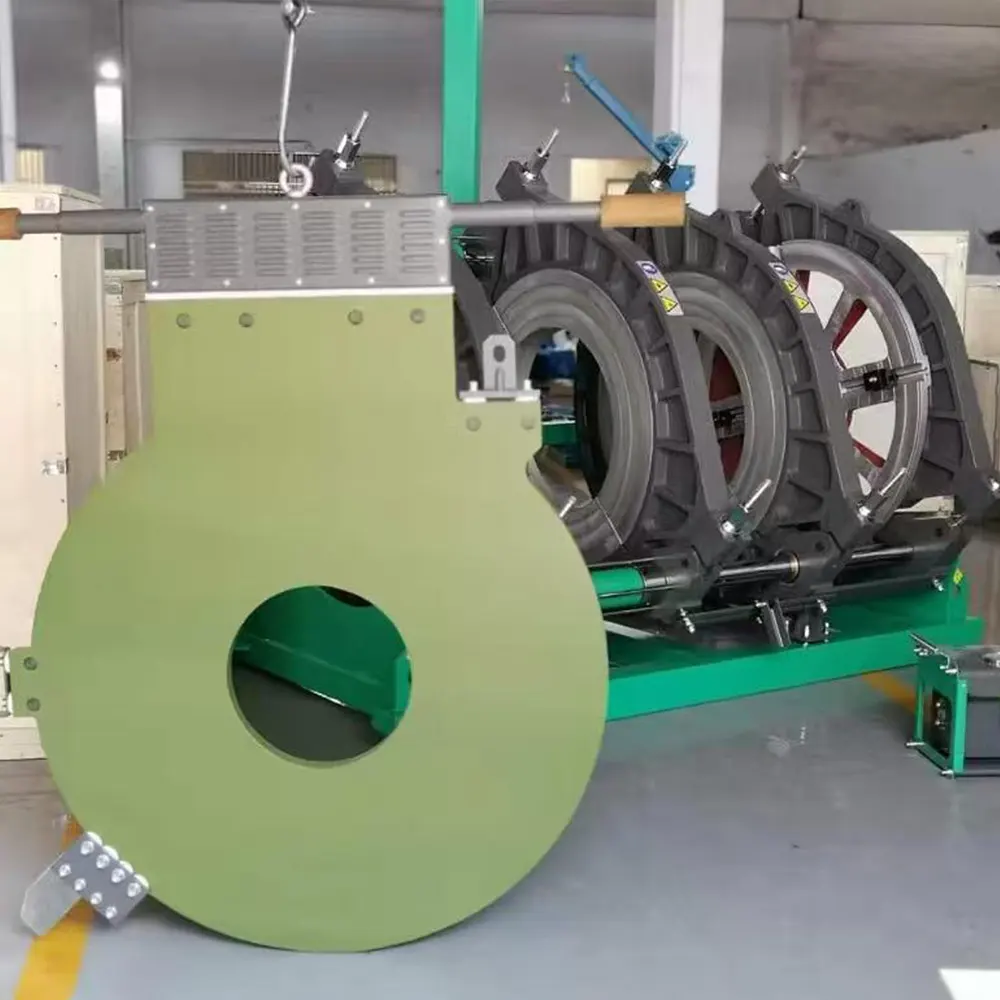
Data Snapshot: Typical Equipment by Application
| Equipment | Pipe Range | Primary Benefit |
|---|---|---|
| Manual Butt Fusion | 16mm – 315mm | Portable, low cost, ideal for repairs |
| Hydraulic Butt Fusion | 160mm – 2000mm+ | High clamping force for large-diameter pipelines |
| Automatic/CNC Butt Fusion | 160mm – 1250mm | Precision control, digital logging, repeatability |
| Electrofusion | 20mm – 630mm (fittings depend) | Fast fittings installation, excellent for repairs |
Maintenance, Quality Control & Safety
Regular maintenance preserves welding accuracy and reduces downtime. Key practices include cleaning and inspecting heating plates, checking hydraulic fluid and seals, and verifying temperature sensors and pressure gauges. Keep a calibrated thermocouple and a record-keeping system for each weld; traceable weld logs are often required by standards and project specifications.
Safety: Always use appropriate PPE—gloves, eye protection, and heat-resistant clothing where needed. Secure pipes and clamps to prevent movement during fusion. In gas pipeline work, follow strict purge and leak-testing protocols.
Standards & Certification
Look for equipment and welding procedures that conform to internationally recognized standards (ISO, ASTM, EN). Certified training for operators improves weld quality; many clients and regulators require operator certification and documented QA/QC processes.
Selecting the Right Machine for Your Project
Consider project scale, pipe material, diameter range, and expected site conditions. For high-volume municipal or industrial programs, automatic butt fusion machines with data-logging are a wise investment. For remote or low-volume jobs, manual or compact hydraulic units are more cost-effective. Manufacturers like JQ-Fusion offer a range of manual, hydraulic, and CNC automatic butt fusion solutions to suit varied pipe sizes and project needs.
Quick Pre-Purchase Checklist
• Verify the pipe materials and diameter range the machine supports.
• Confirm availability of spare parts, heating plates, and service support.
• Ensure the machine provides required documentation and digital weld logs if needed.
• Ask about training, warranty terms, and on-site commissioning options.
Choosing the right pipeline welding equipment, backed by proper accessories, maintenance, and trained operators, ensures reliable pipeline performance and reduces long-term costs. Prioritize machines that balance portability, accuracy, and documentation to meet both project demands and regulatory expectations.



