
Benin’s expanding infrastructure projects need dependable pipe welding solutions that deliver consistent, leak-free joints for water distribution, irrigation and industrial pipelines. This guide outlines practical options for selecting HDPE pipe welding equipment in Benin, focusing on precision, durability and suitability for West African field conditions.
Why Choose the Right Pipe Welding Machine for Benin?
Climate and site realities: High temperatures, seasonal rains and remote job sites demand machines that are rugged, easy to transport and simple to maintain. Choosing the correct welding method—manual, hydraulic or CNC automatic butt fusion—reduces rework and keeps projects on schedule.
Common Applications in Benin
-
Rural and urban water supply: Reliable butt fusion joints are critical for potable water networks and borehole distribution systems.
-
Irrigation and agriculture: Lightweight, corrosion-resistant HDPE pipes welded on-site support seasonal irrigation schemes across varied terrain.
-
Gas and industrial pipelines: For controlled installations, hydraulic and automatic machines deliver repeatable, certified welds.
Feature Comparison — Typical Models
| Model | Type | Pipe Range (mm) | Best For |
|---|---|---|---|
| Manual Butt Fusion | Manual | 20–400 | Small installations, remote sites |
| Hydraulic Butt Fusion | Hydraulic | 63–2250 | Medium to large municipal works |
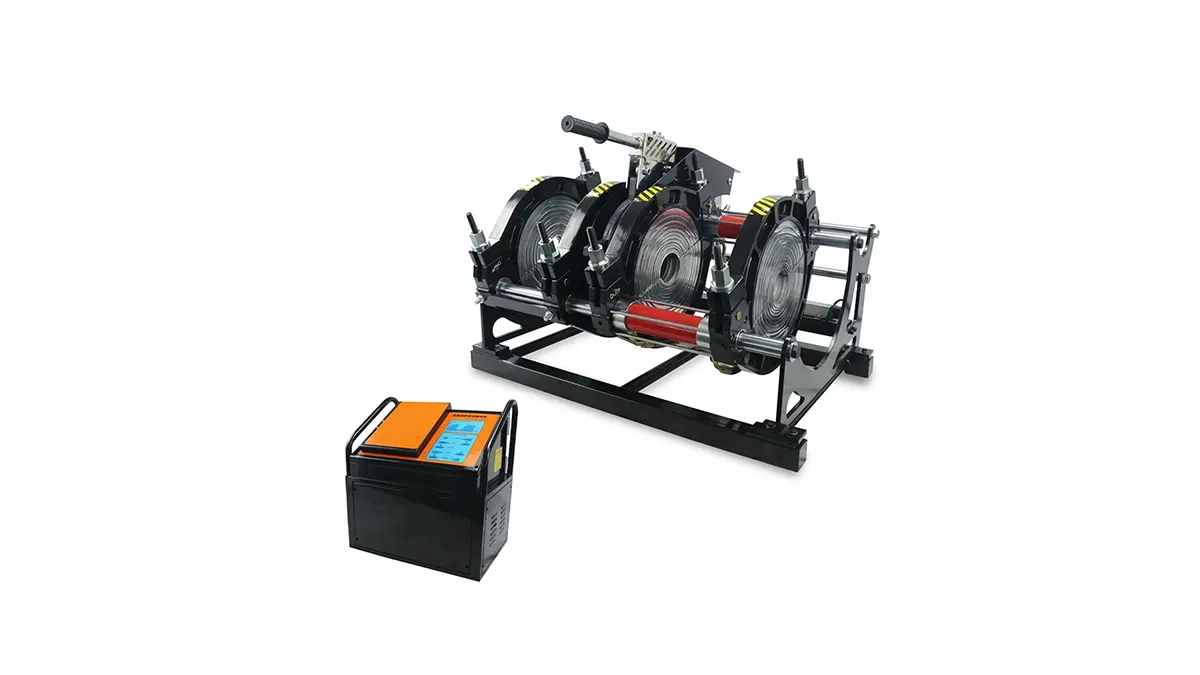
| CNC Automatic Butt Fusion | Automatic | 20–1200+ | High-volume or precision-critical projects |
Selecting Equipment for Benin Projects
Project scale: Small village water networks often perform well with portable manual units, while regional waterworks and industrial pipelines benefit from hydraulic or automatic systems that ensure consistent heat and pressure control.
Mobility and power: Choose machines with compact frames or detachable power packs for sites with limited access. Battery-assisted controls and diesel generators are common choices when grid power is unreliable.
Installation, Training and Local Partnerships
Successful deployment in Benin depends on skilled operators and timely spare parts. Train local teams in proper joint preparation, alignment and controlled heating/cooling cycles. Partner with regional contractors who understand French-language specifications, site permitting and seasonal timing to optimize welding windows and reduce downtime.
Quality, Standards and Durability
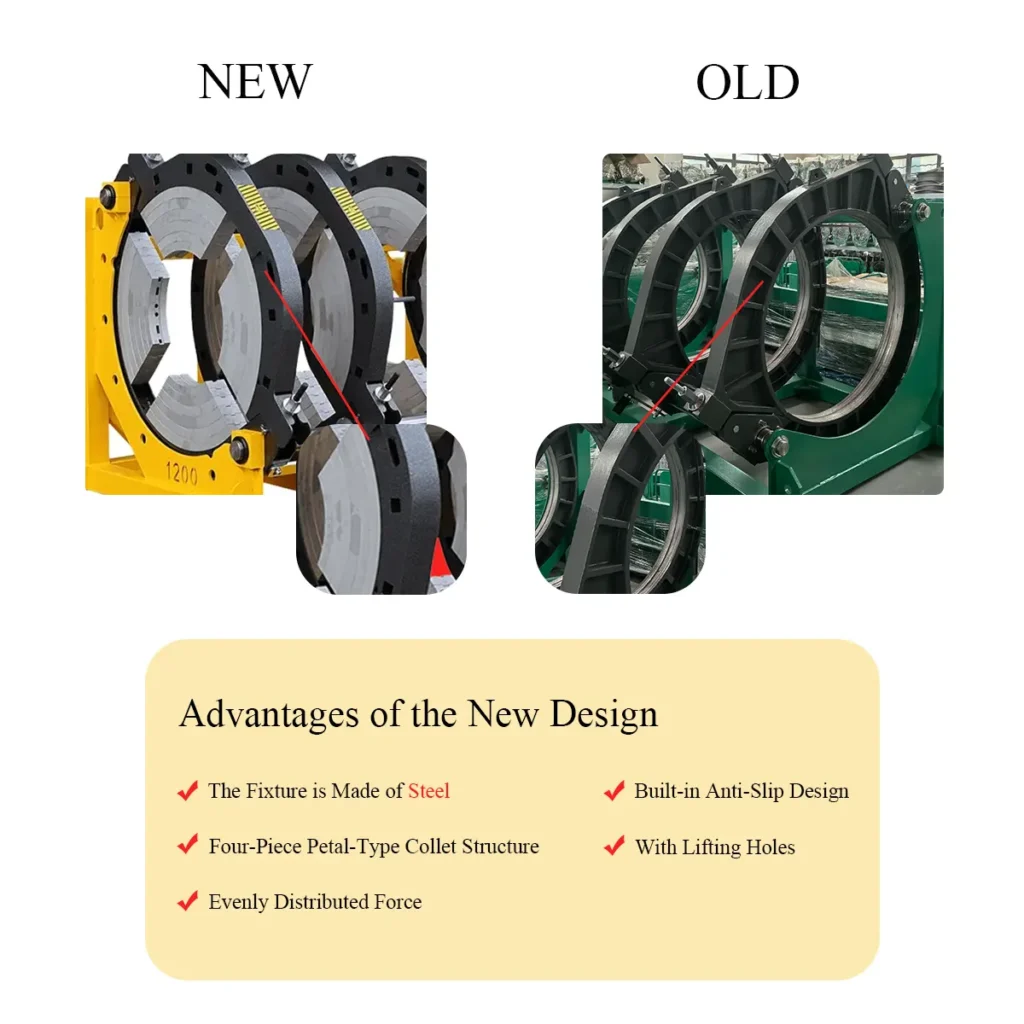
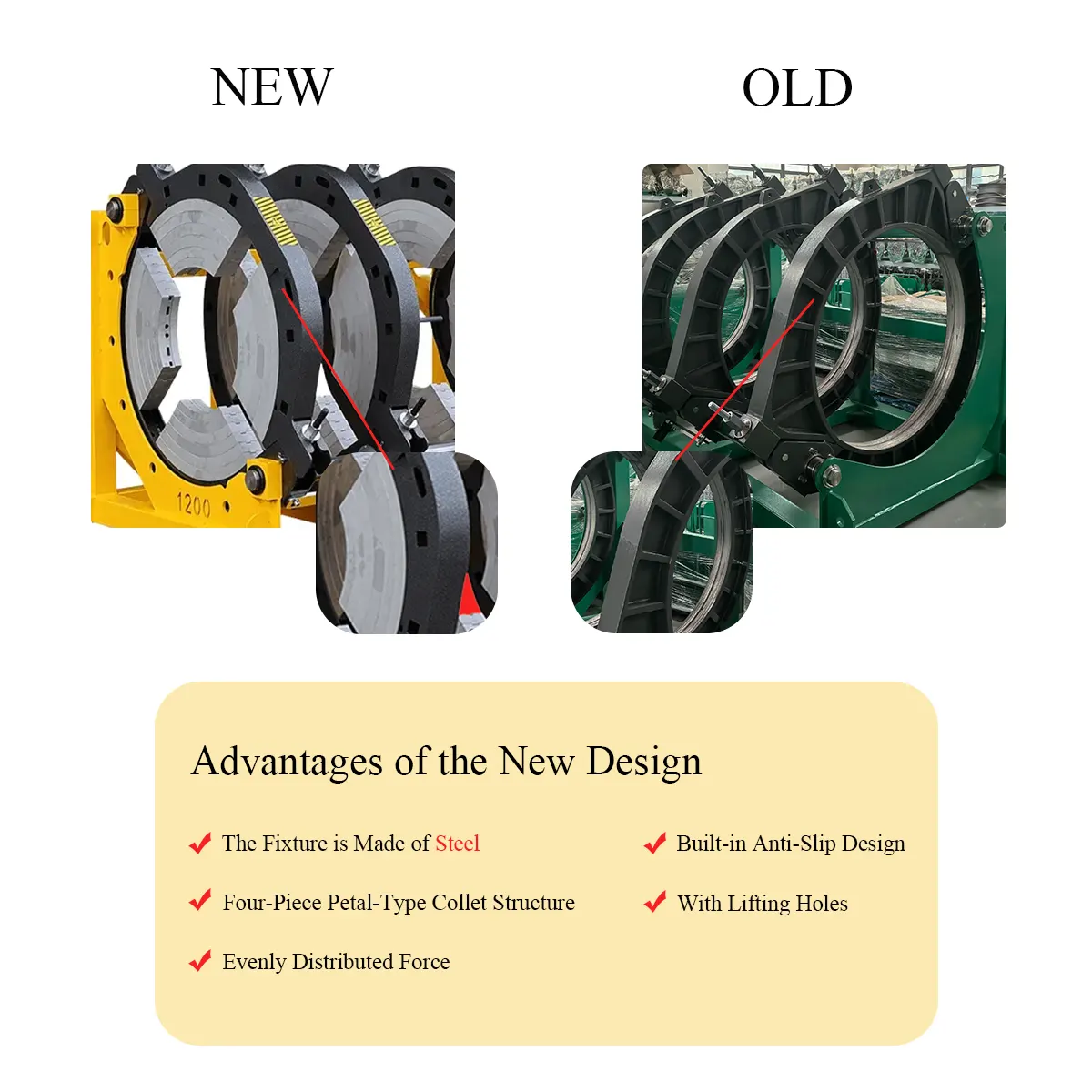
Durability: Look for corrosion-resistant clamps, sealed hydraulic units and robust heating plates built to withstand humid, dusty environments. Machines designed for long-term field service minimize life-cycle costs.
Standards and testing: Ensure welding procedures follow internationally recognized butt fusion standards and that test coupons or non-destructive checks are performed for critical pipelines.
Practical Tips for Beninese Contractors
-
Plan around weather: Schedule fusion works during dry periods where possible to protect heating surfaces and alignment tools.
-
Spare parts kit: Carry extra heating plates, cutters and hydraulic seals to avoid project delays in remote areas.
-
Operator certification: Certified welders reduce joint failures—invest in hands-on training and documentation for each weld.
About JQ-Fusion: JQ-Fusion is a professional manufacturer specializing in HDPE pipe welding machines, providing reliable butt fusion solutions for global infrastructure projects. With a range covering manual, hydraulic and CNC automatic machines, they support applications from water supply to industrial pipelines. Visit their site for model details and specifications.



