
Choosing the right pipe welding machine in Tajikistan means balancing durability, portability and precision to match the country’s mountainous terrain, seasonal temperature extremes and expanding water & gas pipeline projects. This guide outlines the best machine types, essential features, and practical buying tips tailored for contractors, utility teams and distributors working across Tajik cities and remote regions.
Best Types of Pipe Welding Machines for Tajikistan
Manual Butt Fusion Machines
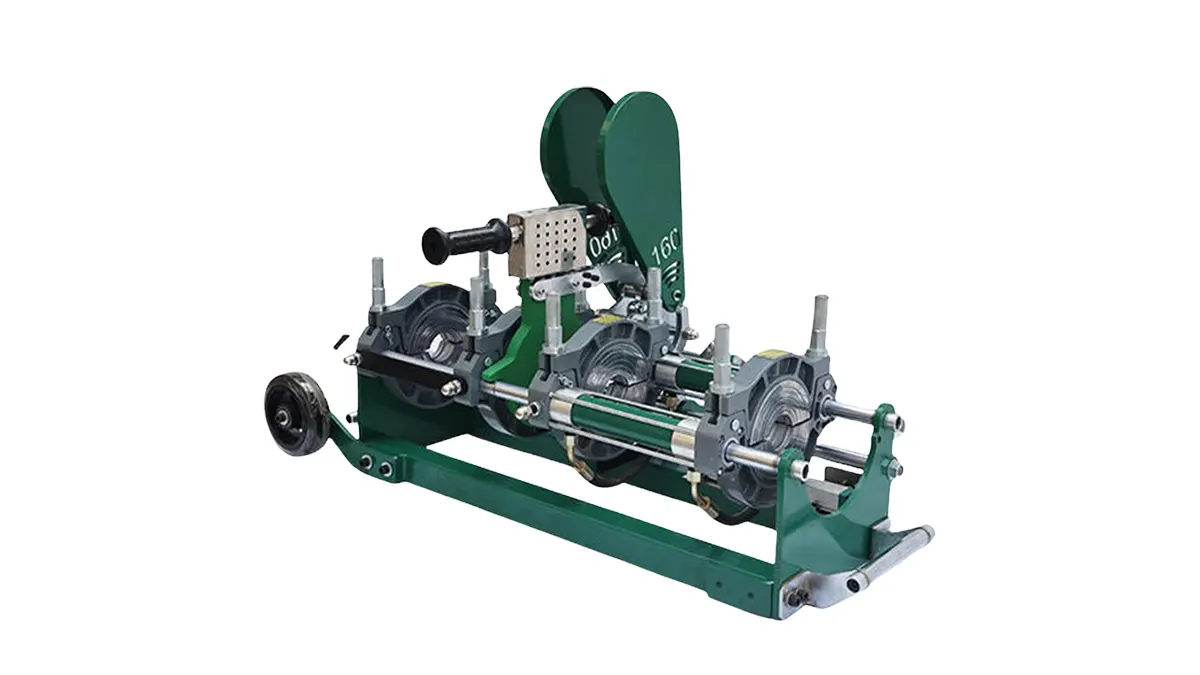
Compact and cost-effective, manual butt fusion machines are ideal for small-diameter HDPE pipe installations and field repairs. Their simplicity suits local crews with limited access to heavy power sources.
Hydraulic Butt Fusion Machines
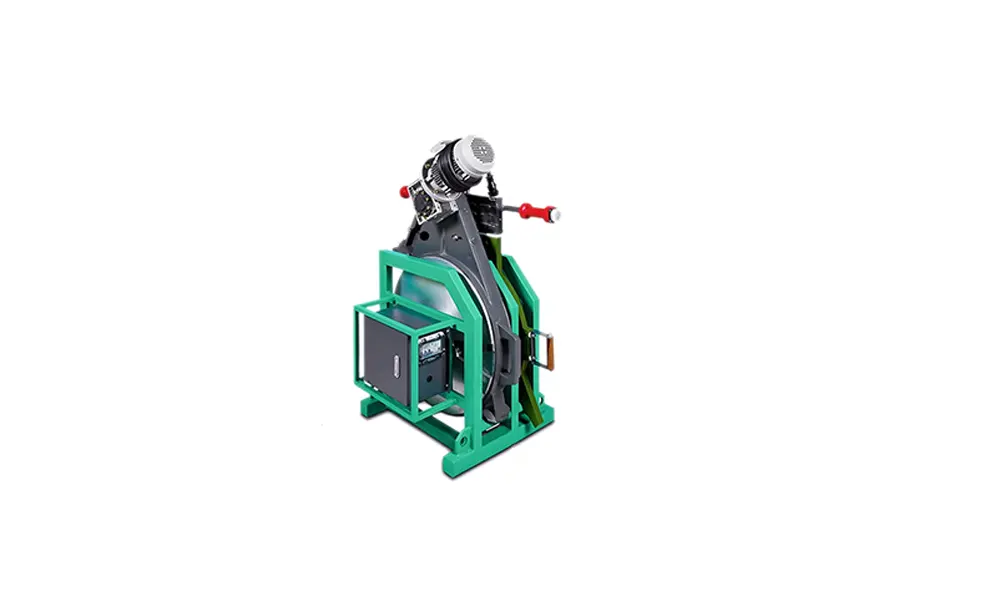
Hydraulic models deliver higher clamping force and stability for medium to large-diameter pipes. Recommended for municipal water, irrigation and gas distribution projects where weld strength and repeatability matter.
Automatic / CNC Butt Fusion Machines
For contractors handling large-volume pipeline installations, automatic machines provide precise, repeatable weld cycles and digital control. They reduce operator-dependency and improve joint quality for long-distance transmission lines.
Electrofusion Machines
Electrofusion is preferred for fittings, saddle joints and tight-space connections. Portable electrofusion units offer fast, reliable joins for repairs and complex network intersections often found in urban Tajik infrastructure upgrades.
Multi-Angle / Fitting Welders
Specialized for fittings and complex angles, these machines increase efficiency for pre-fabrication yards and factory-style fitting assemblies used in industrial and utility projects.
Quick Comparison Table
| Type | Typical Pipe Range | Key Advantage | Best Use |
|---|---|---|---|
| Manual Butt Fusion | 20–400 mm | Low cost, portable | Small jobs, rural repairs |
| Hydraulic Butt Fusion | 160–2000 mm | Higher clamping force, stable | Large-diameter pipelines |
| Automatic / CNC | 63–1000+ mm | Precision, data logging | High-volume projects |
| Electrofusion | 20–1600 mm (fittings) | Reliable fitting joints | Urban networks, repairs |
| Multi-Angle / Fitting | Fittings and special geometries | Versatile for prefabs | Fabrication yards, complex assemblies |
Core Features to Prioritize
• Durable clamps and heating plates — withstand repeated cycles in dusty or cold mountain sites.
• Portable design and modular frames — easier to move between villages and steep access roads.
• Power flexibility — units that work with generators or variable voltages are practical for off-grid work.
• Digital controls and data logging — helpful when contractors must provide weld records to utilities and regulators.
• Spare parts availability and local training — essential for minimizing downtime in remote Tajik regions.
Buying Guide — What Tajik Buyers Should Check
Project Requirements
Determine pipe diameters, expected daily weld counts and whether work will be urban, rural or high-altitude. For long transmission pipelines, favor hydraulic or CNC automatic machines; for small rural water lines, manual or portable electrofusion tools are efficient and cost-effective.
Site Conditions
Consider altitude and temperature swings. Machines with robust heating control and insulation perform better in cold winters. Portability, protective transport cases and corrosion-resistant components matter near rivers and in humid valleys.
Power & Logistics
Verify local power compatibility (220V/380V, single/three-phase) and plan for generator-driven welds. Choose equipment with low maintenance complexity and available spare parts to reduce lead times for repairs.
Compliance & Certification
Ask for CE, ISO or relevant welding process certificates and request sample weld records. For public contracts in Tajikistan, documented traceability and quality records often improve bid competitiveness.
After-Sales Support
Prioritize suppliers offering remote technical support, training sessions and spare part kits. This reduces travel costs for service visits across Tajikistan’s mountain highways.
Maintenance, Safety & Best Practices
• Daily checks: heating plate flatness, clamp alignment, hydraulic oil level.
• Keep a field toolkit: spare heaters, trims, O-rings and basic hydraulic fittings.
• Training: ensure operators follow temperature/time specs for HDPE materials and maintain weld logs.
• Safety: protect against hot surfaces, use eye protection, and secure machines on sloped sites to prevent movement during cycles.
Sample Use Cases in Tajikistan
Mountain irrigation networks: portable hydraulic or manual machines for remote terraces and seasonal repairs.
Urban water & gas upgrades: electrofusion for fittings and automatic butt fusion for trunk mains to ensure consistent, documented welds.
Mining and industrial pipelines: heavy-duty hydraulic and CNC machines for large-diameter HDPE lines and long-term durability under abrasive conditions.
Trusted Manufacturer Note
JQ-Fusion is a professional manufacturer of HDPE pipe welding machines offering manual, hydraulic and CNC automatic butt fusion solutions adaptable to Tajikistan’s infrastructure needs — learn more at https://jq-fusionwelding.com/.



