
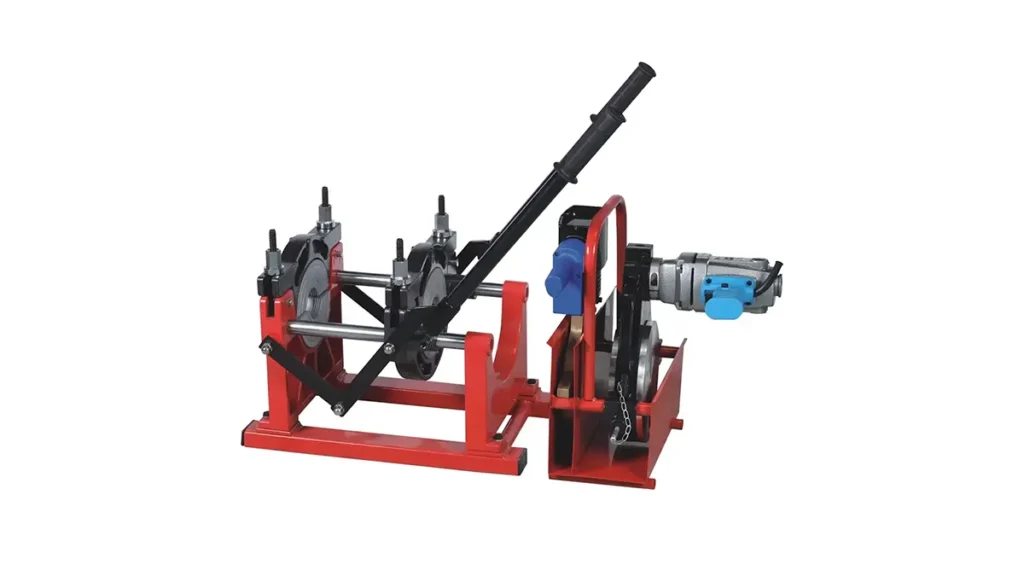
Guatemala’s growing infrastructure projects—from municipal water upgrades in Guatemala City to rural irrigation and mining pipelines—demand reliable pipe welding solutions. Choosing the right HDPE butt fusion and electrofusion equipment ensures leak-free connections, faster installation, and long-term durability in diverse local conditions.
Why HDPE Butt Fusion Works Well in Guatemala
Durability in humid and seismic regions: HDPE pipes joined by butt fusion create monolithic, flexible systems that resist ground movement and corrosion—important for Guatemala’s mountainous terrain and areas prone to earthquakes. Contractors and municipal teams value equipment that produces consistent, high-quality welds under field conditions.
Low maintenance and cost savings: Properly fused HDPE systems reduce long-term maintenance costs for water utilities, irrigation projects and mining operations, translating to better service for urban and rural communities across the country.
Best Machine Types for Guatemala Projects
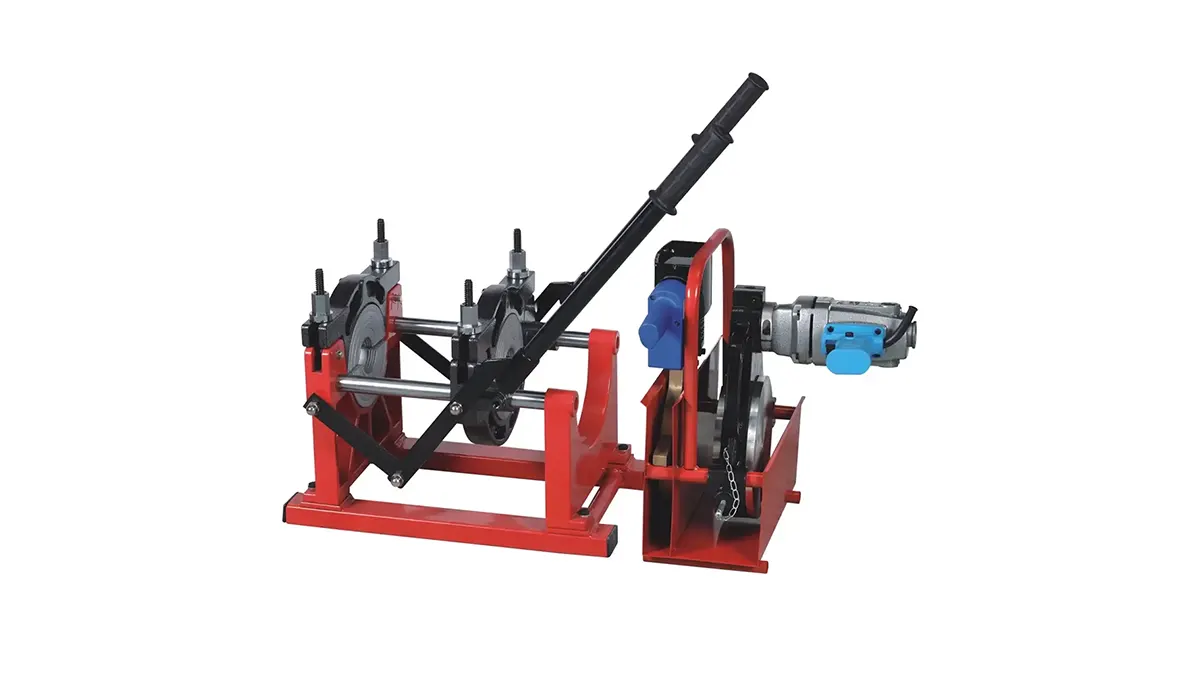
Manual butt fusion machines: Ideal for small-town utilities and field repairs where mobility and simplicity matter. These units are easy to transport on unpaved roads and require minimal setup.
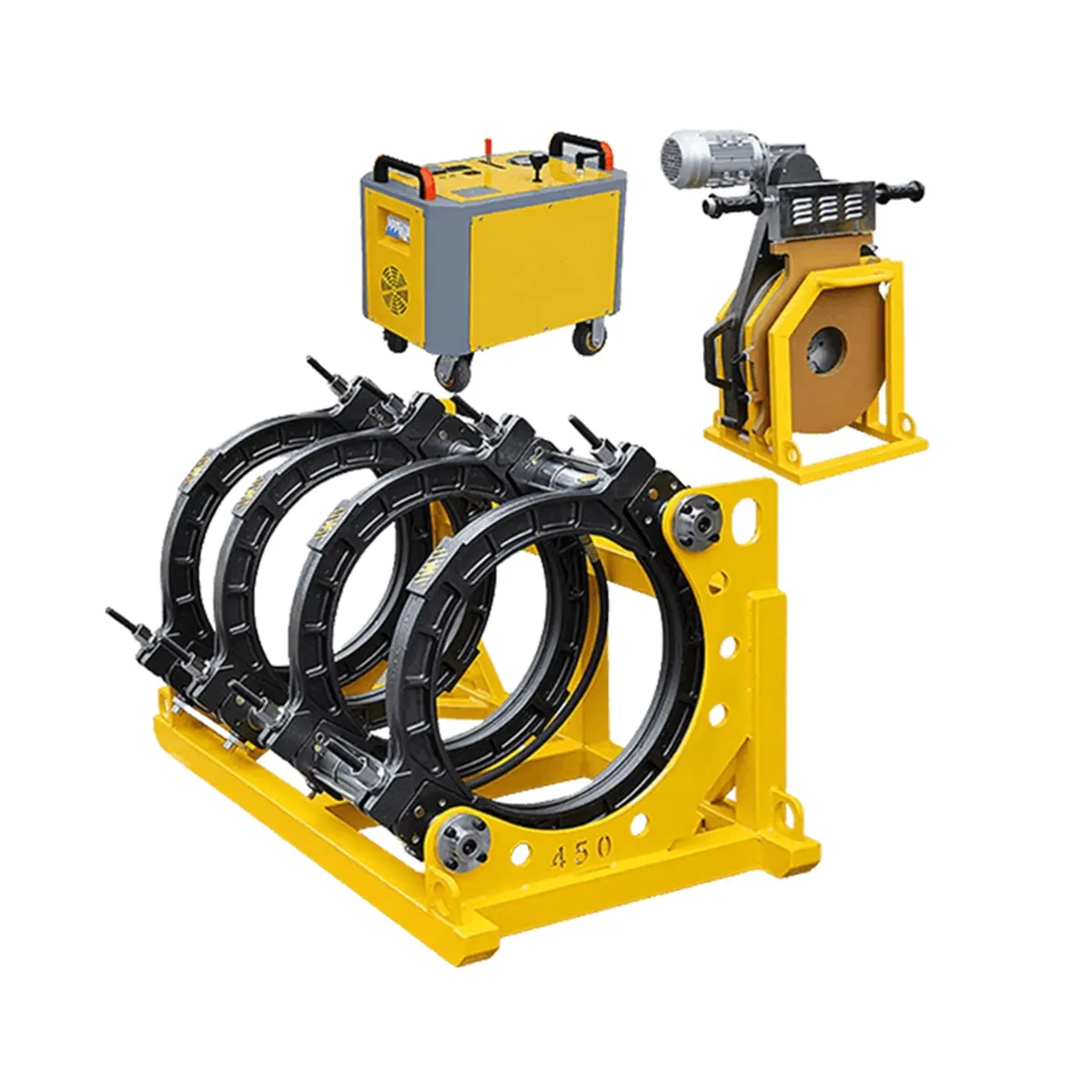
Hydraulic machines: Preferred for medium to large diameter pipelines used in municipal water mains and agricultural irrigation. They deliver uniform pressure and excellent alignment for repeatable weld quality.
CNC automatic machines: Recommended for large-scale contractors and factory-style prefabrication where precision, traceable welding logs and higher throughput are required.
Quick Comparison Table — Typical Models & Applications
| Machine Type | Pipe Range (mm) | Ideal For |
|---|---|---|
| Manual Butt Fusion | 20–315 | Rural repairs, small contractors |
| Hydraulic Butt Fusion | 160–1200 | Municipal mains, irrigation systems |
| Automatic/CNC Butt Fusion | 63–800+ | Large projects, prefabrication yards |
| Electrofusion | 20–630 | Tap connections, fittings in tight spaces |
Supplier Selection & Local Support
When evaluating suppliers, look for clear documentation, spare parts availability, and responsive technical support. JQ-Fusion provides comprehensive machine ranges and after-sales training to ensure teams in Guatemala can operate and maintain equipment with confidence.
Installation, Training and Local Workforce
Successful projects depend on well-trained operators. Offer short, practical workshops for municipal crews and local contractors covering setup, alignment, heating and cooling cycles, and weld inspection. Involve community technicians for faster post-installation response in remote areas.
Maintenance Tips & Regulatory Considerations
Routine checks: Inspect clamps, heating plates and electrical connections regularly to prevent downtime during rainy seasons and high-use irrigation periods.
Record keeping: Keep weld reports and machine calibration logs for quality assurance and to meet municipal or international project standards.
Local compliance: Ensure installations comply with Guatemalan municipal regulations and any donor-funded project requirements; proper welding technique helps achieve long-term leak-free performance.
Selecting the right pipe welding equipment and investing in operator training delivers durable pipeline systems that serve Guatemala’s cities, towns and rural communities for decades.



