
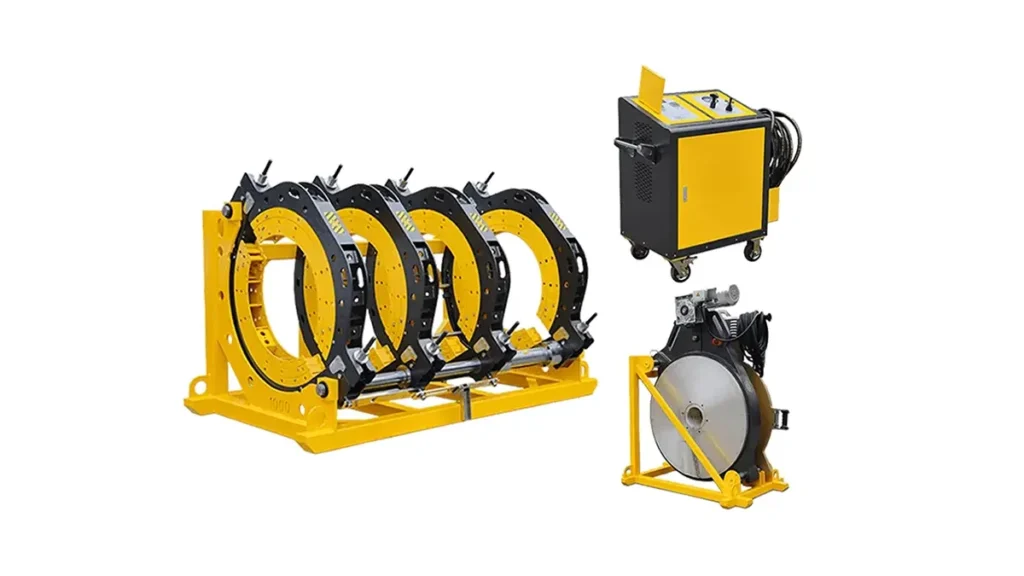
Ecuador’s infrastructure growth—from coastal cities like Guayaquil to highland systems in Quito and pipeline projects in the Amazon region—requires dependable PE pipe welding solutions. Reliable butt fusion and electrofusion machines ensure leak-free HDPE piping for water supply, gas distribution, irrigation and mining applications. This guide helps contractors, municipal engineers and pipeline installers across Ecuador choose the right pipe fusion equipment for long-term performance and regulatory compliance.
Why Reliable Pipe Fusion Machines Matter in Ecuador
Terrain and climate in Ecuador create specific challenges: coastal humidity, highland temperature swings, and remote installation sites in the Amazon. Durable, portable and serviceable fusion machines reduce downtime and rework, protecting project budgets and public safety. For local contractors and government utilities, machines that deliver consistent fusion quality across varying pipe sizes are essential for meeting technical standards and ensuring pipeline longevity.
Types of PE Pipe Fusion Machines and When to Use Them
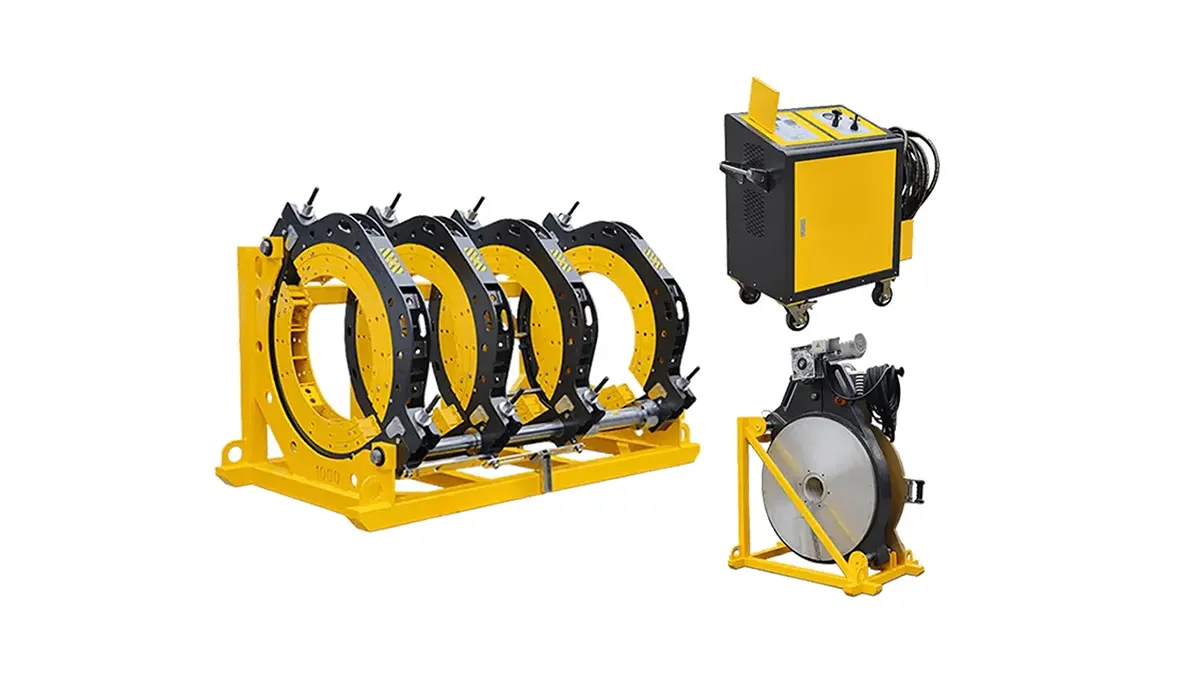
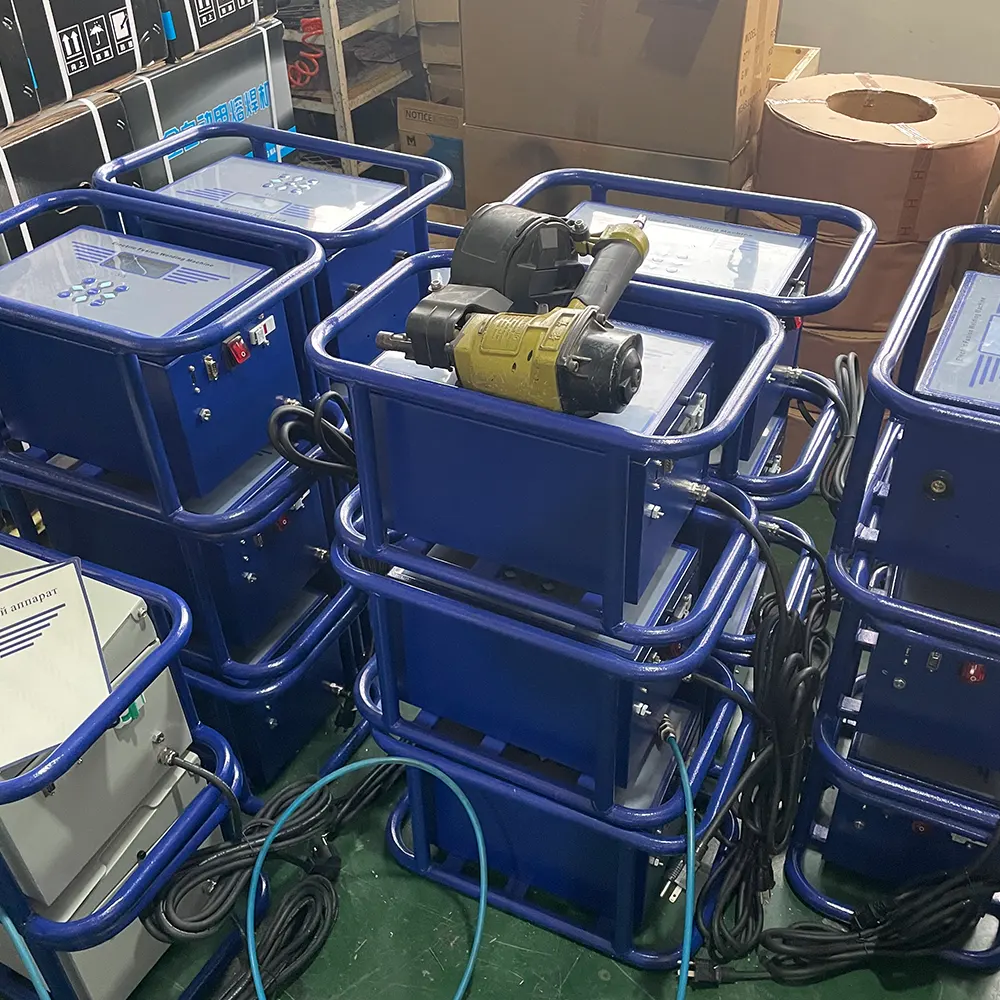
Manual butt fusion machines are cost-effective for small-diameter pipelines and remote jobs where mobility is key. Hydraulic butt fusion machines provide higher clamping force and stability for medium-to-large diameters used in municipal water and gas. Automatic/CNC butt fusion machines deliver repeatable, data-recorded welds for high-volume or critical pipelines. Electrofusion units are ideal for fittings and repair work in tight or constrained installations.
Quick Comparison Table — Common Models & Applications
| Model (example) | Pipe Range (mm) | Type | Best For |
|---|---|---|---|
| JQH1000 | 315–1000 | Hydraulic Butt Fusion | Large municipal & industrial pipelines |
| JQSY-2M | 25–160 | Manual Butt Fusion | Small distribution lines & repairs |
| JQA500 | 50–500 | Automatic/CNC Butt Fusion | High-precision production & long runs |
Selecting the Right Machine for Ecuador Projects
Consider these factors before purchase: project scale, typical pipe diameters, site accessibility, available power supply, and the need for documented weld records. In urban areas like Quito and Cuenca, automated machines that provide weld logs help satisfy regulatory and quality requirements. For rural or jungle installations, robust hydraulic frames and easily sourced spare parts reduce risk and service trips.
Service, Training and Local Support
Machine uptime depends on operator skill and maintenance. Prioritize suppliers that offer operator training, local spare parts support and remote troubleshooting. Machines with straightforward maintenance procedures and widely available components are easier to keep running in remote Ecuadorian regions. Insist on documented weld testing and certification for critical potable water and gas pipelines.
Sustainability and Safety Considerations
PE pipe systems are chosen in Ecuador for corrosion resistance and lifespan. Properly executed butt fusion welds maximize these benefits. Ensure equipment meets international welding standards and that welds are pressure-tested according to project specifications. Safe operation, clear training and quality control reduce environmental impact and protect communities.
A Manufacturer You Can Rely On
JQ-Fusion supplies a full line of manual, hydraulic and automatic butt fusion machines plus electrofusion units, tailored to infrastructure, mining and utility projects worldwide. For projects in Ecuador, prioritize machines that combine portability, reliability and available technical support to keep pipelines performing for decades.
If you need model recommendations, spare parts lists or operator training options tailored to Ecuadorian project conditions, request detailed specifications and quotations to match your pipeline requirements.



